

KLM Alongside Cathay Pacific and More such International Airlines Succumbing to Active Flight Suspensions Due to Conflict Zone Advisories Across Gulf Waters

Updated
Published
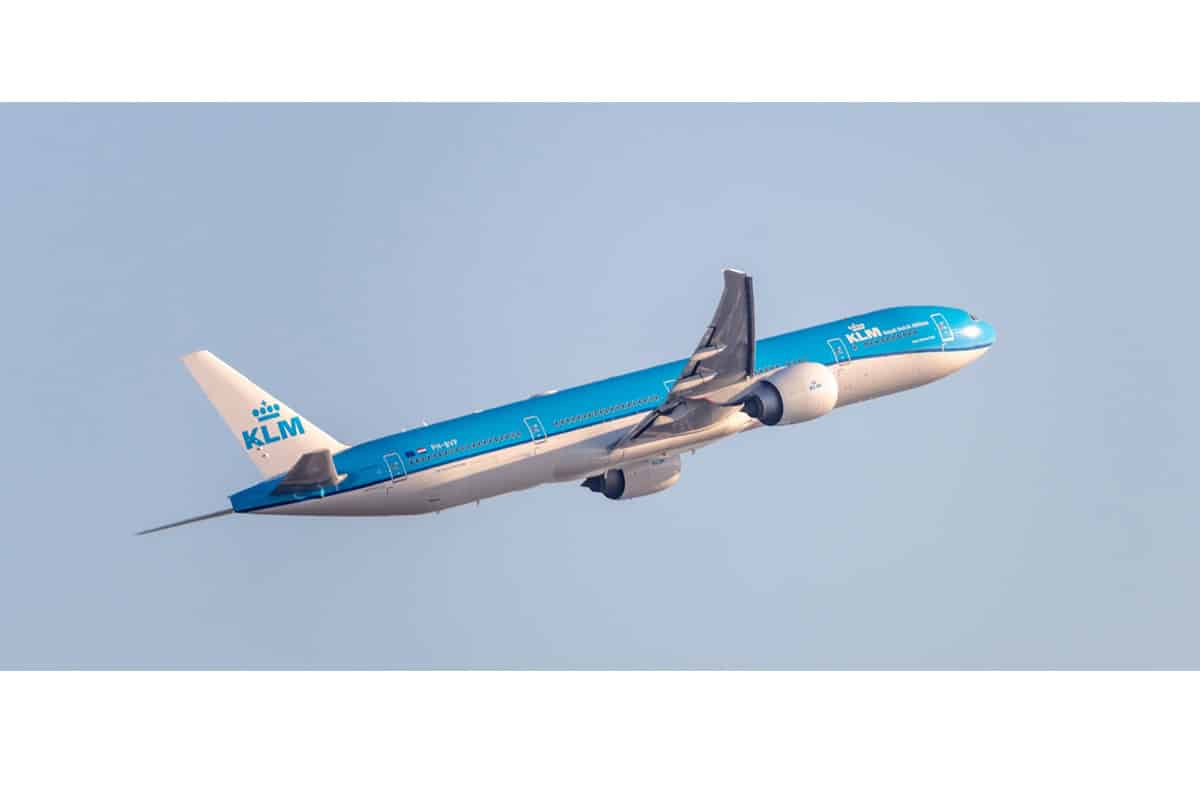
The global aviation sector is navigating unprecedented turbulence as Gulf airspace flight suspensions disrupt international travel networks. As of September 2026, major carriers including British Airways, Cathay Pacific, and KLM have extended route cancellations or significantly reduced frequencies across the Middle East. Driven by fresh conflict zone advisories from regulatory bodies like the European Union Aviation Safety Agency, passenger safety remains the utmost priority. These strategic airspace fluctuations are causing cascading delays, longer routing times, and profound economic ramifications. Understanding the official government directives and airline responses is absolutely critical for global passengers, logistics sectors, and the tourism industry today.
Background to the 2026 Aviation Crisis
The modern aviation industry is no stranger to geopolitical disruption, yet the scale and complexity of the current Middle East airspace fluctuations are proving to be exceptionally challenging. Throughout the summer and early autumn of 2026, international flight corridors over the Arabian Gulf have been subjected to intense scrutiny by global regulatory authorities. The primary catalyst for these widespread Gulf airspace flight suspensions has been a sharp escalation in regional military posturing, including heightened drone and missile activity over international waters.
For decades, the airspace spanning the Gulf has served as one of the world’s most critical arterial routes, seamlessly connecting the aviation markets of Europe, Asia, and the Americas. The sudden requirement to circumvent this densely trafficked airspace has forced airlines into a logistical bottleneck. Dispatchers and network planners are now working around the clock to recalculate routes, source alternative fuel stops, and secure complex overflight permits for less conventional flight paths. The resulting operational strain highlights the fragility of global aviation networks when confronted by sudden geopolitical shifts. As airspace becomes increasingly fragmented, the primary mandate for every governing body and commercial operator remains the absolute preservation of civilian passenger safety over schedule convenience.
Latest Official Developments and EASA Directives
At the forefront of the regulatory response is the European Union Aviation Safety Agency (EASA). Acting as the definitive authority for European airspace governance, EASA’s interventions have set a global benchmark for how airlines should assess regional risks. On August 31, 2026, EASA formally updated its Conflict Zone Information Bulletin, issuing a stringent directive that extended the civil flight warning for the Gulf region until September 30, 2026.
Advertisement
Advertisement
This official extension specifically encompasses the vast airspace over Bahrain, Kuwait, Qatar, and the United Arab Emirates. The updated advisory was prompted by renewed military tensions between the US and Iran, which escalated sharply following a brief diplomatic thaw in July. While EASA has slightly refined its general recommendation—no longer demanding a blanket avoidance of all territorial airspace across these nations—the explicit warnings regarding the Gulf waters have triggered immediate and comprehensive network realignments. Airlines legally beholden to EASA regulations, as well as international carriers adopting these guidelines as best practice, have had little choice but to maintain their Gulf airspace flight suspensions.
Global Frameworks: ICAO and IATA Guidelines
While EASA has provided strict regional directives, the broader international response is guided by the International Civil Aviation Organization (ICAO) and the International Air Transport Association (IATA). ICAO, a specialised agency of the United Nations, maintains robust protocols for risk assessment in conflict zones. Following the tragic loss of civilian aircraft in previous conflict zones over the past decade, ICAO established a more transparent intelligence-sharing network for member states.
Advertisement
Advertisement
During the current 2026 disruptions, national aviation authorities are heavily relying on these unified intelligence streams. IATA, representing the commercial interests and operational standards of the world’s airlines, has consistently reiterated that safety is non-negotiable. However, IATA has also highlighted the pressing need for rapid, clear, and unambiguous communication from state authorities regarding airspace closures. When airspace fluctuations occur with little warning, aircraft already in transit must execute emergency diversions, consuming reserve fuel and stranding passengers in intermediary hubs. The collaborative effort between government ministries, ICAO, and IATA is essential to ensure that the ongoing Gulf airspace flight suspensions are managed with minimal systemic chaos.
The Retreat of European Legacy Carriers
The operational impact of these government advisories is most visibly demonstrated by the immediate retreat of European legacy carriers from key Middle Eastern hubs. British Airways, the flag carrier of the United Kingdom, has implemented substantial network adjustments. As of mid-September 2026, British Airways’ direct services to major hubs like Dubai and Abu Dhabi remain suspended. The airline has indicated that flights to Dubai are currently scheduled to resume on October 25, 2026, though operations will return at a significantly reduced frequency as the airline cautiously tests the geopolitical waters.
Similarly, KLM Royal Dutch Airlines has adopted a highly conservative operational stance. The Dutch carrier has officially suspended its passenger services to Riyadh, Dammam, and Dubai until October 24, 2026. In strict alignment with updated security protocols, KLM is actively avoiding the airspace over Iran, Iraq, Israel, and substantial portions of the Arabian Gulf. Air France has echoed this cautious approach, suspending its Dubai-bound operations until September 15, while flights connecting to Beirut remain halted through September 24. For these European operators, the legal and ethical liability of operating near active conflict zones heavily outweighs the commercial benefits of maintaining scheduled operations.
Asian and North American Airline Adjustments
The ripple effects of the Gulf airspace flight suspensions extend far beyond Europe, deeply impacting connectivity for Asian and North American travellers. Hong Kong’s premier carrier, Cathay Pacific, has taken decisive long-term action by cancelling its passenger flights to Dubai and Riyadh through November 30, 2026. To mitigate passenger frustration, Cathay Pacific is currently managing a vast rebooking programme, offering rerouting options and full refunds to those impacted by the protracted cancellations. The loss of direct connectivity from major Asian financial hubs to the Gulf represents a significant disruption for corporate travel and international trade.
Conversely, North American carriers are projecting a far more prolonged period of regional instability. Air Canada has extended its suspension of Dubai services well into the winter schedule, halting operations until mid-January 2027. Even more strikingly, UK-based Virgin Atlantic—which operates heavily in transcontinental markets—has indicated that its Dubai flights will remain suspended for more than a year, with a tentative resumption date set for October 2027. These exceptionally long suspension windows underscore a growing sentiment among certain network planners that the Middle East airspace fluctuations may represent a semi-permanent structural shift in global aviation rather than a temporary disruption.
The Resilience of Middle Eastern Operators
Amidst the mass exodus of international legacy carriers, Middle Eastern airlines have demonstrated remarkable operational resilience. Major regional hubs including Dubai, Abu Dhabi, and Doha remain officially open and fully functional, serving as vital anchors for global transit. Flagship carriers such as Emirates and Etihad Airways are continuously navigating the complex, fragmented airspace to maintain their extensive global networks.
Advertisement
Advertisement
As of September 2026, Emirates continues to operate scheduled flights to critical regional destinations like Bahrain and Kuwait, although the airline actively advises passengers to monitor official channels for sudden delays. Etihad Airways reports that its services to Bahrain and Kuwait are operating mostly normally, despite facing occasional disruptions caused by unrelated operational challenges and adverse weather in European destination cities. Qatar Airways has successfully restored its network to over 160 destinations—representing approximately 85 per cent of its pre-conflict capacity—with multiple daily flights operating successfully in and out of Dubai.
Low-Cost Carriers Navigating Regional Complexity
The regional aviation ecosystem is equally reliant on low-cost carriers (LCCs) to maintain vital intra-Gulf connectivity. Airlines such as flydubai and Air Arabia face the distinct challenge of operating high-frequency, short-haul routes directly through heavily regulated airspace corridors. Currently, flydubai maintains its scheduled flights to Kuwait and Bahrain; however, the airline has implemented strict operational advisories, urging departing passengers to arrive at Dubai airports at least four hours prior to departure.
Air Arabia has experienced a more turbulent schedule, with specific flights between Sharjah, Kuwait, and Bahrain facing a mixture of cancellations and intermittent operations. For these regional LCCs, the Gulf airspace flight suspensions create complex daily operational puzzles. Aircraft turnaround times are stretched, crew rostering is frequently disrupted by delayed arrivals, and the margin for operational error is exceedingly thin. Nevertheless, their ability to keep the region connected despite external pressures highlights the robust nature of Gulf-based aviation infrastructure.
Operational Realities: Rerouting and Refuelling
When airspace is restricted, aircraft cannot simply pause in mid-air; they must be rerouted through safe, approved corridors. The current Middle East airspace fluctuations require network planners to circumvent vast tracts of traditional airspace, pushing aircraft further north over continental Europe and the Caucasus, or further south across the African continent. This seemingly simple geographical shift introduces profound operational complexities.
Longer flight paths require significantly more jet fuel. In many instances, the added distance pushes an aircraft beyond its maximum non-stop range, necessitating technical stops for refuelling. A flight from London to Southeast Asia, which would traditionally traverse the Gulf seamlessly in 12 hours, may now require 14 hours and a refuelling stop in Eastern Europe or India. This increases the burden on flight crews, frequently pushing them close to their legally mandated maximum duty hours. If a crew times out, the airline must secure immediate hotel accommodations for hundreds of passengers, resulting in a costly logistical nightmare that degrades the overall travel experience.
Economic Implications for the Aviation Sector
The financial toll of the ongoing Gulf airspace flight suspensions is staggering. Airlines operate on notoriously thin profit margins, and the sudden introduction of forced detours and flight cancellations fundamentally disrupts revenue streams. For carriers that have suspended operations entirely, such as British Airways and Cathay Pacific, the immediate impact involves processing millions of pounds in mandatory passenger refunds and rebooking fees.
Advertisement
Advertisement
Furthermore, the cost of operating rerouted flights is astronomically higher. Increased fuel burn translates directly to higher operational expenditure, whilst the accumulation of extra flight hours accelerates the maintenance cycles of expensive aircraft engines. Additionally, the aviation insurance market has reacted swiftly to the geopolitical tensions. Premiums for Hull War Risk insurance—a mandatory policy for aircraft operating near active conflict zones—have skyrocketed. Airlines are absorbing these massive, unforeseen costs, which will inevitably be passed down to the consumer through higher ticket prices and elevated fuel surcharges in the final quarter of 2026.
Supply Chain Disruptions and Air Cargo
While passenger travel dominates the headlines, the invisible backbone of the global economy—air cargo—is suffering equally under the weight of these airspace restrictions. A significant percentage of international air freight is transported in the bellyhold of passenger aircraft rather than on dedicated freighters. When airlines like KLM and Air France suspend their wide-body passenger services to the Middle East, immense volumes of cargo capacity simply vanish from the market.
The Gulf airspace flight suspensions are acutely impacting the supply chains of high-value, time-sensitive goods. Pharmaceuticals, advanced electronics, and perishable commodities that rely on the rapid East-West transit corridors are experiencing severe delays. Freight forwarders are desperately scrambling to secure limited space on Middle Eastern carriers like Emirates and Qatar Airways, driving up air freight rates across the board. The resulting supply chain friction is fuelling broader economic concerns, as manufacturing sectors in Asia and retail markets in Europe grapple with prolonged delivery timelines and inflated logistics costs.
Tourism Impact on Dubai, Abu Dhabi, and the Region
The tourism sectors of the United Arab Emirates and the wider Gulf region are intricately tied to their aviation connectivity. Dubai and Abu Dhabi have spent decades cultivating reputations as premier global leisure and business destinations, heavily reliant on the continuous influx of international visitors. The prolonged absence of legacy carriers—such as the withdrawal of Air Canada until 2027 and the reduced frequencies of British Airways—poses a palpable threat to regional tourism targets.
While local mega-carriers are effectively shouldering the burden of transporting visitors, the lack of competitive options reduces overall seat capacity and drives up airfares, potentially pricing out certain demographics of leisure travellers. Hotels, tour operators, and the hospitality sector are closely monitoring forward booking data for the crucial winter sun season. Despite the disruptions, official government tourism boards continue to emphasise that the region remains safe and open for business, launching targeted marketing campaigns to reassure international markets that ground-level infrastructure and hospitality remain entirely unaffected by the upper-airspace geopolitical disputes.
Environmental Consequences of Prolonged Rerouting
An often-overlooked consequence of the Gulf airspace flight suspensions is the severe environmental impact. The global aviation industry has committed to stringent sustainability targets, including the ambitious goal of achieving net-zero carbon emissions by 2050. However, the requirement to fly circuitous routes to avoid conflict zones directly undermines these environmental efforts.
Advertisement
Advertisement
Adding one to two hours of flight time to a long-haul journey results in the burning of thousands of extra gallons of aviation fuel, releasing tonnes of additional carbon dioxide and nitrogen oxides into the upper atmosphere. Furthermore, the congestion of aircraft squeezed into narrower, “safe” flight corridors leads to suboptimal cruising altitudes and holding patterns, further exacerbating fuel inefficiency. As regulatory bodies like EASA mandate these airspace closures for safety, they inadvertently contribute to a significant spike in the industry’s overall carbon footprint for 2026, creating a complex policy dilemma for governments striving to balance immediate civilian safety with long-term climate commitments.
Expert Perspectives and Government Policy Shifts
Aviation experts and government transport ministries are universally aligned on the absolute necessity of these flight suspensions. Officials from national civil aviation authorities have reiterated that the intelligence prompting the EASA directives is both credible and severe. Independent aviation analysts note that airlines are no longer willing to rely solely on public assurances from state actors in conflict zones, preferring instead to implement proactive avoidance strategies.
The policy implications moving forward are profound. Governments are increasingly recognising the need for a more dynamic and unified global system for issuing and lifting airspace warnings. Currently, a fragmented approach exists wherein European, North American, and Asian regulators may issue conflicting timelines for flight suspensions—evidenced by Air France suspending flights until September 15, while Virgin Atlantic withdraws until late 2027. Harmonising these international risk assessments through the United Nations and ICAO frameworks is becoming a paramount policy objective for the global transport sector.
Future Outlook: Navigating Towards Normalisation
Looking ahead to the remainder of 2026 and into 2027, the future of the Gulf airspace remains highly contingent on diplomatic resolutions. Network planners are operating in an environment of extreme uncertainty, drafting multiple contingency schedules for the upcoming International Air Transport Association (IATA) winter season. If the geopolitical tensions ease and regulatory bodies like EASA allow the September 30, 2026 warning to expire without further extension, a gradual phased return of international carriers can be expected.
However, if military posturing continues, the Gulf airspace flight suspensions will likely harden into long-term operational realities. Airlines will invest more heavily in securing permanent slots in alternative intermediate hubs, fundamentally reshaping the geography of global air travel. Ultimately, the resilience of the aviation industry lies in its adaptability. While the skies over the Middle East remain complicated, the combined efforts of rigorous regulatory oversight, proactive airline management, and robust regional infrastructure ensure that global connectivity, though strained, will persistently endure.
Advertisement
