
Travel Institute Expands Advisor Training With Immersive Rhine Cruise Certification Experience

Published
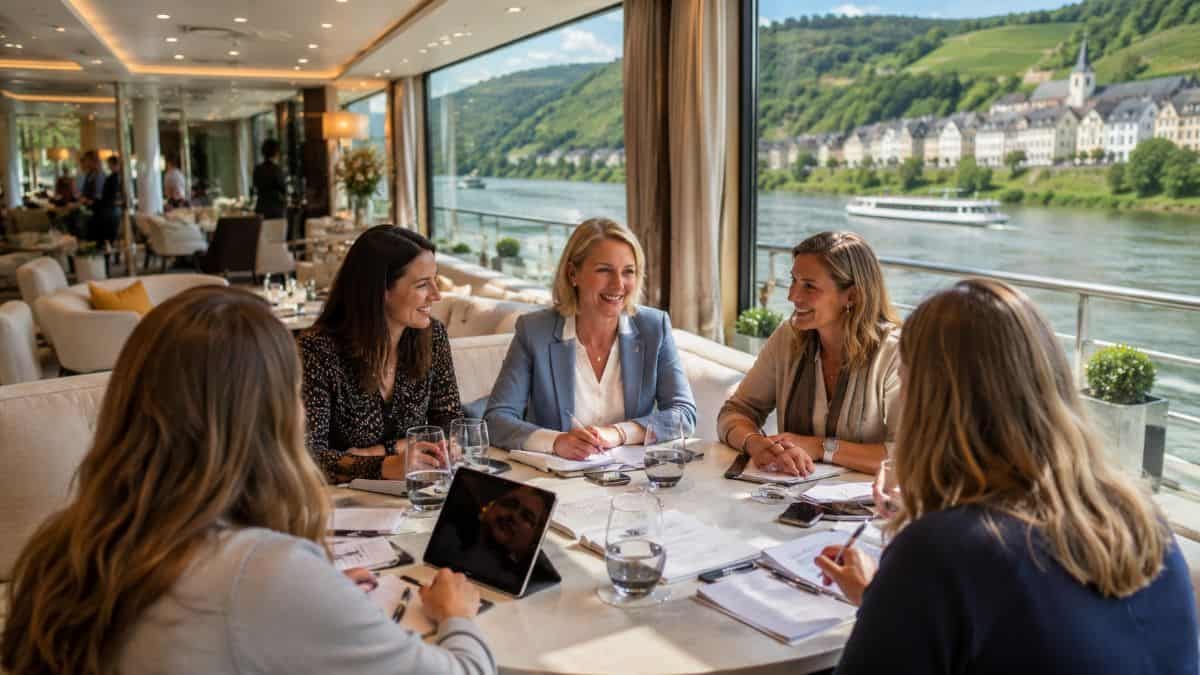
Image generated with Ai
The Travel Institute has introduced a new training format that brings professional certification, destination knowledge and real-world travel product experience together through an immersive programme for travel advisers. The Certified Travel Associate Immersion Programme is designed to help advisers prepare for CTA certification while gaining first-hand familiarity with a destination and the travel product they may recommend to clients.
The inaugural programme took place earlier this month during a Rhine River cruise aboard AmaWaterways’ AmaStella, bringing together 15 travel advisers for an intensive educational experience. Participants combined structured learning with peer discussions, practical exposure and supervised certification testing while travelling through the river itinerary. The approach gives advisers an opportunity to connect professional development with the realities of the customer experience, strengthening knowledge that can be applied when planning and selling holidays. The initiative also signals a broader effort to make travel-industry education more experiential as advisers increasingly require detailed product knowledge alongside formal professional skills.
Advertisement
Advertisement
Immersive Certification Brings Education Into The Travel Experience
The new programme is built around the principle that travel advisers can benefit from learning about destinations and travel products while experiencing them directly. Instead of separating professional education from product familiarisation, the programme places both activities within the same travel environment.
During the Rhine cruise, the participating advisers attended live educational sessions, exchanged ideas with peers and completed proctored testing connected with CTA certification. The programme allowed participants to learn while simultaneously observing the onboard experience and visiting destinations included within the itinerary.
Advertisement
Advertisement
This format is particularly relevant for advisers working in an industry where clients increasingly expect informed recommendations. First-hand exposure can provide useful context around accommodation, service, itinerary flow, destination appeal and the practical considerations that influence a traveller’s holiday decision.
Advertisement
Advertisement
CTA Curriculum Covers Core Travel Adviser Skills
The certification component addressed a broad range of subjects relevant to professional travel advisers. The curriculum included ethics, communication, sales, marketing and itinerary planning, alongside specialist areas covering travel insurance, cruises, all-inclusive holidays and escorted trips.
These subjects reflect the diverse responsibilities involved in modern travel consultancy. Advisers must understand how to communicate effectively with customers, identify suitable products, construct appropriate itineraries and explain important travel considerations. Knowledge of insurance and different holiday formats can also help advisers provide more complete guidance during the booking process.
The programme therefore combined theoretical learning with practical exposure. This combination can help participants connect certification concepts with situations encountered when selling and planning real journeys.
Advertisement
Advertisement
Rhine Cruise Provided A Practical Learning Environment
The choice of a Rhine River cruise created an environment in which participants could experience both the travel product and destination elements of the programme. A river itinerary offers exposure to shipboard operations as well as multiple ports and destinations, giving advisers opportunities to observe different aspects of the customer journey.
For travel professionals, experiencing a product personally can provide details that are difficult to capture through brochures or conventional classroom training. Observations about the onboard atmosphere, service delivery, itinerary rhythm and destination visits can contribute to more confident conversations with prospective clients.
Advertisement
Advertisement
The programme also placed advisers in a shared learning environment. Peer-to-peer discussions allowed participants to compare professional experiences and consider different approaches to selling, communication and itinerary development.
Professional Development Gains A Stronger Experiential Focus
The initiative reflects an evolving approach to travel-industry training in which education increasingly incorporates practical experience. Traditional classroom learning remains valuable, but combining structured instruction with first-hand product exposure can create a more rounded professional development experience.
The Travel Institute has indicated that it intends to expand the Immersion Programme through additional supplier partnerships. Future programmes could therefore give advisers opportunities to study different travel products or destinations while working towards professional development objectives.
For suppliers, such programmes may also provide an opportunity to introduce travel advisers to their products in a structured educational setting. For advisers, the model can offer professional certification alongside direct experience that may strengthen destination and product knowledge.
Peer Learning Adds Value To Certification Training
A central element of the programme was interaction among participating advisers. The shared setting created opportunities for conversations that extended beyond formal lessons and testing.
Advertisement
Advertisement
Professional peer learning can be particularly valuable in travel because advisers often encounter different customer needs, sales challenges and itinerary requirements. Sharing practical experiences can expose participants to alternative approaches while helping build professional relationships.
The Travel Institute’s vice president Guida Botelho highlighted the value of bringing advisers together around professional education. The organisation said such environments encourage richer conversations, the exchange of ideas and practical insights while allowing advisers to challenge and learn from one another.
That social dimension distinguishes an immersive programme from training that is completed entirely through individual study.
What The Programme Means For Travel Advisers
The Immersion Programme gives advisers a pathway to combine certification preparation with direct travel experience. The model may be especially useful for professionals seeking to strengthen both formal credentials and destination or product expertise.
The programme also demonstrates how professional development can be integrated into the travel experience without treating education and product familiarisation as separate activities. By combining classroom-style learning, supervised assessment, peer interaction and destination exposure, the initiative creates a comprehensive environment for adviser development.
Advertisement
Advertisement
As the programme expands through further supplier partnerships, its value will depend on maintaining strong educational standards while ensuring participants receive meaningful first-hand exposure. For travel advisers, that balance could make immersive training a useful addition to conventional professional education.
Key Programme Details
| Programme element | Details |
|---|---|
| Programme | Certified Travel Associate Immersion Programme |
| Organiser | The Travel Institute |
| First programme | Held earlier in August 2026 |
| Participants | 15 travel advisers |
| Travel experience | Rhine River cruise |
| Ship | AmaStella |
| Certification | Certified Travel Associate |
| Learning format | Live education, peer discussion and proctored testing |
| Core subjects | Ethics, communication, sales, marketing and itinerary planning |
| Additional subjects | Travel insurance, cruise, all-inclusive travel and escorted trips |
| Future plans | Expansion with additional supplier partners |
Outlook For Experiential Travel Education
The launch provides a new model for professional development within the travel sector, connecting certification with the products and destinations advisers are expected to understand and sell. The Rhine programme demonstrated how learning can take place alongside first-hand travel observation, while peer interaction adds another layer of professional development.
With plans to work with more supplier partners, the programme could broaden access to destination-focused and product-focused education. For advisers, the combination of recognised certification preparation and practical experience may offer a more engaging route towards strengthening industry expertise and client-facing confidence.
Frequently Asked Questions
What is the Certified Travel Associate Immersion Programme?
It is a professional training programme that combines preparation for CTA certification with first-hand experience of a travel product or destination.
Advertisement
Advertisement
Who organised the first Immersion Programme?
The Travel Institute organised the inaugural programme.
Where was the first programme held?
The first programme took place during a Rhine River cruise.
How many travel advisers participated?
Advertisement
Advertisement
Fifteen travel advisers took part in the inaugural programme.
Which ship hosted the programme?
Participants travelled aboard AmaWaterways’ AmaStella.
What did participants do during the cruise?
They attended live learning sessions, participated in peer discussions and completed proctored certification testing.
Advertisement
Advertisement
What subjects were included in the CTA preparation?
Topics included ethics, communication, sales, marketing, itinerary planning, travel insurance, cruises, all-inclusive travel and escorted trips.
Why is first-hand product experience useful for travel advisers?
It can give advisers practical knowledge about the customer experience, destinations and travel products they recommend.
Will the programme be expanded?
Advertisement
Advertisement
The Travel Institute has said it plans to expand the programme through additional supplier partnerships.
How does the programme differ from conventional training?
It combines professional education and certification testing with direct travel experience and peer learning in the same environment.
Advertisement
