
El Salvador Brings AI and Data Into Focus Ahead of World Tourism Day 2026

Published
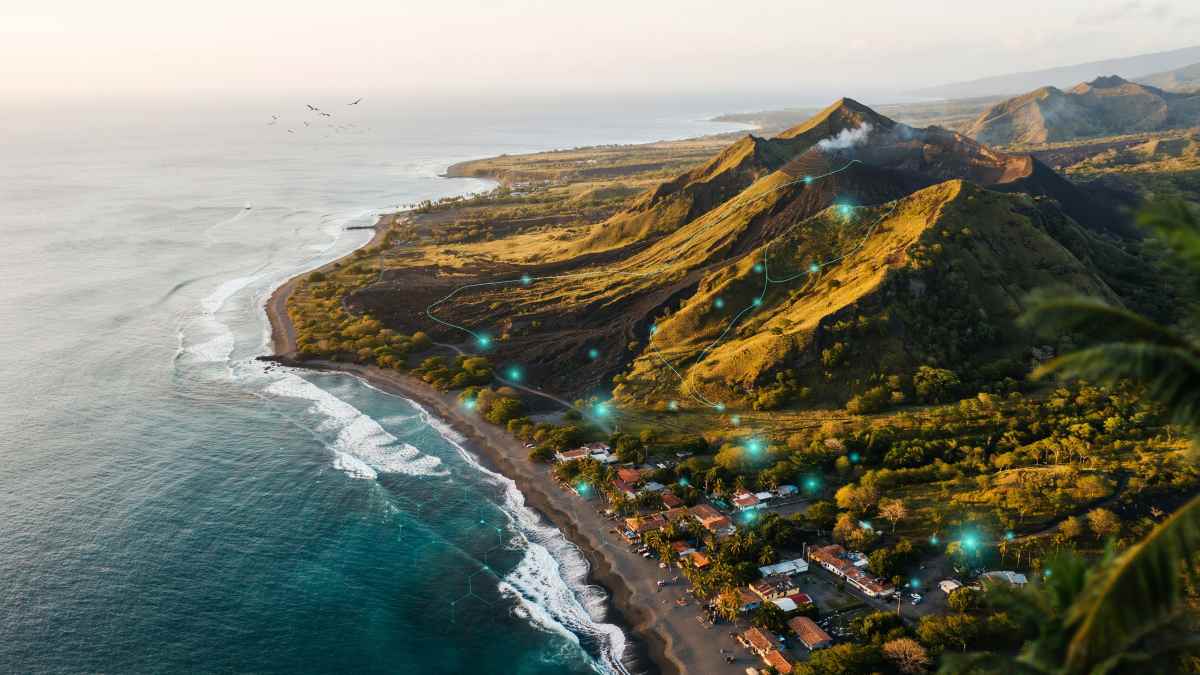
Image generated with Ai
El Salvador is set to position itself as a leader in artificial intelligence and digital innovation on the world stage of tourism, as it will be hosting the official World Tourism Day 2026 observance ceremony. This is scheduled to happen on 27 September under the slogan “Digital Agenda and Artificial Intelligence to Redesign Tourism.” But despite allegations that the country has actually initiated an AI-driven Digital Bio-Management system that places automatic limits on visitor numbers in ecologically fragile zones, there is no evidence in any of the official tourism statements to corroborate these. It is only known for sure that El Salvador is already working on tourism intelligence and demand management initiatives.
AI Moves Into El Salvador’s Tourism Strategy
The country’s Ministry of Tourism, through its Surf City II programme and cooperation with the Inter-American Development Bank, has established a portfolio covering tourism governance, demand management and a tourism innovation and intelligence system.
Advertisement
Advertisement
One project provides the tourism authorities with access to data platforms covering hotel occupancy, tourism supply and visitor mobility. The objective is to monitor demand and supply trends while tracking key indicators across the national tourism sector.
This is an important distinction from a fully automated visitor-control system. The documented programme is focused on gathering and analysing tourism intelligence to improve decision-making rather than confirming that algorithms are already directing tourists away from crowded ecosystems in real time.
Advertisement
Advertisement
World Tourism Day Gives Digital Tourism A Global Platform
El Salvador was selected to host the official 2026 World Tourism Day celebration, with the event designed around the relationship between artificial intelligence, digital transformation and the future of tourism.
Advertisement
Advertisement
UN Tourism documents describe the theme as an opportunity to examine how AI can improve customer experiences, operational efficiency and sustainable tourism practices.
For El Salvador, the timing connects directly with its ongoing efforts to develop stronger tourism intelligence and destination-management capabilities.
The country has also been expanding its tourism infrastructure and developing a wider network of destinations beyond its best-known coastal areas.
Surf City Remains A Major Tourism Anchor
Surf City continues to be one of the country’s most prominent tourism strategies, connecting the Pacific coastline with wider destination development.
The official tourism platform highlights destinations including El Tunco, El Zonte, Punta Roca, El Sunzal, Punta Mango, Las Flores and Costa del Sol. The programme is intended to connect the coastal tourism offer with other destinations around El Salvador rather than treating the surf coastline as an isolated tourism zone.
Advertisement
Advertisement
That wider approach becomes particularly relevant when discussing visitor distribution. Instead of concentrating demand around a small number of internationally recognised attractions, tourism data can help authorities understand where visitors are travelling, when demand peaks and where additional infrastructure may be needed.
From Volcanoes To Coastal Ecosystems
El Salvador’s tourism portfolio extends well beyond beaches. Official tourism information identifies major protected areas including Montecristo National Park, Los Volcanes National Park and El Imposible National Park.
These landscapes form part of the country’s nature-tourism offer, while its coastline also supports marine and wildlife experiences.
The official tourism system already recognises the need for controlled access to some natural attractions. Visitors entering national parks managed by the Ministry of Environment, for example, are required to obtain permission, while guided access is used for activities around destinations such as Cerro Verde and the country’s volcanoes.
A future data-driven approach could build on this existing framework by combining visitor information, reservations, mobility data and environmental monitoring.
Advertisement
Advertisement
Community Tourism Could Benefit From Better Data
Another significant element of El Salvador’s tourism structure is the role of local communities and tourism-development committees.
CORSATUR supports municipal, departmental and regional tourism-development committees, providing a mechanism for local actors to participate in destination development.
Better tourism intelligence could help these communities understand visitor demand and identify opportunities for accommodation, food, guiding, crafts and outdoor experiences.
That could also support the country’s longer-term objective of spreading tourism activity across a broader geographical area rather than concentrating visitors in a handful of established destinations.
A Digital Tourism Model Still Taking Shape
Thus, the factual situation appears to be far more conservative compared to the assertion that El Salvador has fully developed an AI bio-management system across the nation. El Salvador is approaching World Tourism Day in 2026 with a fully developed tourism intelligence, visitor demand analysis, and destination governance program, and AI is increasingly becoming one of the primary components of the global debate about tourism management. Environmental sustainability, climate change adaptation, and risk management are part of the country’s tourism initiatives, together with infrastructure development and competitiveness of the destinations. The hosting of the global tourism community by San Salvador and Surf City provides El Salvador with an excellent opportunity to showcase how digital technologies can help in tourism planning in combination with the natural environment and local community interests.
Advertisement
