
China’s Heritage Revival Turns Xi’an and Xiamen Into Rising Cultural Cities Shaping Future Travel Trends

Updated
Published
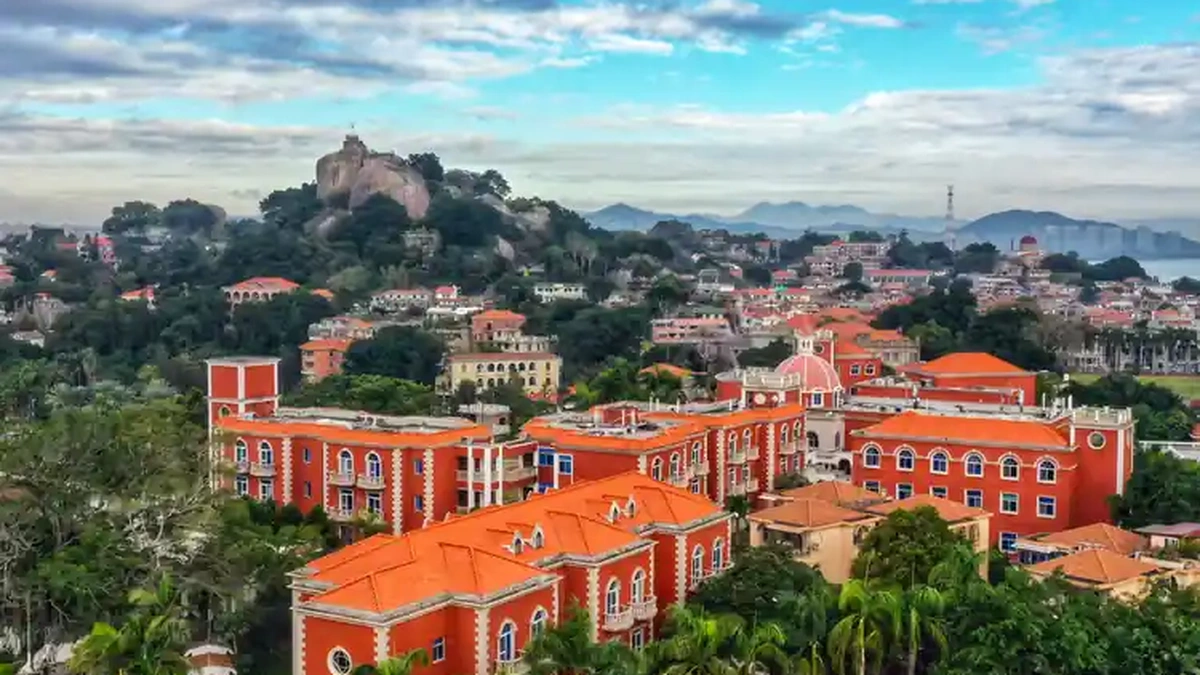
China’s tourism growth story is entering a new phase as cultural cities beyond the traditional Beijing and Shanghai gateways emerge as major destinations for international travellers. Driven by heritage preservation, immersive experiences, digital tourism, upgraded visitor infrastructure and cultural consumption strategies, cities such as Xi’an in Shaanxi Province and Xiamen in Fujian Province are becoming examples of how China is converting historic assets into modern travel products. The shift reflects a wider national strategy to integrate culture and tourism while creating diversified destinations for domestic and overseas visitors.
China’s New Tourism Map Moves Beyond Traditional Gateway Cities
China’s record tourism growth during the 14th Five-Year Plan period (2021–2025) is creating a new opportunity for regional cities to compete on the global travel stage. Instead of concentrating tourism demand only around established international gateways, Chinese destinations are increasingly developing specialised cultural tourism ecosystems built around heritage, museums, local traditions, food culture, performances and technology-driven experiences.
The emerging trend is a move from sightseeing-based tourism towards experience-led travel. Travellers are increasingly seeking destinations where history, lifestyle, entertainment and local identity combine into complete journeys.
This transformation directly supports China’s national cultural tourism direction, which promotes deeper integration between culture and tourism, encouraging cities to develop cultural attractions, tourism products and destination experiences with stronger local identity.
Advertisement
Advertisement
| Tourism transformation trend | Impact on travellers |
|---|---|
| Heritage sites converted into immersive experiences | Longer stays and higher visitor engagement |
| Digital tourism development | More interactive museum and attraction experiences |
| Cultural districts and night tourism | More travel options beyond daytime sightseeing |
| City-based cultural brands | Greater choice beyond traditional tourism gateways |
| MICE and event integration | Growth in business and cultural travel demand |
Xi’an Tourism Growth Shows How Ancient Heritage Is Becoming A Modern Global Product
Xi’an has become one of the strongest examples of China’s cultural tourism transformation. The city is using its position as an ancient capital and Silk Road gateway to develop a tourism model that combines archaeological heritage, museums, performances, technology and commercial experiences.
Advertisement
Advertisement
The city’s tourism strategy focuses on converting historical resources into complete visitor experiences rather than standalone attractions. Government plans highlight the development of cultural tourism industries linked with museums, performances, exhibitions, digital technology, creative industries and international events.
Xi’an’s cultural tourism strategy includes major international tourism assets such as the Qin Shihuangdi Mausoleum and Terracotta Warriors, the Xi’an City Wall, Tang Dynasty cultural experiences and Silk Road heritage connections.
According to Xi’an municipal government information, the city received 327 million tourist visits in 2025, with tourism spending reaching 402.62 billion yuan. International tourism also recorded strong growth, with inbound visitor numbers and spending increasing significantly compared with the previous year.
| Xi’an tourism development area | Traveller opportunity |
|---|---|
| Archaeological tourism | Heritage-focused international travel |
| Museum experiences | Educational and cultural tourism |
| Tang Dynasty themed attractions | Immersive historical journeys |
| Digital tourism technology | VR and interactive experiences |
| Events and exhibitions | Leisure combined with business travel |
The city is also expanding technology-based tourism through XR, digital cultural products and immersive experiences. Official development plans identify artificial intelligence, extended reality and digital cultural industries as important future growth areas for Xi’an’s tourism economy.
Xiamen Tourism Model Highlights Coastal Culture And International Visitor Growth
While Xi’an represents China’s historical tourism strength, Xiamen demonstrates another emerging model: coastal cultural tourism combined with lifestyle experiences.
Advertisement
Advertisement
Located in Fujian Province, Xiamen has developed a destination identity based on island landscapes, maritime culture, historic neighbourhoods and relaxed urban experiences.
The city’s tourism appeal is strongly connected with Gulangyu Island, a UNESCO World Heritage Site recognised for its cultural landscape and historic architecture. The destination represents how China is protecting heritage while integrating it into modern tourism development.
Xiamen reflects the growing demand for slower, experience-focused travel, where visitors explore local communities, architecture, cuisine and cultural traditions rather than only major landmarks.
| Xiamen tourism asset | Strategic travel value |
|---|---|
| Gulangyu heritage area | International cultural tourism attraction |
| Coastal environment | Leisure and wellness tourism |
| Historic neighbourhoods | Authentic local experiences |
| Cultural events | Visitor engagement throughout the year |
| Urban lifestyle tourism | Longer destination stays |
The rise of cities like Xiamen shows how China’s tourism expansion is becoming geographically broader. Regional destinations are increasingly developing independent tourism identities instead of depending only on national gateway cities.
China’s Cultural Tourism Strategy Creates New Opportunities For Global Travel Operators
For international travel companies, the changing tourism landscape creates new opportunities for product development.
Advertisement
Advertisement
Traditional China itineraries have often focused on Beijing, Shanghai, Guangzhou and other major gateways. However, the growth of cultural cities creates possibilities for specialised programmes focused on heritage, gastronomy, museums, festivals, wellness and immersive experiences.
Tour operators can increasingly design multi-city journeys connecting different tourism themes:
| Travel theme | Potential destination combination |
|---|---|
| Ancient civilisation | Xi’an and other historic cities |
| Coastal lifestyle | Xiamen and Fujian cultural routes |
| Digital heritage | Technology-enabled museum experiences |
| Culinary tourism | Regional food-focused itineraries |
| Cultural events | Festival and performance-based travel |
This development also supports China’s wider goal of improving tourism quality, strengthening cultural consumption and creating more balanced tourism growth across regions.
Infrastructure And Experience Upgrades Strengthen Regional Tourism Competitiveness
The next phase of China’s tourism expansion depends not only on attractions but also on visitor infrastructure.
Cities are investing in:
Advertisement
Advertisement
- smart tourism platforms;
- improved visitor services;
- cultural districts;
- upgraded museums;
- transport connections;
- digital interpretation systems;
- integrated commercial and tourism zones.
Xi’an’s development plans specifically highlight the combination of museums, commercial areas, scenic attractions, performances and sports events to create integrated cultural tourism ecosystems.
This approach changes how travellers experience destinations. Instead of visiting one attraction before moving elsewhere, visitors are encouraged to spend more time exploring neighbourhoods, attending performances, experiencing local food and engaging with cultural activities.
Why This Matters For International Tourism Markets
China’s cultural tourism expansion represents a wider global travel trend: travellers are increasingly searching for meaningful experiences connected with history, identity and local communities.
The future competition among destinations will not only depend on famous landmarks. Cities that successfully combine heritage protection, storytelling, technology and hospitality will have stronger opportunities to attract international visitors.
Xi’an and Xiamen demonstrate two different pathways:
Advertisement
Advertisement
- Xi’an uses ancient civilisation and historical depth.
- Xiamen uses coastal culture and lifestyle appeal.
Together, they represent China’s broader transition from a landmark-focused tourism model towards a diversified cultural experience economy.
Operational Takeaways For Travel Agents And Tour Operators
- Develop China itineraries beyond Beijing and Shanghai by including emerging cultural destinations.
- Create specialised packages around heritage, museums, cuisine and immersive experiences.
- Monitor digital tourism developments because technology-based attractions are becoming major visitor drivers.
- Consider longer-stay products combining cultural exploration with leisure activities.
- Build partnerships with regional destination organisations for local experiences.
- Include shoulder-season travel options because cultural destinations can reduce dependence on peak tourism periods.
- Prepare multilingual support and destination education materials for travellers exploring lesser-known Chinese cities.
Long-Term Outlook
China’s cultural tourism transformation signals a broader restructuring of the country’s visitor economy. The next stage of growth is likely to come from cities that can transform heritage resources into complete travel experiences combining culture, technology, hospitality and local identity.
As destinations such as Xi’an and Xiamen strengthen their international positioning, China’s tourism map is expected to become more distributed, giving global travellers more options beyond traditional gateways. The strategic influence of this shift extends beyond China, reflecting a global movement towards experience-driven, culture-led and destination-specific tourism growth.
Advertisement
