
Singapore Changi Airport Outpaces Incheon International, Tokyo Haneda and Hamad International to Be Crowned the World’s Ultimate Airport Shopping Destination With More Than 500 Retail Stores and 274 Dining Venues – A Definitive Update for Luxury Travellers

Updated
Published
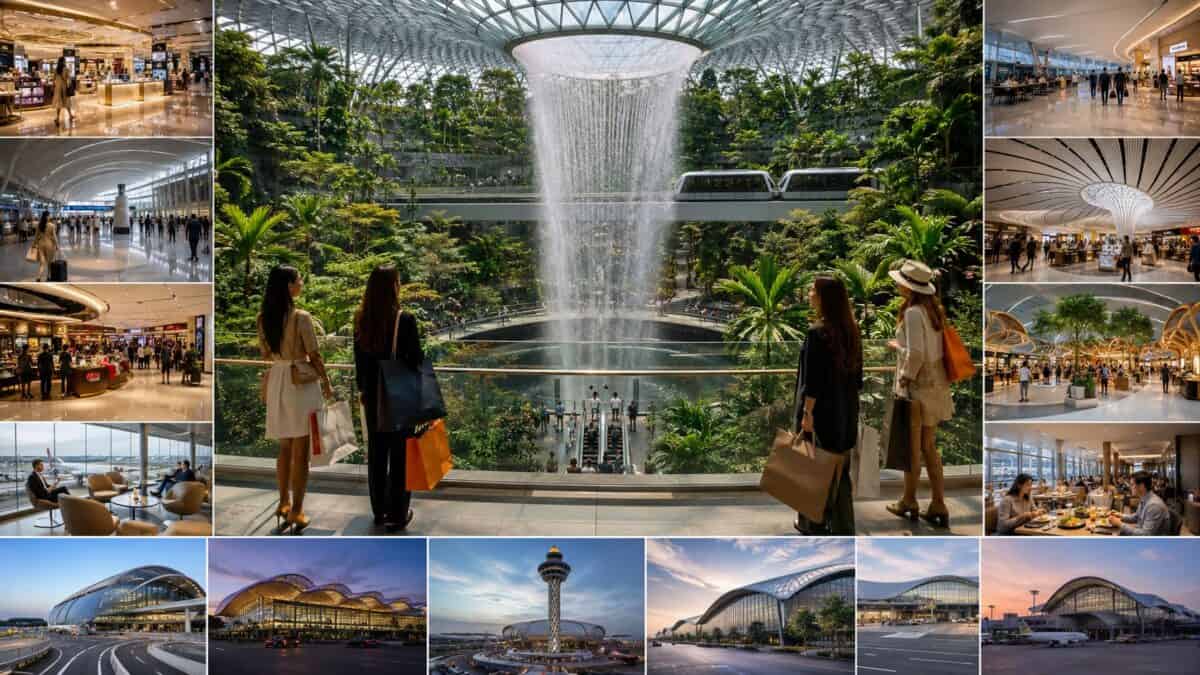
Singapore Changi Airport shopping has once again emerged as the global benchmark for airport retail after a new international study identified the aviation hub as the world’s leading destination for passenger spending beyond flights. With more than 500 retail outlets, 274 restaurants and an estimated US$1.17 billion in annual non-aeronautical revenue, Singapore’s flagship airport has transformed the traditional transit experience into a destination where shopping, dining and entertainment rival those found in major luxury districts. The findings underline how commercial innovation is becoming as important as operational efficiency for airports seeking to attract travellers and strengthen long-term revenue streams.
The latest ranking also highlights the growing dominance of Asia’s aviation hubs in airport retail. South Korea’s Incheon International Airport secured second place, while Japan’s Tokyo Haneda Airport ranked third, reinforcing the region’s reputation for combining premium retail, cultural experiences and world-class passenger facilities. Other airports from Brazil, Malaysia, Türkiye, the Philippines, Thailand, Qatar and Canada also featured among the world’s leading airport shopping destinations, illustrating how airports are increasingly evolving into lifestyle and commercial centres rather than simply transport gateways.
Advertisement
Advertisement
Airport Retail Is Becoming One of Aviation’s Most Valuable Businesses
For decades, airports primarily measured success through passenger numbers, aircraft movements and route networks. Today, however, the commercial side of aviation has become equally significant.
Across the global airport industry, non-aeronautical revenue—generated from retail, food and beverage, duty-free shopping, parking, advertising, lounges and property—accounts for a substantial share of airport earnings. According to industry data published by airport organisations in recent years, commercial activities typically contribute around 40 per cent of total airport income, providing operators with greater financial resilience during fluctuations in airline demand.
Advertisement
Advertisement
This shift has fundamentally changed how airports are designed.
Rather than creating terminals solely for efficient passenger movement, modern airport planners increasingly develop integrated commercial environments where travellers willingly spend several hours shopping, dining or relaxing before boarding their flights.
Advertisement
Advertisement
Few airports embody that philosophy more successfully than Singapore Changi Airport.
Singapore Changi Airport Continues to Set the Global Standard
Singapore’s principal international gateway has spent decades investing in passenger experience alongside aviation infrastructure.
Today, travellers passing through Changi encounter an environment that resembles an upscale shopping destination more than a conventional airport terminal.
Luxury fashion boutiques, internationally recognised electronics retailers, premium watchmakers, beauty brands, local Singaporean designers, bookstores, wellness outlets and lifestyle retailers operate alongside extensive dining precincts representing cuisines from around the world.
Beyond shopping, Changi has carefully integrated leisure attractions into the passenger journey. Indoor gardens, entertainment zones, digital installations, family-friendly facilities and the globally recognised Jewel Changi Airport complex encourage travellers to spend longer within the airport ecosystem, increasing both customer satisfaction and commercial activity.
This integrated approach has helped establish Changi as one of aviation’s strongest examples of destination retail.
Advertisement
Advertisement
According to the latest study, the airport features more than 500 retail stores, approximately 274 food and beverage outlets, and generates roughly US$1.17 billion annually from non-aeronautical activities, placing it comfortably ahead of every other airport included in the analysis.
The breadth of retail is equally notable.
Passengers can purchase luxury brands such as Rolex and Burberry alongside Apple products, Korean beauty brands, international fashion labels, Singapore-themed souvenirs, premium chocolates, books, travel accessories and locally designed lifestyle products, allowing the airport to appeal to both international visitors and transit passengers.
Why Airport Shopping Matters More Than Ever
The commercial transformation of airports reflects broader changes in global travel behaviour.
Long-haul passengers increasingly experience transit times ranging from two to eight hours, creating significant opportunities for airports to generate spending beyond aviation services.
Retail has therefore become a strategic tool rather than simply an ancillary service.
Advertisement
Advertisement
Luxury brands value airports because they attract affluent international consumers.
Restaurants benefit from steady passenger flows throughout the day.
Local retailers gain exposure to millions of overseas visitors.
Meanwhile, airports diversify their income beyond airline fees, helping finance future terminal expansions and infrastructure investments.
For travellers, the result is a considerably richer airport experience.
Rather than waiting at departure gates, passengers increasingly treat airports as destinations where they can shop, enjoy local cuisine, explore cultural displays or purchase premium goods unavailable elsewhere.
Advertisement
Advertisement
This evolution is particularly evident across Asia, where governments and airport operators have invested heavily in integrated passenger experiences over the past two decades.
Global Airport Shopping Rankings at a Glance
| Rank | Airport | Country | Why It Stands Out |
|---|---|---|---|
| 1 | Singapore Changi Airport | Singapore | More than 500 shops, 274 restaurants, world-leading commercial ecosystem |
| 2 | Incheon International Airport | South Korea | Extensive dining, premium retail and strong international transit appeal |
| 3 | Tokyo Haneda Airport | Japan | Efficient terminal retail, Japanese brands and premium passenger services |
| 4 | São Paulo/Guarulhos International Airport | Brazil | Latin America’s largest international retail gateway |
| 5 | Kuala Lumpur International Airport | Malaysia | Strong duty-free shopping and regional lifestyle brands |
| 6 | Istanbul Airport | Türkiye | Expansive luxury retail boulevard serving Europe, Asia and the Middle East |
| 7 | Ninoy Aquino International Airport | Philippines | Growing international retail offering and terminal improvements |
| 8 | Suvarnabhumi Airport | Thailand | Popular duty-free shopping and Thai wellness products |
| 9 | Hamad International Airport | Qatar | Premium luxury boutiques, fine dining and art-led terminal experience |
| 10 | Toronto Pearson International Airport | Canada | Diverse retail mix reflecting North America’s largest international gateway |
Asian Airports Continue to Lead Global Passenger Experiences
The latest rankings reveal a broader trend that extends well beyond shopping alone.
Seven of the world’s ten leading airport shopping destinations are located in Asia or the Middle East, reflecting sustained investment in aviation infrastructure, premium passenger services and commercial innovation.
Rather than viewing terminals merely as transport facilities, these airports have embraced a destination-led philosophy where architecture, hospitality, dining, entertainment and retail collectively shape the travel experience.
This strategy has proved particularly effective for major international hubs that depend heavily on transfer passengers. By creating memorable environments that encourage longer dwell times, airports not only increase passenger satisfaction but also generate stronger commercial returns—an approach that many European and North American airports are now seeking to replicate.
Incheon International Airport Strengthens South Korea’s Position as a Global Retail and Transit Hub
Ranked second, Incheon International Airport continues to demonstrate why it is regarded as one of Asia’s most passenger-friendly airports. Located west of Seoul, the airport serves as a major gateway between North America, Europe and Asia, welcoming tens of millions of international travellers each year.
Advertisement
Advertisement
The airport combines extensive retail with Korean culture, offering luxury fashion, cosmetics, electronics and duty-free shopping. South Korea’s globally recognised beauty industry has become one of Incheon’s biggest commercial attractions, with travellers frequently purchasing skincare and cosmetics before departure.
Dining is another major strength. The airport features more than 200 restaurants, ranging from Korean specialities to international cuisine. Cultural performances, relaxation zones and efficient transfer facilities further encourage passengers to spend more time within the terminals.
Its strong commercial performance reflects South Korea’s broader strategy of positioning Incheon as both an aviation hub and a destination in its own right.
Tokyo Haneda Blends Japanese Hospitality With Efficient Passenger Retail
Tokyo Haneda Airport secured third place by combining operational excellence with a carefully curated retail experience.
Unlike airports focused primarily on luxury brands, Haneda offers travellers an authentic taste of Japan. Passengers can browse traditional confectionery, premium tea, handmade crafts, stationery, electronics, fashion and regional souvenirs alongside international luxury retailers.
The airport’s shopping streets are designed to resemble traditional Japanese marketplaces, creating an atmosphere that reflects local culture rather than a conventional terminal.
Advertisement
Advertisement
Its reputation for punctuality, cleanliness and passenger convenience also contributes to higher visitor satisfaction, encouraging travellers to spend more time exploring retail and dining before boarding.
Latin America, Southeast Asia and the Middle East Expand Their Airport Retail Presence
The remaining airports in the top ten demonstrate how commercial development has become a global priority.
São Paulo/Guarulhos International Airport, Brazil’s busiest aviation gateway, continues to expand premium shopping options for international passengers travelling across South America. Luxury brands, Brazilian products, international fashion and extensive duty-free outlets have strengthened its commercial appeal.
Kuala Lumpur International Airport (KLIA) has become one of Southeast Asia’s strongest retail performers through a mix of international brands and Malaysian retailers. Travellers can shop for fashion, electronics, chocolates, local handicrafts and beauty products while enjoying one of the region’s largest duty-free offerings.
Istanbul Airport, one of the world’s newest mega-hubs, has rapidly established itself as a luxury shopping destination connecting Europe, Asia and Africa. Its expansive retail boulevard features international fashion houses, jewellery, Turkish confectionery, premium leather goods and local artisan products, making shopping an integral part of the passenger journey.
Growing Commercial Ecosystems Define Modern Airports
The rankings also highlight airports that continue investing in passenger amenities despite operating in highly competitive markets.
Advertisement
Advertisement
Ninoy Aquino International Airport in Manila has steadily expanded its retail and food offerings while undergoing broader terminal modernisation. International brands now sit alongside Filipino retailers, giving passengers more opportunities to experience local products before departure.
Suvarnabhumi Airport in Bangkok remains a favourite among international tourists, particularly for Thai wellness products, herbal cosmetics, silk, handicrafts and premium duty-free shopping. The airport’s strong tourism links naturally support high levels of passenger spending throughout the year.
Hamad International Airport in Doha has built its commercial identity around luxury. High-end fashion boutiques, fine dining, premium lounges and internationally recognised public art create an environment that appeals to premium travellers and long-haul transit passengers alike.
Completing the top ten is Toronto Pearson International Airport, Canada’s busiest airport. Its retail mix reflects both international brands and Canadian businesses, allowing visitors to purchase local gourmet products, fashion, gifts and travel essentials before departing.
Why Non-Aeronautical Revenue Has Become Essential
Airports today are no longer dependent solely on airline landing fees and passenger charges.
Commercial income generated from retail, restaurants, parking, advertising, airport hotels, lounges and real estate has become an increasingly important financial pillar. For many large international airports, these activities account for roughly 40 per cent of total revenue, helping operators reduce dependence on airline operations.
Advertisement
Advertisement
This diversified model proved particularly valuable during the pandemic when passenger traffic collapsed but airports continued investing in commercial redevelopment to prepare for recovery.
As global travel continues to grow, airport operators are placing greater emphasis on creating spaces where passengers choose to spend time rather than simply wait for flights.
What This Means for Travellers
For passengers, the rise of airport retail delivers benefits beyond shopping.
Larger dining selections provide greater choice during long layovers. Expanded convenience stores make it easier to purchase travel essentials. Luxury boutiques allow international travellers to access tax-free shopping, while local retailers introduce visitors to regional products without leaving the airport.
Many leading airports also combine retail with wellness facilities, gardens, museums, family entertainment, business lounges and digital services, making transit considerably more enjoyable.
Travellers planning extended stopovers should also research airport attractions before departure. Airports such as Singapore Changi, Incheon and Hamad offer enough experiences to fill several hours without leaving the terminal.
Advertisement
Advertisement
Comparison of Leading Airport Shopping Hubs
| Airport | Retail Focus | Signature Experience | Best For |
|---|---|---|---|
| Singapore Changi | Lifestyle and luxury | Jewel, indoor gardens, entertainment | Long layovers |
| Incheon International | Beauty and duty free | Korean cosmetics and cultural experiences | Transit passengers |
| Tokyo Haneda | Japanese lifestyle | Traditional gifts and regional food | Authentic local shopping |
| Kuala Lumpur International | Duty free | Malaysian products | Value shopping |
| Istanbul | Luxury retail | International fashion and Turkish goods | Premium travellers |
| Hamad International | Luxury lifestyle | Designer boutiques and public art | High-end shopping |
The Next Chapter of Airport Retail
The latest rankings underline a clear shift in the aviation industry. Airports are increasingly competing not only on connectivity and operational efficiency but also on the quality of the overall passenger experience.
Investment is now extending beyond additional gates and longer runways to include digital retail, automated payment systems, immersive entertainment, sustainability initiatives and curated shopping districts.
Singapore Changi remains the benchmark, yet competition is intensifying. Airports across Asia, the Middle East and other global regions are investing heavily in commercial innovation as they seek to attract international travellers, increase passenger satisfaction and strengthen long-term revenue.
For travellers, that means future journeys are likely to begin long before boarding the aircraft. The airport itself is becoming an integral part of the travel experience, offering opportunities to shop, dine, relax and discover local culture in ways that were once unimaginable.
Frequently Asked Questions (FAQs)
1. Which airport has been ranked the world’s best for shopping in 2026?
Singapore Changi Airport has been ranked the world’s best airport for shopping in 2026, leading a global study thanks to its more than 500 retail stores, 274 restaurants and an estimated US$1.17 billion in annual non-aeronautical revenue.
2. Why is Singapore Changi Airport considered the best airport for shopping?
Singapore Changi Airport offers one of the world’s largest airport retail ecosystems, combining luxury boutiques, duty-free shopping, international brands, local Singaporean retailers, diverse dining options and attractions such as Jewel Changi Airport, making it a destination beyond air travel.
Advertisement
Advertisement
3. Which airports ranked among the world’s top 10 shopping destinations?
The top 10 airports are:
- Singapore Changi Airport (Singapore)
- Incheon International Airport (South Korea)
- Tokyo Haneda Airport (Japan)
- São Paulo/Guarulhos International Airport (Brazil)
- Kuala Lumpur International Airport (Malaysia)
- Istanbul Airport (Türkiye)
- Ninoy Aquino International Airport (Philippines)
- Suvarnabhumi Airport (Thailand)
- Hamad International Airport (Qatar)
- Toronto Pearson International Airport (Canada)
4. What is non-aeronautical revenue at an airport?
Non-aeronautical revenue refers to income generated from activities other than aircraft operations, including retail stores, restaurants, duty-free shopping, parking, advertising, airport lounges, hotels and property leasing. It has become a major source of revenue for airports worldwide.
5. How many shops and restaurants are available at Singapore Changi Airport?
According to the study, Singapore Changi Airport features more than 500 retail outlets and 274 restaurants and food outlets, making it one of the largest airport shopping and dining destinations globally.
6. Which airport ranked second in the global airport shopping study?
Incheon International Airport in South Korea secured second place, recognised for its extensive duty-free shopping, Korean beauty brands, premium dining options and strong international transit facilities.
7. Why are Asian airports dominating global airport shopping rankings?
Asian airports have invested heavily in modern terminals, luxury retail, passenger entertainment, digital technology and premium dining. Many also serve as major international transit hubs, encouraging longer dwell times and higher passenger spending.
8. What types of products can travellers buy at the world’s leading airport shopping hubs?
Travellers can purchase luxury fashion, watches, jewellery, cosmetics, electronics, designer accessories, local handicrafts, gourmet food, travel essentials, premium chocolates, beauty products and destination-specific souvenirs, often at duty-free prices.
Advertisement
