
Vietnam Unveils Tourism Revolution With Three Growth Poles Driving Massive 2030 Expansion and Smart Travel Goals

Published
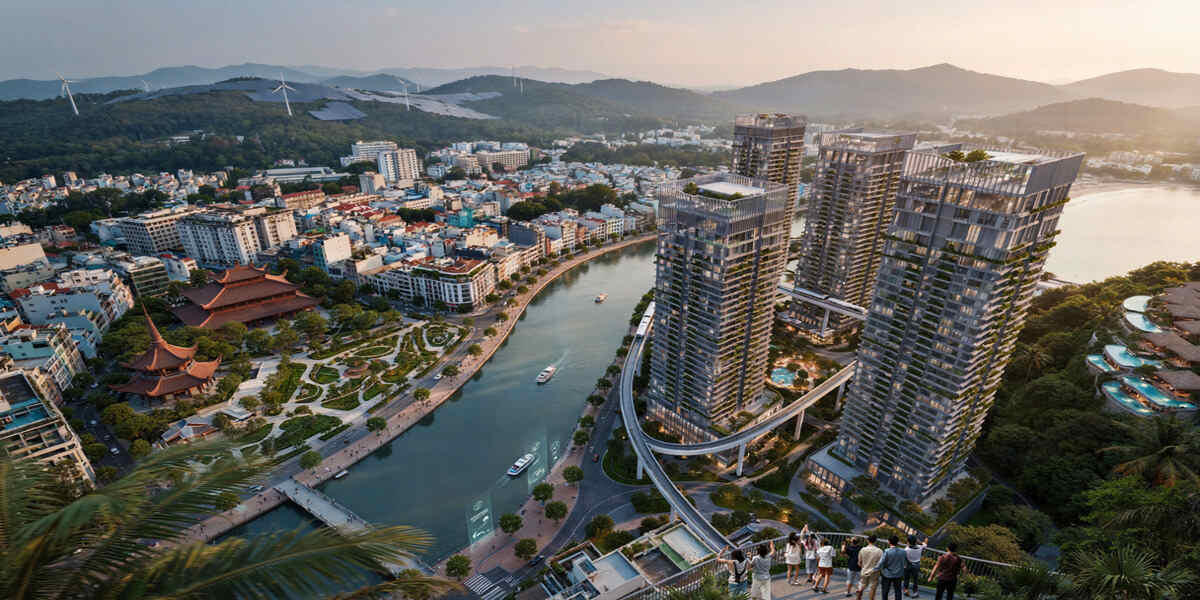
Image generated with Ai
Vietnam has been developing its tourism industry into an economic powerhouse through ambitious targets and visions for the year 2030 and beyond. Its new tourism strategy has set out to achieve the attraction of more visitors to the country, increase the contribution of the tourism industry towards the GDP and enhance smart travel as well as value-added tourist experiences. However With the set targets of international visitor numbers, domestic tourists, revenue generation and green development among others, Vietnam has been shifting from the conventional approach of tourism development.
However Vietnam is preparing for a historic tourism transformation as the country launches an ambitious roadmap to make travel a leading economic force. Because The new direction focuses on higher-value tourism, stronger visitor spending, digital innovation, green growth and world-class experiences.
Advertisement
Advertisement
Because The strategy aims to move Vietnam beyond traditional tourism growth based only on visitor numbers. Instead, the country will build a modern tourism ecosystem where culture, technology, sustainability and quality services create long-term economic value.
Vietnam Tourism Sets Massive 2030 Growth Targets
However Vietnam has identified tourism as a key economic pillar and a major driver of future growth. Because By 2030, the country wants tourism to become a true spearhead sector that contributes directly to national economic development.
Advertisement
Advertisement
However The country has set a major target of attracting 45–50 million international visitors and 160 million domestic tourists by 2030. The focus will not only be on bringing more travellers but also on attracting visitors who stay longer and spend more.
Advertisement
Advertisement
Since Tourism revenue is expected to reach US$80–90 billion by 2030, showing Vietnam’s plan to build a stronger, higher-value visitor economy. The sector is also expected to contribute 10–12% directly to GDP.
Vietnam Tourism Numeric Roadmap: 2026, 2030 Targets and 2045 Vision
| Year | International Visitors | Domestic Tourists | Tourism Revenue | GDP Contribution | Key Development Goals |
|---|---|---|---|---|---|
| 2026 | 22–23 million | 130–135 million | VND900–980 trillion (around US$34.2–37.2 billion) | Growth phase towards higher contribution | Strengthening recovery, expanding tourism capacity and improving competitiveness |
| 2030 Target | 45–50 million | 160 million | US$80–90 billion | 10–12% of GDP | Tourism becomes a spearhead sector, with smart tourism ecosystem and global tourism brands |
| 2045 Vision | 70 million | — | Higher-value tourism economy | 14–15% of GDP | Vietnam becomes a modern, sustainable tourism power with global competitiveness |
Hanoi, Ho Chi Minh City and Da Nang Become Tourism Power Engines
However Vietnam plans to create three major tourism growth poles to lead the country’s next tourism expansion.
The three key tourism centres will be:
Advertisement
Advertisement
- Hanoi – the cultural and heritage gateway of northern Vietnam
- Ho Chi Minh City – the economic and international tourism hub of the south
- Da Nang – the central tourism powerhouse connecting beaches, culture and modern experiences
Because Alongside these three growth poles, Vietnam will develop 10 key tourism hubs, 20 national tourism zones and 15 globally competitive tourism enterprises by 2030.
These destinations will support different tourism segments, including cultural tourism, coastal tourism, luxury tourism, wellness tourism, eco-tourism and business travel.
Advertisement
Advertisement
Tourism Infrastructure Expansion to Support Millions of Travellers
To handle rising visitor demand, Vietnam aims to expand its tourism infrastructure significantly.
By 2030, the country plans to provide approximately 1.5 million accommodation rooms across hotels, resorts and other lodging facilities.
The expansion will support international arrivals while improving service quality and creating better travel experiences.
The tourism sector is also expected to generate:
- 2.3 million direct jobs
- 3.5 million indirect jobs
This means tourism could support around 5.8 million employment opportunities across hospitality, transport, retail, food services and related industries.
Advertisement
Advertisement
Smart Tourism Becomes the Heart of Vietnam’s Future Travel Strategy
Digital transformation will become one of the strongest pillars of Vietnam’s tourism development plan.
The country aims to establish:
- A complete smart tourism ecosystem
- A national tourism database
- A national digital tourism platform
Technology will help Vietnam improve destination management, understand visitor behaviour and provide more personalised travel experiences.
Digital tools will support online tourism services, intelligent marketing, data-based planning and better connections between travellers and tourism businesses.
The move shows Vietnam’s ambition to compete with leading global destinations through innovation rather than relying only on natural attractions.
Advertisement
Advertisement
Vietnam Shifts From Mass Tourism to High Quality Experiences
A major change in Vietnam’s tourism strategy is the move away from quantity-driven growth.
Instead of focusing only on increasing visitor numbers, the country will prioritise:
- Higher visitor spending
- Longer stays
- Better tourism products
- Premium experiences
- Stronger international brands
Culture will remain the foundation of Vietnam’s tourism identity. The country plans to use its heritage, traditions and local experiences as major competitive advantages.
This approach aims to create meaningful journeys where visitors experience Vietnam’s history, nature, food and communities.
Green Growth Becomes a Major Tourism Priority
Vietnam’s future tourism model will focus strongly on sustainability.
Advertisement
Advertisement
The country plans to develop tourism that protects natural resources while creating economic benefits for communities.
Green tourism development will include:
- Environment-friendly tourism services
- Sustainable destination management
- Responsible resource use
- Innovation-based tourism operations
The strategy connects tourism growth with environmental protection, cultural preservation and social development.
Vietnam also aims to build tourism as part of a wider economic ecosystem connected with aviation, transport, agriculture, creative industries, digital economy and the night-time economy.
Vietnam Targets Global Tourism Leadership by 2045
Looking towards 2045, Vietnam wants to establish itself as one of the world’s most competitive tourism destinations.
Advertisement
Advertisement
The long-term vision includes:
- 70 million international visitors
- 14–15% direct GDP contribution
- A position among the world’s top 30 tourism competitiveness markets
The future tourism model will be based on science, technology, innovation and digital transformation. Vietnam wants tourism to become a powerful economic ecosystem that supports trade, culture, transport, creative industries and international integration.
Vietnam is reshaping its tourism future with bold 2030 targets and a 2045 vision to become a global travel powerhouse through smart, sustainable and high-value tourism growth. The strategy focuses on attracting more visitors, increasing economic contribution and creating world-class travel experiences.
Vietnam’s tourism roadmap shows a clear ambition to build a stronger, smarter and more sustainable travel economy for the future. By combining digital innovation, cultural strengths, green development and higher-quality experiences, the country aims to move beyond visitor growth alone and create greater long-term value. With its 2030 targets and 2045 vision, Vietnam is positioning tourism as a major force that can support jobs, businesses, communities and the wider national economy while strengthening its place on the global tourism map.
Advertisement
