
Why This Massive International Transit Collapse In Paraguay Stunned The Entire Tourism Industry Across South America

Published
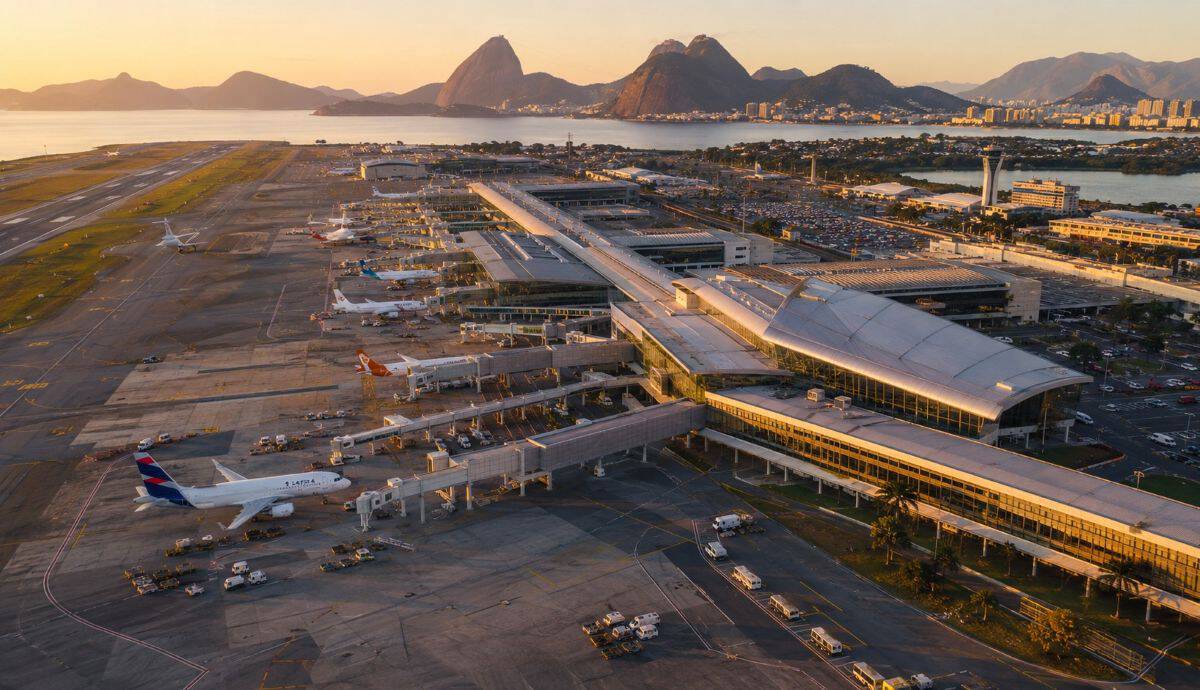
Image generated with Ai
The silence in Ciudad del Este is now more heart-wrenching than the disorder that previously inhabited the area. Trade in Paraguayan towns was once a beautiful symphony of squabbles. Now the empty anticipation in the lack of confidence of merchants is even more apparent as they wait for the return of their customers. It is tragic to see that the side-effects of these events will first be experienced by local merchants and their families. What is deemed a negative in a spreadsheet is actually the loss of commerce. It is also sad how much the rapid flow of trade sustains the members of the merchant families and actually sustains the communities where they reside.
What Is Driving The Shocking Drop In Cross-Border Trips To Major Metropolitan Cities In Paraguay?
Paraguay’s cross-border dynamics are heavily defined by shopping tourism, known locally as turismo de compras, and short-term excursionists entering and leaving without an overnight stay. Official data from the Instituto Nacional de Estadística (INE) indicates that roughly 76% of all inbound excursionists cross Paraguay’s borders primarily for commercial and retail shopping purposes.
While post-pandemic adjustments showed periodic surges and cyclical drops tied to regional currency fluctuations and consumer confidence dips, the structural health of these trips directly maps onto specific metropolitan border hubs. Consequently, sudden economic shifts dictate whether bustling thoroughfares overflow with bargain hunters or experience dramatic lulls across the nation’s most critical international gateways.
Advertisement
Advertisement
Why Are Major Metropolitan Border Cities And Commercial Hubs Experiencing Sudden Travel Shifts In Ciudad Del Este And Asunción?
Advertisement
Advertisement
Cross-border traffic converges primarily on four designated urban nodes governed by the National Directorate of Tax Revenue (DNIT) and tracked via Central Bank of Paraguay (Banco Central del Paraguay – BCP) external sector statistics. Ciudad del Este, located in the Alto Paraná department, stands out as the primary commercial powerhouse, accounting for nearly two-thirds (624 registered firms) of Paraguay’s specialized Tourism Regime (Régimen de Turismo). Cross-border foot and vehicular traffic connects this metropolis directly to Foz do Iguaçu in Brazil, creating a massive exchange of retail goods and international visitors. Meanwhile, Asunción, the Capital District, functions as the secondary formal hub with 165 registered tourism-regime companies, capturing high-value procurement, business travelers, and executive cross-border transit.
Further south, Encarnación in the Itapúa department is directly linked across the Paraná River to Posadas in Argentina, where cross-border trips face high volatility driven directly by Argentine fiscal policies, exchange rate parities, and local purchasing power shifts. This vibrant southern hub features 58 registered retail tourism firms that continuously adapt to unpredictable cross-border consumer trends. Additionally, Pedro Juan Caballero in the Amambay department shares an urban dry border with Ponta Porã in Brazil, serving as a major retail magnet with 49 registered specialized commercial firms heavily reliant on Brazilian consumer confidence. While these metropolitan centers traditionally thrive on relentless commercial energy, recent drops in cross-border mobility have exposed their underlying economic vulnerabilities because heavy reliance on short-term shoppers means that external macroeconomic shocks translate instantly into a contraction for local merchants.
How Do Key Economic And Structural Drivers Shape These Retail Tourism Fluctuations Across Encarnación And Pedro Juan Caballero?
Official reporting from the Banco Central del Paraguay (BCP) highlights that contractions in cross-border travel to these metropolitan zones are typically dictated by severe exchange rate volatility and shifting regional competitiveness. Cross-border trips drop sharply when local currencies in neighboring countries devalue against the US Dollar or the Paraguayan Guaraní, sharply reducing the purchasing power of foreign excursionists.
Furthermore, the periodic implementation of duty-free zones or tax adjustments in neighboring Brazilian and Argentine municipalities heavily alter the cost-benefit ratio of crossing into Paraguay for bargain retail goods. At the same time, fiscal and customs controls play a decisive role in regulating the daily volume of cross-border visitors arriving at these metropolitan border points. Tightening cota de turismo baggage allowances and crossing quotas imposed by neighboring authorities historically trigger immediate contractions in daily cross-border transit, as everyday shoppers hesitate to make the journey when customs agencies ramp up inspections or lower tax-free thresholds.
Advertisement
Advertisement
How Do Infrastructure Bottlenecks And Bridge Crossings Amplify The Drop In Cross-Border Footfall Between Ciudad Del Este And Foz Do Iguaçu?
Physical transit choke points heavily dictate the daily volume of shopping tourism moving between Ciudad del Este and its neighboring municipality of Foz do Iguaçu in Brazil. The Friendship Bridge (Puente de la Amistad) functions as the core logistical artery for thousands of daily commuters and bargain hunters, meaning that any sudden vehicular congestion or security tightening immediately depresses cross-border trips. Whenever border authorities introduce rigorous screening measures or when regional infrastructure upgrades stall, short-term excursionists routinely choose to stay home rather than face exhausting hours of traffic delays. Consequently, urban retail districts suffer instant revenue contractions because their entire commercial survival depends upon completely frictionless and rapid border transit. Modern logistical hurdles compound these vulnerabilities, ensuring that transit friction acts as an invisible tax on everyday retail mobility across the international boundary.
In What Ways Do Municipal Tax Regimes And Specialized Trade Frameworks Influence Retail Resilience In Asunción And Alto Paraná?
The complex regulatory architecture managed by the National Directorate of Tax Revenue (DNIT) establishes a distinct operational framework for commercial entities registered beneath the Régimen de Turismo. Major retail powerhouses situated throughout Asunción and the Alto Paraná department depend heavily upon these specialized tax exemptions to preserve highly competitive pricing structures on imported electronics, luxury items, and cosmetics. Nevertheless, whenever regional trade agreements or national fiscal reforms experience unexpected shifts, the operational profit margins of these registered corporations narrow drastically. This inherent legal and fiscal vulnerability compels local merchants to continuously reinvent their supply chains simply to retain their appeal to foreign shoppers. Regulatory compliance costs furthermore challenge small-scale traders, reshaping the structural composition of Paraguay’s primary commercial marketplaces.
To What Extent Do Exchange Rate Parities Between The Paraguayan Guaraní, Argentine Peso, And Brazilian Real Dictate Excursionist Flows In Encarnación And Pedro Juan Caballero?
Advertisement
Advertisement
Currency fluctuations remain the most volatile macroeconomic catalyst driving sudden shifts in retail mobility across southern and northeastern frontier urban centers like Encarnación and Pedro Juan Caballero. When neighboring legal tenders devalue sharply against either the US Dollar or the Paraguayan Guaraní, the effective purchasing power of visiting Brazilian and Argentine consumers evaporates almost overnight. This severe financial squeeze successfully deters casual day-trippers from traversing the international line, directly undermining the commercial stability of urban zones connected to Posadas and Ponta Porã. Local shopkeepers find themselves completely powerless against these rapid currency swings, which routinely paralyze retail activity during prolonged periods of high regional inflation. Economic unpredictability across these boundaries turns once-vibrant marketplaces into quiet zones with little warning.
What Role Do Changing Customs Quotas And Cota De Turismo Limits Play In Suppressing Short-Term Shopping Excursions?
Strict regulatory caps placed on duty-free imports frequently tracked through specific cota de turismo thresholds enforced by neighboring governments act as an artificial ceiling on overall cross-border retail volumes. When foreign customs agencies lower the tax-free merchandise allowance for returning travelers, everyday shoppers immediately scale back their bulk acquisitions within Paraguayan border markets. This administrative tightening cultivates an atmosphere of deep caution among excursionists who genuinely fear heavy tariffs or merchandise confiscation at international inspection checkpoints. Consequently, the psychological barrier created by aggressive customs enforcement successfully redirects regional consumer habits away from traditional commercial corridors. Heightened inspection levels serve as a powerful deterrent against the high-volume retail trading that historically defined these border zones.
How Is The Broader Hospitality And Employment Ecosystem Adapting To The Structural Decline In Same-Day Border Visitors?
The widespread ripple effects originating from fluctuating cross-border foot traffic penetrate deeply into the hospitality, hotel occupancy, and employment sectors of major metropolitan border destinations. Because a massive share of inbound travelers traditionally comprises same-day excursionists rather than overnight guests, local hotels and service providers experience acute revenue shortfalls during phases of suppressed mobility. Municipal leaders across these commercial corridors are increasingly compelled to diversify their overall tourism strategies actively promoting cultural heritage circuits, corporate business conventions, and domestic travel to offset heavy economic risks tied entirely to retail shopping tourism. Service sector employers must navigate these cyclical downturns by implementing highly flexible staffing models alongside targeted local marketing campaigns.
Advertisement
Advertisement
The Final Verdict
Thinking back to the empty streets and shuttered businesses in Ciudad del Este and Encarnación brings sadness for the people stuck in the situation. Empty streets and vacant shops do not reflect the planned nature of this system, but rather represent homes built upon the hard work of families. The border closures, currency crashes, and bridge blockages should not be prioritized over the everyday people who go to buy and sell goods across the borders. The interruptions leave the curtains closed and no activity in the stores. It leaves merchants worried sick about how they will survive the lull and the loss of customers. The resilient spirit of the merchants and border residents is deep and they are hopeful that the crowd will return to their shops and cross the borders. It is with deep hopefulness that they wait for the border crossings to reopen and the free travel to resume.
Frequently Asked Questions
- What is the primary driver of cross-border travel in Paraguay?
Cross-border travel in Paraguay is predominantly driven by shopping tourism (turismo de compras), with official INE data showing that roughly 76% of inbound excursionists visit specifically for commercial retail purposes.
- Which cities handle the majority of Paraguay’s retail tourism?
The main commercial hubs are Ciudad del Este, Asunción, Encarnación, and Pedro Juan Caballero, each regulated by the National Directorate of Tax Revenue (DNIT).
- Why do cross-border trips experience sudden drops?
Trips frequently drop due to exchange rate volatility, changes in neighboring fiscal policies, and stricter customs quotas that reduce the purchasing power of foreign visitors.
Advertisement
