
Washington County Economic Engine Magic That Is Proving Small Town Travel Can Conquer The World

Published
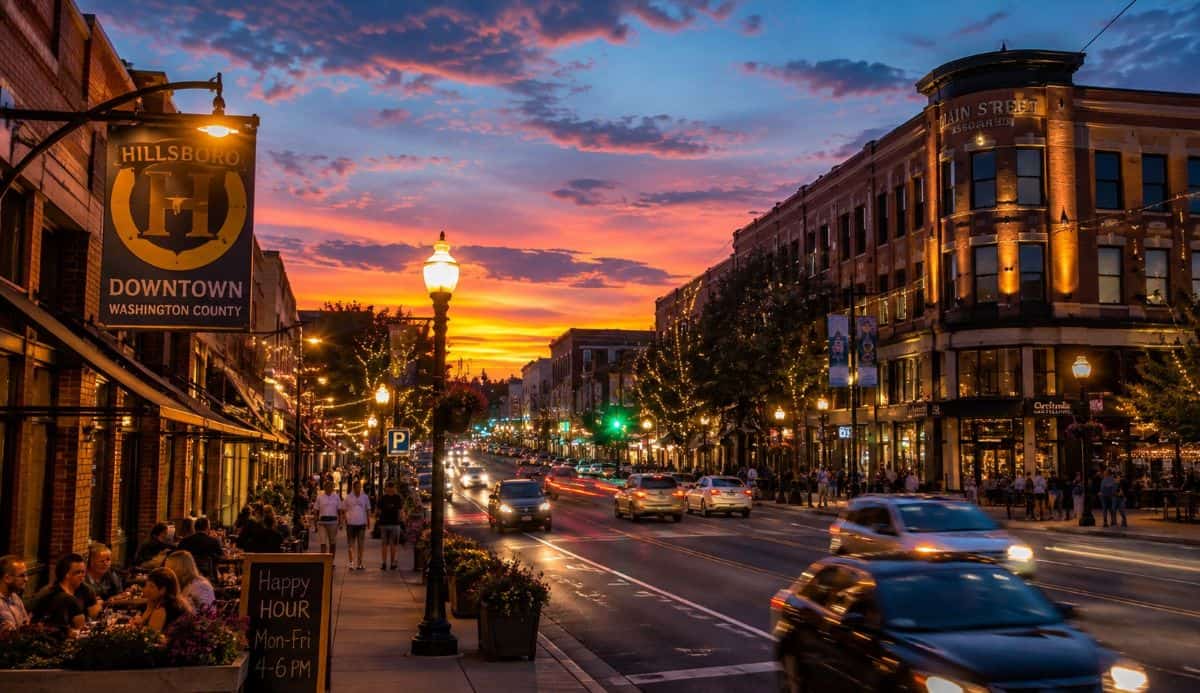
Image generated with Ai
Have you ever stumbled upon a hidden gem? Well, there’s going to be another opportunity for all of us! Washington County, Pennsylvania, has some pretty hills, and, believe you me, it is very unique. There are brick streets, old fashioned candy shops, and artisan crafters. It makes for a picturesque get away. But did you know it is a popular vacation destination? Also, it will change the way we perceive travel. Washington County attracts commerce that maintains about 8,600 jobs and about 8 billion of dollars of trade and has an overwhelmingly positive effect on the nearby communities. Travel is not only about taking pictures. Travel can capture the spirit of adventure. The way the East and West communities of Washington and Canonsburg have been built is quite unique. You have what is known as the five great cities. Have a look.
How Does Macroeconomic Performance And Visitor Spending Drive The Phenomenal Growth Across Washington County?
Advertisement
Advertisement
Tourism metrics illustrate a high-performing visitor economy characterized by robust multi-night stays and wide-scale employment support across the region. Direct visitor spending reaches approximately $764.9 million annually across the county, creating an unstoppable financial wave for local vendors. This heavy monetary influx directly sustains over 8,600 jobs directly within the hospitality, retail, and service sectors, securing employment stability for thousands of families. Labor income concurrently generates roughly $429.5 million in total earnings for local workers and households who keep the regional cogs turning smoothly. Trip volume proudly records more than 1.6 million total trips annually, featuring over 964,000 overnight trips where visitors average a reliable three-day length of stay.
These stellar economic benchmarks highlight the profound impact of travel and tourism, proving that leisure exploration is much more than temporary fun. Visitors actively inject necessary capital that trickles down into every corner of the commercial ecosystem, raising local living standards significantly. Because travelers continually demand lodging, dining, and unique recreational goods, local enterprises experience stable, year-round revenue streams. Strategic policy decisions guided by precise governmental tracking ensure this economic momentum continues to expand without compromising the region’s charm.
Advertisement
Advertisement
Why Is The Historic City Of Washington Serving As The Ultimate Administrative And Cultural Anchor?
Advertisement
Advertisement
The City of Washington serves as a vital historical and administrative anchor for the entire county, drawing curious explorers eager for authentic heritage. Strategic investments in locations like the Main Street Pavilion via WCTPA grants actively stimulate local events, vibrant farmers’ markets, and bustling foot traffic. These targeted public improvements directly benefit downtown independent merchants who rely on steady consumer exposure to market their bespoke goods. Historic brick storefronts stand shoulder-to-shoulder with modern cafes, creating a pedestrian-friendly environment that encourages travelers to linger longer and spend more.
Municipal leadership has meticulously preserved local architectural landmarks while updating public infrastructure to accommodate modern visitor demands seamlessly. Independent retail shop owners report noticeable revenue surges during community-driven festival weekends, driven by effective regional marketing initiatives. Visitors strolling down the paved avenues frequently discover hidden culinary treasures and artisan boutiques that cannot be found anywhere else. This urban core proves that honoring historical roots while embracing forward-thinking tourism investments guarantees long-term economic vitality.
How Does The Borough Of Canonsburg Leverage Cultural Assets And Confectionery Tourism To Draw Crowds?
The Borough of Canonsburg is universally renowned for its rich cultural assets, deep heritage tourism, and beloved local culinary landmarks like Sarris Candies. Canonsburg cleverly leverages regional marketing grants to draw eager tourists far outside standard commuting zones, driving impressive retail sales. Sweet-toothed travelers flock from neighboring states just to experience legendary confectionery shops, which subsequently drives immense cross-traffic to nearby diners and gift shops. This niche market positioning transforms a simple afternoon stopover into a high-yield retail shopping adventure for families.
Local officials work hand-in-hand with cultural organizations to host vibrant community celebrations that honor the borough’s storied multi-ethnic heritage and musical legends. Visitors immerse themselves in community-wide events that celebrate local history, filling local hotels and bed-and-breakfasts to capacity during peak travel seasons. Confectionery tourism acts as an economic multiplier, ensuring that retail cash registers ring consistently throughout the calendar year. Canonsburg stands out as a prime example of how sweet traditions and smart marketing forge an unbreakable bond with modern tourists.
Advertisement
Advertisement
What Makes Monongahela And The Mon Valley Corridor A Haven For Riverfront Recreation And Heritage?
Monongahela located along the dynamic Mon Valley Corridor, relies heavily on heritage tourism, stunning riverfront recreation, and robust Main Street revitalization programs. Tourism funding channelled into this distinct pocket focuses heavily on community development and historical preservation to sustain vulnerable small businesses. Visitors frequently gather at the historic Monongahela Aquatorium to enjoy premier outdoor concerts and regional water events that inject massive weekend crowds into local diners. This river-centric approach capitalizes on natural geographic beauty to attract outdoor enthusiasts seeking authentic Appalachian scenery.
Revitalization efforts have successfully breathed new life into old commercial spaces, transforming vacant structures into thriving antique shops and artisan studios. Local business owners credit targeted state grants and regional promotional campaigns with helping them weather economic fluctuations and attract fresh clientele. As travelers seek out less crowded, highly scenic alternative destinations, Monongahela delivers an enriching mix of outdoor adventure and historic discovery. Riverfront enhancements continue to draw boaters, cyclists, and weekend explorers who deeply value genuine local hospitality.
How Does The Racetrack Road Corridor And North Strabane Area Capture Lucrative Business And Sports Tourists?
The Racetrack Road Corridor / North Strabane Area represents a high-density commercial, gaming, and entertainment hub that commands substantial visitor volume. Ongoing commercial developments including proposed mid-sized convention and entertainment venues projected to yield tens of millions in economic output focus intensely on capturing lucrative travelers. This bustling corridor seamlessly caters to business travelers, sports tourists, and overnight conference attendees who demand top-tier amenities and seamless highway access. Major regional attractions like The Hollywood Casino at the Meadows anchor this entertainment district, guaranteeing a steady stream of high-spending visitors.
Advertisement
Advertisement
The synergy between large-scale entertainment facilities and local hospitality providers creates an economic powerhouse that fuels job growth across northern Washington County. Sports tournaments held at local multi-purpose complexes fill regional lodging properties to maximum capacity, lifting revenues for surrounding restaurants and retail centers. Planners continuously upgrade local infrastructure to ensure smooth traffic flow and high-speed digital connectivity for corporate events and leisure guests alike. North Strabane proves that high-density commercial tourism can coexist harmoniously with community-focused economic development.
Why Are Historic Rural Boroughs And Agritourism Hubs Transforming Regional Agricultural Assets?
Historic rural boroughs and famed agritourism hubs, such as the Trax Farm Market region, brilliantly emphasize immersive agritourism and seasonal heritage events. These vibrant rural zones convert traditional regional agricultural assets into high-yield visitor experiences, successfully bridging rural preservation with commercial foot traffic. Families drive from urban centers to pick seasonal produce, navigate intricate autumn corn mazes, and purchase handmade goods straight from local growers. This direct-to-consumer model ensures that multi-generational family farms remain financially viable in a changing modern economy.
Agritourism operators utilize targeted state grants to expand parking facilities, build educational agricultural pavilions, and host bustling weekend fall festivals. Visitors leave with boxes of fresh produce and lasting memories, having directly supported the agrarian families who shape the county’s scenic landscape. Rural boroughs also benefit from nearby trail networks like the Panhandle Trail in Burgettstown Borough and the Montour Trail, which draw hikers and cyclists to country stores. This harmonious blend of farming and leisure travel safeguards open green spaces while keeping rural micro-economies flourishing.
How Do Strategic Grant Programmes And Digital Co-Ops Systematically Channel Revenues Back Into Small Businesses?
Advertisement
Advertisement
Washington County municipalities systematically channel tourism revenues back into the small business ecosystem using targeted structural mechanisms designed for maximum equity. Grant and sponsorship programs, funded via local hotel room occupancy taxes, have distributed millions of dollars, including allocations nearing $675,000+ in recent cycles directly to local non-profits and small for-profit businesses. Furthermore, the American Spirit Grant Program distributes over $1.6 million across all 66 municipalities to prepare local infrastructure and attractions for national historic milestones. These monetary injections directly empower community-level small businesses to upgrade storefronts, hire additional staff, and expand product lines.
Digital co-op initiatives pairing local enterprises with regional content creators generate extensive social media engagement, yielding millions of views across platforms like TikTok and Instagram. This modern promotional strategy drives consumer traffic straight to boutique retail shops, local eateries, and family-owned attractions without requiring massive corporate advertising budgets. Small business owners who lack traditional marketing departments suddenly find themselves showcased to millions of regional travelers actively seeking unique weekend adventures. By combining hard cash grants with cutting-edge digital visibility, Washington County ensures its independent business community remains remarkably resilient.
How Is Washington County Successfully Redefining Modern Tourism Metrics Beyond Raw Headcounts?
Washington County has shifted its metrics of “success” away from raw headcounts toward holistic community well-being and sustainable economic vitality. As emphasized by regional tourism leadership, true success is evaluated by how well tourism drives infrastructure improvements that benefit both residents and visitors alike. Public pavilions, historical preservation projects, and transit upgrades funded by tourism tax dollars directly elevate the daily living standards of local taxpayers. When a destination invests in its own public realm to satisfy visitors, the local community reaps permanent rewards that extend far beyond a single holiday weekend.
Visitor spending generates vital state and local tax revenues, directly reducing the structural tax burden borne by local county households. Data-driven targeting utilizing platforms like Placer.ai tracks core feeder markets such as Pittsburgh, Cleveland, and Johnstown-Altoona to optimize marketing spend with surgical precision. This advanced tracking ensures that every promotional dollar maximizes high-yield overnight stays rather than fleeting day-trips that leave minimal economic impact. By prioritizing sustainable financial returns and community harmony over mere crowd volume, Washington County pioneers a progressive blueprint for global destination management.
Advertisement
Advertisement
How Are Outdoor Adventure Trails And Green Infrastructure Connecting Nature Seekers To Local Commerce?
The integration of regional pathways, including the Panhandle Trail and the Montour Trail, successfully draws thousands of cyclists, hikers, and outdoor recreation enthusiasts straight into the heart of Washington County’s rural and semi-urban boroughs. These multi-use greenways function as active transportation arteries that seamlessly link isolated nature reserves with vibrant commercial main streets, encouraging visitors to transition smoothly from outdoor exploration to retail spending. Because modern travelers increasingly prioritize active itineraries, these continuous trail networks provide an invaluable framework for sustainable eco-tourism growth across the entire region.
Trailside communities experience immediate, tangible economic benefits as outdoor explorers frequent local cafes, specialty bike repair shops, and historic bed-and-breakfasts situated directly adjacent to these transit greenways. When cyclists and hikers pause their journeys to rest and refuel, independent merchants report steady, dependable weekend revenues that fortify the local micro-economy. Local municipal planners actively leverage trail traffic to market nearby boutique retailers and seasonal attractions, proving that strategic environmental investments yield substantial and lasting commercial returns.
What Role Do Culinary Trails And Farm-To-Table Dining Play In Elevating Regional Gastronomy?
Culinary tourism has blossomed remarkably across Washington County as innovative local chefs and expansive farm markets forge direct partnerships, transforming fresh regional harvests into distinctive farm-to-table dining experiences. These collaborative ventures naturally attract food-focused travelers who are eager to taste authentic Appalachian flavors while supporting sustainable regional agriculture. By celebrating local agritourism through distinctive cuisine, the county has carved out a unique identity as a premier destination for gastronomy enthusiasts seeking genuine culinary authenticity.
Advertisement
Advertisement
Specialized food and beverage itineraries actively encourage curious visitors to venture far beyond standard urban centers, directly boosting sales at independent family-run eateries, craft microbreweries, and picturesque orchards scattered throughout the county. Tourists following these curated culinary maps frequently purchase locally sourced jams, artisanal cheeses, and handcrafted beverages, injecting valuable capital directly into small-scale agricultural businesses. This thriving food culture not only diversifies the regional tourism portfolio but also ensures that multi-generational farming traditions remain economically viable in a rapidly shifting modern marketplace.
Why Is Accessible Heritage Infrastructure And Public Art Becoming A Magnet For Cultural Explorers?
Targeted historic preservation grants fund the comprehensive revitalization of historic landmark facades and public spaces, turning nineteenth-century streetscapes into living museums that effortlessly captivate history buffs, architecture lovers, and photography enthusiasts. By safeguarding these architectural treasures, local authorities create visually stunning environments that invite travelers to step back in time while enjoying contemporary comforts. These deliberate preservation efforts elevate the aesthetic appeal of regional downtown districts, establishing a deep sense of place that resonates powerfully with heritage tourists.
The integration of thoughtful public art installations, detailed historical plaques, and completely walkable historic districts encourages visitors to spend significantly more hours exploring independent downtown storefronts. As cultural explorers linger longer to admire public murals and historical markers, their extended dwell time translates into increased per-capita retail spending across local gift shops, bookstores, and artisan galleries. Washington County successfully demonstrates that honoring the past through accessible public infrastructure and vibrant local arts creates an enduring economic magnet for discerning travelers.
Why This Trip Will Change You
Advertisement
Advertisement
The human connections made will define a destination more than the statistics on tourist spending. Before the numbers even come close to the 764 million dollars Washington County is short, each job dedicated to sustainable tourism is filled. The sector connects communities, and that is how sustainable tourism is defined. The ability to combine preservation of heritage and the environment with integration of the global community is special to the region, and that ability is how to sustainably serve and welcome the global community. When you think of the best places you’ve been to that made you see a better part of the world and made you a better version of yourself, that is what Washington County can do. It is the perfect example of community involvement, sustainable tourism, and dream local realization.
Frequently Asked Questions
- What is the total annual direct visitor spending in Washington County, Pennsylvania? Direct visitor spending reaches approximately $764.9 million annually across the county, driving widespread economic prosperity.
- How many jobs are sustained by the tourism sector in Washington County? The local travel and hospitality sector directly sustains over 8,600 jobs across retail, dining, lodging, and service industries.
- What key municipalities are driving tourism growth in the region? The City of Washington, the Borough of Canonsburg, Monongahela, the Racetrack Road Corridor, and historic rural agritourism hubs anchor the county’s visitor economy.
- How do local small businesses benefit from tourism revenues? Through initiatives like the WCTPA Grant Program and the American Spirit Grant Program, millions in hotel occupancy tax revenues are funneled directly into small business marketing and infrastructure.
Advertisement
