
Argentina Eco Hotel Tax, How Does This Hidden Fee Change Your Experience Of Travel? Uncover The Truth

Published
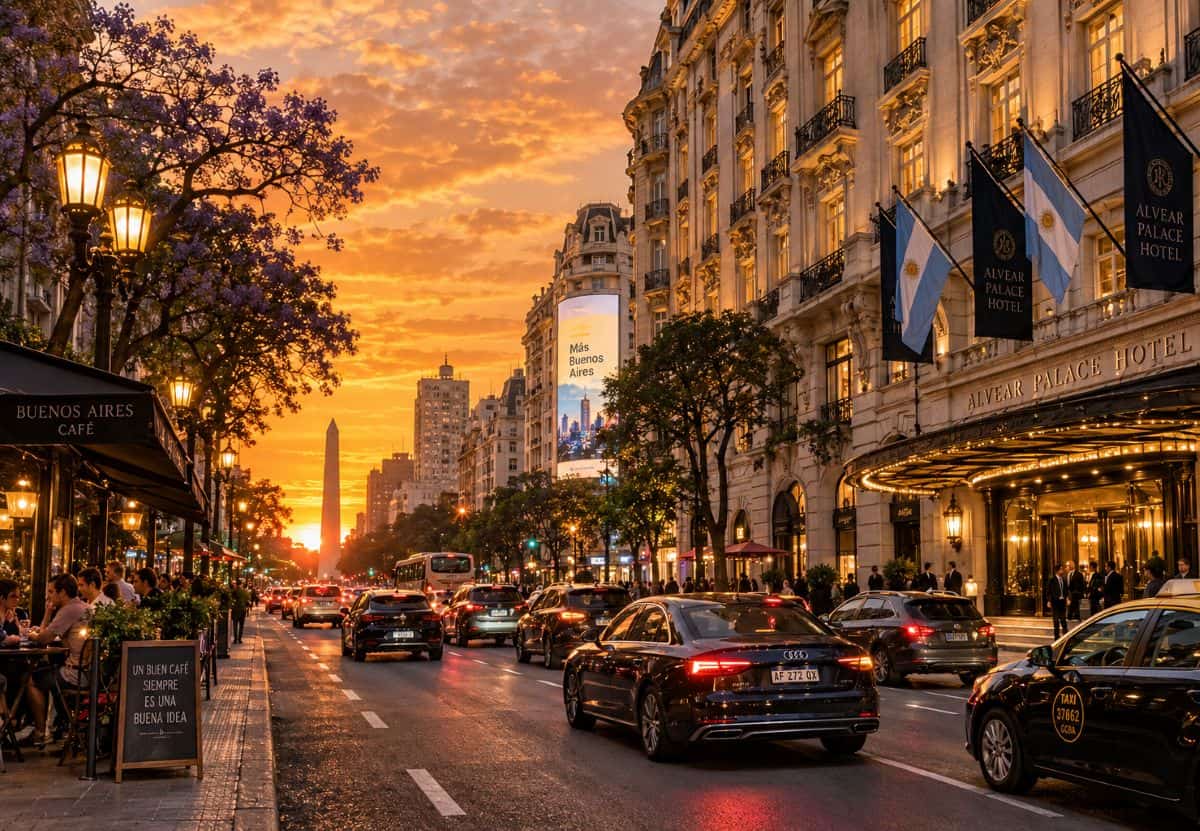
Image generated with Ai
Imagine yourself taking those first steps on South American soil. You will go through the Andean air and start your first of many adventures. You will have several options when traveling to Northern Patagonia. Of course, there is the world famous Iguazú Falls. Argentina has a great deal to offer in terms of adventures. But in order to fully appreciate Argentina one must appreciate Argentina’s balance of preservation and tourism. If you want to travel Argentina, you will learn some methods travelers will consider shocking when learning how to save money traveling Argentina. For example, travelers should know the Argentinian government has a 21% return policy on the lodging tax, so travelers can expect to get their money back from the government. Also, smaller towns will sometimes charge an “eco fee,” where travelers have to pay a preservation fee. By learning how to balance preservation and tourism, you appreciate different cultures, and you avoid ruining areas you come to cherish.
How Does the 21% National VAT Exemption Benefit Inbound Foreign Tourists Staying in Argentina?
The federal government of Argentina actively promotes international tourism through a national 21% Value Added Tax (VAT / IVA) exemption on accommodation services. Established under Decree 1043/2016, this fiscal incentive applies directly at check-out across all certified commercial lodging entities registered with ARCA (Administración Federal de Ingresos Públicos). Foreign non-resident visitors must settle their lodging bills using a foreign credit or debit card or through an international wire transfer to qualify for this savings. Furthermore, travellers must present a valid foreign passport or identification document along with official entry documentation issued by the Dirección Nacional de Migraciones.
This national tax policy significantly reduces accommodation expenses for international travellers exploring pristine natural reserves across Argentina. By stripping away the standard 21% tax from nightly hotel and breakfast rates, the federal incentive drives international capital directly into the national hospitality ecosystem. However, this exemption applies strictly to registered commercial establishments like hotels, inns, and eco-lodges. Informal rentals managed by unregistered Monotributistas do not qualify for this national discount, making registered sustainable accommodation options the most cost-effective choice for overseas guests.
Advertisement
Advertisement
Why Has the Municipal Ecotasa in San Carlos de Bariloche Sparked Legal Debates in Río Negro Province?
Nestled within the breathtaking Río Negro Province, the alpine city of San Carlos de Bariloche created a municipal lodging levy known as the Ecotasa. Promulgated under Ordenanza Municipal N.° 2809-CM-16 and updated through Ordenanza N.° 3287-CM-21, this fee was specifically designed to collect funds for environmental infrastructure and trail maintenance across local trekking routes. Visitors staying in local accommodations pay a small daily municipal fee, which directly funds public amenities, ecological conservation projects, and mountain trail preservation across the Andean foothills.
Advertisement
Advertisement
However, the legal status of Bariloche’s municipal tax structure has faced significant scrutiny within the Argentine judicial system. The Argentine Supreme Court (Corte Suprema de Justicia de la Nación) issued a ruling declaring the local tax structure unconstitutional, sparking ongoing debates over municipal taxing authority versus national fiscal sovereignty. Consequently, enforcement and collection mechanics continue to vary based on local administrative updates and municipal appeals, making it essential for travellers visiting Northern Patagonia to check current hotel policies at check-in.
How Does Puerto Iguazú Distinguish Its Local Eco-Tax from National Park Entrance Fees in Misiones?
Advertisement
Advertisement
In the lush sub-tropical forests of Misiones Province, the city of Puerto Iguazú enforces its own localized environmental fee known as the Tasa Eco-Turística Municipal. Administered by the Municipalidad de Puerto Iguazú, this levy is charged per person per night directly at local lodging establishments or collected at municipal entrance checkpoints. The primary objective of this local tax is to generate dedicated revenue to manage municipal waste, maintain eco-tourism infrastructure, and mitigate the environmental impact caused by heavy seasonal tourist traffic surrounding the world-famous waterfalls.
It is critical for international visitors to understand that this municipal eco-tax is entirely separate from the national entrance fee required to enter Parque Nacional Iguazú. While the city tax supports urban environmental management within Puerto Iguazú, the national park admission fee is collected and managed independently by the Administración de Parques Nacionales (APN). Travellers exploring the natural wonders of northeastern Argentina must budget for both fees separately, as one supports municipal infrastructure while the other funds biodiversity protection within the national park boundaries.
What Is the Urban Use Fee Applied to Travellers Staying in the Autonomous City of Buenos Aires?
The Autonomous City of Buenos Aires (CABA) enforces a specialized local visitor fee termed the Derecho de Uso Urbano (Urban Use Fee). This municipal charge applies to all non-resident international visitors aged 12 and older who stay in commercial accommodations across the national capital. Designed to offset the public costs associated with urban maintenance, heritage preservation, and tourism services, the fee ensures that global visitors contribute directly to sustaining the capital’s public space and cultural infrastructure.
Advertisement
Advertisement
The rate structure for the Derecho de Uso Urbano is tiered based on the official star rating and category of the accommodation selected. Charged per person per night—typically capped at a maximum of three to five consecutive nights depending on hotel classification—the fee ranges from USD $0.50 to USD $1.50+ per night. Hoteliers collect this fee directly on behalf of the city administration during check-in or check-out, seamlessly integrating urban sustainability funding into standard hospitality operations across the capital.
What Is the Environmental Impact of Travel and Tourism Across Argentina’s Ecologically Sensitive Regions?
Travel and tourism exert a profound double-sided impact on Argentina’s delicate ecosystems, particularly in high-traffic biomes like Patagonia, the sub-tropical Atlantic forests of Misiones, and sensitive urban wetlands. Rapid surges in seasonal visitor numbers during peak months place substantial stress on local municipal systems, leading to increased solid waste generation, heightened water consumption, and potential habitat degradation along vulnerable mountain trails. Without proper management, heavy foot traffic can accelerate soil erosion and disrupt indigenous wildlife habitats across protected reserves.
Conversely, regulated ecotourism acts as a vital financial engine for long-term environmental conservation across the nation. Revenues gathered through local Ecotasas, national park entrance fees, and tourism-related taxes fund essential park ranger patrols, trail maintenance, biodiversity research, and public eco-education programs. By incentivising international visitors through national VAT exemptions while reinvesting municipal lodging fees into local sustainability projects, Argentina creates a balanced ecological model where tourism actively finances the protection of its iconic natural heritage.
International Inbound Tourism Volume and Economic Revenues in Argentina
Evaluating the total volume of international arrivals highlights the financial importance of the hospitality sector within Argentina’s broader national economy. Each year, the country welcomes approximately 5.68 million foreign tourists. This massive influx of global visitors generates between USD 5.0 billion and USD 5.4 billion in direct foreign exchange receipts, serving as a critical pillar for regional commercial development and national monetary stability.
Advertisement
Advertisement
A detailed breakdown of origin markets demonstrates that regional neighbours account for the overwhelming majority of inbound travel. Visitors from Brazil lead the market at 23%, while travellers from Chile and Uruguay represent 15% each. Overall, foreign and domestic tourism activity contributes roughly 1.7% to 2.1% of Argentina’s total Gross Domestic Product (GDP). This economic foundation underscores why federal tax policies focus heavily on maintaining international competitiveness through targeted foreign visitor incentives.
APN National Parks Tiered Fee Structure and Multi-Park Access Pass Metrics
The federal agency Administración de Parques Nacionales (APN) manages entry pricing across protected natural reserves using a tiered rate model. Overseas visitors accessing Tier-1 reserves—such as Los Glaciares National Park or Iguazú National Park—pay a standard general international admission fee of $45,000 ARS to $50,000 ARS. This fee converts to approximately USD 35 to USD 45 depending on floating currency values.
This pricing model relies on a heavy resident-versus-foreign price multiplier. Foreign tourists pay between 3x and 9x more than local domestic or provincial residents. Argentine national residents pay $15,000 ARS to $25,000 ARS, while local provincial residents pay $5,000 ARS to $8,000 ARS. To soften this gap for extended journeys, the APN offers multi-park pass options. The 3-Day Flexipass costs $90,000 ARS—delivering a 33% discount over single-day entries—while the 12-Month Argentina National Parks Annual Pass provides unlimited nationwide access for $225,000 ARS.
The Financial Mechanics of Foreign Exchange Rates and Card Payment Processing
Foreign travellers in Argentina navigate a unique financial structure when settling accommodation and travel bills. Card processing systems handle foreign credit and debit card transactions using a preferential financial exchange rate, commonly known as the Electronic Payment Market (Dólar MEP) rate. By processing transactions close to parallel financial market values rather than official bank rates, overseas visitors gain an immediate 15% to 30% increase in effective purchasing power.
Advertisement
Advertisement
Securing the 21% Value Added Tax (VAT / IVA) lodging exemption requires strict operational compliance during check-out. Automated card networks verify foreign issuance in real time, while hotel providers check foreign passports alongside immigration entry receipts issued by the Dirección Nacional de Migraciones. Settle a lodging bill in cash local currency or through unverified channels, and the hotel must add the full 21% tax back onto the final invoice.
Registered Eco-Lodges vs. Informal Short-Term Rentals Market Share
A clear divide exists between certified sustainable accommodations and informal private vacation rentals across Argentina’s key tourist regions. Certified eco-lodges and accredited green hotels account for over 57% of the total eco-tourism accommodation market. These registered properties invest in formal tax compliance infrastructure, which allows them to issue official tax-exempt invoices directly to international guests at check-out.
By contrast, short-term rental listings across popular peer-to-peer platforms show high levels of tax leakage. An estimated 60% to 70% of urban and rural holiday rentals operate under simplified local tax regimes, such as the Monotributo system. Because these informal hosts cannot integrate with national tax software managed by ARCA (ex-AFIP), international travellers staying in private apartments cannot claim the 21% foreign tourist VAT exemption.
Comparative Analysis of Local Municipal Ecotasas Across Key Argentine Destinations
Because national legislation does not enforce a single federal hotel eco-tax, individual municipalities collect independent local fees known as Ecotasas or urban usage levies. In the capital city, the Autonomous City of Buenos Aires (CABA) levies a tiered Derecho de Uso Urbano on non-resident international visitors aged 12 and older. Rates scale based on hotel class, starting at USD 0.50 per night for 3-star hotels and rising above USD 1.50 per night for 5-star luxury stays, capped at 3 to 5 consecutive nights.
Advertisement
Advertisement
Local city councils mandate that accommodations collect these nightly fees at check-in or check-out. Municipal regulations require that 100% of these collected funds go into designated municipal accounts. Cities use these funds to upgrade public waste treatment plants, maintain mountain trekking paths, and finance conservation projects across regional municipal parks.
Ecological Footprint Metrics and Visitor Load Dynamics in High-Traffic Parks
Heavy tourist traffic creates significant seasonal pressure on delicate regional ecosystems across Argentina. High-density conservation corridors such as Parque Nacional Iguazú in Misiones and Parque Nacional Los Glaciares in Santa Cruz welcome over 1.5 million visitors every year. Up to 60% of this total foot traffic concentrates within narrow peak summer and winter holiday windows, creating intense seasonal pressure on local ecosystems.
This sudden influx places heavy strain on municipal gateway infrastructure. During peak travel months, daily municipal solid waste volumes in key hub towns like Puerto Iguazú and El Calafate jump by 25% to 40%. Without continuous municipal investment funded by targeted local levies, this increased waste output risks overwhelming regional landfills, degrading wilderness trails, and disturbing local wildlife habitats.
Inflation Dynamics, Currency Fluctuations, and Hospitality Rate Adjustments
Argentina’s economic landscape forces both public authorities and private hospitality operators to update pricing models regularly. To offset domestic inflation, the Administración de Parques Nacionales (APN) and municipal city councils adjust park admission tariffs and municipal eco-fees 2 to 3 times per year. These periodic updates keep public environmental revenues aligned with operational maintenance costs.
Advertisement
Advertisement
In the private sector, mid-to-high-tier eco-lodges across Northern Patagonia and Misiones protect their operating margins using USD base pricing. Over 80% of boutique wilderness accommodations list room rates directly in United States Dollars. This pricing structure shields operators from local currency devaluations while giving overseas guests predictable booking costs when paying with foreign cards.
Sustainable Tourism Infrastructure Reinvestment and Green Certifications
Revenue generated through ecotourism feeds back into local sustainable development initiatives. Nationwide, more than 200 hotel properties hold formal green certifications, such as the Hoteles Más Verdes standard recognized by the Global Sustainable Tourism Council. These credentials certify that hotels follow strict environmental guidelines, manage waste responsibly, and maintain energy-efficient operations.
In remote locations lacking municipal utility connections, green building standards drive real infrastructure investment. Top-tier Patagonian eco-lodges invest 10% to 15% of their operational revenues into off-grid renewable energy systems. By installing solar arrays, micro-hydroturbines, and zero-waste composting facilities, these remote lodges reduce their reliance on local municipal utilities and protect surrounding natural habitats.
The Final Verdict
The answer is never ‘what’s next’ when traversing Argentina. Traveling through this part of the world makes you think beyond wanting to answer the question ‘what do you want to do next?’. In fact, the Argentinean region has a way of binding and connecting an individual with the land. Trails have engraved themselves with such emotional value and meaning for every individual that they have reached. The Argentinean tax system and its intricacies may bore some, but the Argentinean Tax System has its charm. Keeping the 21 percent VAT (or similar tax) exemption on lodging means more money in your wallet, and the ecologic fees you pay at a particular place are your assurance to the community that you are supporting. In the end, your money helps to sustain the trails as well as the wildlife. Returning back to your home country means you can go with the feeling that you, even for a moment, helped to preserve this beautiful country so that other people will have the opportunity to experience and appreciate this country.
Advertisement
Advertisement
Frequently Asked Questions (FAQs)
1. Do foreign tourists pay a 21% hotel tax in Argentina?
No, foreign non-resident tourists are exempt from the standard 21% VAT (IVA) on hotel accommodation and breakfast under Decree 1043/2016, provided they pay with a foreign card or wire transfer and present valid passport and immigration entry documentation.
2. What is the Ecotasa in Bariloche?
The Ecotasa is a municipal lodging fee in San Carlos de Bariloche (Río Negro Province) designed to fund environmental infrastructure. Its legal status has been challenged by the Supreme Court, leading to ongoing administrative updates.
3. Is the Puerto Iguazú municipal eco-tax included in the Iguazú National Park entrance fee?
Advertisement
Advertisement
No, the Tasa Eco-Turística Municipal in Puerto Iguazú is a city lodging/entry fee distinct from the Parque Nacional Iguazú admission fee managed by the Administración de Parques Nacionales (APN).
4. Does the national VAT exemption apply to Airbnb or short-term private rentals?
No, the 21% VAT exemption applies exclusively to registered commercial establishments (hotels, inns, eco-lodges) and does not extend to informal rentals managed by unregistered Monotributistas.
5. What is the Derecho de Uso Urbano in Buenos Aires?
It is a municipal fee charged to international visitors aged 12 and older staying in Buenos Aires (CABA), ranging from USD $0.50 to USD $1.50+ per night depending on hotel category.
Advertisement
