
Niagara on the Lake, Greater Toronto and More Become Unbelievably Sweetmeat Tourism Destinations Set to Surge the Lost Visitors

Published
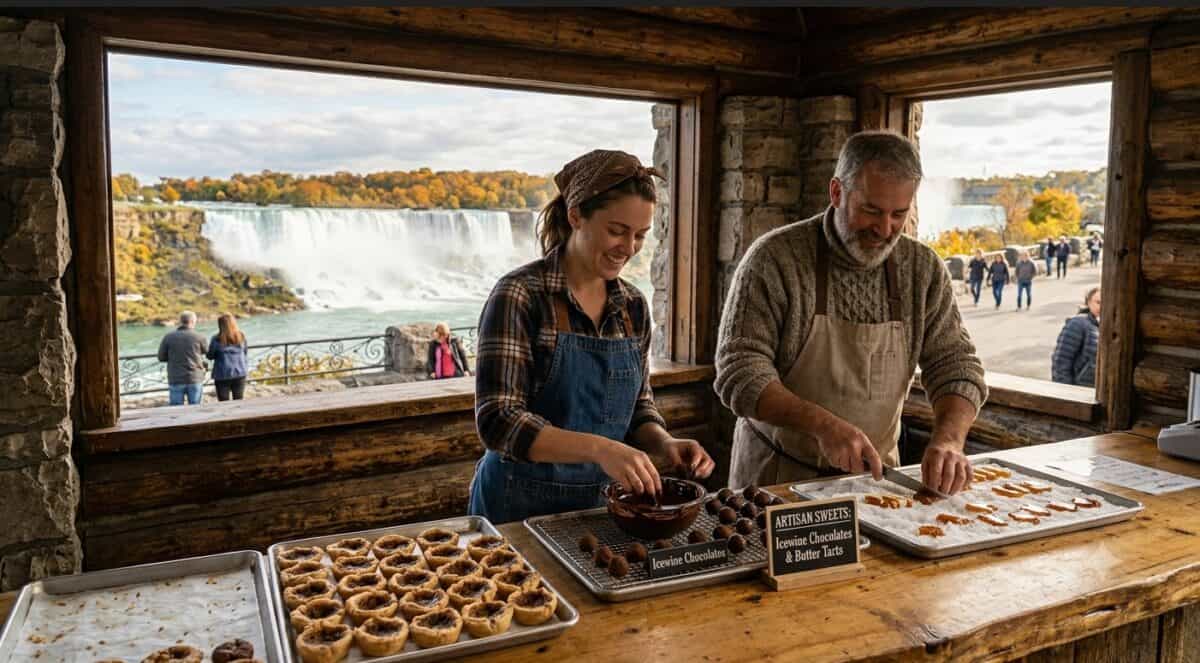
Federal reports have declared 2026 as the year for the Canada Sweetmeat Tourism Surge, which is due to the combination of Canada’s national culinary strategies with new trends in the preferences of visitors traveling to the provinces. Travelers have begun visiting confectionery centers, which honor the heritage of the region and showcase global sweetmeats. Destination Canada, along with regional tourism agencies, has supported this new agritourism project. This project involves local economies and dessert artisans. Food tourism is a growing trend across the country, and these sweetmeat capitals provide cultural and economic vitality like no other. Learn how government funding, sustainable agriculture, and dessert artisans will provide new opportunities for the tourism industry to grow and be enjoyed by future generations of food travellers.
Background: The Evolution of Canada’s Culinary and Agritourism Strategy
The landscape of Canadian tourism has undergone a fundamental structural shift over the past decade. Historically recognised for its vast wilderness, breathtaking national parks, and iconic urban landmarks, Canada has rapidly elevated its foodways into a primary driver of domestic and international visitation. At the center of this national evolution is the recognition that culinary experiences are no longer merely auxiliary travel amenities; they are core cultural attractions that define regional identity and inspire travel itineraries.
The foundation for the current Canada Sweetmeat Tourism Surge 2026 was laid through consecutive federal frameworks designed to diversify the national visitor economy. Innovation, Science and Economic Development Canada (ISED), alongside Destination Canada, introduced strategic growth initiatives aimed at redistributing visitor traffic beyond major metropolitan gateways like Toronto, Vancouver, and Montreal. By directing tourism flows into rural communities and agricultural corridors, federal policy aimed to extend visitor stays, increase daily expenditure, and mitigate seasonal fluctuations in the tourism workforce.
+-----------------------------------------------------------------------------------+
|               CANADIAN CULINARY & AGRITOURISM POLICY TIMELINE                     |
+-----------------------------------------------------------------------------------+
| 2023–2024 : Rollout of "Canada 365: Welcoming the World Every Day" Strategy      |
| 2024–2025 : Pilot Launch of National Tourism Corridors (Field to Fork, Cycle)    |
| June 2025 : Official Launch of National Culinary & Agritourism Action Plan        |
| 2026      : Designated Sweetmeat & Confectionery Towns See Record Visitor Surge   |
+-----------------------------------------------------------------------------------+
A pivotal milestone in this transformation occurred with the release of the Federal Tourism Growth Strategy (“Canada 365: Welcoming the World Every Day”). This strategy explicitly prioritized experiential tourism, authentic Indigenous foodways, and agricultural partnerships. Building directly upon this federal momentum, the Culinary Tourism Alliance (CTA), in partnership with Destination Canada and provincial tourism bodies, launched the National Culinary & Agritourism Action Plan (2025–2028). This comprehensive roadmap established four foundational pillars: Leadership and Collaboration, Experience and Product Development, Marketing and Visitor Engagement, and Enhancing the Global Reputation of Canadian Food and Beverage.
Advertisement
Advertisement
Under this strategic umbrella, sweetmeats, confectionery crafts, and traditional dessert making emerged as uniquely potent catalysts for destination branding. Desserts carry a rich cultural narrative—from centuries-old Indigenous preparations utilizing native berries and tree saps to European baking heritage and modern, multicultural confections brought by diverse immigrant communities. As regional producers began collaborating with local tourism marketing organisations, small agricultural towns across the country transformed into specialized sweet capitals.
Advertisement
Advertisement
The Strategic Shift from Traditional Sightseeing to Taste-Driven Travel
Modern global travellers increasingly seek immersive, place-based experiences that engage all senses. Industry data indicates that over 80 percent of international leisure visitors consider local food experiences a decisive factor when choosing a destination. Within this broader food tourism phenomenon, confectionery and dessert crafts occupy a highly engaging niche. Desserts offer visual appeal, emotional comfort, and accessible price points, making them ideal for social media sharing and family-friendly itineraries.
The term “sweetmeat”—traditionally referring to preserved fruits, candied nuts, rich pastries, and delicate sugar confections—has seen a major cultural renaissance in Canada. Contemporary Canadian sweetmeats combine historical recipes with cutting-edge culinary techniques, emphasizing hyper-local sourcing, organic farm partnerships, and sustainable packaging.
Federal Tourism Growth Strategy and the National Culinary Framework
The seamless alignment between federal economic policy and local culinary entrepreneurship has proven essential. By leveraging the national culinary action plan, government agencies have provided targeted grants, infrastructure development support, and marketing platforms to small-scale confectioners, orchard owners, and artisanal bakeries. This top-down support combined with bottom-up artisan creativity has established a resilient agritourism ecosystem that benefits both rural producers and urban visitors.
Government Announcements and Official Policy Developments as of 2026
As of late 2026, verified announcements from Innovation, Science and Economic Development Canada (ISED) and Destination Canada highlight significant milestones achieved through national tourism corridor programs. The expansion of designated tourism corridors has successfully linked agricultural regions with historic urban centers, creating cohesive travel routes dedicated to culinary discovery.
+-----------------------------------------------------------------------------------+
|                   KEY FEDERAL AGRITOURISM CORRIDORS IN CANADA                     |
+-----------------------------------------------------------------------------------+
| 1. Field to Fork Corridor (Saskatchewan & Manitoba)                               |
|    Focus: Prairie heritage grains, Saskatoon Berry confections, farm stays.       |
|                                                                                   |
| 2. Cycle & Taste Corridor (Ontario & Quebec)                                      |
|    Focus: Active cycle tourism, maple sugar shacks, wine-infused treats.           |
|                                                                                   |
| 3. Northern Sky & Western Valley Corridors (BC & Alberta)                         |
|    Focus: UNESCO gastronomy hubs, orchard fruit jellies, Indigenous sweetways.    |
+-----------------------------------------------------------------------------------+
Federal Investments and Regional Tourism Corridor Frameworks
Government reports confirm that federal investments in regional tourism corridors—such as the Field to Fork: SK MB Agritourism Corridor and the Cycle Ontario & Quebec Corridor—have yielded measurable increases in regional economic activity. These multi-jurisdictional frameworks enable adjacent municipalities to co-market their unique food assets. For instance, cycle routes connecting Ottawa, Montreal, and rural Eastern Townships now incorporate official “Sweet Stop” waypoints, encouraging long-distance cyclists and road-trippers to visit local sugar shacks and artisanal chocolate laboratories.
Advertisement
Advertisement
Furthermore, Destination Canada’s Tourism Data Collective has implemented real-time analytics to track visitor mobility and spending patterns across these designated corridors. Initial findings confirm that travellers following dedicated food and dessert trails spend an average of 22 percent more per stay than general sightseeing tourists, with a higher proportion of expenditure directly benefiting rural small businesses.
Strategic Funding via Regional Economic Development Agencies
Strategic funding delivered through Canada’s regional development agencies—including PacifiCan, PrairiesCan, FedDev Ontario, Canada Economic Development for Quebec Regions (DEC), and the Atlantic Canada Opportunities Agency (ACOA)—has accelerated local infrastructure upgrades. Grants have funded:
- Modernized commercial tasting rooms for rural farm bakeries.
- Temperature-controlled transportation for delicate chocolate and dairy confections.
- Multilingual digital signage and interactive mapping tools for self-guided dessert walking tours.
- Accessibility enhancements ensuring all visitors can navigate heritage farms and processing facilities.
Statistical Breakdown: Foodservice, Visitor Spending, and Rural Economic Impact
Official figures published by Statistics Canada and the Tourism Data Collective paint a vivid picture of the economic engine driving the canada sweetmeat tourism surge 2026. Tourism’s total economic contribution in Canada reached $140.5 billion in visitor spending, reflecting sustained momentum across both domestic and international visitor segments.
+-----------------------------------------------------------------------------------+
|               CANADIAN AGRITOURISM & FOODSERVICE PERFORMANCE (2025-2026)          |
+-----------------------------------------------------------------------------------+
| Metric                                    | Official Figure / Benchmark           |
+-------------------------------------------+---------------------------------------+
| Total Canadian Tourism Visitor Spending    | $140.5 Billion                        |
| Commercial Foodservice Revenue Growth     | +6.9% (Peak Period Surge)             |
| Total Foodservice Industry Economic Impact| $124.0 Billion                        |
| Small-Town "Coffee + Dessert" Revenue Growth| +20.0% Year-over-Year                 |
| Visitor Spend Premium on Food Trails      | +22.0% Compared to General Tourists   |
+-------------------------------------------+---------------------------------------+
Macroeconomic Figures and National Visitor Expenditure Data
Data from Restaurants Canada reveals that commercial foodservice sales experienced robust growth, expanding by 6.9 percent during peak travel periods, driven largely by domestic tourism and international arrivals. The broader foodservice sector now represents a $124-billion industry in Canada, playing a pivotal role in overall economic resilience.
Key statistical findings highlight the outsized role of culinary experiences:
Advertisement
Advertisement
- High-Yield Dispersal: Over 34 percent of international visitors report visiting a farm, orchard, or rural bakery during their stay in Canada.
- Extended Stay Duration: Travellers engaged in structured culinary itineraries average 4.2 nights per trip, compared to 2.8 nights for conventional urban leisure travellers.
- Local Supply Chain Multiplier: Every dollar spent at an certified agritourism sweet shop generates an estimated $1.68 in secondary economic activity within the local agricultural sector.
Rural Economic Dispersal and Agricultural Diversification Metrics
Agritourism has provided vital economic diversification for agricultural communities across the Prairies, Ontario, and Quebec. Farmers who previously relied entirely on wholesale commodity crops have successfully integrated value-added sweet products—such as berry preserves, fruit syrups, and honeyed confections—increasing net farm income by up to 30 percent annually.
Top Canadian Sweetmeat and Confectionery Destinations: Regional Spotlight
The canada dessert towns sweeping national headlines represent a diverse cross-section of geography, agricultural tradition, and culinary innovation. Below is an in-depth analysis of the top sweetmeat and dessert-making towns officially designated as must-visit destinations in 2026.
+-----------------------------------------------------------------------------------+
|                  CANADA'S TOP DESSERT & CONFECTIONERY TOWNS                       |
+-----------------------------------------------------------------------------------+
| Destination        | Primary Specialty            | Target Audience               |
+--------------------+------------------------------+-------------------------------+
| Kelowna, BC        | Botanical Gelato & Orchard   | Luxury Culinary &             |
|                    | Jellies                      | Farm-to-Table Enthusiasts     |
+--------------------+------------------------------+-------------------------------+
| Regina & Moose Jaw,| Saskatoon Berry Pies &       | Heritage Road Trippers &      |
| SK                 | Ukrainian Pastries           | Cultural Travellers           |
+--------------------+------------------------------+-------------------------------+
| Niagara-on-the-    | Icewine Chocolates & Butter  | Couples & Historic Walking    |
| Lake, ON           | Tarts                        | Tour Visitors                 |
+--------------------+------------------------------+-------------------------------+
| Victoria & Vancouver| Handcrafted Nanaimo Bars &   | Chocolate Connoisseurs &      |
| Island, BC         | Small-Batch Bakeries         | Bakery Trail Travelers        |
+--------------------+------------------------------+-------------------------------+
| Greater Toronto Area| Global Mithai & International| Multicultural Foodies &       |
| Belt, ON           | Sweets Festivals             | Festival Attendees            |
+--------------------+------------------------------+-------------------------------+
| Eastern Townships, | Maple Taffy on Snow & Sugar  | Autumn/Winter Culinary        |
| QC                 | Pies (Pouding Chômeur)       | Explorers                     |
+--------------------+------------------------------+-------------------------------+
Kelowna, British Columbia: Canada’s UNESCO Creative City of Gastronomy
Nestled in the heart of the Okanagan Valley, Kelowna holds the prestigious distinction of being officially designated as Canada’s first UNESCO Creative City of Gastronomy. Long celebrated for its award-winning vineyards and tree-fruit orchards, Kelowna has evolved into a premier national capital for artisan confectionery canada.
Local confectioners in Kelowna have pioneered hyper-local fruit preparations, converting Okanagan peaches, cherries, and plums into delicate fruit jellies, honeyed botanical gelato, and craft ice creams infused with local lavender and pine needles.
Crucially, Kelowna’s sweet revolution is grounded in Indigenous collaboration. Local Indigenous chefs and artisans incorporate traditional syilx ingredients—such as wild mountain berries, bitterroot, and sweetgrass—into modern pastries and confectionery, providing visitors with a rich, culturally authentic taste of the land.
Advertisement
Advertisement
The Prairies (Regina & Moose Jaw, Saskatchewan): Heritage Berry Crafting
Spanning the vast agricultural heartland of Saskatchewan, the dual hubs of Regina and Moose Jaw form the anchor of the Prairie culinary trail. Supported by the federal Field to Fork: SK MB Agritourism Corridor, this region has turned traditional Prairie baking into a national tourist draw.
The undisputed star of the Prairie sweet scene is the Saskatoon Berry. Rich in antioxidants and featuring a distinct nut-and-wild-berry flavour profile, the Saskatoon Berry is transformed into world-class pies, tarts, compotes, and glazed sweetmeats.
Visitors traveling through Regina and Moose Jaw can explore historic small-town diners, farm-gate bakeries, and heritage festivals celebrating Ukrainian and Scandinavian baking traditions—where babkas, kolaches, and rosette cookies are crafted using locally milled heritage grains.
Niagara-on-the-Lake, Ontario: Wine-Infused Confections and Butter Tarts
Famed for its preserved 19th-century architecture and horse-drawn carriages, Niagara-on-the-Lake has mastered the art of luxury dessert pairings. Situated in Ontario’s premier viticultural zone, local sweetmakers have perfected the integration of world-famous Icewine into hand-poured truffles, pralines, and soft-serve frozen treats.
Beyond viticultural sweets, Niagara-on-the-Lake serves as a cornerstone of the official Ontario Butter Tart Trail. Artisanal bakeries across the region compete to create the ultimate Canadian butter tart—featuring flaky, hand-rolled pastry shells filled with rich butter, maple sugar, and locally sourced pecans or walnuts.
Advertisement
Advertisement
The town offers guided walking dessert tours that allow visitors to sample fresh pastries while strolling along historic tree-lined avenues overlooking Lake Ontario.
Victoria and Vancouver Island, British Columbia: The Capital of Artisan Chocolate
Victoria, situated on the southern tip of Vancouver Island, boasts one of the highest concentrations of independent chocolatiers and bakeries per capita in North America. Known globally as the birthplace of the iconic Nanaimo Bar—a layered, no-bake sweet treat featuring a wafer and nut base, custard-flavoured butter icing, and a melted chocolate topper—Vancouver Island has elevated this classic Canadian dessert into an art form.
Visitors to Victoria can follow the dedicated Vancouver Island Chocolate and Bakery Trail, which guides guests through historic Chinatown—the oldest in Canada—and inner-harbour artisan quarters.
Local chocolatiers emphasize ethically sourced cocoa beans paired with coastal Pacific Northwest ingredients, including Vancouver Island sea salt, wild blackberries, and locally harvested kelp caramel.
Greater Toronto Area (GTA Belt), Ontario: Global Sweetmeat and Mithai Hubs
The Greater Toronto Area (GTA) Belt—spanning vibrant municipalities such as Mississauga, Brampton, Markham, and Scarborough—offers an unmatched international sweetmeat experience. Reflecting Canada’s rich multicultural mosaic, the GTA Belt has become North America’s leading destination for global confections, most notably South Asian mithai.
Advertisement
Advertisement
Master confectioners in Brampton and Mississauga produce traditional and contemporary iterations of:
- Gulab Jamun & Rasgulla: Soft dairy-based sweetmeats soaked in cardamom and rose-infused sugar syrups.
- Kaju Katli & Barfi: Rich cashew and milk-solid diamond confections decorated with edible silver leaf.
- Fusion Sweets: Saffron-infused cheesecakes, pistachio kulfi popsicles, and matcha-flavoured halwa.
The region hosts North America’s largest indoor sweets festivals, drawing hundreds of thousands of international food enthusiasts annually. These events feature live sweetmeat-making demonstrations, interactive masterclasses, and customizable tasting boxes.
Eastern Townships, Quebec: French-Canadian Sugar Heritage and Maple Routes
Located just east of Montreal, the picturesque Eastern Townships (Cantons-de-l’Est) represent the heartland of French-Canadian maple craft and historic sugar shack (cabane à sucre) culture. During autumn foliage and winter snow seasons, the region’s historic maple groves draw visitors from around the globe.
The Eastern Townships are world-renowned for iconic French-Canadian comfort desserts:
- Pouding Chômeur: A rich, cake-like pudding smothered in boiling maple syrup cream, created during the Great Depression and now elevated to fine-dining status.
- Tarte au Sucre: Traditional French-Canadian sugar pie featuring heavy cream, butter, and pure maple sugar in a flaky crust.
- Maple Taffy on Snow (Tire sur la neige): Hot, concentrated maple sap poured directly onto fresh white snow and rolled onto wooden sticks, offering an interactive and memorable agritourism experience.
Emerging Sweet Travel Trends Transforming the Canadian Landscape in 2026
The rapid development of the Canadian dessert landscape is supported by distinct consumer trends that reflect broader shifts in global travel, health awareness, and sustainability.
Advertisement
Advertisement
The “Coffee + Dessert” Crossover: Driving 20 Percent Revenue Growth
One of the most lucrative trends identified across small-town boutiques in Ontario, Quebec, and the Atlantic provinces is the coffee and dessert crossover trend. Independent sweet shops partnering with local micro-roasters to offer curated coffee and pastry pairings have recorded a average 20 percent year-over-year revenue increase.
+-----------------------------------------------------------------------------------+
|                     TOP 2026 CANADIAN SWEET TRAVEL TRENDS                         |
+-----------------------------------------------------------------------------------+
| Trend Name              | Key Characteristics & Consumer Appeal                   |
+-------------------------+---------------------------------------------------------+
| Coffee + Dessert        | Pairing micro-roasted specialty coffee with warm,       |
| Crossover               | customizable dessert skillets and fried pastries.       |
+-------------------------+---------------------------------------------------------+
| Guilt-Free & Tech-      | Utilizing air-fryer technology for oil-free churros;    |
| Forward Sweets          | offering keto, vegan, and low-glycemic options.         |
+-------------------------+---------------------------------------------------------+
| Botanical & Native      | Infusing wild yuzu, hot honey, spruce needle, lavender, |
| Infusions               | and sea buckthorn into traditional sugar crafts.        |
+-------------------------+---------------------------------------------------------+
| Hyper-Local Farm-to-   | Direct farm sourcing of organic berries, maple sap, and |
| Table Traceability      | honey with QR-code provenance tracking for tourists.    |
+-------------------------+---------------------------------------------------------+
Travelers are increasingly seeking high-end espresso drinks paired with freshly baked, customizable desserts—such as warm cookie skillets, cast-iron apple fritters, and dessert tacos. This trend has extended the operational viability of rural bakeries beyond morning hours into late-afternoon and evening trade.
Guilt-Free and Tech-Forward Confections: Air-Fried and Low-Sugar Innovations
As health consciousness rises among global travelers, Canadian confectioners are adopting innovative preparation technologies to satisfy indulgence without compromising health goals. In Western Canada, independent dessert shops are deploying commercial air-fryer technology to serve traditional hot churros, donuts, and fritters virtually oil-free.
Additionally, bakeries are introducing natural sweetener alternatives—such as monk fruit, birch xylitol, and reduced-glycemic maple concentrates—allowing diabetic, keto, and health-focused tourists to enjoy traditional Canadian desserts worry-free.
Global Infusions and Indigenous Botanical Flavours
Modern Canadian confectioners are blending traditional recipes with unexpected global and botanical flavor profiles:
Advertisement
Advertisement
- Hot Honey & Chili: Infusing local clover honey with scotch bonnet or habanero peppers to top deep-fried doughs and soft-serve ice cream.
- Yuzu & Citrus: Pairing Japanese yuzu with Okanagan orchard apples in light fruit tarts and marshmallows.
- Indigenous Forest Botanicals: Utilizing wild cedar jelly, sweet fern, spruce tips, and sea buckthorn to create aromatic candies and dessert syrups that reflect Canada’s boreal landscapes.
Policy Implications and Industry Impact Across Small and Medium Enterprises
The expansion of the Canadian agritourism sector carries profound policy and economic implications, particularly for small and medium-sized enterprises (SMEs), which form over 98 percent of the national tourism landscape.
+-----------------------------------------------------------------------------------+
|                  TRIPLE-BOTTOM-LINE IMPACT OF AGRITOURISM POLICY                  |
+-----------------------------------------------------------------------------------+
| Economic Impact : Boosts rural SME revenues, increases farm profitability,       |
|                   and drives off-peak visitor expenditure.                        |
|                                                                                   |
| Social Impact   : Preserves culinary heritage, creates youth/newcomer jobs,       |
|                   and fosters local community pride.                              |
|                                                                                   |
| Environmental   : Encourages short supply chains, sustainable farm practices,    |
| Impact            and eco-friendly packaging standards.                           |
+-----------------------------------------------------------------------------------+
Strengthening Small Business Resilience in Rural Communities
By linking local agriculture directly to the tourism economy, federal policy has created a buffer for small businesses against macroeconomic pressures. Farm operators who participate in agritourism report greater cash-flow stability throughout the year. The ability to sell direct-to-consumer value-added sweetmeats eliminates intermediary margins, allowing rural artisans to retain a higher share of final retail value.
Advancing Indigenous Reconciliation and Economic Self-Determination
In alignment with the destination canada culinary strategy and the federal tourism vision, supporting Indigenous-owned culinary ventures is a core priority. Indigenous tourism businesses offering sweet treats derived from traditional land-based knowledge—such as maple sugar collecting, berry gathering, and wild plant harvesting—receive targeted capital grants and international marketing support.
This approach fosters meaningful reconciliation by empowering First Nations, Métis, and Inuit communities to share their living heritage on their own terms while building sustainable, community-owned economic foundations.
Tourism, Business, and Public Impact: Transforming Regional Economies
The benefits of Canada’s sweetmeat tourism expansion extend far beyond individual bakeries, positively influencing municipal infrastructure, local employment, and community pride.
Advertisement
Advertisement
Mitigating Seasonality through Year-Round Culinary Attractions
Seasonality has historically posed a challenge for Canadian tourism, with visitor activity heavily concentrated in summer months. Confectionery and agritourism offer year-round appeal:
- Spring: Maple sugar shack harvest festivals across Quebec and Eastern Ontario (Cabane à sucre season).
- Summer: Fresh berry picking, orchard fruit festivals, and gelato trails in British Columbia and the Prairies.
- Autumn: Apple cider, pumpkin sweetmeats, and fall foliage dessert tours in Niagara and the Eastern Townships.
- Winter: Holiday chocolate markets, hot cocoa trails, and indoor global sweetmeat festivals across major urban belts.
Job Creation and Workforce Opportunities in Rural Communities
According to Tourism HR Canada, the tourism and hospitality sector serves as a crucial entry point for young workers, new immigrants, and rural residents. The proliferation of specialized sweet shops, farm bakeries, and culinary tour operations has generated thousands of skilled and semi-skilled positions in pastry arts, customer experience management, digital marketing, and agritourism operations.
Official Statements and Industry Insights from Tourism Leaders
Leading figures across government agencies, industry associations, and regional tourism boards have reaffirmed the transformative impact of the national culinary framework.
“There is growing global demand for authentic, place-based food and drink experiences and Canada is uniquely positioned to deliver. Our foodways are deeply rooted in land and culture, and this Action Plan gives us the collective structure to share that with the world.”
— Rebecca Mackenzie, President & CEO, Culinary Tourism Alliance
Advertisement
Advertisement
Official updates from Destination Canada further emphasize that integrating local agriculture with destination marketing ensures sustainable growth. By encouraging visitors to explore lesser-known communities through dedicated dessert corridors, Canada reduces environmental strain on major national parks while spreading economic benefits nationwide.
Future Outlook: Positioning Canada as a Premier Global Culinary Destination by 2030
Looking ahead toward 2030 targets, the trajectory of canadian agritourism trends remains exceptionally strong. Continued investments in green transportation infrastructure, digital visitor tools, and international culinary trade showcases will further cement Canada’s reputation as a world-class culinary destination.
+-----------------------------------------------------------------------------------+
|                    STRATEGIC CULINARY GOALS TOWARD 2030                           |
+-----------------------------------------------------------------------------------+
| 1. Expand Sustainable Agritourism Trails across all 13 Provinces & Territories.  |
| 2. Achieve Global Top-10 Ranking for Authentic Experiential Culinary Travel.      |
| 3. Increase Rural Tourism Expenditure Share to 40% of Total National Spend.       |
| 4. Fully Integrate Inclusive & Indigenous-Led Foodways in All Tourism Marketing.  |
+-----------------------------------------------------------------------------------+
By celebrating its agricultural bounty, honoring heritage recipes, and empowering innovative artisans, Canada has proven that sweet traditions can drive long-term economic prosperity, regional revitalization, and international visitor delight.
The Canada Sweetmeat Tourism Surge 2026 highlights a momentous shift in how travellers experience the nation’s diverse regional cultures and agricultural bounty. By aligning federal policy with community-led innovation, Canada has transformed regional dessert crafts into powerful economic engines. From Indigenous-led sweet making in British Columbia to historic maple heritage in Quebec, these confectionery destinations showcase exceptional craftsmanship and sustainable tourism. As global demand for authentic food travel continues to expand, Canada’s dessert hubs stand ready to welcome international visitors. These vibrant communities prove that sweet traditions can drive long-term regional prosperity, cultural preservation, and world-class agritourism growth across provinces.
Advertisement
