
Kyrgyzstan Travel Gains Momentum as Economy Surges 11 Percent with Strong Growth Across Key Sectors in 2026

Published
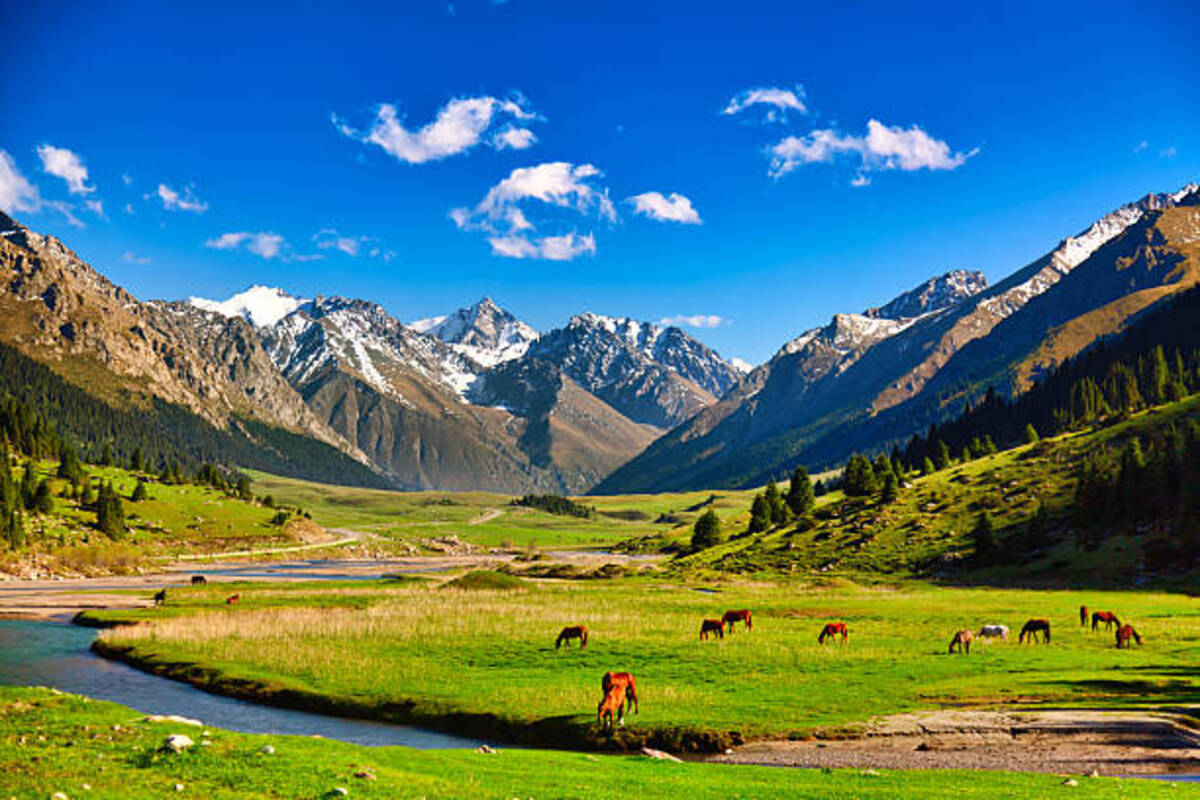
Kyrgyzstan Travel is gaining fresh momentum in 2026 as the country records an impressive 11 percent economic expansion during the first eight months of the year, driven by strong growth across production, services and infrastructure-related sectors. The surge in GDP, which reached 1,396.8 billion soms, reflects rising economic activity supported by goods-producing industries, construction growth and continued service-sector development. As Kyrgyzstan strengthens its economic foundation, the expanding business environment and improved sector performance are creating new opportunities for tourism, connectivity and international engagement, positioning the Central Asian destination for stronger travel and investment interest.
Kyrgyzstan’s economy recorded significant growth during the first eight months of 2026, with GDP reaching 1,396.8 billion soms as expanding production, services and economic activity strengthened the country’s financial performance.
The latest preliminary figures from the National Statistics Committee showed that Kyrgyzstan’s gross domestic product increased by 11.0 percent between January and August 2026 compared with the same period in 2025. The growth reflected positive momentum across several major sectors, particularly goods-producing industries, which recorded the fastest expansion during the period.
The country’s economic performance was supported by stronger industrial activity, construction development, service-sector expansion and higher contributions from product-related taxes. The figures indicate that production-based industries played an increasingly important role in shaping Kyrgyzstan’s economic landscape during 2026.
Advertisement
Advertisement
How did goods-producing industries drive Kyrgyzstan’s economic expansion?
Goods-producing sectors emerged as one of the main engines behind Kyrgyzstan’s GDP growth during January-August 2026. The sector expanded by 18.6 percent year on year, significantly exceeding the overall economic growth rate.
The increase reflected stronger activity across industries involved in production, construction and other manufacturing-related fields. As these sectors gained momentum, their contribution to the national economy increased, highlighting a gradual shift towards stronger production capacity.
Advertisement
Advertisement
The share of goods-producing industries in Kyrgyzstan’s GDP reached 34.7 percent during the reporting period. This represented an increase of 2.7 percentage points compared with the same period in 2025.
Construction played an important role in this growth pattern. Its share of GDP increased by 2.0 percentage points, showing continued expansion in infrastructure and building-related activities. The industrial sector also strengthened its position, with its contribution rising by 1.2 percentage points.
Advertisement
Advertisement
The stronger performance of production sectors provided a major foundation for overall economic growth, supporting Kyrgyzstan’s broader development objectives and increasing the importance of industrial activity within the national economy.
What role did the service sector play in Kyrgyzstan’s GDP growth?
The service sector remained the largest contributor to Kyrgyzstan’s economy during the first eight months of 2026, accounting for 49.2 percent of total GDP.
Although services continued to represent nearly half of the country’s economic output, their share declined by 3.6 percentage points compared with January-August 2025. Despite this structural change, the sector continued to expand, recording annual growth of 6.3 percent.
The service industry covers a wide range of economic activities, including trade, transportation, tourism-related businesses, financial services and other consumer-focused segments. Continued growth in this area helped maintain economic stability while supporting employment and domestic business activity.
Advertisement
Advertisement
The changing balance between services and production sectors suggests that Kyrgyzstan’s economic expansion during 2026 was increasingly supported by multiple industries rather than relying on a single area of growth.
How did taxes and other economic contributions support growth?
Net taxes on products also contributed to Kyrgyzstan’s economic performance during the January-August 2026 period. According to preliminary estimates, net taxes increased by 11.0 percent compared with the previous year.
Higher tax contributions reflected increased economic activity across different sectors, including production and services. As businesses expanded operations and consumer activity remained active, tax-related revenues supported the overall GDP calculation.
The combination of stronger production output, expanding services and increased tax contributions created a balanced foundation for economic growth. These factors collectively helped Kyrgyzstan achieve double-digit GDP growth during the reporting period.
How did agriculture perform compared with other sectors?
While several areas of the economy recorded growth, agriculture experienced a decline in its share of GDP compared with the previous year.
The agricultural sector’s contribution decreased by 0.5 percentage points during January-August 2026. However, the sector remained an important part of Kyrgyzstan’s economic structure, particularly due to its role in rural communities, food production and employment.
Advertisement
Advertisement
The reduction in its GDP share occurred as other sectors, especially construction and industry, expanded at a faster pace. The changing economic structure reflects the growing influence of production-based activities within Kyrgyzstan’s development.
Kyrgyzstan Travel receives a boost as the nation’s economy grows 11 percent in 2026, supported by stronger industries, services and development activities. The economic rise strengthens the country’s appeal for future tourism and international opportunities.
What does Kyrgyzstan’s 2026 economic performance show?
Kyrgyzstan’s 11.0 percent GDP growth during the first eight months of 2026 highlights broad-based economic expansion supported by multiple sectors.
The strongest gains came from goods-producing industries, which increased their contribution to the economy through higher industrial and construction activity. Services continued to remain the largest economic segment, while tax revenues also recorded growth alongside overall economic activity.
The latest figures demonstrate a period of structural change within Kyrgyzstan’s economy, with production sectors gaining a larger role while traditional contributors such as agriculture experienced a smaller share.
At the same time, regional connectivity developments continued to support international engagement. Thailand introduced visa-free travel arrangements for Kyrgyz citizens, allowing stays of up to 30 days and creating additional opportunities for travel links between the two countries.
Advertisement
Advertisement
With continued expansion across key sectors, Kyrgyzstan entered the later months of 2026 with strong economic momentum and a more diversified growth structure.
Advertisement
