
Belgium Leads A New Era Of Travel By Turning Ordinary Hotel Spas Into Clinical Longevity Labs, See What Changed Inside

Published
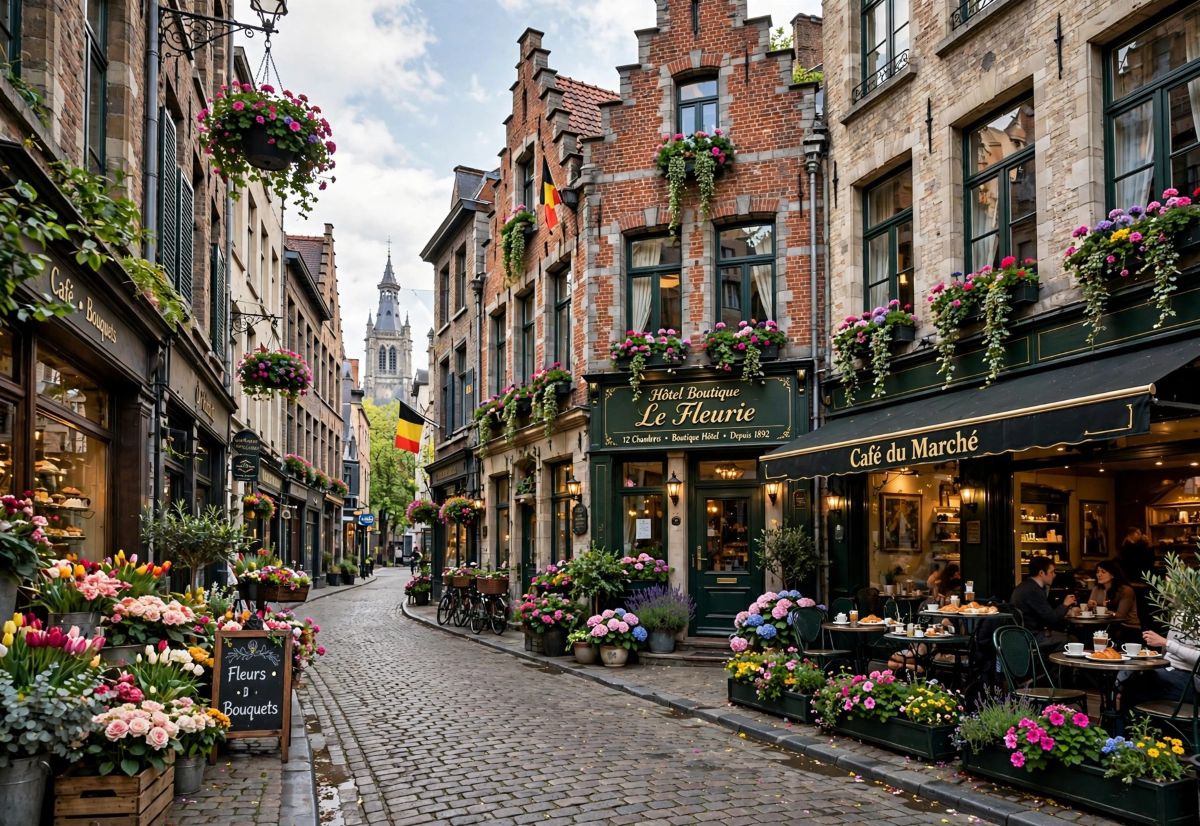
Image generated with Ai
We have all had to deal with skipping out on an entire night’s sleep to take advantage of a bargain cross-continental flight. We have all had to deal with sitting in a pretense of sleep in a hotel that is priced way too high with a staff that is way too low. We have all had to stare out at the speeding, empty streetcars that will briefly remind us of the only place we will actually be able to sleep, the empty streets. For a long time, when people think about and describe travel, they think of a quick trip to a different country to don the quick robe and oil. But, travel and these therapies actually have no effect on curing exhaustion. In fact, these therapies actually worsen your exhaustion, and an already frayed traveler’s nerves.
Belgium has been doing something clever that I think is cool. Spas are being replaced by medical longevity suites in Ghent, Brussels, and Antwerp. These new suites are built in the style of old-school spas. It’s a haven for the body and offers the rest and hospitality that is needed. Although the rest technology is brand new, in this case, something that has long been lacking is the ability to truly rest.
Advertisement
Advertisement
Is Belgium Replacing Traditional Spas with High-Tech Clinical Longevity Labs and Sleep Tourism Suites in Brussels, Antwerp, and Ghent?
Are luxury hoteliers across Belgium phasing out standard pampering to construct bio-adaptive sleep suites and urban longevity labs in major cities like Brussels, Antwerp, and Ghent? Yes, high-end hospitality in Belgium is replacing traditional hot-stone massages and saunas with clinical-grade medical wellness, hyperbaric oxygen chambers, intravenous NAD+ therapies, and soundproofed sleep diagnostics. Driven by executive travelers seeking extended healthspans, improved cognitive performance, and jet lag mitigation, Belgian hotels are using acoustic engineering, narrow-spectrum circadian lighting, and biomarker analytics to turn luxury accommodation into data-driven human optimization environments.
Advertisement
Advertisement
The luxury hospitality market across Belgium is undergoing a structural transition as travelers move away from passive spa relaxation toward measurable biological optimization. High-net-worth guests visiting major metropolitan destinations are demanding bio-adaptive spaces that address sleep disruption, systemic inflammation, and cellular aging during their stays. Consequently, leading developers in Brussels, Antwerp, and Ghent are investing heavily in medicalized infrastructure to replace traditional saunas and basic facials with clinical-grade longevity labs and high-tech sleep suites.
Advertisement
Advertisement
How Are Belgian Hotels Engineering Soundproof Architecture in Brussels and Antwerp to Enhance Deep Sleep Cycles?
Urban noise pollution in major Belgian destinations like Brussels and Antwerp presents a persistent structural challenge to maintaining uninterrupted restorative sleep cycles for luxury hotel guests. Acoustic disturbances caused by streetcar traffic, emergency sirens, and nightlife activity frequently trigger micro-arousals that pull the human brain out of Slow-Wave Sleep (SWS) and Rapid Eye Movement (REM) phases without fully awakening the guest. To address this issue, hotel developers in Brussels are adopting advanced structural building physics based on box-in-box acoustic isolation to eliminate external ambient sound.
These engineered guestrooms feature floating floor slabs, double-studded acoustic walls integrated with elastomeric decoupling channels, and triple-paned acoustic laminated glazing rated above Sound Transmission Class (STC) 55–60. Inside the suites, custom speaker networks emit dynamic pink noise that decreases in power density by 3 decibels per octave, which clinical trials demonstrate synchronizes with slow delta brain waves to promote deep memory consolidation. Furthermore, specialized HVAC systems operate below 20 dBA while automatically adjusting ambient temperatures down to 16°C–18°C early in the night to support core body temperature reduction.
Why Is High-Tech Circadian Lighting Replacing Standard Dimmer Switches in Modern Guestrooms in Ghent?
Standard dimmable lighting systems in traditional hotel rooms fail to account for the complex physiological mechanisms governing human circadian rhythms and hormone secretion. In cities like Ghent, high-tech sleep suites utilize precise spectral management systems designed to interact directly with intrinsically photosensitive retinal ganglion cells (ipRGCs) in the human eye. These specialized cells contain the photopigment melanopsin, which reacts strongly to blue light wavelengths near 480 nanometers to signal daytime alertness to the brain’s suprachiasmatic nucleus.
Advertisement
Advertisement
Automated LED arrays in Ghent and Brussels dynamic lighting systems automatically alter their spectral output to deliver high melanopic lux in the morning to suppress melatonin and boost morning cortisol production. In the evening, the system completely removes blue light wavelengths and shifts to warm amber and red tones above 620–670 nanometers, allowing guests to navigate their rooms without interrupting endogenous melatonin production. Additionally, integrated Photobiomodulation (PBM) panels emit 660-nanometer red light and 850-nanometer near-infrared light to stimulate mitochondrial cytochrome c oxidase, boosting cellular ATP production and mitigating travel-induced fatigue.
Can Cellular Longevity Treatments Like Hyperbaric Oxygen and NAD+ Therapy Outshine Massages in Brussels?
The phase-out of traditional manual massages across luxury hoteliers in Brussels has made way for non-invasive cellular recovery therapies managed by clinical staff. Facilities are introducing Soft-Tissue Hyperbaric Oxygen Therapy (mHBOT) chambers operating between 1.3 and 1.5 atmospheres absolute (ATA) to increase arterial blood oxygen saturation and promote natural tissue repair. These pressurized environments enhance oxygen diffusion into blood plasma, aiding stem cell mobilization and mitigating systemic inflammatory responses caused by air travel.
| In-Room Longevity Modalities | Operational Mechanics & Physiological Benefits |
| Soft-Tissue mHBOT | Operates at 1.3–1.5 ATA to increase plasma oxygen saturation and trigger stem cell mobilization. |
| IV NAD+ & Micronutrients | Direct intravenous administration for cellular energy (ATP) synthesis and SIRT1 enzyme activation. |
| Whole-Body Cryotherapy | Exposes the body to -85°C to -110°C to induce sympathetic reset and raise heart rate variability. |
Complementing hyperbaric treatments, intravenous therapy stations administer direct infusions of nicotinamide adenine dinucleotide (NAD+), glutathione, and vital micronutrients under strict medical supervision. These bio-available compounds bypass the digestive tract to restore cellular NAD+ pools, promote DNA repair, and activate sirtuin enzymes that regulate metabolic homeostasis. Additionally, whole-body cryotherapy chambers cooled to between -85°C and -110°C trigger a brief sympathetic surge followed by parasympathetic nervous system activation, substantially improving heart rate variability (HRV) and suppressing muscle soreness.
How Are Clinical Partnerships and Sleep Diagnostics Validating the Impact of Sleep Tourism in Antwerp?
Advertisement
Advertisement
To ensure these high-tech offerings deliver verifiable health outcomes, properties in Antwerp are partnering with regional sleep research centers, diagnostics labs, and medical technology companies. Guests in Antwerp no longer rely on subjective self-assessments; instead, they receive clinical monitoring through wearable polysomnography devices and contactless under-mattress ballistocardiography pads. These non-invasive diagnostic tools monitor sleep staging, respiratory disturbance index (RDI), heart rate variability, and continuous blood oxygen saturation throughout the night.
Select premium longevity packages provide pre-arrival biological collection kits to measure DNA methylation patterns, diurnal cortisol curves, and systemic inflammatory markers like high-sensitivity C-reactive protein (hs-CRP). Upon arrival in Antwerp, the guest’s suite environmental settings are pre-programmed to align with their specific biological requirements. Prior to checkout, guests consult with certified functional health specialists to analyze their diagnostic data and receive custom post-stay sleep hygiene and light exposure protocols.
Strategic Transformation in High-End Hospitality: Financial, Epigenetic, and Bio-Acoustic Innovations in Belgian Longevity Tourism
The economic dynamics of luxury hospitality across Belgium are undergoing a fundamental structural transition as high-yield travelers shift their priorities from passive relaxation toward measurable preventive health and longevity. The global sleep tourism market is expanding rapidly, projected to rise from USD 92.9 billion in 2026 to USD 148.9 billion by 2030. In response, luxury hoteliers in premier Belgian cities are radically altering their revenue models by replacing traditional wet spas with high-tech clinical longevity suites.
Converting conventional spa facilities into medicalized longevity labs yields a 35% to 50% increase in Revenue Per Available Room (RevPAR) for specialized suites compared to standard luxury accommodation. While traditional manual spa treatments carry high labor costs and low profit margins, initial capital expenditures in hyperbaric oxygen chambers, clinical diagnostic infrastructure, and acoustic isolation deliver significantly higher operational margins. Daily wellness package add-ons in these urban hubs average between €450 and €1,200 per guest, creating a lucrative framework that optimizes yield metrics across metropolitan properties.
Advertisement
Advertisement
How Does Advanced Atmospheric Control and HEPA-14 Air Filtration Support Epigenetic Health in Brussels Guestrooms?
Indoor environmental quality plays a vital role in regulating systemic inflammation and optimizing biological rest during sleep. In major urban centers such as Brussels, hotel properties are upgrading standard ventilation setups to industrial-grade HVAC systems featuring HEPA-14 filtration. These specialized air-handling units capture 99.995% of airborne particulates down to 0.1 microns, creating clean-room atmospheric conditions within the guest suite.
Alongside medical-grade particle filtration, continuous air monitoring networks track volatile organic compounds (VOCs) to ensure concentrations remain strictly below 50 parts per billion (ppb). Eliminating airborne irritants and chemical contaminants prevents overnight micro-arousals and airway inflammation, allowing the body to maintain deep restorative sleep. Clinical measurements indicate that this level of atmospheric purity decreases morning cortisol spikes by up to 20% while noticeably improving heart rate variability (HRV) recovery throughout non-REM sleep cycles.
Can Pre-Arrival Biological Age Diagnostics and Epigenetic Tracking Personalize Guest Stays in Antwerp?
To deliver precise health outcomes, luxury accommodations in Antwerp are integrating functional medicine diagnostics directly into the guest experience. Fourteen days prior to their arrival, guests receive specialized collection kits to perform salivary or micro-blood spot testing at home. These diagnostic panels measure critical biomarkers, including high-sensitivity C-reactive protein (targeting hs-CRP levels below 1.0 mg/L) and baseline fasting insulin.
Advertisement
Advertisement
The collected samples undergo DNA methylation analysis utilizing validated biological age models, such as the Horvath DNAmAge and GrimAge clocks, to determine the guest’s true epigenetic age relative to their chronological age. Hoteliers and clinical staff in Antwerp use these diagnostic insights to curate fully customized stay protocols. By analyzing biological markers before check-in, the hotel dynamically calibrates the suite’s room temperature, light spectrums, hyperbaric schedules, and targeted nutritional plans to align with the individual’s metabolic needs.
How Are Circadian Gastronomy and Meal Timing Protocols Replacing Standard Room Service in Ghent?
Culinary programs in high-end Belgian properties are moving away from traditional, heavy room service menus in favor of chronobiological nutrition engineered in partnership with clinical dietitians. In Ghent, hotel kitchens design meal schedules around a strict 10-hour daytime eating window, ensuring that blood glucose curves remain stable throughout the day. Meals eliminate inflammatory seed oils and focus on high-nutrient density, with guests using continuous glucose monitoring (CGM) integrations to track real-time metabolic responses.
Dinner menus focus heavily on late-afternoon tryptophan-rich precursors and complex nutrients while completely avoiding ingredients that trigger glycemic spikes within three hours of targeted sleep onset. Aligning meal timing with natural circadian rhythms optimizes the enzymatic pathway that converts tryptophan into serotonin and subsequently into endogenous melatonin. This targeted approach to nutrition prevents nocturnal digestive strain, minimizes nighttime heart rate elevations, and supports seamless transitions into deep sleep phases.
What Biometric Insights Are Captured by Contactless Polysomnography and Under-Mattress Sensors?
Advertisement
Advertisement
Continuous diagnostic tracking during sleep no longer requires uncomfortable wiring or restrictive head caps. Modern sleep suites in urban destinations utilize contactless under-mattress Ballistocardiography (BCG) sensors that monitor physiological signals directly through the mattress structure. These non-invasive sensors continuously record heart rate with an accuracy within ±1 beat per minute, along with respiratory rate, movement index, and overall sleep architecture.
The core target of this non-invasive system is monitoring and supporting an optimal sleep architecture, specifically aiming for a 20–25% Slow-Wave Sleep (SWS) ratio and a 20–25% Rapid Eye Movement (REM) ratio. Clinical software analyzes the guest’s Respiratory Disturbance Index (RDI) and monitors autonomic nervous system balance throughout the night without waking the occupant. Health consultants review these continuous diagnostic logs to evaluate overnight recovery curves and refine the guest’s personalized wellness recommendations.
How Does Thermal Shock and Contrast Cryotherapy Trigger an Autonomic Nervous System Reset?
Systemic temperature regulation is a powerful non-pharmacological tool used in urban longevity facilities to recalibrate the human autonomic nervous system. Guests undergo targeted thermal shock protocols, beginning with exposure to Whole-Body Cryotherapy (WBC) chambers operating at extreme temperatures between -85°C and -110°C for 180 seconds. This cold treatment is paired with immersion in cold plunge tanks maintained at 3°C to 5°C.
This rapid thermal contrast induces an acute physiological stress response that triggers a 200% to 300% surge in circulating norepinephrine post-exposure. Following this brief sympathetic spike, the autonomic nervous system undergoes a profound parasympathetic reset, shifting the body into a deeply restored “rest-and-digest” state. Clinical data confirms this autonomic transition through measurable increases in heart rate variability (HRV) ranging between 15 and 30 milliseconds following exposure, effectively relieving accumulated physical fatigue and stress.
Advertisement
Advertisement
Can Bio-Acoustic Brainwave Entrainment and Dynamic Pink Noise Accelerate Cerebral Glymphatic Clearance?
Achieving optimal deep sleep in vibrant urban centers requires precise neuro-acoustic engineering within soundproofed guestrooms. Suites feature dynamic pink noise systems calibrated to a specific -3 dB per octave spectral power drop, which masks low-frequency street noise while gently soothing cortical activity. This ambient soundscape is combined with sub-audible binaural auditory beats delivered below 30 dB within the Delta wave frequency range of 0.5 Hz to 4 Hz.
This combination of sound frequencies encourages slow-wave synchronization across the cerebral cortex during deep non-REM sleep stages. Accelerating delta wave oscillation enhances the brain’s natural glymphatic clearance mechanisms, enabling the glia-mediated lymphatic system to wash away accumulated metabolic waste products, such as neurotoxic beta-amyloid proteins. Guests experience significantly higher cognitive clarity, improved memory consolidation, and reduced jet lag upon waking.
How Does Clinical Sleep Tourism Align with Belgium’s National Tourism Economy and Overnight Benchmarks?
The micro-level transformation of luxury guestrooms into medicalized longevity suites directly aligns with macro-level economic goals for Belgium’s national tourism sector. According to official data from Statbel (the Belgian National Statistical Office), tourist accommodations across the nation registered 46,136,112 overnight stays in 2025, with standard hotel stays accounting for 46% of that overall volume. High-yield wellness and preventive health tourists spend between 41% and 175% more per trip compared to average domestic or international travelers.
Advertisement
Advertisement
By repositioning urban properties in Brussels, Antwerp, and Ghent as world-class preventative health and sleep optimization hubs, Belgium is capturing a larger share of high-spending international travelers. This transition increases average city stays from a brief 1.8 nights to an extended 4.2 nights per booking. Consequently, high-tech clinical tourism boosts national tourism yields, diversification, and international competitiveness, establishing Belgium as a leader in global preventive health travel.
The Final Verdict
We’ve all sacrificed a night of sleep for a wonderful cross country fare. We’ve all endured staying up on an expensive, poorly staffed hotel. We’ve all looked out at the almost empty streetcars that provide that brief reminder of the only place we may get to sleep: the empty streets. For so long, when people think about and describe travel, they think of a short trip to a foreign land to put on a quick robe and slather on oil. However, travel and these therapies hold no impact in curing exhaustion. In fact, these therapies make exhaustion worse and further add to the travelers frayed nerves. Something cool is happening in Belgium. In Ghent, Brussels, and Antwerp, spas are being replaced with medical longevity suites. The new suites take on the appearance of spas and offer old world rest and hospitality. The new rest technologies may be innovative, however something that has been sorely lacking is the ability to rest.
Frequently Asked Questions
What is the primary difference between a traditional spa and an urban longevity lab?
Advertisement
Advertisement
Traditional hotel spas prioritize immediate, passive relaxation through manual massages, steam rooms, and standard facials. Urban longevity labs utilize clinical diagnostics, hyperbaric oxygen chambers, circadian light manipulation, and metabolic IV therapies to target cellular recovery, healthspan extension, and biological sleep optimization.
How do soundproof sleep suites in Belgium eliminate urban noise?
Belgian sleep suites use box-in-box structural isolation featuring floating floor slabs, double-studded acoustic walls with elastomeric channels, and triple-paned acoustic glass rated above STC 55–60. Built-in sound systems also emit dynamic pink noise to mask low-frequency disturbances from cities like Brussels and Antwerp.
Why is blue light eliminated from sleep suites in the evening?
Blue light wavelengths around 480 nanometers stimulate ipRGC receptors in the eye, suppressing natural melatonin production and disrupting sleep onset. Replacing blue light with amber and red light wavelengths above 620 nanometers allows guests to move around illuminated rooms without altering their natural sleep cycles.
Advertisement
Advertisement
Are medical treatments like NAD+ IV therapy safe in a hotel environment?
Yes, high-tech longevity hotels in Belgium partner directly with licensed medical practitioners, registered nurses, and clinical health labs to administer intravenous therapies, hyperbaric treatments, and blood panels under medical safety standards.
Advertisement
