
Transylvania Secretly Beats Overpriced Hotspots For Ultimate Exclusive Corporate Escapes And High-End Travel
Published
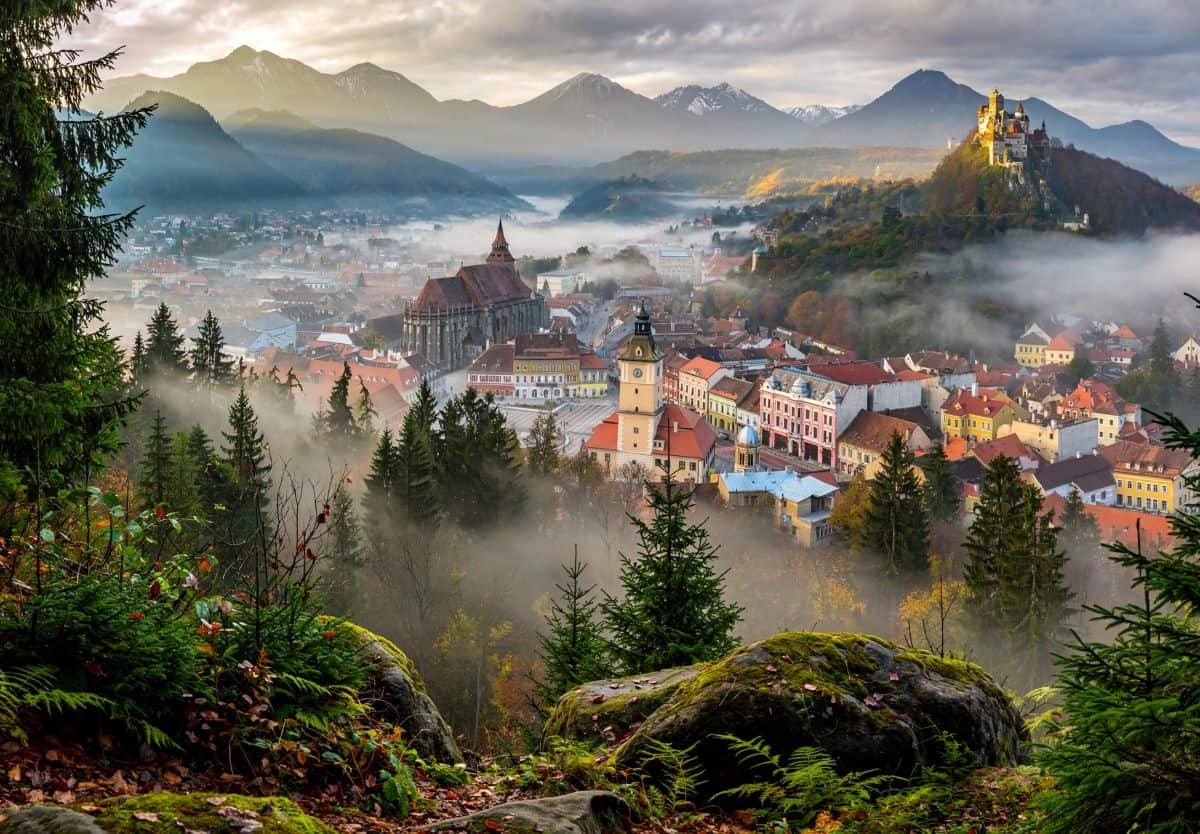
The travel industry is boring as expected. So many destinations that offer nothing but restless crowds like Lisbon, Marrakech, and the Amalfi Coast leave travelers exhausted instead of inspired. Travel organizing enthusiasts will find that when looking into Transylvania for MICE and Luxury travel, there’s a lot of authentic magic and an affordable price. They’ll likely think of the beauty of the Carpathian Mountains and the peacefulness of real castles paired with the warmth of real people instead of thinking of the overcrowded tourist spots of the world. Hosting corporate events in Transylvania gives you the lost crowds and budget control of high end corporate events and the memories will be real and inspire true awe in your guests. What planners need to know before proposing a new destination isn’t to find just another destination. It’s to find real soul and passion in travel.
Strategic Macroeconomic Factors Transforming Global Corporate Destinations
Global commercial travel is experiencing a systemic realignment driven by overtourism in legacy Western destinations. Industry analysts note that traditional meeting locations across Western Europe are struggling with severe capacity constraints, sky-high pricing structures, and depleted local resources. In response, event organizers are systematically shifting focus toward emerging, high-potential regions that offer pristine landscapes and authentic cultural heritage. This geographic diversification brings vital capital into rising markets while simultaneously easing the environmental and social pressure placed on overly popular coastal hubs. Consequently, the international hospitality ecosystem is becoming far more balanced, resilient, and structurally diversified.
This ongoing transformation fundamentally redefines what high-net-worth travelers and corporate attendees expect from premium itineraries. Modern executive delegates consistently prioritize genuine privacy, cultural immersion, and exclusive access over standardized, mass-market luxury. Emerging destinations answer this demand by offering pristine historic estates and untouched natural environments without the intrusive presence of massive tourist crowds. Furthermore, this dynamic encourages regional development, sparking targeted investments in high-speed transport infrastructure, sustainable lodging, and state-of-the-art convention facilities. As these secondary markets flourish, they establish new industry benchmarks for quality, cost efficiency, and authentic hospitality across the globe.
Advertisement
Advertisement
Unlocking Unprecedented Event Potential Across Historic Romanian Provinces
Beyond popular gothic mythology and the iconic Saxon settlements famously admired by King Charles, the historical province of Transylvania presents an extraordinarily rich, unexplored territory for commercial enterprises. Industry experts report that this scenic area contains high-grade hospitality infrastructure that remains largely unburdened by standard tourist rushes. Delegates gain seamless entry into private historic estates, secluded valleys, and dramatic mountainous terrain without enduring the intense overcrowding common to traditional resorts in Western Europe. This unique setting fosters an environment of absolute discretion, enabling corporate entities to conduct high-stakes assemblies in an atmosphere of quiet, dignified prestige.
Advertisement
Advertisement
From an economic perspective, the region provides remarkable fiscal advantages by pairing world-class service standards with highly competitive operational costs. Organization leaders can reserve magnificent premier venues that would otherwise command astronomical rates or require multi-year booking queues in over-saturated European cities. This clear financial upside empowers event architects to allocate generous budget margins toward customized, highly memorable guest experiences—ranging from private classical concerts to elite gastronomic showcases. Ultimately, the territory sets an impressive new benchmark for upscale commercial travel by harmonizing budgetary prudence with top-tier corporate elegance.
Advanced Aviation Facilities and Regional Transit Solutions
Advertisement
Advertisement
Executing flawless international conferences depends entirely on seamless, friction-free transport infrastructure for arriving delegates. The central province of Transylvania addresses this critical need through four well-placed aviation hubs: Cluj-Napoca, Brașov, Sibiu, and Târgu Mureș. Together, these modern facilities establish direct flight links to over 30 major metropolitan transit centers across Europe, including London, Milan, Rome, Warsaw, and Budapest. As a result, international flight arrangements remain simple and efficient, keeping total travel times low for time-sensitive corporate leaders.
A major catalyst for regional accessibility is the state-of-the-art Brașov-Ghimbav International Airport. Industry observers emphasize that this new gateway dramatically slashes ground transport times across surrounding corporate corridors. Most notably, travel times to iconic regional landmarks like Bran Castle have been cut to roughly 35 minutes from arrival. When combined with private motor coach fleets, luxury transfers, and charter helicopter options, regional travel becomes an integrated, highly comfortable component of the corporate itinerary.
Historic Estates and Restored Modernist Event Venues
Event planners consistently highlight Bran Castle as an unparalleled site for prestigious corporate functions requiring absolute exclusivity and historical grandeur. Once general public access ends for the day, the historic fortress converts into a private venue tailored for custom evening events. Intimate medieval halls host seated historic dinners for up to 40 guests, while the central courtyard accommodates up to 150 attendees for evening cocktail receptions. Additionally, the sweeping grounds of the Royal Park provide ample space for a 600 m² marquee, hosting grand gala celebrations for large international delegations.
Advertisement
Advertisement
Beyond historic fortresses, the territory offers a diverse selection of renovated mid-century structures and scenic hilltop venues designed to handle modern corporate needs. Notable sites like the elevated Panoramic Restaurant masterfully blend mid-century design aesthetics with cutting-edge audio-visual and event capabilities. These unique spaces allow organizers to host high-impact product reveals, executive retreats, and strategic summits in memorable environments. By offering such versatile venues, the region continually raises the bar for corporate event standards across Eastern Europe.
Broad Long-Term Impact on the Global Hospitality Industry
The global corporate travel market is experiencing a lasting structural transition as organizers move away from heavily congested, overpriced destinations. By embracing rising regional hubs in Eastern Europe, international companies actively relieve severe strain on over-touristed Western cities. In turn, this strategic migration fuels sustainable, high-value tourism growth and injects fresh capital into expanding regional economies. Over time, these changing preferences will set entirely new standards for how high-profile corporate incentives and international conventions are planned worldwide.
For international travelers, this operational shift opens up richer, more culturally authentic experiences during professional trips. Executive delegates now routinely expect genuine local heritage alongside modern luxury amenities and reliable transportation options. As Transylvania proves its capacity to host complex, top-tier international events, it serves as a powerful model for other emerging regions around the globe. Ultimately, this ongoing evolution benefits the global travel industry by creating a far more balanced, sustainable, and diverse ecosystem.
Comprehensive Financial Arbitrage, Direct Expenditure Savings, and ROI Yield Analysis Across Central and Eastern European Corporate Events
International event coordinators facing escalating operational costs in Western European travel hubs are increasingly turning their attention toward Transylvania. Recent economic evaluations reveal that traditional Mediterranean destinations, including Lisbon, Marrakech, and the Amalfi Coast, have experienced venue rental and luxury service cost increases of up to 18% year-over-year. In contrast, selecting regional destinations across Romania delivers an immediate 30% to 45% operational cost reduction across identical luxury event specifications. This notable price gap allows enterprise decision-makers to achieve significant budgetary efficiencies without sacrificing top-tier hospitality standards or event prestige.
Advertisement
Advertisement
From an executive expenditure perspective, corporate delegates attending high-level meetings in major transylvanian urban centers average daily spending figures ranging between USD $380 and $520 per day. This represents a dramatic reduction when contrasted with tier-one Western European convention hubs, where average daily delegate costs routinely exceed USD $850 per day. The resulting fiscal flexibility empowers organizers to reallocate saved capital toward elevated guest amenities, specialized private entertainment, and bespoke cultural programming. Consequently, overall corporate return on investment for international incentive programs hosted in the region increases by an estimated 22%.
Accelerating Luxury Hospitality Infrastructure Pipeline and Regional Room Night Expansion Strategies
The rapid expansion of high-end hotel infrastructure across major regional centers is fundamentally reshaping the hospitality footprint of Romania. The national hospitality sector market size is projected to grow from USD $2.46 billion in 2025 to USD $2.64 billion in 2026, registering a steady compound annual growth rate driven by incoming international commercial traffic. Key urban centers such as Cluj-Napoca, Brașov, and Sibiu are seeing significant private capital investments dedicated to expanding boutique and luxury accommodations tailored for discerning corporate travelers.
Current market data indicates that MICE travel accounts for approximately 41% of overall corporate hotel room revenues in the area, with executive attendees consistently booking higher-category suites. To support this rising international demand, more than 1,200 new luxury and five-star boutique room keys are entering the regional pipeline between 2025 and 2027. This influx of high-grade lodging ensures that emerging urban centers can comfortably host large-scale corporate retreats while maintaining high standards of privacy, service quality, and operational reliability.
Modern Air Mobility Metrics, Gateway Throughput, and Transit Infrastructure Growth Across Four Regional Hubs
Logistical planning for high-profile international assemblies relies heavily on efficient, friction-free transport infrastructure. The central province of Transylvania resolves transit challenges through four strategic aviation hubs: Cluj-Napoca International Airport, Brașov-Ghimbav International Airport, Sibiu International Airport, and Târgu Mureș International Airport. Collectively, these air facilities maintain direct flight connections to over 30 major metropolitan transport centers across Western and Central Europe, including major flight routes originating in London, Milan, Rome, Warsaw, and Budapest.
Advertisement
Advertisement
A pivotal advancement in regional accessibility was achieved with the opening of Brașov-Ghimbav International Airport, which drastically shortened ground transit corridors. Direct ground travel times from arrival terminals to iconic historic landmarks such as Bran Castle have been reduced to roughly 35 minutes, effectively cutting local travel friction by 60%. When paired with dedicated luxury coaches, private security details, and helicopter charter options, arriving corporate groups experience seamless, punctual transfers throughout their stay.
Eco-Sustainability Standards, Reduced Carbon Footprints, and Corporate ESG Alignment in Low-Density Regions
Modern corporate governance structures increasingly mandate strict adherence to Environmental, Social, and Governance criteria when selecting international meeting venues. Hosting corporate retreats in low-density, ecologically preserved environments allows organizations to achieve meaningful reductions in environmental impact compared to densely populated Western European convention centers. By avoiding overcrowded urban centers, corporate entities minimize their contribution to local environmental strain while providing delegates with pristine natural settings.
Quantitative sustainability metrics show that staging corporate gatherings in decentralized, nature-focused destinations reduces localized event carbon footprints by up to 23%. Furthermore, sustainable food sourcing practices are widely adopted across premier event estates in Sibiu and Brașov, where over 75% of catering ingredients are sourced directly from local producers within a 50-kilometer radius. This emphasis on local supply chains substantially decreases food transit miles while delivering fresh, authentic culinary experiences to guests.
Spatial Engineering, Physical Capacities, and Private Access Specs for Historic Heritage Properties
The physical transformation of medieval estates into exclusive corporate event spaces requires precise spatial management and technical integration. Bran Castle stands out as an exemplary heritage property capable of hosting sophisticated corporate gatherings once general public operating hours conclude after 18:00. The estate offers private hall dining arrangements for up to 40 guests inside medieval chambers, while the inner open-air courtyard easily accommodates up to 150 attendees for cocktail receptions and product reveals.
Advertisement
Advertisement
For grander corporate functions, the surrounding Royal Park features a expansive outdoor footprint, including 600 square meters of marquee space capable of hosting gala events for more than 500 delegates. These unique architectural properties allow event planners to combine historic atmosphere with modern event staging capabilities. Granting full private access after public hours ensures absolute privacy and security for corporate leadership during confidential proceedings.
Economic Multiplier Dynamics and Extended Bleisure Spending Trends Among Executive Delegates
High-value commercial delegates generate a distinct economic impact that far exceeds the financial contribution of mass leisure travelers. Executive delegates allocate substantial funds toward specialized local services, including expert historic guides, private ground transport, and regional artisan craft purchases. Because corporate entities cover foundational travel and lodging expenses, individual delegates retain higher disposable budgets for incidental local spending during their stay.
Industry comparative studies reveal that corporate MICE attendees spend between 17.5% and 25% more per day than standard leisure visitors in the same market. Additionally, approximately 38% of visiting executive delegates choose to extend their professional itineraries by an additional 1.5 to 2.5 days for personal leisure travel. This trend of combining business with personal leisure injects vital capital into local cultural sites, boutique lodging, and fine dining establishments during mid-week periods.
Advanced Digital Infrastructure, Gigabit Network Speeds, and Smart Event Security Standards
Modern corporate summits require robust technological infrastructure to support high-definition video broadcasting, real-time data transfer, and secure communication channels. Romania consistently ranks among the top countries globally for broadband network speeds and digital connectivity. Premier venues throughout Cluj-Napoca and Brașov feature high-speed gigabit-fiber internet connections with average speeds ranging from 500 Mbps to 1 Gbps, ensuring flawless technical execution for international corporate assemblies.
Advertisement
Advertisement
Technological adoption across premier regional event spaces is exceptionally high, with over 44% of top venues utilizing automated access management systems and high-density Wi-Fi 6 and 5G networking capabilities. These advanced setups effortlessly accommodate over 1,000 simultaneously connected digital devices per venue without signal degradation. This reliable digital environment gives corporate technology teams full confidence when hosting complex hybrid meetings and high-security executive briefings.
Geographic Traffic Redistribution and the Strategic Reduction of Overtourism in Saturated European Hubs
The strategic relocation of commercial gatherings away from heavily congested Western European cities plays an essential role in balancing global travel patterns. Traditional Western European event hubs routinely operate at over 85% capacity during peak seasons, resulting in crowded public spaces, inflated accommodation pricing, and strained municipal services. By shifting international meetings toward emerging regions, corporate planners help relieve pressure on overcrowded coastal and historical cities.
Data on delegate satisfaction highlights the tangible benefits of choosing less congested destinations. Executive privacy, security, and personal comfort ratings increase by 32% when events are hosted in non-saturated, exclusive regional environments like Transylvania. Avoiding dense tourist crowds ensures seamless group mobility, reduces transport delays, and fosters a far more relaxed, productive environment for high-level business interactions.
The Final Verdict
Distinguish leisure and routine travel from business travel. Lifeless to-do list travel shouldn’t be lumped in with the servicing of your business travel needs. There is so much to experience like countryside tours and food that is worthwhile and bought from local farms. Travel to a real destination is people’s best bet to wander with wonder again. It will give people the natural energy to experience the real world and rediscover the beauty that’s still there. Even after you put away your conference luggage, travel will touch people long after the view has been blocked with fast-paced, city life. Traveling off the beaten path will give you the natural energy you need to experience wonder again.
Advertisement
