
New Mexico Sparks A Major Historic Writer Retreat Tourism Boom Hidden Deep In Santa Fe And Taos Travel, Find Out Now

Published
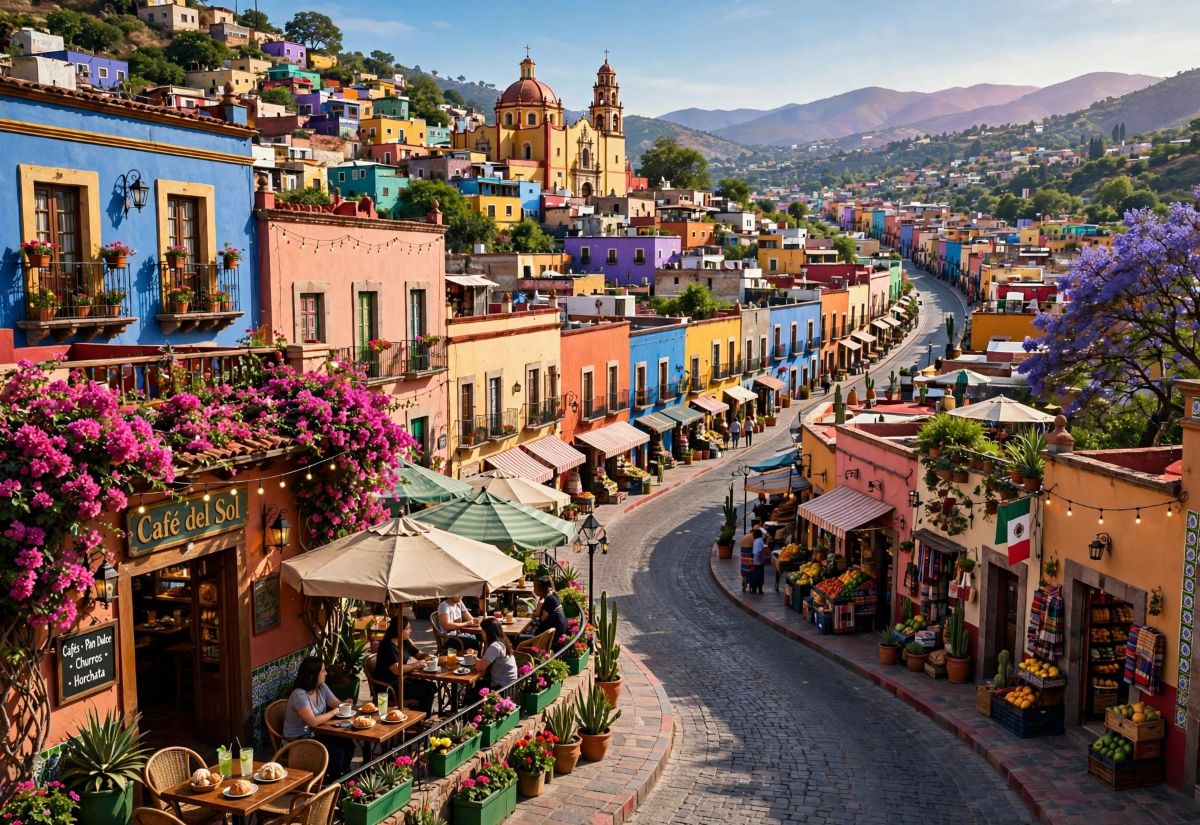
Image generated with Ai
As you pass into New Mexico, it becomes apparent you are not in Kansas (or Arizona) anymore. The high desert light has a ring of warning as you learn that the word choices you make here will be heard. Santa Fe and Taos have their own literature scene where poets and writers are drawn to the area. Hordes of writers have paid tribute to this land by creating a smorgasbord of their inspired works. New Mexico is a reading destination. Following Author Trails and seeking out a dwindling number of classic, previously owned and rare book stores brings the spirits of Lawrence, Austin and Leopold. This is book collector’s dream for peace and spirit that can only be found in books. There is nothing that captures the essence of the Southwest like the books that belong to the land and its people.
How did Santa Fe become New Mexico’s leading high-desert literary haven for avant-garde writers during the early twentieth century?
Santa Fe emerged as a premier Southwestern literary capital during the early twentieth century when an influential network of modernist writers, poets, and folklorists relocated to the Sangre de Cristo Mountains seeking profound creative liberation. The historic Camino del Monte Sol and Acequia Madre neighborhoods grew into a world-renowned arts colony anchored by visionary figures who permanently established the high-desert city as a vibrant center for radical creative expression and cultural dialogue.
Among the prominent cultural preservationists residing in Santa Fe was Mary Austin, author of The Land of Little Rain, whose legendary home Casa Querida acted as a dynamic salon for Southwestern literature and Indigenous rights advocacy. Nearby, poet Witter Bynner hosted world-famous authors at his historic estate, while downtown institutions like the Fray Angélico Chávez History Library and Collected Works Books continue to safeguard these irreplaceable high-desert literary archives today.
Advertisement
Advertisement
Why does Taos remain an essential bohemian literary retreat and D.H. Lawrence shrine destination for international cultural travelers?
Taos established its global bohemian identity largely through the transformative influence of arts patron Mabel Dodge Luhan, who established an extraordinary international cultural salon near Taos Pueblo in 1917. Her iconic adobe estate brought legendary European modernists and American avant-garde icons together, turning this remote mountain village into an internationally celebrated sanctuary for literary experimentation and intellectual discussion.
Advertisement
Advertisement
The legendary English author D.H. Lawrence drew profound artistic inspiration from the dramatic landscapes surrounding Taos, living at the serene Kiowa Ranch in nearby San Cristobal within the Carson National Forest. Today, pilgrims travel to the historic D.H. Lawrence Ranch and Shrine to view the famous ponderosa pine featured in Georgia O’Keeffe’s paintings, while independent shops like Op.Cit. Books sustain the town’s vibrant literary tradition.
What makes Albuquerque the true home of Southwestern crime noir and Chicano literature trails along historic Route 66?
Advertisement
Advertisement
Albuquerque serves as the undeniable epicenter of Southwestern crime fiction and multigenerational Chicano literature along the historic Route 66 corridor and the bustling University of New Mexico campus. Beloved mystery author Tony Hillerman, creator of the world-famous Leaphorn and Chee Navajo Tribal Police series, spent decades teaching journalism here while drawing deep inspiration from the surrounding high-desert landscapes.
The city also boasts a rich Hispanic literary tradition immortalised by legendary novelist Rudolfo Anaya, who set his foundational Chicano masterpiece Bless Me, Ultima across the historic Albuquerque neighborhoods of Barelas and Old Town. Readers exploring the Middle Rio Grande valley can visit the Tony Hillerman Portal at UNM or browse regional classics at long-standing local institutions like Bookworks and Page1 Books.
How did Silver City transform from a frontier mining town into an environmental writing capital near the Gila Wilderness?
Silver City successfully reinvented itself from a rough nineteenth-century mining settlement into an internationally revered sanctuary for nature writing, environmental journalism, and land conservation literature. Positioned right on the edge of the world’s first designated wilderness area, this historic high-desert community provided the precise physical backdrop required for early environmental thinkers to formulate modern ecological philosophy.
Advertisement
Advertisement
Pioneering conservationist Aldo Leopold, author of the seminal work A Sand County Almanac, formulated his revolutionary land ethic while stationed in Silver City as a forestry officer during the 1920s. Today, literary pilgrims explore the Aldo Leopold Trail, visit the Silver City Museum, and participate in creative writing programs hosted by Western New Mexico University that celebrate Southwestern nature essays.
Why is Las Vegas, New Mexico a must-visit historic destination for frontier journalism and Western pulp lore heritage?
Las Vegas, New Mexico offers an incredible architectural and historical step back in time with over nine hundred listings on the National Register of Historic Places reflecting its territorial railway boom. Positioned along the historic Santa Fe Trail, this vibrant town served as a central hub where frontier reportage, early silent film productions, and dramatic Western pulp fiction converged during the late nineteenth century.
The historic Plaza Hotel on Las Vegas Plaza hosted countless traveling journalists who documented the wild, rapidly changing Southwestern frontier for national newspapers. Today, the specialized archives at New Mexico Highlands University protect priceless territorial newspapers like the Las Vegas Daily Optic, while local shops like Tome on the Range supply visitors with regional folklore and land grant literature.
How Does the Financial Footprint of New Mexico’s Literary Pilgrims Upgrade the State’s Economic and Tourism Infrastructure?
Literary tourism provides a consistent, high-yield financial stream that insulates New Mexico’s regional hospitality sector from seasonal fluctuations. While traditional leisure travelers typically post an average daily expenditure of roughly $120, cultural tourists visiting author landmarks demonstrate an average daily spend of $180 to $240 across lodging, dining, and local heritage venues. Off-peak events such as winter writer retreats and spring book symposiums in Santa Fe and Taos significantly elevate hotel occupancy metrics during months when outdoor recreation slows.
Advertisement
Advertisement
The tax revenue generated through municipal lodgers’ tax and local sales taxes directly funds urban renewal projects and municipal historic preservation grants. Rather than leaking out of the region, these visitor dollars are continually reinvested in maintaining local infrastructure, ensuring that high-desert book towns preserve their unique architectural charm and public heritage sites.
In What Ways Has the Legacy of Celebrated Authors Protected Historic Adobe Architecture and Heritage Landmarks Across the High Desert?
The international renown of Southwestern authors has long functioned as a protective shield for historic territorial and adobe structures that might otherwise have faced demolition. Properties like Mary Austin’s Casa Querida in Santa Fe and the Mabel Dodge Luhan House in Taos preserve tens of thousands of square feet of traditional earthen construction. These literary sites serve as living museums that demonstrate early 20th-century preservation techniques to architects, preservationists, and visiting travelers alike.
In communities like Las Vegas, New Mexico which boasts over 900 properties listed on the National Register of Historic Places literary associations continue to secure critical public-private conservation grants. Dedicated fundraising efforts annually channel significant capital into maintaining high-altitude wooden and adobe structures, including the D.H. Lawrence Shrine situated at 8,600 feet in San Cristobal. This steady investment ensures that the physical settings that inspired classic Southwestern literature remain preserved for future generations.
How Do Independent Bookstores Drive Foot Traffic and Maintain Economic Vitality Across Historic Southwestern Plazas?
Independent bookstores serve as vital anchor institutions across New Mexico’s historic plazas, outperforming national trends through strong local community support and dedicated literary tourism. Municipalities such as Santa Fe and Taos feature per-capita independent bookstore densities that far surpass the national average, creating vibrant literary hubs within downtown commercial corridors. Destinations like Collected Works Bookstore & Coffeebar, Page1 Books, and Tome on the Range draw steady foot traffic directly into historic town centers.
Advertisement
Advertisement
The economic impact of these brick-and-mortar booksellers extends far beyond book sales. Studies tracking local spending demonstrate that up to 48% of every dollar spent at an independent local business stays within the surrounding community, compared to under 14% for online retailers or national chains. By retaining local revenue, these bookstores help sustain nearby craft shops, cafes, and family-owned restaurants across the high desert.
What Role Does Aldo Leopold’s Land Ethic Play in Promoting Environmental Stewardship and Conservation Tourism in the Gila Wilderness?
Aldo Leopold’s seminal 1949 work, A Sand County Almanac, laid the intellectual foundation for modern environmental ethics and transformed southwestern New Mexico into an international destination for eco-literary pilgrimages. Leopold’s early forestry work in Silver City directly spearheaded the establishment of the Gila Wilderness in 1924, protecting over 558,000 original acres that have since expanded into the 3.5-million-acre Gila National Forest.
Today, thousands of nature writers, conservationists, and outdoor enthusiasts travel the Aldo Leopold Trail annually to visit historic forest service sites where his wilderness philosophy took shape. This influx of eco-pilgrims reinforces regional commitment to wilderness protection, carbon-sink preservation, and sustainable forest management, demonstrating how nature writing can actively support real-world ecological conservation.
How Do New Mexico’s Frontier Literature and Territorial Archives Continue to Supply Material for Film and Television Productions?
19th-century territorial journalism, Southwestern noir, and pulp Westerns archived across New Mexico serve as primary research sources for the contemporary entertainment industry. State archival repositories including the Tony Hillerman Portal & Archive at the University of New Mexico and the historic newspaper collections at New Mexico Highlands University regularly host screenwriters, filmmakers, and historical researchers developing period screenplays.
Advertisement
Advertisement
This creative pipeline drives substantial revenue into the state economy, contributing to an annual film and television production spend that frequently reaches $500 million to $800 million. Screen adaptations of iconic Southwestern novels such as works by Tony Hillerman and Rudolfo Anaya bring millions in production capital directly to real-world filming locations in Las Vegas, Santa Fe, and Albuquerque, further cementing the link between regional literature and visual storytelling.
How Has Chicano Literature Expanded Cultural Literacy and Shaped Borderland Heritage Tourism Along the Rio Grande Corridor?
The groundbreaking work of authors like Rudolfo Anaya has fundamentally shaped the literary identity of the American Southwest, establishing Chicano literature as a pillar of American humanities. Anaya’s classic 1972 novel, Bless Me, Ultima, has achieved global sales exceeding three million copies, bringing Southwestern Hispanic folklore, land grant traditions, and borderland experiences to readers worldwide.
This literary legacy continues to influence educational curricula across high schools and universities, while driving cultural heritage tourism along the Middle Rio Grande valley. A growing demographic of travelers actively seeks out literary landmarks across historic Hispanic neighborhoods like Barelas and Old Town Albuquerque, enriching their understanding of New Mexico’s complex cultural history.
What Impact Do High-Desert Literary Festivals Have on Regional Hospitality, Dining, and Event Economies?
Literary festivals and author gatherings transform high-desert towns into international cultural destinations, drawing thousands of delegates, poets, and readers. Signature events like the Santa Fe International Literary Festival pull attendees from across the globe, generating significant demand for local hotel rooms, transportation services, and regional dining establishments.
Advertisement
Advertisement
Unlike short-term weekend tourists, literary festival attendees average longer stays of approximately 3.8 nights, allowing them to thoroughly explore surrounding historical sites, museum districts, and independent bookstores. The resulting spillover spending provides a direct boost to local artisans, shuttle operators, and independent restaurants throughout key event weekends.
How Are Smart Travel Technologies and Interactive Digital Guides Revitalizing Historic Author Trails for Next-Generation Readers?
Digital innovations are updating classic literary pilgrimages for modern travelers, making Southwestern author trails more accessible through GPS-enabled audio apps, interactive trail maps, and QR-code historical markers. Self-guided walking tours of the Santa Fe Plaza and driving routes along the Tony Hillerman Literary Trail allow visitors to explore historic literary locations at their own pace with embedded archival audio and historical photos.
These digital travel tools have driven a noticeable rise in engagement among younger Millennial and Gen Z travelers who use mobile itineraries to navigate multi-city literary loops from Albuquerque to Taos. By combining technology with historical research, New Mexico’s literary havens continue to inspire new generations of readers and travelers.
The Final Verdict
Bidding New Mexico goodbye is like closing a book with an unfinished chapter with the hope to return. There are plenty of sweeping New Mexico sunset views reminiscent of Whitman’s art. Beyond the lines of a map are author and book towns. The great artists, whose books and spirits, have inspired New Mexico, D.H. Lawrence, Mary Austin and Rudolfo Anaya, haunt these towns. They have retired to the adobes and book stores. There’s more than history and economics of writing that resides in the heart. New Mexico is the sanctuary of self-expression for of the restless souls in this fast-paced world for those who so badly need to be still. New Mexico has the perfect gift for letting you love the written word again. The space you create in your life is welcoming enough for the spirit of New Mexico to settle there. If you visit New Mexico too, you may also realize that you become one of the people of the place.
Frequently Asked Questions
- What is the best time of year to explore New Mexico’s literary sites? Spring and autumn offer ideal mild weather for touring high-desert book towns, walking historic author trails in the Carson National Forest, and attending regional cultural gatherings.
- Are the D.H. Lawrence Ranch and Shrine open to the public? Yes, the D.H. Lawrence Ranch in San Cristobal is maintained by the University of New Mexico and provides seasonal public access to the historic cabin and memorial shrine.
- How do author trails support historic preservation across New Mexico? Literary trails generate dedicated cultural tourism revenue that helps restore historic adobe estates, maintain independent bookstores, and protect vital archival collections in university libraries.
Advertisement
