
Ghana Aligns with Kenya as Higher Airfares Put Holiday Plans at Risk Amid Fuel Costs and Capacity Shortage

Published
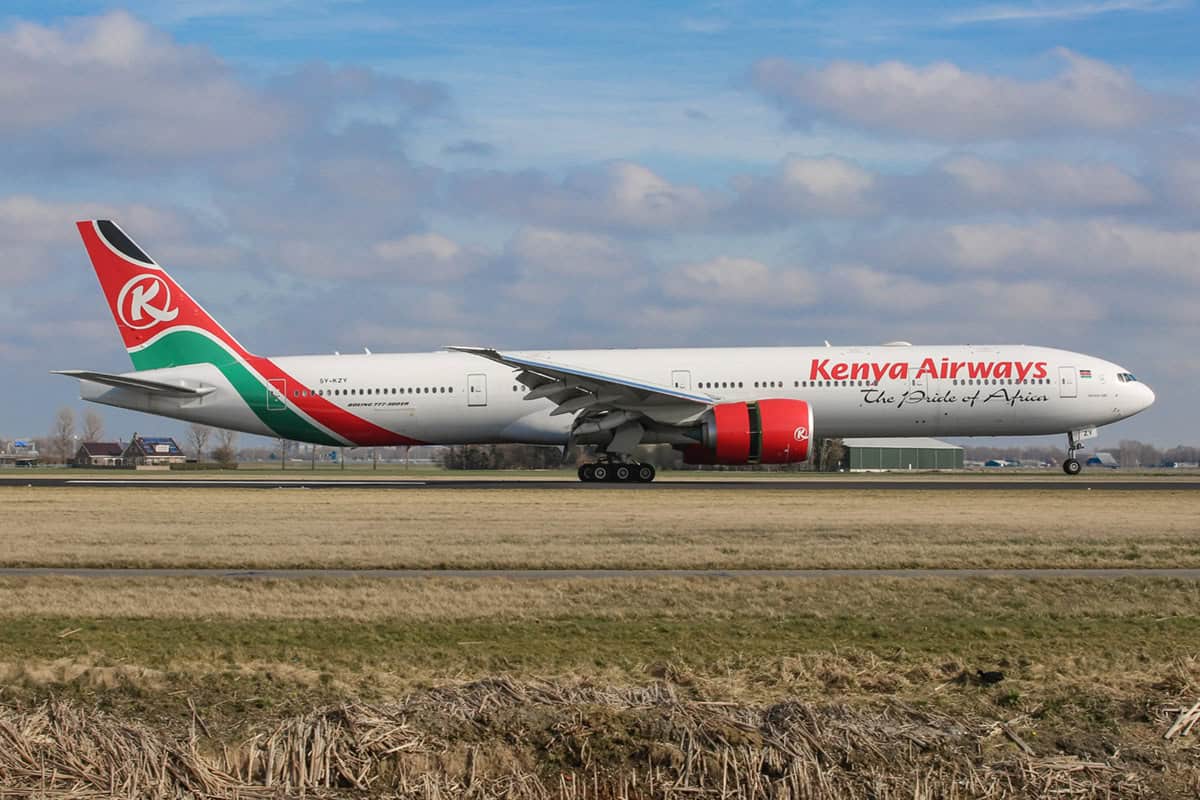
The peak travel season is just around the corner and the aviation sector in Africa is already bracing for the challenges that come with it. South Africa, Nigeria, Ghana, and other countries are expected to experience higher airfares this season, as is already the case in Kenya. The combination of high prices of aviation fuel and a significant decrease in available seats has made air travel almost impossible for the average person on the continent. Competition amongst air travelers to secure a seat has increased dramatically and has been further exacerbated by numerous factors including extremely high flight ticket prices, delays in scheduled flights, and unanticipated surcharges.
Unpacking the 2026 African Aviation Crisis
As the final quarter of 2026 commences, the African continent is witnessing an aviation and logistical challenge of unprecedented proportions. The systemic issues plaguing the sector have created a scenario where South Africa, nigeria, ghana Aligns With Kenya As Higher Airfares Put Holiday Plans At Risk Amid Fuel Costs And Capacity Crunch. This alignment is not a formally drafted geopolitical pact, but rather a shared macroeconomic and operational reality that is suffocating both airline operators and everyday consumers. African airlines have long been celebrated for their resilience, but the convergence of geopolitical conflicts, macroeconomic instability, and supply chain breakdowns has pushed the industry into a precarious corner.
For decades, the African aviation market has been characterised by high operating costs, fragmented regulatory environments, and insufficient state support. However, the developments of late 2026 have amplified these historical vulnerabilities. The situation is fundamentally redefining how citizens travel, conduct cross-border business, and plan their end-of-year holidays. To comprehend the magnitude of this crisis, it is essential to analyse the underlying catalysts that have unified the continent’s major aviation hubs in a collective struggle for survival and sustainability.
The Immediate Catalysts: Unprecedented Jet Fuel Price Surges
The lifeblood of any airline is aviation turbine fuel, commonly known as Jet A1. Historically, fuel has accounted for approximately 25 to 30 per cent of an airline’s operating expenses globally. However, for African aviation, this figure frequently exceeds 40 to 50 per cent due to structural inefficiencies, high importation taxes, and complex distribution logistics. Throughout 2026, the ongoing conflicts in the Middle East have severely disrupted global energy supply chains, leading to extreme volatility in petroleum markets.
Advertisement
Advertisement
By the third quarter of 2026, global jet fuel prices experienced aggressive spikes, occasionally breaching the $169 per barrel mark. This external shock has obliterated the profit margins of African carriers. Because jet fuel is priced in US dollars, the financial burden is exponentially magnified for airlines operating in economies with weakening local currencies. The jet fuel price surges are not merely an operational inconvenience; they are an existential threat that forces airlines to immediately pass the costs onto consumers through heavy fuel surcharges, directly impacting ticket affordability.
Supply Chain Bottlenecks and Aircraft Maintenance Delays
Compounding the fuel crisis is a severe global capacity crunch. Aircraft manufacturers and Maintenance, Repair, and Overhaul (MRO) facilities worldwide are experiencing massive backlogs [3]. The geopolitical tensions disrupting fuel lines have equally disrupted the manufacturing and shipping of critical aircraft components. For African airlines, which rely heavily on imported parts from Europe and the Americas, this has resulted in grounded fleets.
Advertisement
Advertisement
When an aircraft is grounded awaiting a simple engine component or landing gear replacement, the airline loses essential seat capacity. This capacity crunch means fewer planes are in the sky to meet the growing passenger demand, inevitably driving up the price of available seats. Airlines are unable to scale up their operations to capture holiday traffic, creating a bottleneck where demand heavily outstrips supply. This dynamic is a primary reason why holidaymakers are currently facing record-high fares across the continent.
South Africa, Nigeria, Ghana, and Kenya: A Continent-Wide Alignment
While the aviation crisis is pan-African, the alignment of the continent’s major economic powerhouses—South Africa, Nigeria, Ghana, and Kenya—highlights the systemic nature of the problem. These four nations represent critical regional hubs: Johannesburg for the South, Lagos and Accra for the West, and Nairobi for the East. The operational health of these hubs dictates the connectivity of the entire continent.
Kenya Airways: Navigating a 72 Per Cent Fuel Bill Surge
Kenya Airways, one of the continent’s most prominent carriers, offers a stark illustration of the current crisis. According to official financial disclosures in August 2026, Kenya Airways reported that its fuel costs skyrocketed by an astonishing 72 per cent during the first half of the year [3]. This astronomical increase was directly attributed to the Middle East conflict, which squeezed African airlines and disrupted aviation supply chains [3].
The airline, which had successfully returned to profitability in 2024 after more than a decade of financial struggles, saw its hard-won gains wiped out [3]. The 72 per cent surge in fuel expenditures demonstrates that increased passenger traffic does not automatically translate into stronger profits when unit costs are rising exponentially. Furthermore, Kenya Airways has openly cited that the crisis has delayed aircraft parts and maintenance, worsening their existing fleet constraints [3]. As a result, the airline is severely limited in its ability to deploy additional capacity for the upcoming December holiday rush.
Nigeria’s Operating Environment: Currency Depreciation and Capacity Limits
In West Africa, Nigeria’s aviation sector is battling its own unique iteration of the crisis. Historically, Nigeria has struggled with the issue of trapped funds, where foreign airlines were unable to repatriate billions of dollars in revenue due to acute foreign exchange shortages. While the government made significant strides in clearing these backlogs throughout 2024 and 2025, the underlying currency crisis persists.
The severe depreciation of the Naira against the US dollar has drastically inflated the cost of domestic and international operations. Nigerian airlines pay for aircraft leases, insurance, spare parts, and pilot training predominantly in US dollars, while earning their primary revenues in depreciated local currency. Earlier in the decade, Nigerian airlines threatened to suspend operations entirely over soaring fuel costs, and while complete shutdowns have been averted, the operating environment remains highly volatile. Aviation authorities and passenger associations are continually debating growth metrics, but the reality for the Nigerian consumer is that domestic air travel is rapidly becoming a luxury reserved for the elite, leaving average holidaymakers stranded.
Advertisement
Advertisement
Ghana’s Domestic Market Dilemma: Unprecedented Ticket Prices
Ghana’s aviation market is experiencing arguably the most acute pricing crisis in West Africa. The domestic market, heavily dominated by carriers such as Africa World Airlines (AWA) and PassionAir, has seen ticket prices reach unprecedented heights. Independent fare surveys conducted in September 2026 revealed that the average highest return fare on Ghanaian domestic routes hit an astonishing US$450.48 [3].
To put this into perspective, this domestic fare is comparable to, and occasionally exceeds, average regional fares within Europe [3]. The driving force behind these exorbitant costs is a combination of limited market competition, currency pressures on the Cedi, and massive fuel surcharges. Currently, airlines are applying fuel surcharges of up to GHC 440 for return trips just to recover their basic operating costs [3]. As long as these Ghana domestic airfares remain at this ceiling, domestic tourism and family reunifications during the festive season will be severely curtailed.
South Africa’s Capacity Constraints in a Post-Pandemic Reality
South Africa, boasting the most developed aviation infrastructure on the continent, has not escaped the crisis. The South African market has been structurally altered since the pandemic, most notably by the collapse of major domestic operators like Comair. This permanent removal of seat capacity created a vacuum that remaining carriers have struggled to fill due to global aircraft delivery delays.
Furthermore, South Africa flight capacity is heavily constrained by the same fuel price shocks affecting Kenya and West Africa. South African holidaymakers, traditionally accustomed to highly competitive fares on the golden triangle routes between Johannesburg, Cape Town, and Durban, are now facing steep price escalations. The lack of available aircraft to lease on short notice means that airlines cannot easily inject additional flights into the schedule to cool down prices ahead of the December holidays.
Latest Official Developments and Government Announcements
Recognising the severe economic threat posed by this aviation crisis, various African governments and regional bodies have initiated emergency policy interventions. These officially verified developments, recorded as of September 2026, represent a concerted effort to prevent a total collapse of the continent’s holiday travel infrastructure.
Kenya’s Strategic Tax Exemptions for Aviation Parts
In a highly strategic move announced in September 2026, the Kenyan government implemented targeted tax exemptions on aviation spares and parts [2]. This policy intervention is designed to achieve two primary objectives: first, to provide immediate financial relief to struggling carriers like Kenya Airways by lowering their maintenance overheads, and second, to position Nairobi as a premier regional maintenance hub.
Advertisement
Advertisement
By removing punitive taxation on imported aircraft components, Kenya is addressing the very supply chain bottlenecks that are keeping aircraft grounded. The African Airlines Association (AFRAA) officially commended this move, noting that such tax relief strengthens the competitiveness of African airlines and supports the continent’s efforts to achieve self-reliance in aircraft maintenance [2].
West Africa’s Harmonised Flight Inspection Standards
Simultaneously, in West Africa, significant regulatory progress was officially announced in mid-September 2026. AFRAA confirmed that West African nations have advanced a harmonised flight inspection standard framework [1].
Historically, airlines operating across multiple West African jurisdictions were forced to navigate a labyrinth of redundant inspections, varying safety protocols, and overlapping regulatory fees. This fragmentation added massive compliance costs to every flight. The newly harmonised framework provides a predictable regulatory environment, significantly reducing duplication and compliance costs [1]. This development is a crucial step toward lowering the operational baseline for airlines in Nigeria, Ghana, and neighbouring states, potentially accelerating the launch of new, more affordable routes.
Statistical Overview: AFRAA and IATA Reports as of September 2026
To fully grasp the dynamics of the 2026 aviation landscape, one must look at the official statistics published by authoritative institutions like the African Airlines Association (AFRAA) and the International Air Transport Association (IATA).
Evaluating Passenger Traffic Growth Against Profit Margins
According to AFRAA’s performance updates released on 15 September 2026, the African aviation industry is demonstrating paradoxical trends [1]. On one hand, there is robust capacity growth. Total seat capacity across Africa rose by 8.8 per cent in August 2026 compared to August 2025 [1]. Even more encouragingly, intra-African routes recorded a 10.5 per cent increase in seat availability [1].
However, this outward expansion masks severe underlying financial distress. AFRAA August 2026 statistics highlight that while airlines are flying more, they are not necessarily increasing their profitability. As IATA’s Global Outlook for Air Transport in 2026 notes, the global airline sector remains a low-margin industry [1]. African carriers face some of the highest unit costs in the world. When fuel prices spike and currencies depreciate, the narrow profit margins are instantly obliterated. Thus, the 8.8 per cent growth in capacity is a testament to the airlines’ resilience, but it is financially fragile and highly susceptible to the current fuel shocks.
Advertisement
Advertisement
The Impact of Geopolitical Conflicts on African Aviation
The World Bank’s Africa’s Pulse report for 2026 provides further macroeconomic context. While the region’s economic activity is projected to expand at an average annual rate of 4.4 per cent in 2026–2027, the growth in real income per capita remains sluggish at a projected 1.9 per cent [2]. This indicates that the average African consumer’s purchasing power is not keeping pace with the soaring costs of air travel [2].
Furthermore, the World Bank highlights that lingering global policy uncertainty and geopolitical tensions remain elevated [2]. For African aviation, this translates directly into higher insurance premiums for aircraft flying near conflict zones, longer flight routing to avoid restricted airspace, and continuous disruption to the supply of essential aviation commodities.
Policy Implications for African Aviation
The escalating crisis of late 2026 has forced policymakers to critically re-evaluate the continent’s long-term aviation strategies. The current vulnerabilities prove that isolated, nation-by-nation approaches to aviation management are fundamentally flawed.
The Single African Air Transport Market (SAATM)
The primary policy vehicle designed to insulate the continent from such crises is the Single African Air Transport Market (SAATM). Launched as a flagship project of the African Union’s Agenda 2063, SAATM aims to create a unified air transport market, deregulating airspace and allowing airlines to operate freely across borders without restrictive bilateral agreements.
While adoption has been slow, the 2026 capacity crunch has injected renewed urgency into the Single African Air Transport Market initiative. If airlines are allowed fifth freedom rights—the right to carry passengers between two foreign countries on a flight originating in their home country—they can optimise their routing, improve load factors, and spread their exorbitant fuel costs across a larger passenger base. The crisis has demonstrated that full implementation of SAATM is no longer an idealistic goal; it is an absolute economic necessity for the survival of African carriers.
Aligning Aviation with the African Continental Free Trade Area (AfCFTA)
Aviation does not operate in a vacuum; it is the vital logistical artery that supports the African Continental Free Trade Area (AfCFTA). Efficient, affordable air transport is required to move high-value goods, facilitate cross-border corporate investments, and enable the free movement of business personnel. The current scenario, where South Africa, nigeria, ghana Aligns With Kenya As Higher Airfares Put Holiday Plans At Risk Amid Fuel Costs And Capacity Crunch, directly threatens the operationalisation of AfCFTA. Policymakers are now explicitly linking aviation tax reforms, such as Kenya’s recent parts exemption, to broader trade facilitation goals.
Advertisement
Advertisement
Economic Implications and Broader Industry Impact
The ripple effects of the aviation capacity crunch extend far beyond the departure lounge, impacting the core pillars of the African economy.
The Squeeze on Regional Tourism and Hospitality
The most immediate victim of exorbitant airfares is the tourism and hospitality sector. Nations like Kenya and South Africa rely heavily on international and intra-regional tourism to generate foreign exchange, create jobs, and stimulate local economies. As ticket prices surge, tourists are forced to either shorten their stays, downgrade their accommodation, or cancel their trips entirely.
For the domestic tourist in Ghana or Nigeria, the cost of a 45-minute flight to a coastal resort or a cultural festival has become prohibitive. This leads to massive revenue losses for hotels, tour operators, restaurateurs, and local artisans. The African holiday travel 2026 season is projected to see a significant downturn in domestic tourism receipts unless airlines can manage to release discounted capacity in the final weeks of the year.
Cross-Border Trade and the AfCFTA
Beyond leisure travel, business travel is taking a severe hit. Small and Medium Enterprises (SMEs), which form the backbone of the African economy, rely on affordable flights to source goods, meet suppliers, and explore new markets. The capacity crunch and high fares are essentially acting as a non-tariff trade barrier, restricting the physical mobility of entrepreneurs. This severely undermines the promised economic integration of the continent.
The Approaching Holiday Season: What Travellers Must Expect
For the millions of African citizens planning to travel for the December festive season, the outlook requires careful navigation and adjusted expectations.
Rising Ticket Prices and Last-Minute Booking Risks
Consumers must be acutely aware that the traditional strategy of waiting for last-minute holiday discounts is exceptionally risky in 2026. Because airlines are operating with constrained fleets and high load factors (projected by IATA at a record 83.8 per cent globally) [1], flights are filling up faster than ever. As availability dwindles, algorithmic pricing models automatically push the remaining seats to premium price tiers.
Advertisement
Advertisement
Travellers traversing the Johannesburg-Lagos, Nairobi-Accra, or domestic Cape Town routes should expect to pay a significant premium. The mandatory fuel surcharges, which airlines legally apply to recover their operational deficits, will remain deeply embedded in the final ticket price.
Alternative Travel Contingencies and Consumer Sentiments
In response to the airfare crisis, consumer behaviour is rapidly shifting. There is a noticeable resurgence in long-haul luxury bus travel across Southern and West Africa as middle-class families seek affordable alternatives to flying. However, poor road infrastructure and cross-border delays make this a gruelling substitute. The overarching consumer sentiment is one of frustration, with increasing pressure being placed on national governments to subsidise domestic aviation fuel or cap surcharges during peak religious and cultural holidays.
Expert Perspectives and Authoritative Statements
Aviation authorities and economic experts are unified in their assessment of the situation. As highlighted in recent industry reviews, “African aviation has always been resilient. But the latest fuel crisis is a reminder that resilience alone is no longer enough” [1]. The consensus is that the future belongs to airlines that can combine operational resilience with ruthless efficiency and strategic long-term planning.
The African Airlines Association (AFRAA) continues to advocate for governments to reduce the crushing burden of taxes and levies placed on the aviation sector. Currently, passengers in Africa pay some of the highest airport taxes in the world, which artificially inflates ticket prices before the airline even factors in the cost of fuel.
Future Outlook: Building Resilience in African Aviation
Looking past the immediate 2026 holiday crisis, the African aviation sector must undergo structural transformations to survive future macroeconomic shocks.
The Transition to Sustainable Aviation Fuels (SAF)
One critical, albeit long-term, solution is the transition to Sustainable Aviation Fuels (SAF). While SAF is currently more expensive than conventional Jet A1, localising the production of SAF on the African continent could eventually insulate airlines from Middle Eastern geopolitical shocks and foreign exchange fluctuations. South Africa and Kenya have already begun exploratory studies into SAF production facilities, viewing it as both an environmental imperative and a matter of national energy security.
Advertisement
Advertisement
Strategic Fleet Management and Leasing Adjustments
Furthermore, African airlines are actively rethinking their fleet management strategies. To combat the capacity crunch, carriers are exploring closer interline agreements and wet-leasing options (leasing an aircraft complete with crew, maintenance, and insurance) from non-traditional markets. By pooling resources, harmonising regulations—as seen in West Africa—and securing government support through tax relief, the industry aims to build a buffer against future crises.
While the road ahead is fraught with turbulence, the fundamental demand for air travel in Africa’s rapidly urbanising and youthful population guarantees that the sector will endure. However, for the holidaymakers of 2026, the immediate reality remains a daunting landscape of elevated costs and limited choices.
Advertisement
