
Greece Advances With Croatia and Others as Boutique Ports Drive New Mediterranean Cruise Travel Experiences

Published
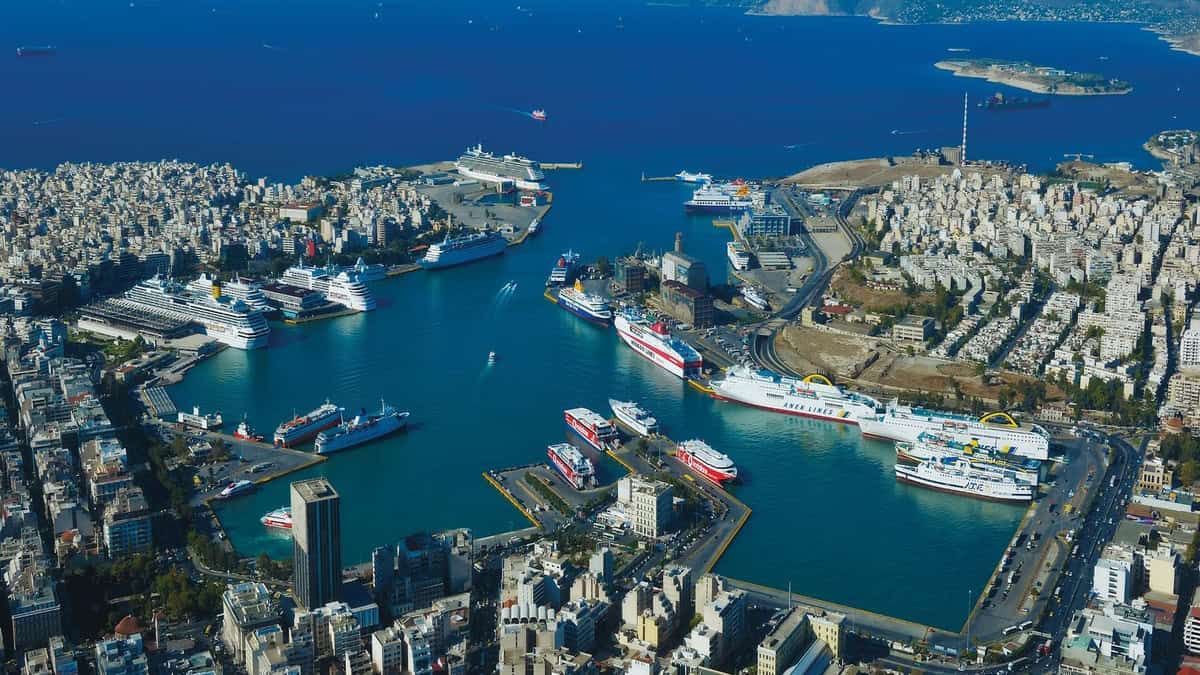
Image generated with Ai
Mediterranean cruising is entering a new phase as operators increasingly move beyond traditional high-volume ports and develop smaller, experience-focused itineraries across Greece, Italy, Croatia and Türkiye. The emerging cruise strategy is centred on boutique ports, island communities, cultural immersion and luxury small-ship experiences. Greece is becoming a key example of this transition, with destinations beyond Athens and Piraeus gaining attention as travellers seek authentic coastal experiences. Croatia’s Adriatic ports, Italy’s historic maritime destinations and Türkiye’s Aegean coastline are also strengthening their roles in the next generation of Mediterranean cruise travel.
Mediterranean Cruise Market Moves Beyond Mega Ports Towards Boutique Coastal Experiences
The latest evolution in Mediterranean cruise travel is not focused only on increasing ship capacity or adding more calls at established gateways. The new direction is centred on destination depth, where travellers spend more time exploring smaller communities, heritage locations and island environments.
The shift is creating new opportunities for destinations that previously operated outside the traditional cruise circuit. Greece, Croatia, Italy and Türkiye are increasingly positioned around smaller-scale experiences, combining maritime access with cultural tourism, local gastronomy, nature-based activities and heritage exploration.
This transformation is particularly important as cruise travellers increasingly seek experiences that feel more personalised. Instead of visiting only globally recognised ports, passengers are showing stronger interest in lesser-known islands, coastal towns and regional destinations.
Advertisement
Advertisement
For cruise operators, smaller ports provide opportunities to develop premium itineraries, reduce pressure on overcrowded destinations and create differentiated products for luxury and expedition-style travellers.
| Previous Mediterranean Cruise Focus | Emerging Cruise Strategy |
|---|---|
| Large passenger ports | Smaller coastal destinations |
| Short city excursions | Longer cultural experiences |
| High-volume tourism | Boutique and premium travel |
| Famous landmarks | Local communities and hidden destinations |
| Large ships | Small ships and luxury vessels |
Greece Leads Mediterranean Cruise Transformation Through Island and Regional Expansion
Greece has become one of the clearest examples of how Mediterranean cruising is expanding beyond traditional gateways.
Advertisement
Advertisement
The country’s cruise network has historically been anchored around major ports such as Piraeus, which serves Athens, alongside destinations including Corfu, Rhodes and Heraklion. However, the next growth phase is increasingly connected with smaller island destinations and regional ports.
According to Visit Greece, Greek cruising recorded significant activity in recent years, with 2023 welcoming 5,230 cruise calls and more than 7 million passengers. The country has also highlighted the growing role of smaller destinations including Paros, Syros, Lesvos and Agios Nikolaos in attracting cruise visitors.
This creates a wider traveller benefit. Visitors can experience Greek landscapes, archaeological sites, island traditions and local communities without concentrating only on the country’s busiest tourism centres.
Athens and Piraeus remain strategically important because they provide:
- international air connectivity
- cruise homeport facilities
- access to mainland attractions
- connections to Aegean island routes
However, smaller Greek islands are increasingly becoming valuable additions to premium cruise programmes.
| Greek Cruise Location | Strategic Importance |
|---|---|
| Athens | International gateway and cultural tourism hub |
| Piraeus | Major cruise departure and arrival port |
| Rhodes | Historic island destination |
| Crete | Heritage, nature and gastronomy experiences |
| Paros | Boutique island cruising appeal |
| Syros | Cultural and regional island experience |
Croatia Strengthens Adriatic Position Through Smaller-Port Cruise Growth
Croatia represents another major part of the Mediterranean’s move towards experience-led cruising.
Advertisement
Advertisement
The country’s Adriatic coastline offers a combination of historic towns, islands and smaller maritime destinations suitable for both traditional and boutique cruise operations.
Official Croatian statistics show continued cruise activity growth. In the first five months of 2026, 49 foreign cruise vessels arrived in Croatian seaports, completing 163 journeys, while passenger numbers reached 221,000, representing growth compared with the same period of 2025. Dubrovnik remained the most visited cruise destination during this period with 130 vessel visits. dzs.gov.hr
The wider Croatian cruise network includes destinations such as:
- Dubrovnik
- Split
- Zadar
- Šibenik
- Korčula
- Hvar
These locations demonstrate why smaller Mediterranean ports are becoming increasingly important. They combine cruise accessibility with heritage attractions, coastal scenery and regional experiences.
| Croatian Destination | Cruise Value |
|---|---|
| Dubrovnik | Historic city and established cruise gateway |
| Split | Cultural heritage and Adriatic connectivity |
| Zadar | Regional access and cruise infrastructure |
| Šibenik | Smaller-port and boutique cruise potential |
| Korčula | Island culture and coastal experiences |
Croatia’s transport authorities have also identified cruise specialisation opportunities for ports including Dubrovnik, Zadar and Šibenik, supporting future development of passenger and cruise facilities.
Italy Expands Experience-Based Mediterranean Cruise Opportunities
Italy remains one of the Mediterranean’s strongest cruise markets because of its combination of history, culture and coastal destinations.
Advertisement
Advertisement
While major ports continue to attract international cruise traffic, the wider trend is moving towards experiences that connect travellers with regional destinations.
Italian cruise routes increasingly highlight:
- historic coastal cities
- island destinations
- regional food tourism
- cultural heritage sites
The country benefits from extensive maritime infrastructure and its position at the centre of Mediterranean sailing routes.
The future opportunity for Italy is balancing established cruise gateways with destinations that offer deeper local experiences.
This approach allows cruise operators to diversify itineraries while giving travellers more authentic connections with Italian regions.
Türkiye’s Aegean Coast Gains Importance in New Mediterranean Cruise Networks
Türkiye is becoming increasingly relevant in the changing Mediterranean cruise landscape, particularly through its Aegean coastline.
Advertisement
Advertisement
Destinations connected with Turkish coastal cruising offer:
- ancient heritage sites
- Mediterranean landscapes
- cultural tourism experiences
- access between Europe and Asia
The Aegean region provides a natural link between Greek island routes and wider Eastern Mediterranean itineraries.
For cruise operators, Türkiye offers the ability to create multi-country journeys combining Greece, Türkiye and other Mediterranean destinations within one itinerary.
This regional connectivity supports the broader movement away from single-destination cruising towards experience-rich maritime travel.
Why Smaller Cruise Ports Matter for Travellers and the Cruise Industry
The expansion of smaller Mediterranean cruise destinations creates several important changes for travellers.
More authentic destination experiences
Smaller ports allow passengers to explore places with stronger local identity, traditional communities and regional culture.
Advertisement
Advertisement
Reduced dependence on overcrowded gateways
Cruise diversification can help distribute visitor flows across a wider range of destinations.
Growth of premium travel products
Luxury and expedition-style ships can create specialised itineraries focused on:
- food
- history
- nature
- archaeology
- local traditions
New opportunities for local economies
Smaller coastal communities can benefit from:
- visitor spending
- tourism employment
- local business development
- cultural tourism investment
Traveller Impact: What Cruise Passengers Need to Know
| Traveller Consideration | Impact |
|---|---|
| More boutique routes | Greater choice beyond traditional ports |
| Smaller destinations | More cultural and local experiences |
| Luxury small ships | Higher focus on personalised travel |
| Regional itineraries | Multi-country Mediterranean exploration |
| Seasonal planning | More flexibility required for island routes |
Travellers planning Mediterranean cruises should increasingly evaluate the complete itinerary rather than focusing only on the departure port.
The value of future cruise holidays will increasingly depend on the quality of destinations visited, shore experiences and access to less crowded locations.
Operational Takeaways for Travel Agents and Tour Operators
- Monitor new small-port cruise itineraries across Greece, Croatia, Italy and Türkiye.
- Develop packages combining cruise stays with regional land experiences.
- Highlight cultural, culinary and nature-based excursions.
- Prepare clients for smaller ports with limited transport capacity.
- Track seasonal availability because island destinations remain highly dependent on maritime schedules.
- Promote premium cruise products focused on authentic experiences rather than only traditional sightseeing.
Long-Term Outlook
The Mediterranean cruise market is moving towards a more diversified model where smaller destinations become central to future growth. Greece’s island network, Croatia’s Adriatic coastline, Italy’s cultural regions and Türkiye’s Aegean destinations demonstrate how cruise tourism is evolving from a port-volume model into an experience-driven travel ecosystem.
Advertisement
Advertisement
For international travellers, this means future Mediterranean cruises are likely to offer broader destination choices, deeper cultural connections and more personalised journeys. For the cruise industry, the strategic opportunity lies in creating balanced routes that combine iconic locations with emerging coastal destinations.
FAQs
1. Why are Mediterranean cruise companies focusing on smaller ports?
Cruise operators are developing smaller-port itineraries because travellers increasingly want authentic cultural experiences, less crowded destinations and premium travel options.
2. Which Greek destinations are becoming important for cruise expansion?
Alongside Athens and Piraeus, destinations such as Paros, Syros, Lesvos and Agios Nikolaos are gaining attention for regional cruise experiences.
3. Is Croatia becoming a stronger cruise destination?
Yes. Official Croatian statistics show increasing cruise activity, with growth in vessel arrivals, journeys and passengers during 2026.
4. How will this trend affect cruise travellers?
Travellers can expect more boutique itineraries, smaller destinations, cultural experiences and premium cruise options.
5. What should travel agents focus on when selling future Mediterranean cruises?
Agents should highlight destination experiences, regional combinations, seasonal availability and smaller-port itineraries rather than only major cruise hubs.
Advertisement
