
Greece’s Mount Olympus Gains UNESCO Recognition Creating New Travel Opportunities Worldwide

Updated
Published
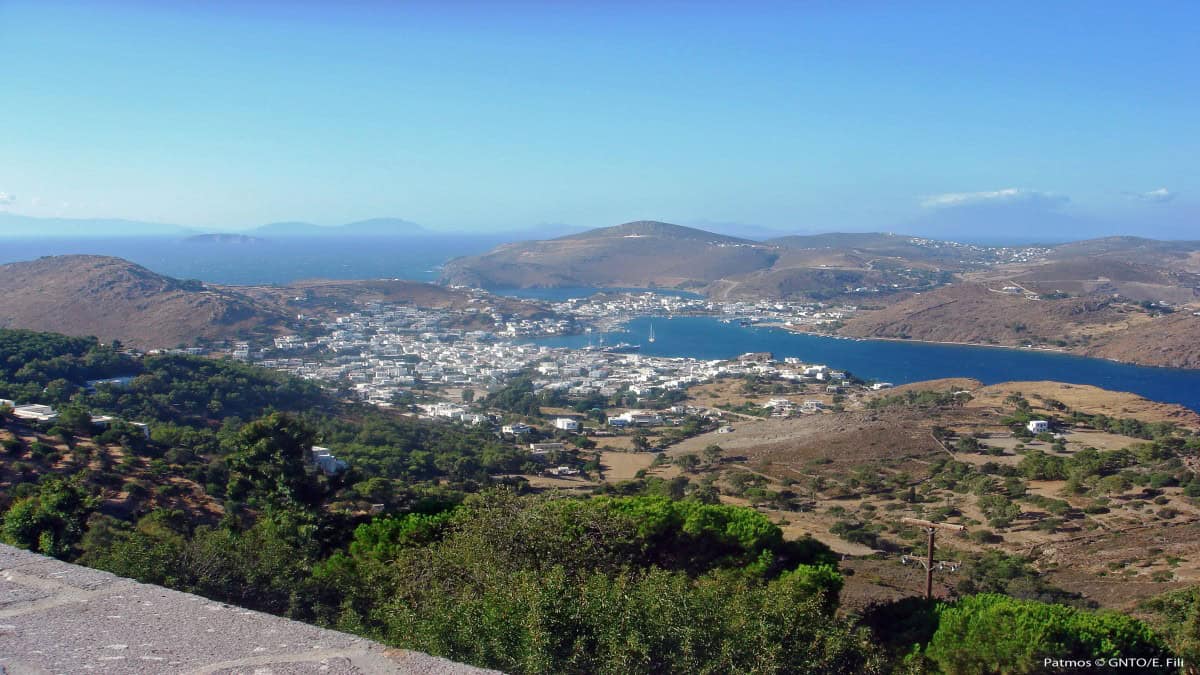
The illustrious Mount Olympus of Greece has kicked off a new chapter by being named a UNESCO World Heritage Site, thereby offering new opportunities for travel enthusiasts to discover one of the most recognised mountains on the planet. This title is given to the mountain, as it represents a great mix of history, culture, biodiversity, and scenery. Being situated in the northern part of Greece, Mount Olympus has attracted generations of travellers who believe it to be the home of Zeus and the Twelve Olympian deities. The altitude of the mountain is equal to 2,918 metres which will bring together storytelling and the nature of the place, making it one of the main travel destinations for thrill-seeking tourists as well as history and nature enthusiasts.
Why Mount Olympus UNESCO Status Matters for Travellers Exploring Greece
The UNESCO World Heritage recognition places Mount Olympus among destinations considered to have outstanding universal value. For travellers, this means the mountain is not only a scenic destination but also a place protected for its cultural and environmental importance. Mount Olympus represents a rare combination of natural and cultural heritage. The destination connects ancient Greek mythology with diverse ecosystems, mountain trails, forests, wildlife and historical sites.
Advertisement
Advertisement
Visitors can experience:
- Ancient Greek mythology linked to Zeus and the Olympian gods
- Protected mountain landscapes and rare biodiversity
- Hiking routes through forests, valleys and alpine terrain
- Traditional villages surrounding the mountain
- Historical and religious landmarks connected with the region
The UNESCO listing is also expected to support sustainable tourism management. Increased global attention can create new opportunities for local communities while encouraging responsible travel practices to protect fragile mountain environments.
Advertisement
Advertisement
Mount Olympus Travel Guide What Tourists Need to Know Before Visiting
Mount Olympus offers different experiences depending on the type of traveller. Adventure seekers can explore challenging hiking routes, while cultural travellers can discover the mythology and history surrounding the mountain. The main gateway for visitors is the town of Litochoro, located near the eastern side of Mount Olympus. The town serves as a popular starting point for travellers heading towards mountain trails and national park areas.
Travellers visiting Mount Olympus should consider:
Advertisement
Advertisement
Best time to visit:
- Spring and autumn are ideal for hiking due to comfortable temperatures.
- Summer attracts many visitors but higher areas can still experience changing weather conditions.
- Winter conditions require additional preparation because mountain routes can become difficult.
Recommended activities:
Advertisement
Advertisement
- Hiking through Olympus National Park
- Exploring mountain villages
- Visiting archaeological and cultural attractions nearby
- Photography and nature observation
- Experiencing Greek mountain cuisine
Mount Olympus is suitable for both experienced hikers and travellers looking for a unique cultural experience. However, visitors should prepare carefully because the mountain environment can change quickly.
Is There an Entrance Fee for Mount Olympus UNESCO World Heritage Site
Unlike many archaeological attractions in Greece, Mount Olympus is a natural mountain destination and does not operate like a traditional ticketed monument. Travellers generally do not need to purchase a standard entrance ticket to access the mountain landscape.
However, visitors may need to consider costs related to:
- Guided hiking tours
- Mountain accommodation
- Transport to nearby villages
- Equipment rental for climbing activities
- Visits to nearby museums or archaeological sites
Tourists should check official local tourism information before travelling because regulations, access rules and protected area guidance may change.
Advertisement
Advertisement
How to Reach Mount Olympus From Major Greek Travel Hubs
Mount Olympus is located in northern Greece between the regions of Pieria and Larissa. Its location makes it accessible from several major tourism centres.
From Thessaloniki:
- Distance: Around 90 kilometres
- Travel time: Approximately 1.5 hours by car
- Transport options include rental cars, buses and organised tours
From Athens:
- Distance: Around 400 kilometres
- Travel time: Around 4.5 to 5 hours by road
- Train and bus connections are available towards nearby areas
The closest major international airport is Thessaloniki Airport, which connects northern Greece with several European destinations. Travellers often combine a Mount Olympus visit with nearby attractions, including archaeological sites, coastal areas and traditional Greek villages.
Mount Olympus Hiking Experiences Attract Adventure Travellers Worldwide
The UNESCO recognition is expected to strengthen Mount Olympus’ position as a leading adventure travel destination. The mountain offers some of Greece’s most impressive hiking landscapes, with routes passing through forests, rivers, cliffs and high-altitude areas. One of the most famous hiking goals is reaching the Mytikas summit, the highest point of Mount Olympus. However, this route requires strong physical preparation and mountain experience.
Popular visitor experiences include:
Advertisement
Advertisement
- Enipeas Gorge hiking routes
- Prionia trail starting points
- Refuge stays for overnight mountain adventures
- Wildlife observation
- Guided nature tours
The mountain is home to significant biodiversity, including rare plants and animal species. This ecological value was one of the important factors behind its international recognition.
New Tourism Opportunities Expected After Mount Olympus UNESCO Recognition
The UNESCO status is likely to increase global awareness of Mount Olympus and encourage more travellers to explore northern Greece. The recognition can benefit local tourism businesses, including hotels, restaurants, guides and outdoor adventure operators. Local communities around Olympus are expected to play an important role in managing visitor growth. Sustainable tourism strategies will be essential to balance increasing demand with environmental protection.
For travellers, the development could bring:
- More organised tourism services
- Improved visitor facilities
- Greater international promotion
- More sustainable travel experiences
The recognition also strengthens Greece’s position as a destination where history, nature and adventure combine.
Responsible Travel Becomes Essential for Protecting Greece’s Legendary Mountain
As Mount Olympus gains popularity among international visitors, responsible tourism will become increasingly important. The mountain’s natural environment requires careful protection because increased foot traffic can affect ecosystems.
Visitors are encouraged to:
Advertisement
Advertisement
- Stay on marked trails
- Avoid damaging plants and wildlife habitats
- Carry waste responsibly
- Respect local communities
- Follow safety guidance from authorities
UNESCO recognition provides global attention, but preserving Mount Olympus depends on how visitors and tourism operators interact with the landscape.
Mount Olympus Creates a New Must-Visit Experience for Greece Travellers
The acknowledgement of Mount Olympus as a UNESCO World Heritage Site has made this mythical mountain even more attractive for international travel. The mix of legends, nature, adventures and historical significance creates an exciting opportunity for people to discover not only Greece’s popular islands and seaside spots but to come to Mount Olympus and explore the site where landscapes are connected with the stories of the Greeks. For those planning holidays in Greece, a new status of Mount Olympus will serve as a guarantee of a great time going around ancient places in the breathtaking mountain region in Europe.
Advertisement
