
Delta A330 Diverts to Portugal After Cabin Smoke Forces Emergency Landing on Barcelona-Boston Route

Published
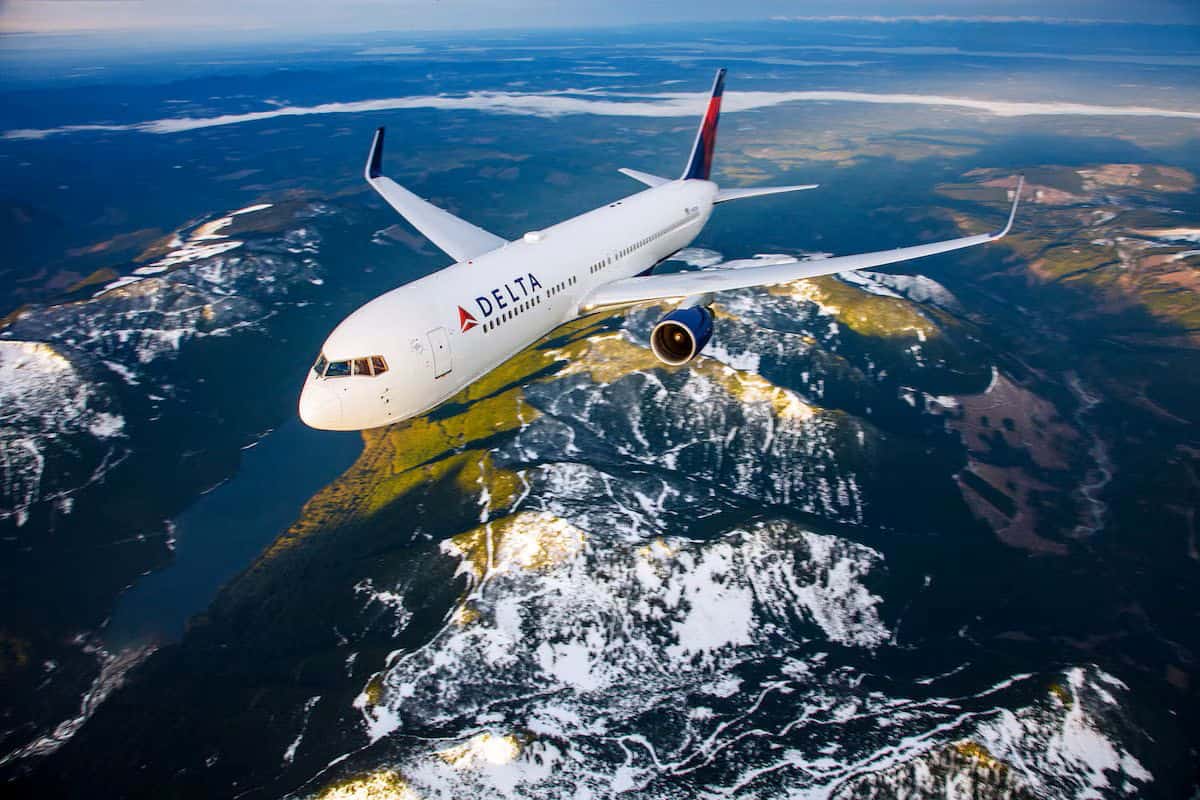
A Delta flight emergency landing in Portugal disrupted a transatlantic journey from Barcelona to Boston after smoke filled the cabin. Flight DL251 departed Barcelona at 3.15pm on Sunday, carrying 296 people aboard an Airbus A330. The aircraft diverted to Porto after roughly two and a half hours in flight. Portuguese authorities said smoke inside the cabin prompted the emergency diversion. Four people, including three passengers and one crew member, were taken to hospital. Several others received treatment at Porto Airport after the aircraft landed safely. The incident highlights the operational risks of smoke and fumes aboard long-haul aircraft. It also underlines the importance of rapid diversion decisions when cabin conditions deteriorate.
Smoke Triggers A Sudden Atlantic Diversion
The aircraft left Barcelona-El Prat Airport bound for Boston Logan International Airport on Sunday afternoon. The scheduled journey was expected to take about eight and a half hours. Instead, the flight changed course over the Atlantic after smoke became an immediate concern inside the passenger cabin.
Advertisement
Advertisement
Flight-tracking data showed the aircraft travelling across northern Spain before continuing towards the Atlantic. It eventually made a sharp diversion towards Portugal. The aircraft reached approximately 32,000 feet during the journey.
The aircraft landed at Francisco Sá Carneiro Airport in Porto after spending roughly two and a half hours airborne. Emergency vehicles were positioned on the tarmac as the aircraft arrived.
Advertisement
Advertisement
The incident involved Delta flight DL251, a regular transatlantic service connecting Barcelona with Boston. The diversion transformed what should have been a straightforward Europe-US journey into an unexpected overnight disruption for hundreds of travellers.
Delta said the aircraft experienced a mechanical issue and landed safely in Porto. Portuguese reporting, however, identified smoke in the cabin as the reason for the emergency response.
Advertisement
Advertisement
That distinction matters operationally. A mechanical malfunction can require an immediate diversion even without visible smoke. Once smoke or fumes enter the passenger compartment, however, the crew must also consider passenger exposure and the possibility of a developing fire.
Four Travellers Taken To Hospital
The emergency response continued after the aircraft reached the Portuguese airport. Four people were taken to hospital, including three passengers and one member of the crew.
Two male passengers were reported to have suffered mild respiratory symptoms associated with smoke inhalation. Hospital officials said they remained in a stable condition.
The reported medical response extended beyond those four hospital admissions. Local reports said 12 people required oxygen during the flight, while eight people received treatment on the airport apron after landing.
Those figures demonstrate how quickly a cabin-smoke event can become a passenger-health issue. Even when an aircraft lands without structural damage, exposure to smoke can create respiratory problems and require immediate medical assessment.
For travellers, the episode also illustrates why cabin crews treat smoke as an emergency rather than a routine technical inconvenience. The source may initially remain unclear, while the potential consequences can develop quickly.
Advertisement
Advertisement
| Incident Detail | Reported Information |
|---|---|
| Flight | Delta DL251 |
| Route | Barcelona to Boston |
| Departure airport | Barcelona-El Prat |
| Diversion airport | Porto |
| Aircraft | Airbus A330 |
| People aboard | 296 |
| Departure time | 3.15pm Sunday |
| Approximate time airborne | 2.5 hours before diversion |
| Cruise altitude reported | About 32,000 feet |
| People taken to hospital | 4 |
| People reported to receive oxygen | 12 |
| People treated on tarmac | 8 |
| Primary emergency concern | Smoke in cabin |
| Destination | Boston Logan International Airport |
Why Cabin Smoke Demands Immediate Action
Smoke inside an aircraft presents a very different challenge from ordinary passenger discomfort. Crews must establish whether the source involves electrical equipment, ventilation systems, an engine-related issue, an onboard fire or another malfunction.
The exact cause of this incident had not been publicly established in the reports available at publication. It would therefore be premature to attribute the smoke to a specific aircraft component.
Aviation regulators have long treated smoke and fumes as serious safety concerns. The US Federal Aviation Administration notes that mechanical failures, including problems involving engine oil seals or ventilation components, can allow fumes to enter the cabin.
Aircraft certification and operational procedures also require extensive safeguards against smoke and fire. However, those protections do not eliminate the need for diversion when an unexplained cabin event develops.
For passengers, the practical lesson is straightforward. Smoke should always be treated as an emergency signal, regardless of whether flames are visible.
The aircraft’s diversion to Porto therefore reflects a fundamental aviation principle. When the cabin environment becomes uncertain, reaching a suitable airport quickly can become more important than continuing towards the original destination.
Advertisement
Advertisement
Porto Became The Critical Safety Gateway
The choice of Porto provided the aircraft with an established international airport capable of handling a wide-body diversion. Its location on Portugal’s Atlantic coast also makes it strategically relevant for flights crossing between Europe and North America.
For an aircraft already heading west from Spain, Porto offered a practical alternative to continuing across the Atlantic. The decision reduced the remaining exposure time for passengers and placed the aircraft within reach of airport emergency services.
This is particularly significant on long-haul flights. Once an aircraft moves beyond the European mainland, the number of immediately accessible diversion airports can fall sharply.
Flight crews continuously evaluate fuel, weather, aircraft condition, airport suitability and passenger needs when selecting a diversion airport. A decision that appears abrupt to passengers can therefore involve multiple operational considerations.
The Porto diversion also demonstrates the value of Europe’s dense aviation infrastructure. Spain and Portugal sit along one of the major gateways between European and North American air networks.
The Disruption Continued After Landing
The emergency landing did not mark the end of the disruption for affected travellers. The original flight could not simply continue to Boston after reaching Porto.
Advertisement
Advertisement
A Boston-bound flight scheduled to depart Porto at 1pm on Monday was reported cancelled. Delta planned another Boston service from Barcelona at 3.15pm on Monday.
That created a complicated recovery situation for passengers who had expected to arrive in Massachusetts after a single overnight transatlantic journey.
Travellers may also have faced separate challenges involving checked baggage, onward connections, accommodation and ground transport. Passengers with connecting flights should therefore verify every sector rather than relying solely on the status of their original booking.
| Traveller Issue | What Passengers Should Check |
|---|---|
| Rebooking | Confirm the new flight number and departure airport |
| Baggage | Establish whether luggage was removed in Porto |
| Connections | Recheck every onward reservation |
| Accommodation | Ask the carrier whether assistance applies |
| Meals | Check whether disruption assistance is available |
| Airport transfer | Confirm whether a new departure from Barcelona is required |
| Documentation | Keep boarding passes, receipts and disruption notices |
What EU Passenger Rules Mean Here
The Barcelona departure is particularly relevant because it originated within the European Union. EU Regulation 261/2004 provides passenger protections covering cancellations, long delays and denied boarding under defined circumstances.
However, travellers should not automatically assume that every emergency diversion produces a fixed cash payment. Compensation can depend on the circumstances surrounding the disruption and whether those circumstances qualify for an exemption.
The distinction between assistance and compensation is also important. Passengers may have rights concerning rerouting or reimbursement, while compensation is a separate question.
Advertisement
Advertisement
A diversion can also have a different legal treatment depending on what happens afterwards. If passengers are transported to their intended destination under appropriate arrangements, the event may ultimately be assessed differently from a flight that effectively terminates at the diversion airport.
Travellers should therefore retain boarding passes, booking confirmations, airline messages and reasonable receipts. Those records can become important when submitting a disruption claim.
The European Commission maintains detailed guidance on air passenger rights and provides information on national enforcement bodies.
Smoke Safety Offers Passengers A Clear Lesson
The incident also reinforces several practical safety habits that apply to every traveller. Passengers should pay attention to the safety demonstration rather than treating it as routine background information.
The FAA advises passengers to locate exits, count seat rows to those exits and follow crew instructions during an emergency. It also specifically advises passengers to leave carry-on baggage behind during an evacuation.
That instruction can become critical when smoke affects visibility. A passenger who stops to retrieve a suitcase can slow an evacuation and obstruct other people moving towards an exit.
Advertisement
Advertisement
Passengers should also avoid attempting to diagnose the source of smoke themselves. Reporting unusual smells, visible smoke or heat to cabin crew gives trained personnel an opportunity to assess the situation.
The safest response remains simple. Follow crew instructions, move away from smoke and leave belongings behind if an evacuation is ordered.
A Wider Reminder For Transatlantic Travellers
The Porto incident comes after another Delta emergency involving reports of a smoky smell onboard. In August, a Delta aircraft bound for Fort Lauderdale returned to Atlanta shortly after departure as a precaution.
The two incidents should not automatically be treated as connected. The available information does not establish a common mechanical cause.
They do, however, illustrate the operational importance of smoke and fumes in commercial aviation. Airlines can choose to return, divert or land when crews determine that continuing the flight presents unnecessary risk.
For travellers, the broader message is about preparedness rather than alarm. Modern commercial aviation operates with multiple layers of technical oversight, emergency procedures and crew training.
Advertisement
Advertisement
Unexpected diversions remain disruptive, especially on international journeys. Yet the availability of diversion airports and emergency services is an important component of the aviation safety system.
What Travellers Should Do After A Diversion
Passengers caught in a diversion should first establish whether the airline has automatically rebooked them. They should then confirm the new departure airport, particularly when the original flight began in one country and the replacement service operates elsewhere.
Passengers should keep receipts for reasonable expenses caused by the disruption. They should also document accommodation, meals, airport transfers and additional transport where relevant.
Travellers with time-sensitive connections should contact the affected airline or booking provider immediately. Separate tickets can create additional complications because one carrier may not automatically protect a passenger’s onward journey.
Those travelling on package holidays should also contact their tour operator. The contractual arrangements can differ from those governing passengers who purchased flights independently.
Most importantly, passengers should avoid making assumptions based solely on a flight-tracking application. The airline’s rebooking information remains the critical source for the traveller’s next steps.
Advertisement
Advertisement
A Disruption That Highlights Preparedness
The Delta incident placed 296 passengers and crew in an unexpected emergency over the Atlantic. The aircraft ultimately reached Porto safely, but smoke exposure resulted in medical treatment and disrupted the onward journey to Boston.
The precise technical cause remains important because investigators and maintenance teams must establish why the smoke entered the cabin. Until that process is complete, broader conclusions about the aircraft or airline would be premature.
For travellers, however, the episode offers a useful reminder about preparedness. Knowing the nearest exits, following crew instructions and keeping essential items accessible can make a meaningful difference during an emergency.
The disruption also demonstrates how a diversion can affect an entire itinerary. A safe landing may resolve the immediate danger, but passengers can still face rebooking, baggage, accommodation and connecting-flight complications.
For transatlantic travellers, the safest approach remains informed and practical. Monitor airline updates, preserve travel records and follow official instructions throughout the recovery process.
Advertisement
