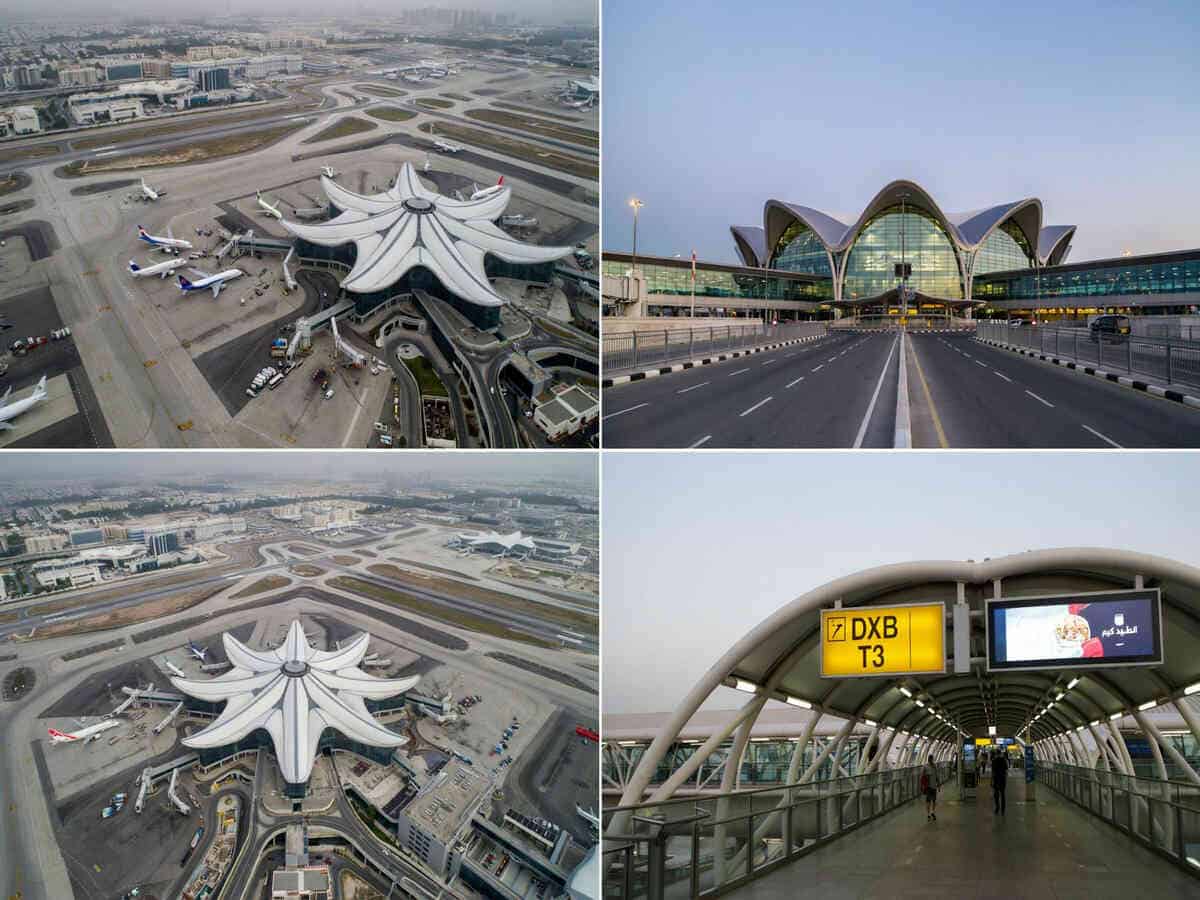
Image generated with Ai
Etihad Airways and Emirates reshape Middle East travel with new routes, connectivity and global tourism growth. Middle East tourism is set to boom as the region’s airlines open up new destinations and play a bigger role in connecting global traffic. Etihad Airways and Emirates are major players in the Middle East’s burgeoning and influential regional airline industry. Both companies contribute to increased regional connectivity, facilitate greater access to the region and play a vital role in promoting tourism.
The launch of Etihad Airways’ new Abu Dhabi to Tashkent route represents a significant step in this journey. The new service connects the UAE capital with Uzbekistan’s largest city, opening a direct gateway between the Gulf and Central Asia. At the same time, Emirates continues strengthening Dubai’s position as one of the world’s most important aviation hubs through its extensive global network.
Advertisement
Together, these airlines are helping reshape the future of international travel by creating new tourism corridors that connect emerging destinations with major global markets.
Etihad Airways is accelerating Abu Dhabi’s global aviation expansion with a wave of new routes connecting the UAE capital with emerging tourism destinations, cultural centres and key business markets. The airline’s new Abu Dhabi–Tashkent route, launched in August 2026, marked a major milestone as the inaugural flight received a traditional water cannon salute upon arrival in Uzbekistan. Operating daily with an Airbus A320 aircraft, the service creates a direct gateway to Tashkent and the wider Silk Road region.
Advertisement
Advertisement
Alongside Tashkent, Etihad has expanded its network with new connections including Abu Dhabi–Bucharest, Abu Dhabi–Baku, Abu Dhabi–Tbilisi, Abu Dhabi–Almaty, Abu Dhabi–Yerevan, Abu Dhabi–Kraków, Abu Dhabi–Palma de Mallorca, Abu Dhabi–Damascus, Abu Dhabi–Zanzibar, Abu Dhabi–Salalah and Abu Dhabi–Charlotte. These routes are strengthening travel links across Central Asia, Europe, the Caucasus, the Middle East, Africa and North America, creating easier access to heritage destinations, leisure markets, business hubs and emerging tourism opportunities.
The expanded network highlights Etihad Airways’ strategy of building new travel corridors that connect Abu Dhabi with high-potential destinations worldwide. From Uzbekistan’s historic Silk Road cities and Kazakhstan’s commercial centre of Almaty to Europe’s cultural capitals, Tanzania’s island tourism and the US market, these new routes are supporting tourism growth, trade connections and international mobility. By opening more direct links, Etihad is helping travellers discover new destinations while reinforcing Abu Dhabi’s role as a global aviation gateway.
The new Tashkent service supports Abu Dhabi’s ambition to become a leading international travel hub. The emirate has been developing its tourism sector through luxury experiences, cultural attractions, entertainment offerings and international events.
Air connectivity plays a vital role in attracting visitors. New routes make destinations easier to reach and encourage more travellers to include Abu Dhabi in their international journeys.
Advertisement
Advertisement
Etihad Airways supports this vision by connecting Abu Dhabi with important markets across different continents. Each new route strengthens the city’s position as a meeting point between East and West.
The Abu Dhabi–Tashkent connection creates a new tourism pathway between the Gulf and Central Asia. Travellers from Uzbekistan gain easier access to the UAE, while international visitors using Abu Dhabi as a transit point receive a new opportunity to discover Uzbekistan’s cultural treasures.
This creates a two-way tourism flow where both destinations benefit from increased visibility and improved accessibility.
A key element of the new route is the codeshare partnership between Etihad Airways and Uzbekistan Airways. This cooperation allows passengers to enjoy smoother connections and greater travel options.
Through the partnership, travellers can access a wider network beyond the main Abu Dhabi–Tashkent route. Visitors arriving in Uzbekistan can continue exploring different regions, while international passengers gain easier access to one of Central Asia’s most fascinating destinations.
The partnership highlights the growing importance of airline cooperation in modern tourism. Instead of relying only on individual routes, airlines are creating connected travel networks that provide passengers with more flexibility.
For tourism, this approach is highly valuable. Travellers increasingly look for simple booking experiences, convenient connections and opportunities to explore multiple destinations during one journey.
The Etihad–Uzbekistan Airways partnership supports this changing travel behaviour by linking Gulf connectivity with Central Asian tourism experiences.
While Etihad strengthens Abu Dhabi’s international connections, Emirates continues powering Dubai’s position as a global travel hub.
Dubai has become one of the world’s most recognised aviation centres because of its extensive international connections, modern infrastructure and ability to link travellers between continents.
Emirates plays a major role in this success by connecting Dubai with a wide range of global destinations. The airline’s network supports millions of journeys every year and helps position Dubai as both a transit point and a final tourism destination.
Many international travellers use Dubai as part of their wider journey, creating opportunities for hotels, restaurants, attractions, shopping centres and tourism businesses.
The strength of Emirates’ network allows Dubai to attract visitors from different regions while supporting the city’s reputation as a destination for luxury travel, business tourism and leisure experiences.
The growth of Etihad Airways and Emirates reflects a broader transformation in Middle Eastern aviation. Gulf airlines are increasingly creating travel corridors that connect regions with strong tourism potential.
These new connections are helping link:
Travel corridors are becoming an important part of modern tourism growth. A destination’s success increasingly depends on how easily visitors can reach it.
By expanding flight networks, UAE airlines are helping destinations become more accessible and attractive. Countries that were once difficult to reach can now become part of international travel plans.
The Abu Dhabi–Tashkent route is a clear example of this transformation. It connects a major Gulf aviation centre with a destination rich in history, culture and heritage.
The impact of expanding airline networks extends beyond leisure tourism. Better air connectivity also supports business travel, investment and economic cooperation.
The new Etihad route between Abu Dhabi and Tashkent creates easier movement for business travellers between the UAE and Uzbekistan. Improved connections can encourage commercial relationships, meetings and international partnerships.
Similarly, Emirates’ global network continues supporting Dubai’s role as a major business centre. Efficient air links help companies connect with international markets and participate in global events.
For the tourism industry, stronger aviation networks create benefits across multiple sectors. Hotels receive more visitors, tour operators gain new customers and local attractions receive greater international exposure.
Airlines have become important drivers of destination development because their networks influence where travellers go and how tourism economies grow.
The expansion strategies of Etihad Airways and Emirates show how the UAE is strengthening its position in global aviation.
The country’s airlines are competing not only through flight numbers but also through connectivity, partnerships and passenger experience.
Etihad’s focus on expanding Abu Dhabi’s international reach complements Emirates’ long-established role in Dubai. Together, they create a powerful aviation ecosystem that supports the wider Middle East travel market.
The combination of new routes, strategic partnerships and strong airport infrastructure gives the UAE a competitive advantage in attracting international travellers.
As global tourism continues recovering and evolving, destinations with strong connectivity will have a greater ability to attract visitors. Gulf aviation is positioning itself at the centre of this transformation.
The launch of Etihad Airways’ Abu Dhabi–Tashkent service and the continued expansion of Emirates demonstrate how Gulf airlines are shaping the next chapter of international travel.
These airlines are no longer simply connecting cities. They are creating tourism bridges, strengthening economic links and opening new opportunities for travellers around the world.
Etihad Airways is expanding Abu Dhabi’s reach by connecting the UAE with new cultural and tourism markets. Emirates continues strengthening Dubai’s global influence through its extensive international network.
Together, these aviation leaders are helping create new travel corridors that connect continents and bring destinations closer.
Etihad Airways and Emirates Airline are set to redefine the middle east travel as Gulf carriers open up new routes and act as catalysts for regional connectivity and global tourism.
The future of Middle East travel will be characterized by enhanced regional connectivity and partnerships as Gulf carriers continue to invest in new routes and exert their influence over global tourism.
Advertisement
Advertisement
Advertisement












Wednesday, September 2, 2026

Wednesday, September 2, 2026

Wednesday, September 2, 2026

Wednesday, September 2, 2026

Wednesday, September 2, 2026

Wednesday, September 2, 2026

Wednesday, September 2, 2026

Wednesday, September 2, 2026