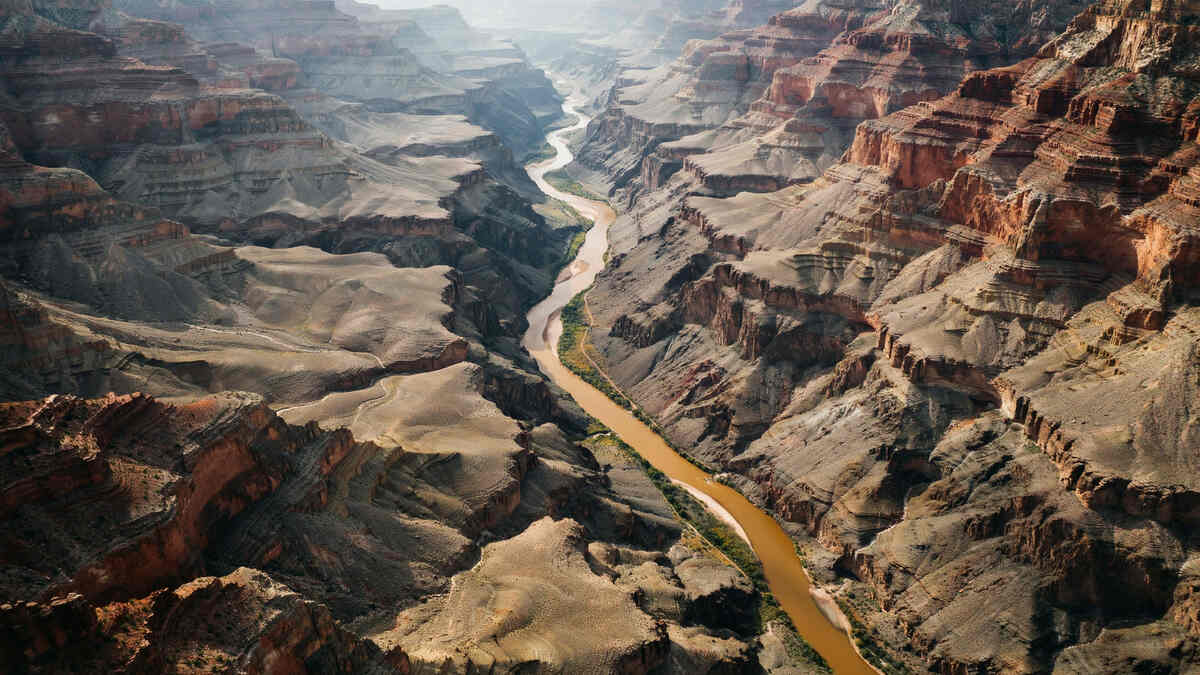
Image generated with Ai
The United States is facing a Grand Canyon tourism crisis since there are severe flooding problems that damaged the area infrastructure. The United States is facing a major Grand Canyon tourism crisis as deadly flooding has damaged critical infrastructure, disrupted visitor services and threatened the billion-dollar economy built around one of the world’s most recognised natural attractions. A powerful flash flood has damaged the South Rim’s essential water supply system, forcing overnight accommodation closures and creating uncertainty for thousands of travellers, local businesses and tourism workers.
The Grand Canyon National Park remains accessible for daytime visitors, but the loss of reliable water supply has created a serious operational challenge. The damaged pipeline, which supports visitor facilities and communities within the South Rim area, has forced strict conservation measures and suspended overnight stays until water services can be stabilised.
Advertisement
The crisis arrives during a crucial travel period when summer tourism demand remains strong and businesses were preparing for one of the final major holiday travel surges of the season. The disruption has raised concerns over visitor spending losses, reduced employment opportunities and wider economic consequences for communities dependent on tourism.Key Impact Area Latest Situation Location affected Grand Canyon National Park, Arizona, United States Main disruption Damage to South Rim water supply infrastructure Tourism impact Overnight stays suspended indefinitely Visitor impact Thousands of travellers forced to change plans Economic risk Nearly $1 billion visitor economy threatened Employment impact Around 9,000 tourism-supported jobs at risk Current park status Daytime visits continue with restrictions
The main challenge facing the Grand Canyon is not a complete park closure but the failure of a vital water system that supports tourism operations. The flooding damaged the Transcanyon Waterline, the only major pipeline supplying water to the South Rim area. Around 40% of the pipeline has been affected, creating severe pressure on available water resources.
Advertisement
Advertisement
The pipeline plays a critical role in supporting daily tourism operations. Water is required for visitor facilities, accommodation services, restaurants, public areas and employee facilities. With the system damaged, water availability has become limited, requiring conservation measures while repairs are assessed.
The infrastructure failure has highlighted the vulnerability of tourism destinations that depend on ageing systems in remote environments. The pipeline had already experienced repeated failures before the flooding, and a major replacement project worth more than $200 million was already underway to modernise the system.Infrastructure Issue Details Damaged facility Transcanyon Waterline Purpose Supplies water to South Rim operations Damage level Approximately 40% affected Previous condition Ageing infrastructure with repeated failures Replacement project More than $200 million upgrade programme Challenge Difficult repairs due to remote canyon terrain
The tourism impact has been immediate, with overnight accommodation inside the park suspended indefinitely because of water shortages. Many travellers who planned long-awaited visits have been forced to adjust their itineraries, search for alternative accommodation or cancel parts of their journeys.
The Grand Canyon attracts millions of visitors every year, with many international and domestic tourists planning trips months in advance. Overnight experiences, including multi-day sightseeing, hiking journeys and guided adventures, form an important part of the destination’s tourism economy.
Although daytime access remains available, the loss of overnight capacity affects visitor spending patterns. Travellers staying outside the park may spend less time within the destination, reducing revenue opportunities for businesses that depend on accommodation-based tourism.
Nearby communities are experiencing changing travel patterns as displaced visitors search for alternative lodging options outside the affected area. However, while surrounding towns may receive some additional demand, the economic benefits do not fully replace the revenue generated by tourism operations inside the national park.Visitor Segment Expected Impact Overnight tourists Reservations disrupted or cancelled International visitors Travel plans requiring adjustments Hiking travellers Route and accommodation uncertainty Group tours Potential itinerary changes Local visitors Day trips remain possible
The Grand Canyon is not only a natural landmark but also a major economic engine for Arizona’s tourism industry. Visitor spending supports accommodation providers, restaurants, transport services, adventure companies and communities surrounding the park.
According to National Park Service economic impact figures, Grand Canyon tourism generates nearly $1 billion in annual visitor spending and supports approximately 9,000 jobs in nearby communities. Tourism activity also contributes hundreds of millions of dollars in labour income and more than $1 billion in regional economic output.
A prolonged shutdown of overnight tourism services could create financial pressure across the wider travel supply chain. Businesses that depend on visitors staying several days could experience reduced demand, while seasonal workers may face fewer working opportunities.Economic Indicator Tourism Contribution Annual visitor spending Nearly $1 billion Supported employment Around 9,000 jobs Labour income generated Approximately $400 million Regional economic output Around $1.1 billion Annual visitors Nearly 5 million
The disruption is creating concerns for thousands of workers whose livelihoods depend on Grand Canyon tourism. Employees in hospitality, food services, visitor operations, transportation and outdoor recreation sectors are among those facing uncertainty if restrictions continue for an extended period.
Tourism businesses operate around seasonal visitor demand, making timing particularly important. The flooding occurred before the Labor Day holiday period, traditionally one of the busiest travel periods before the end of the summer season. Reduced visitor stays could affect revenues during a critical business window.
The economic impact could extend beyond the immediate park area. Many Grand Canyon visitors combine their trips with wider Southwest tourism routes, including destinations in Arizona and Nevada. Any reduction in visitor activity could therefore influence multiple tourism markets connected through regional travel networks.Job Sector Possible Impact Hotels and accommodation Reduced operations Restaurants Lower visitor demand Tour operators Potential cancellations Transport services Reduced passenger activity Outdoor recreation Fewer bookings
The flooding crisis comes after another difficult period for the destination. The Grand Canyon tourism sector had already faced disruption following a major wildfire that damaged infrastructure on the North Rim and reduced accommodation capacity.
The combination of wildfire damage and flood-related infrastructure failure has created an unusually challenging period for one of America’s most important tourism destinations.
The latest disaster has demonstrated how natural events can quickly affect travel economies, especially in remote destinations where infrastructure plays a vital role in supporting millions of visitors.
Restoring the damaged water system is expected to be challenging because of the Grand Canyon’s extreme landscape. Steep terrain, limited access routes and unpredictable weather conditions make repair operations more complicated than traditional infrastructure projects.
Temporary water management strategies are being used while officials evaluate long-term solutions. Conservation remains a key part of maintaining essential services until the pipeline can be repaired or alternative supply methods are established.
The timeline for restoring full overnight tourism operations remains uncertain, creating continued challenges for travellers planning future visits.Recovery Challenge Reason Remote location Difficult access for repair teams Extreme landscape Complex construction conditions Weather risks Additional storms may delay work Water shortage Limits tourism operations Infrastructure age Requires long-term replacement
The Grand Canyon flood crisis has transformed from a natural disaster into a major tourism infrastructure emergency. While the park continues welcoming visitors during the day, the shutdown of overnight services has created significant pressure on tourism businesses, workers and regional economies.
For travellers, the situation highlights the importance of checking official updates before visiting and preparing for possible changes to accommodation arrangements. For the tourism industry, the event demonstrates how critical infrastructure resilience has become for protecting destinations that depend heavily on visitor economies.
The United States is witnessing a Grand Canyon tourism disaster as flood damage has caused a disruption of water supplies, closed overnight lodging and threatened the jobs and businesses that have been supported by the park’s billion-dollar visitor economy.
The recovery of the Grand Canyon’s water system will determine when normal tourism operations can resume, but the economic effects of the disruption are already being felt across Arizona’s travel sector.
Advertisement
Tags: Arizona tourism economy, flood impact on tourism, Grand Canyon tourism crisis, national park travel alert, United States travel disruption
Advertisement
Advertisement












Wednesday, September 2, 2026

Wednesday, September 2, 2026
Wednesday, September 2, 2026

Wednesday, September 2, 2026

Wednesday, September 2, 2026

Wednesday, September 2, 2026
Wednesday, September 2, 2026
Wednesday, September 2, 2026