
Canada’s Popular Bruce Peninsula Campground Closed for Fall After Fear Breaks Out

Published
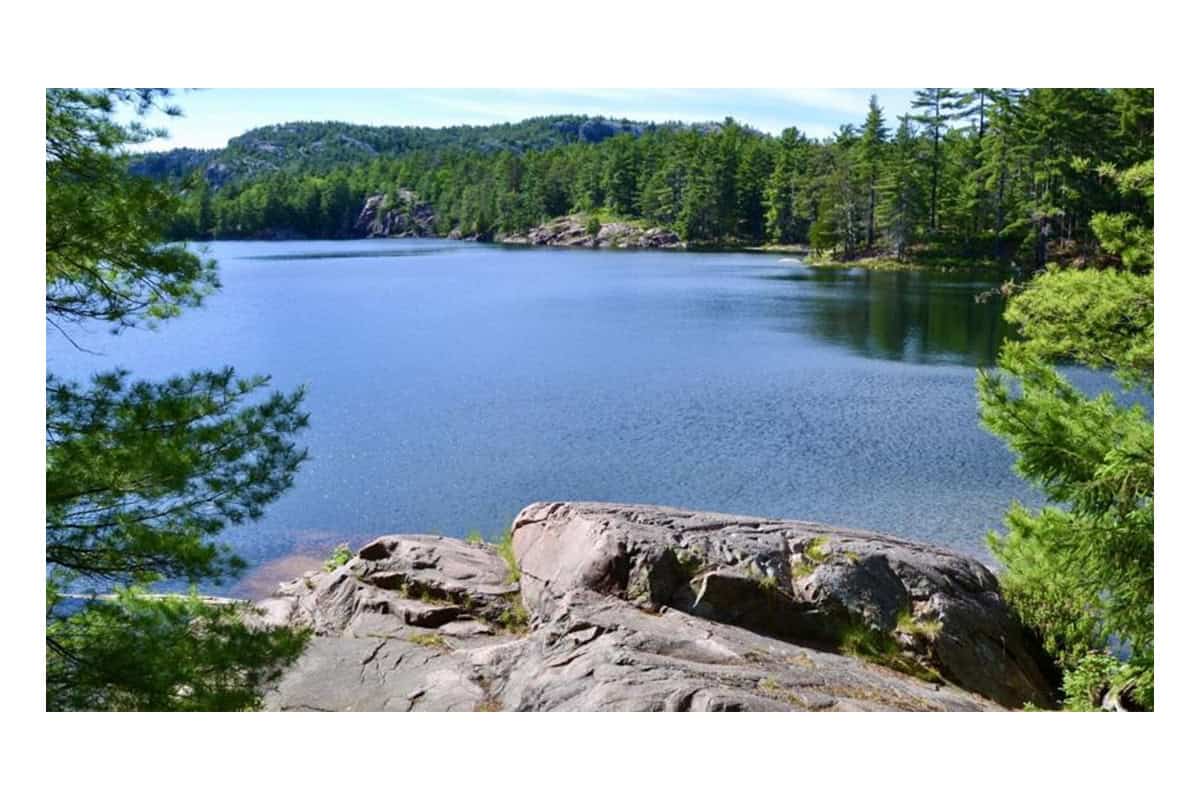
Bruce Peninsula National Park has cancelled fall camping reservations for the rest of 2026 at Cyprus Lake Campground after one black bear was viewed as a high risk for public safety concern.
Camping reservations for the affected time period at this popular Ontario location will need to be cancelled. Parks Canada closed Cyprus Lake Campground to reduce its visitors from interacting with the bear and as a way to encourage the bear to return to eating its natural foods.
Advertisement
Advertisement
Why Has Cyprus Lake Campground Been Closed?
The Cyprus Lake Campground closure follows repeated bear activity in and around the camping area, with Parks Canada identifying a single black bear as the source of the ongoing safety concern.
The campground was initially closed temporarily over the Labour Day long weekend after the bear was observed seeking human food and other attractants. That closure was subsequently extended to September 11.
Advertisement
Advertisement
Parks Canada has now confirmed that the campground will remain closed for the rest of the 2026 fall camping season, reflecting the continuing public safety assessment.
The national park says its team will continue to assess bear activity and monitor the circumstances surrounding the closure.
Advertisement
Advertisement
What Caused the Bear to Become a Safety Concern?
Parks Canada has linked the situation to food-conditioning, a process in which wildlife associates human environments with accessible food and other attractants.
According to Parks Canada, visitors and residents failed to take appropriate preventive measures to stop the bear from accessing food, rubbish and other attractants around the campground and surrounding areas.
Advertisement
Advertisement
This behaviour can make wildlife increasingly comfortable around people and can lead to more frequent or bold encounters.
Parks Canada strictly prohibits feeding wildlife human food and advises visitors to follow established food-storage, rubbish-management and wildlife-safety requirements while staying in the park.
The agency’s explanation places particular emphasis on preventing access to attractants rather than treating the bear’s presence as an isolated wildlife encounter.
How Long Will the Bruce Peninsula Closure Last?
The Cyprus Lake Campground closure is expected to cover the remainder of the autumn 2026 camping season.
Advertisement
Advertisement
The campground is scheduled to reopen on November 1, although that date should be regarded as tentative because Parks Canada continues to monitor the bear situation.
A reopening will depend on how the circumstances develop and whether the level of risk associated with bear activity changes.
For visitors planning an autumn trip to Bruce Peninsula National Park, this means existing campground reservations at Cyprus Lake should not be treated as available accommodation during the closure period.
What Happens to Existing Camping Reservations?
Parks Canada says all reservation holders will be contacted directly about the closure.
Visitors who booked a stay at Cyprus Lake Campground for the affected period will receive refunds, removing the need for campers to continue holding reservations for a site that will not operate during the closure.
Travellers who were planning to visit the park should therefore check their booking information and any direct communication from Parks Canada before making alternative travel arrangements.
Advertisement
Advertisement
The closure specifically affects the campground and is connected to the identified bear activity and public safety assessment.
Why Is Parks Canada Taking the Closure Seriously?
Parks Canada has stressed that visitor and staff safety remains the priority when determining whether a campground should remain open.
Campground closures are implemented when the agency considers them necessary after assessing the circumstances. In this case, the continuing activity of a food-conditioned black bear has resulted in the decision to keep Cyprus Lake closed for the rest of the fall season.
The temporary loss of a popular camping site also illustrates the wider challenge faced by protected areas where large numbers of visitors and wildlife share the same environment.
Preventing access to food, rubbish and other attractants remains an important part of reducing the likelihood of wildlife becoming accustomed to human activity.
What Should Visitors Know About Wildlife Safety?
The Bruce Peninsula National Park bear situation highlights why visitors should follow wildlife-safety guidance whenever travelling through natural areas.
Advertisement
Advertisement
Food and rubbish should be managed carefully, and wildlife should never be deliberately fed. Visitors should also avoid actions that could encourage animals to approach campsites, trails or other areas used by people.
Parks Canada’s continued monitoring means conditions can change, so travellers should check official park information before visiting and follow any temporary closures, warnings or instructions in place at the time.
For Cyprus Lake, the immediate priority is reducing opportunities for further bear-human interactions while allowing the animal time to alter its behaviour and seek natural food sources.
What Does the Closure Mean for Bruce Peninsula Tourism?
The closure comes at a time when Bruce Peninsula National Park remains a major visitor attraction in Ontario, known for its natural landscapes, hiking opportunities, Lake Huron scenery and the famous Grotto.
The loss of Cyprus Lake camping availability could affect visitors who planned to stay overnight within the park during the autumn period. However, the closure also demonstrates how wildlife management and visitor safety can directly influence tourism operations in protected areas.
Parks Canada will continue assessing the situation, while the tentative November 1 reopening date remains dependent on future conditions.
Advertisement
Advertisement
For now, campers with affected reservations should expect direct communication and refunds, while prospective visitors should verify the latest official information before travelling.
Advertisement
