
New York And Hudson Valley Tourism Face A Farewell As Lil’ Deb’s Oasis Closes After A Decade

Published
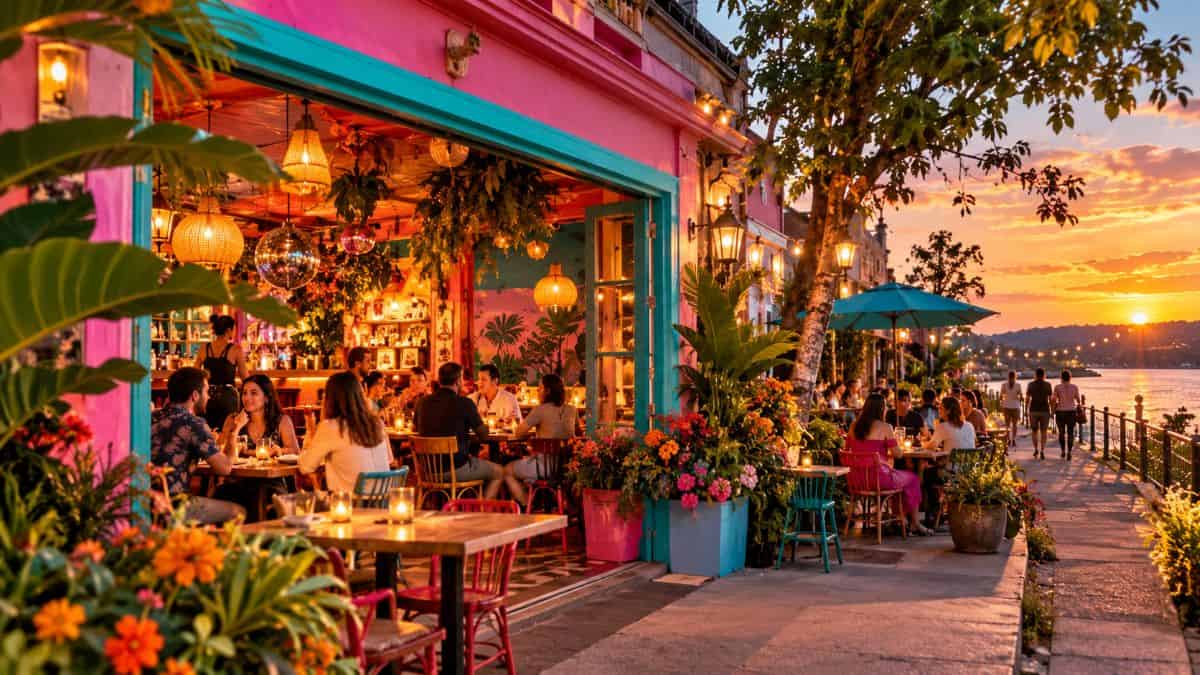
New York’s Hudson Valley is preparing to say goodbye to one of its most distinctive dining destinations as Lil’ Deb’s Oasis in Hudson closes permanently on October 12, 2026. After a decade of serving tropical-inspired comfort food, hosting queer performance nights and creating an inclusive gathering space, the restaurant leaves behind a legacy extending far beyond its colourful dining room. Its closure represents a significant moment for regional food tourism, independent hospitality and community-led cultural experiences, reminding travellers that some of the most memorable destinations are built around people, creativity and a strong sense of belonging.
Known for its striking pink-and-teal appearance, imaginative menu and welcoming atmosphere, Lil’ Deb’s Oasis transformed an ordinary restaurant space into a destination attracting visitors from across the region and beyond. Its final service marks the end of a ten-year chapter in Hudson’s evolving culinary scene.
Advertisement
Advertisement
From Local Pop-Ups To A Recognised Hudson Valley Destination
Lil’ Deb’s Oasis began with Tuesday-night pop-ups organised by co-founders Halo Kaya Perez-Gallardo and Hannah Black at Debbie’s Lil’ Restaurant, a neighbourhood establishment. When its owner, Debbie Fierro, retired, the founders took over the premises, preserving a connection to the original business through the restaurant’s name.
The transformation was both visual and cultural. A pink-and-teal exterior, artistic decorations created with help from artist friends and an unconventional dining atmosphere helped establish a recognisable identity. Rather than following a conventional restaurant model, the founders created a space where food, performance, art and social interaction could coexist.
Advertisement
Advertisement
Over time, this distinctive approach helped make the establishment a reason for travellers to visit Hudson, demonstrating how independent hospitality businesses can contribute to a destination’s appeal.
Tropical Comfort Food Made Dining An Experience
The restaurant’s menu reflected its colourful surroundings, combining generous hospitality with adventurous flavours and inventive combinations. Whole fried fish became one of its notable offerings, while scallion cornbread accompanied by Calabrian-chile butter demonstrated the kitchen’s playful approach to familiar comfort food.
Advertisement
Advertisement
Another distinctive preparation paired tomatoes and cucumbers with roasted peach jam, illustrating the restaurant’s willingness to explore unexpected flavour combinations. These dishes helped establish an identity that was as much about creativity as it was about the act of dining.
For visitors exploring the Hudson Valley, such establishments offer experiences beyond standard sightseeing. Independent restaurants can introduce travellers to local creative communities, regional food culture and distinctive neighbourhood personalities, making dining an important part of tourism rather than simply a practical stop during a journey.
Advertisement
Advertisement
Queer Culture And Community Shaped The Restaurant’s Identity
Lil’ Deb’s Oasis became particularly recognised for its queer-inclusive atmosphere and monthly performance nights, which attracted audiences and transformed the dining room into a lively cultural gathering place.
The founders openly embraced the idea of creating a venue for people who might feel out of place in more conventional establishments. That philosophy became central to the restaurant’s reputation, helping it develop a loyal following among residents, artists and visitors.
A memorable example of its unconventional personality emerged when a Yelp reviewer complained about affectionate patrons, writing “if u gay perfect”. The restaurant subsequently turned the phrase into merchandise, transforming criticism into a humorous expression of its identity.
Its approach illustrates how hospitality venues can build meaningful connections with communities by embracing authenticity rather than attempting to appeal to every audience through a uniform experience.
Advertisement
Advertisement
Community Initiatives Extended Beyond Food And Entertainment
The restaurant’s influence also extended into practical community support. Lil’ Deb’s Oasis maintained a community fridge, provided Narcan in its bathroom and introduced a 77-cent charge on customer bills to support monthly payments to the Stockbridge-Munsee Band of Mohicans.
These initiatives reflected an approach to hospitality that incorporated social responsibility alongside commercial activity. The restaurant functioned not only as a place to eat but also as a venue where community needs and wider cultural concerns received attention.
For the travel industry, its story highlights the value of locally rooted businesses that contribute to a destination’s character. Visitors increasingly seek experiences connected to local people and meaningful cultural identities, although the long-term sustainability of such businesses depends on financial conditions as well as public support.
Financial Pressures Complicated Plans To Keep The Business Open
Despite its popularity and community connections, maintaining the restaurant became increasingly difficult. Perez-Gallardo explored the possibility of selling the business or converting it into a worker-owned cooperative, potentially allowing the establishment to continue under a different ownership structure.
However, the landlord’s decision to sell the building complicated those plans, and the cooperative effort ultimately collapsed. Weather-related closures also reduced revenue and depleted financial reserves.
In June 2026, Perez-Gallardo reported that the business had accumulated close to $100,000 in debt. The combination of financial pressure, property uncertainty and disrupted operations left the restaurant facing challenges that community goodwill alone could not resolve.
Advertisement
Advertisement
Its experience illustrates the vulnerability of independent hospitality businesses, particularly those attempting to maintain ambitious cultural and community programmes while managing the everyday costs of operating a restaurant.
Key Facts About Lil’ Deb’s Oasis Closure
| Category | Details |
|---|---|
| Restaurant | Lil’ Deb’s Oasis |
| Location | Hudson, New York |
| Co-founders | Halo Kaya Perez-Gallardo and Hannah Black |
| Closure date | October 12, 2026 |
| Years of operation | Approximately 10 years |
| Culinary identity | Tropical-inspired comfort food |
| Cultural contribution | Queer performance nights and inclusive gatherings |
| Community initiatives | Community fridge, Narcan access and recurring Indigenous community payments |
| Reported financial pressure | Close to $100,000 in business debt reported in June 2026 |
Final Service Marks The End Of A Decade
The restaurant’s farewell announcement made an important distinction between closing a business and failing as a community institution. Perez-Gallardo expressed the view that shutting the establishment did not represent failure and specifically asked supporters to celebrate its life rather than organise a rescue campaign.
That request frames the closure as an opportunity to recognise what the restaurant accomplished during its decade of operation. Its significance lies in the relationships it built, the performances it hosted, the food it served and the inclusive environment it created.
Travellers hoping to experience the restaurant one final time were encouraged to visit before its October 12 closing date. As that deadline approaches, its final meals offer an opportunity to reflect on the cultural contribution of an establishment that made a lasting impression on Hudson.
What The Closure Means For New York Food Tourism
The departure of Lil’ Deb’s Oasis removes a distinctive attraction from Hudson’s independent dining scene. Its combination of food, artistic expression and queer culture helped differentiate the destination from places known primarily for conventional restaurants or traditional sightseeing.
However, the closure does not mean the Hudson Valley has lost its broader culinary appeal. The region continues to attract travellers interested in small-town exploration, seasonal scenery, independent businesses and locally distinctive experiences.
Advertisement
Advertisement
The restaurant’s story nevertheless raises important questions about how destinations sustain creative hospitality ventures. Affordable commercial spaces, resilient business models and community partnerships can all influence whether independent venues survive over the long term.
For Hudson, the legacy of Lil’ Deb’s Oasis will remain a reminder that tourism value cannot always be measured through visitor numbers alone. Sometimes, a small restaurant becomes memorable because it creates a place where people feel welcome, discover something unexpected and form connections that last well beyond a meal.
Frequently Asked Questions
1. When will Lil’ Deb’s Oasis close permanently?
Lil’ Deb’s Oasis is scheduled to close permanently on October 12, 2026.
2. Where is Lil’ Deb’s Oasis located?
The restaurant is located in Hudson, a city in New York’s Hudson Valley.
Advertisement
Advertisement
3. How long has Lil’ Deb’s Oasis operated?
The restaurant has operated for approximately ten years.
4. Who founded Lil’ Deb’s Oasis?
Halo Kaya Perez-Gallardo and Hannah Black co-founded the establishment.
5. What type of food did the restaurant serve?
It became known for tropical-inspired comfort food, including whole fried fish, scallion cornbread and inventive seasonal combinations.
Advertisement
Advertisement
6. Why was Lil’ Deb’s Oasis culturally significant?
It combined dining with queer performance nights, artistic expression and an inclusive atmosphere that welcomed diverse communities.
7. Why is the restaurant closing?
Financial difficulties, weather-related closures, accumulated business debt and complications arising from the building’s planned sale contributed to the decision.
8. Did the restaurant support local community initiatives?
Yes. It maintained a community fridge, provided Narcan in its bathroom and collected a recurring charge to support payments to the Stockbridge-Munsee Band of Mohicans.
Advertisement
Advertisement
9. Could the restaurant have continued as a cooperative?
A worker-owned cooperative was explored, but the effort collapsed after the landlord’s decision to sell the building complicated the plans.
10. What does the closure mean for Hudson Valley tourism?
It removes a distinctive culinary and cultural attraction, highlighting the importance of independent hospitality businesses in creating memorable travel experiences and supporting inclusive local communities.
Advertisement
