
Switzerland Pairs Up With Austria And More To Boost Travel As Davos Promotes Alpine Tourism

Published
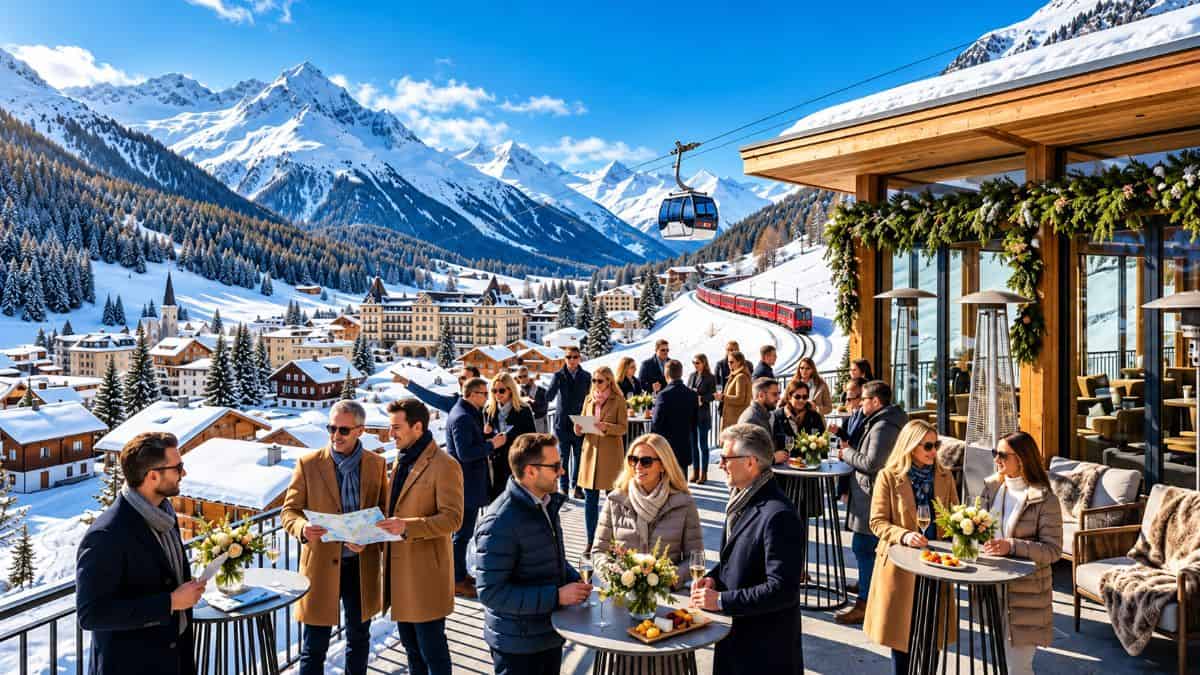
Switzerland continues to attract international travellers with its Alpine landscapes, historic mountain settlements and established outdoor recreation infrastructure. Davos, in the eastern canton of Graubünden, illustrates this appeal by combining winter sports, summer hiking, cultural attractions and a distinctive history as a high-altitude health resort. Situated approximately 1,560 metres above sea level, the destination offers visitors opportunities to experience the mountains throughout the year. Its international profile is also reinforced by major events, including the World Economic Forum and the Spengler Cup ice hockey tournament, which bring business travellers and sports enthusiasts to the region.
Rather than relying exclusively on winter skiing, Davos presents a broader tourism proposition encompassing mountain lakes, museums, scenic valleys and family activities. The destination forms part of the Davos Klosters region, which includes six distinct ski areas and extensive hiking opportunities. Visitors can explore the literary heritage associated with Thomas Mann, discover the art of Ernst Ludwig Kirchner or enjoy outdoor pursuits around Lake Davos. This combination of recreation and culture helps diversify the local visitor economy. Seasonal conditions, transport arrangements and mountain access remain important considerations for travellers planning an Alpine holiday.
Advertisement
Advertisement
Davos Builds On Its Reputation As A Year-Round Travel Destination
Davos has developed from a nineteenth-century health resort into an internationally recognised Alpine destination. Its early reputation was closely associated with sanatoriums and the use of mountain air in historical approaches to treating respiratory illnesses. Winter recreation subsequently became increasingly important, with skiing, ice skating and sledging helping establish the town as a major centre for mountain sports.
Today, Davos combines this historical identity with modern tourism facilities, cultural institutions and access to surrounding valleys. Its appeal extends beyond traditional ski holidays, attracting hikers, mountain bikers, families and visitors interested in Swiss history. The town’s elevation contributes to relatively cool summer conditions and cold winters, although actual weather varies considerably. Travellers should consider seasonal operating schedules when planning excursions.
Advertisement
Advertisement
Six Ski Areas Strengthen Davos Klosters Winter Tourism
The Davos Klosters destination encompasses six ski areas, each offering a different experience. Parsenn/Gotschna is known for extensive downhill skiing, while Jakobshorn attracts snowboarders and freestyle enthusiasts. Rinerhorn and Madrisa offer family-oriented activities, whereas Pischa appeals to visitors seeking quieter mountain experiences and certain forms of off-piste recreation. Schatzalp/Strela provides a more relaxed setting associated with historic surroundings and sledging.
The region offers extensive opportunities for cross-country skiing, snowshoeing and winter walking beyond downhill pistes. Snow conditions and lift operations determine which activities are available at particular times. Off-piste routes require suitable equipment, relevant experience and careful attention to avalanche forecasts. Visitors should check local mountain safety information before setting out, particularly during unsettled weather or periods of heavy snowfall.
Advertisement
Advertisement
Summer Landscapes Expand Switzerland’s Alpine Tourism Appeal
During summer, Davos becomes a base for exploring alpine meadows, forests, mountain streams and high-altitude lakes. The wider Davos Klosters destination has approximately 700 kilometres of hiking routes, ranging from accessible walks to demanding mountain excursions. The Davos Panorama Trail offers elevated views, while the Jöriseen lakes provide a striking destination for experienced hikers prepared for uneven terrain and changing mountain conditions.
The Sertigtal and Dischmatal valleys provide alternatives for visitors seeking quieter landscapes and traditional Alpine scenery. The Flüelapass, reaching approximately 2,380 metres, offers dramatic mountain views, although its road can be closed during winter. Mountain biking is another important summer activity, with routes suited to different abilities. Travellers should follow designated paths, check weather forecasts and confirm access conditions before beginning longer excursions.
Advertisement
Advertisement
Cultural Attractions Connect Davos With European History
Davos offers cultural experiences that complement its outdoor attractions. The Schatzalp, accessible by mountain railway, is closely associated with the town’s former sanatorium era. Thomas Mann visited his wife Katia at a Davos sanatorium in 1912, and impressions from that period informed his celebrated novel The Magic Mountain, published in 1924. The historic setting provides a connection between Alpine tourism and European literary history.
The Kirchner Museum Davos explores the work of German Expressionist artist Ernst Ludwig Kirchner, who lived in the region from 1917 until his death in 1938. Other cultural attractions include the Winter Sports Museum and institutions documenting the town’s medical past. The Alpinum botanical garden on the Schatzalp adds a natural history dimension, with more than 3,500 plant species and varieties reported across its collection. Opening times and seasonal access should be confirmed before visiting.
Lake Davos And Family Activities Diversify Visitor Experiences
Lake Davos offers an accessible natural attraction near the town. Surrounded by forests, meadows and mountains, it provides opportunities for lakeside walks and selected water-based activities during suitable weather. Depending on conditions and seasonal arrangements, visitors may find opportunities for sailing, stand-up paddleboarding and swimming in designated areas. Water temperatures can remain cool because of the lake’s elevation.
Families can combine lakeside visits with mountain railway excursions, easy walks and seasonal attractions. The summer toboggan run on the Schatzalp is among the activities highlighted for family visitors, although its operation depends on weather and seasonal schedules. Choosing routes appropriate to children’s ages and abilities is important in mountainous terrain. Families should also check transport connections and the availability of facilities before travelling to more remote locations.
Advertisement
Advertisement
Davos Hosts International Events With Wider Tourism Benefits
Davos has an international events profile that extends beyond leisure travel. The annual World Economic Forum attracts political leaders, business executives and other participants, increasing demand for accommodation and transport during the meeting period. Special security arrangements may affect movement around parts of the town, while accommodation availability can become more limited than usual.
The Spengler Cup, a long-established international ice hockey tournament traditionally held in late December, is another important event. Together with exhibitions, concerts and art programmes, these occasions broaden the destination’s visitor appeal. However, event-related travel requires advance planning. Visitors should check confirmed dates, accommodation availability, transport arrangements and any temporary access restrictions before finalising their itineraries.
Best Time To Visit Davos Depends On Travel Priorities
Davos is suitable for visits throughout the year, but the best season depends on the activities travellers wish to pursue. Winter, generally from December to March, is associated with skiing, snowboarding, cross-country routes and sledging. Snow conditions and the operating schedules of mountain facilities can vary, so visitors should confirm the availability of their preferred activities before departure.
Summer, particularly from June to September, is popular for hiking, mountain biking and excursions to alpine lakes. July and August often provide favourable opportunities for higher mountain walks, although snowfields and rapidly changing weather can affect access. Spring and autumn may offer quieter stays and attractive scenery, but some mountain facilities operate on reduced schedules during transitional periods.
| Season | Main Attractions | Travel Considerations |
|---|---|---|
| Winter, December to March | Skiing, snowboarding, sledging and cross-country skiing | Check snow conditions, lift operations and winter road requirements |
| Spring, April to May | Quieter stays and lower-altitude excursions | Some mountain facilities may be closed or operating seasonally |
| Summer, June to September | Hiking, mountain biking, lakes and botanical gardens | Confirm trail conditions, weather and mountain railway schedules |
| Autumn, September to October | Mountain scenery, walking and quieter visits | Check early snowfall risks and seasonal closures |
Transport And Accommodation Shape The Davos Travel Experience
Davos can be reached by rail or road. Rail journeys from Zurich generally involve travelling through Landquart and transferring to the Rhaetian Railway for the scenic journey into the mountains. Davos Dorf and Davos Platz are among the principal railway stations, and the most convenient arrival point depends on the location of a visitor’s accommodation.
Road travellers typically approach through Landquart and the Prättigau valley. Winter tyres and appropriate preparation are important when conditions demand them, while mountain roads may be subject to temporary restrictions. Local public transport and mountain railways help visitors reach surrounding attractions, although service availability varies by season.
Advertisement
Advertisement
Accommodation ranges from luxury hotels and traditional mountain properties to holiday apartments and family-oriented establishments. Davos Platz suits visitors seeking access to central amenities and cultural attractions, while Davos Dorf offers convenient access to the Parsenn ski area. Two or three days may provide an introduction to the destination, but five to seven days allow more time for skiing, hiking and exploring the surrounding valleys.
Responsible Planning Supports A Better Alpine Holiday
A successful visit to Davos depends on matching activities to seasonal conditions and individual abilities. Mountain weather can change quickly, and routes that appear accessible from the valley may require specialist equipment or considerable experience at higher elevations. Visitors should consult local forecasts, follow marked trails and respect restrictions designed to protect both people and the alpine environment.
The destination’s combination of public transport, cultural institutions and outdoor recreation gives travellers options beyond private-car sightseeing. Using available public transport, respecting wildlife and vegetation, and following local guidance can help reduce pressure on sensitive mountain landscapes. Visitors should also avoid assuming that historical claims about the health benefits of high-altitude air amount to medical advice. Davos’s enduring appeal rests on its scenery, recreational opportunities and cultural history, making informed preparation central to a rewarding visit.
Frequently Asked Questions
1. Where is Davos located?
Davos is in the canton of Graubünden in eastern Switzerland, within the Swiss Alps. The town lies at approximately 1,560 metres above sea level.
2. Why is Davos famous among international travellers?
Advertisement
Advertisement
Davos is known for its Alpine scenery, winter sports, historical reputation as a health resort, cultural attractions, the World Economic Forum and the Spengler Cup ice hockey tournament.
3. Is Davos suitable for a summer holiday?
Yes. Summer visitors can enjoy hiking, mountain biking, scenic valleys, botanical gardens, mountain railway excursions and activities around Lake Davos.
4. How many ski areas are included in Davos Klosters?
The destination includes six ski areas: Parsenn/Gotschna, Jakobshorn, Rinerhorn, Madrisa, Pischa and Schatzalp/Strela.
5. When is the best time to visit Davos for skiing?
Advertisement
Advertisement
December to March is generally the main winter sports period, although actual skiing opportunities depend on snow conditions and mountain facility operating schedules.
6. What are the principal cultural attractions in Davos?
Notable attractions include the Schatzalp, Kirchner Museum Davos, Winter Sports Museum, medical history exhibitions and the Alpinum botanical garden.
7. What is the connection between Thomas Mann and Davos?
Thomas Mann visited his wife at a Davos sanatorium in 1912. His impressions of the sanatorium environment later influenced his novel The Magic Mountain, published in 1924.
8. Can visitors swim in Lake Davos?
Advertisement
Advertisement
Swimming is possible in designated areas during suitable summer conditions. However, the water can remain relatively cold because the lake is situated at high altitude.
9. How can travellers reach Davos from Zurich?
Travellers can generally take a train via Landquart and transfer to the Rhaetian Railway. Driving is another option, subject to road and weather conditions.
10. How many days should visitors spend in Davos?
Two to three days are sufficient for an introductory visit. Travellers planning several hikes, extensive skiing or excursions around the region may prefer five to seven days.
Advertisement
