

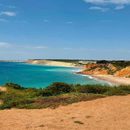
Image generated with Ai
Croatia and Other European Countries Transform Mediterranean Travel With Strict New Hotel Construction Policies as governments across Europe move to protect fragile coastlines while managing rising tourism demand. Croatia, Greece, Spain, Italy and Portugal are introducing stronger planning measures to control excessive coastal development, preserve natural landscapes and create a more sustainable future for beach destinations.
The shift reflects growing concerns over overtourism, limited coastal space and environmental pressure, forcing tourism markets to rethink how hotels and resorts are built along Europe’s most popular shores. These new policies aim to balance tourism growth, investment opportunities and long-term protection of Mediterranean coastal treasures.
Croatia and other European countries are transforming Mediterranean travel with strict new hotel construction policies as governments move to protect fragile coastlines while managing record tourism demand. From Croatia’s Adriatic coast to Greece’s islands, Spain’s Mediterranean beaches, Italy’s luxury coastal regions and Portugal’s Algarve, tourism authorities are changing how hotels and resorts can expand near sensitive shorelines.
The new approach reflects a major shift in European coastal tourism. Instead of unlimited hotel construction, governments are prioritising controlled development, environmental protection and higher-value tourism. Rising visitor numbers, climate risks, pressure on local communities and limited coastal land are forcing Mediterranean destinations to rethink future hospitality growth.
Advertisement
In 2026, the biggest tourism challenge for Europe is no longer attracting visitors. It is protecting the destinations that millions of travellers want to experience.
Croatia has become one of Europe’s most successful coastal tourism markets, but its rapid growth has created pressure on the Adriatic coastline. The country’s famous destinations, including Dubrovnik, Split, Hvar, Zadar and Istria, have experienced rising demand from international travellers seeking island escapes, historic cities and luxury seaside resorts.
Croatia recorded approximately 21.6 million tourist arrivals in 2024, with coastal regions accounting for the majority of visitor demand. The country’s tourism economy remains highly dependent on the Adriatic coastline, making sustainable development a national priority.
The challenge facing Croatia in 2026 is balancing two competing goals:
The Adriatic coastline contains some of Europe’s most valuable tourism landscapes. However, increased construction activity, seasonal overcrowding and infrastructure pressure have created concerns about long-term sustainability.
Croatian tourism planning is increasingly focused on:
The future of Croatian hotel development is expected to move away from large-scale uncontrolled construction towards environmentally responsible resorts, boutique properties and sustainable tourism infrastructure.
For investors, Croatia remains attractive, but new projects are increasingly expected to demonstrate environmental responsibility and long-term destination benefits.
Croatia’s most famous coastal destinations are experiencing different forms of tourism pressure.
Dubrovnik has become a global tourism icon, but its popularity has created challenges linked to:
The city has already introduced visitor management measures to reduce overcrowding and protect its UNESCO-listed heritage.
Split has experienced rapid tourism growth due to:
However, increasing accommodation demand has raised concerns about urban pressure and seasonal congestion.
Croatia’s islands represent some of Europe’s most attractive tourism assets. Protecting these destinations requires careful management because construction opportunities are limited by geography and environmental sensitivity.
The Croatian model reflects a wider Mediterranean trend: coastal tourism growth must now operate within environmental limits.
Greece has become one of Europe’s strongest examples of stricter coastal tourism planning.
The country’s new Special Spatial Framework for Tourism introduces stronger rules for tourism development in coastal and island destinations.
The Greek Environment and Energy Ministry clarified that the new framework does not allow hotels to be built 25 metres from the coastline. The existing 50-metre minimum distance for main hotel buildings remains unchanged. Instead, the 25-metre zone creates additional coastal protection by restricting new construction and site modifications close to the shoreline.
The policy aims to strengthen environmental protection while maintaining responsible tourism investment.
The framework introduces additional restrictions in environmentally sensitive destinations, including:
Popular Greek destinations including:
continue to attract millions of visitors, but authorities are increasingly focused on protecting landscapes, infrastructure and local communities.
Greece’s message to hotel developers is clear: future tourism expansion must focus on quality and sustainability rather than unlimited coastal construction.
Spain remains one of the world’s largest tourism markets, welcoming more than 93 million international visitors in 2024.
However, record tourism growth has increased pressure on coastal destinations.
The most affected areas include:
Spain’s biggest challenge is managing the success of its seaside tourism model.
The Balearic Islands have become a major example of tourism pressure management. Destinations such as Mallorca and Ibiza face challenges related to:
The Canary Islands face similar issues, with authorities focusing on balancing tourism growth with environmental protection.
Spain’s coastal tourism strategy increasingly focuses on:
The country is moving towards a model where tourism value is prioritised over simply increasing visitor numbers.
Italy’s coastal regions remain among the most recognisable tourism destinations worldwide.
From the Amalfi Coast to Sardinia and Sicily, Italy attracts millions of travellers seeking luxury experiences, cultural heritage and Mediterranean landscapes.
The country recorded more than 130 million tourist nights in 2024, highlighting the continued strength of its tourism sector.
However, Italy faces increasing pressure in:
The Amalfi Coast represents one of Europe’s most sensitive tourism environments. Limited space, historic landscapes and high visitor demand require careful management.
Sardinia has also focused on protecting coastal landscapes through strict environmental planning.
Italy’s future coastal tourism strategy is increasingly centred on:
The country is moving towards premium tourism rather than uncontrolled coastal expansion.
Portugal’s Algarve region remains one of Europe’s most popular beach destinations.
Known for:
the Algarve continues to attract strong international demand.
However, tourism growth has created challenges related to:
Portugal’s tourism strategy increasingly promotes sustainable development through:
The Algarve’s future depends on protecting the natural landscapes that attract visitors while maintaining economic benefits from tourism.
| Country | Major Coastal Areas | Main Tourism Challenge | Development Direction |
|---|---|---|---|
| Croatia | Dubrovnik, Split, Hvar, Istria | Adriatic pressure and seasonal overcrowding | Sustainable coastal development |
| Greece | Mykonos, Santorini, Crete | Island pressure and coastal protection | Controlled hotel expansion |
| Spain | Mallorca, Ibiza, Canary Islands | Mass tourism management | Sustainable tourism planning |
| Italy | Amalfi Coast, Sardinia, Sicily | Landscape protection | Premium tourism growth |
| Portugal | Algarve, Madeira | Coastal development pressure | Responsible investment |
Mediterranean coastlines face growing risks from:
Protecting beaches and natural landscapes has become a tourism priority.
Popular destinations receive millions of visitors during peak seasons, creating pressure on:
Governments increasingly recognise that beaches, islands and coastal landscapes are economic assets that require protection.
A damaged coastline could reduce tourism competitiveness in the future.
For travellers, stricter hotel construction policies could create several changes:
Future visitors may experience better-preserved beaches, cleaner landscapes and improved destination quality.
New developments are likely to focus on:
As coastal construction becomes more controlled, limited high-quality accommodation could increase in value.
Better planning could help famous destinations manage overcrowding.
The new Mediterranean tourism model creates both challenges and opportunities.
Investors may face:
However, sustainable projects may benefit from:
The future winners will likely be developers who combine luxury hospitality with environmental responsibility.
Croatia and other European countries are transforming Mediterranean travel with strict new hotel construction policies as governments rethink how coastal tourism should grow in 2026 and beyond.
From Croatia’s Adriatic coastline to Greece’s protected islands, Spain’s Mediterranean beaches, Italy’s luxury shores and Portugal’s Algarve, the message is becoming clear: Europe wants tourism growth, but not at the cost of its natural treasures.
The next generation of Mediterranean tourism will not be defined by the number of hotels built along the coast. It will be defined by smarter planning, sustainable investment and the ability to protect the landscapes that make Europe’s seaside destinations globally attractive.
Advertisement
Tags: Coastal Protection, European coastal tourism, greece, hotel development rules, tourism investment
Advertisement
Advertisement












Friday, September 4, 2026

Friday, September 4, 2026

Friday, September 4, 2026

Friday, September 4, 2026

Thursday, September 3, 2026

Wednesday, September 2, 2026

Friday, September 4, 2026

Friday, September 4, 2026


