

Germany Steps Up With France, Spain and Other European Countries to Strengthen Tourism Competitiveness Through Eight New Measures in 2026

Updated
Published
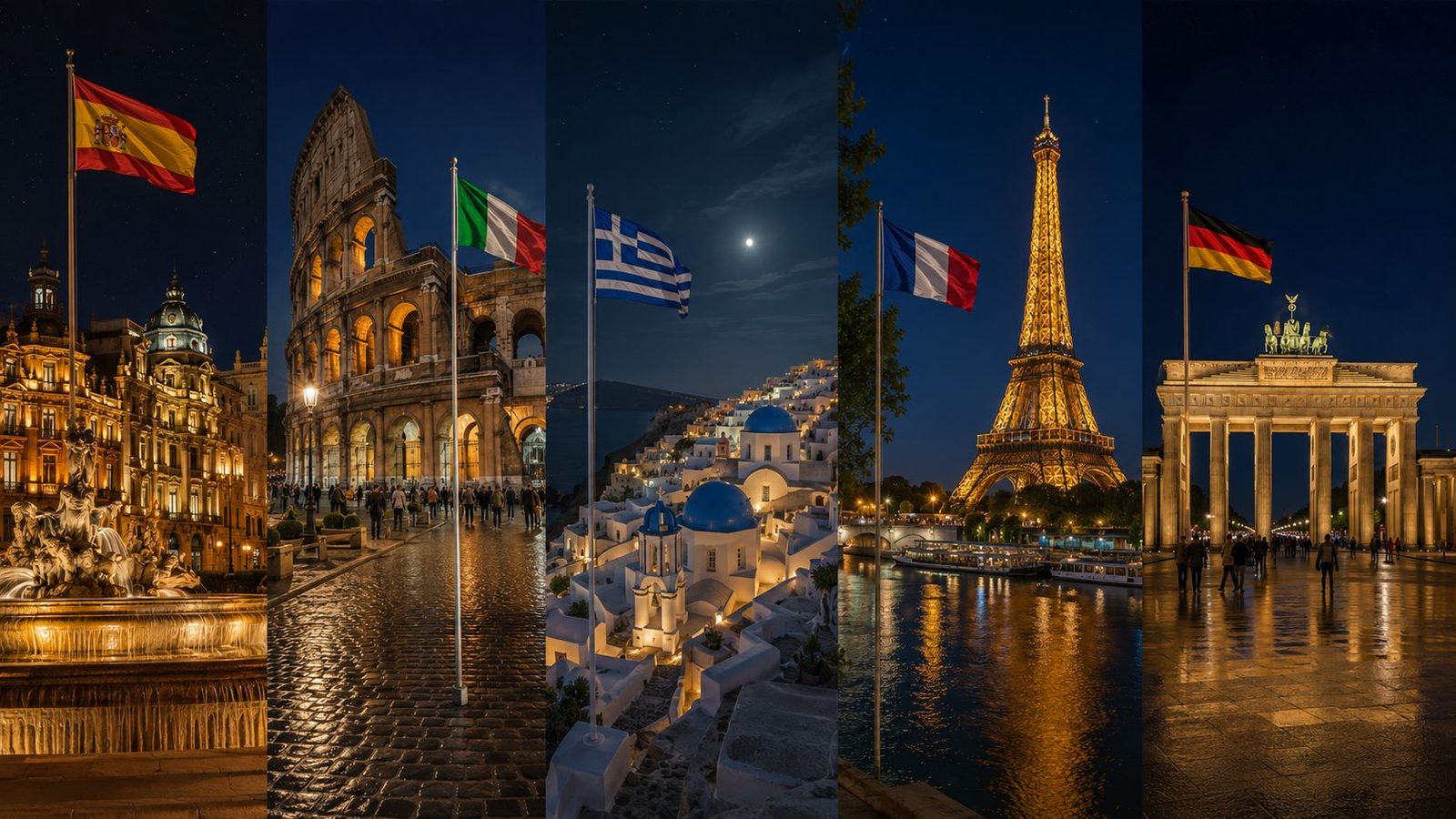
Europe’s tourism industry is preparing for a new phase of growth as Germany, France, Spain, Italy, the United Kingdom and other European countries face increasing pressure to improve international competitiveness. A new report from the World Travel & Tourism Council (WTTC), released on 9 October 2026 during its 26th Global Summit in Valletta, Malta, identifies eight strategic measures designed to strengthen tourism growth, simplify travel, encourage investment and address workforce shortages.
The recommendations arrive at an important moment for European tourism. The sector contributed nearly US$3 trillion to the region’s economy in 2025, representing 9.4% of GDP, and supported approximately 40.7 million jobs. WTTC forecasts that Europe’s Travel & Tourism economy will grow by 3.1% in 2026, compared with projected growth of 1.1% for the wider European economy.
The report does not announce eight new laws or confirm that individual European governments have adopted the measures. Instead, it provides a policy framework that Germany, France, Spain and other destinations can use to strengthen tourism competitiveness through 2036.
Eight Strategic Measures to Strengthen European Tourism Competitiveness
WTTC has identified eight priorities that could influence the future of European tourism. They cover international travel access, destination development, business investment, employment and emerging technology.
Advertisement
Advertisement
| Strategic measure | WTTC recommendation | Potential impact on European tourism |
|---|---|---|
| Digital visa reform | Accelerate digital Schengen visas, restore multiple-entry visa access and consider a trusted traveller scheme | Easier travel planning and improved international accessibility |
| International market diversification | Attract more visitors from Asia-Pacific, China and other long-haul markets | Reduced dependence on European source markets |
| Tourism investment | Improve access to finance and recognise tourism in EU budget priorities | Better infrastructure and support for tourism businesses |
| Sustainable tourism | Strengthen climate adaptation, water management and waste infrastructure | Improved environmental resilience |
| Destination management | Distribute visitors across regions and seasons and prioritise tourism value | Reduced pressure on heavily visited destinations |
| Workforce development | Expand apprenticeships, skills recognition and hospitality training | Improved recruitment and service capacity |
| Artificial intelligence | Help tourism businesses adopt AI and digital tools | Greater efficiency and improved customer services |
| Transport connectivity | Strengthen aviation and multimodal transport connections | Better access to established and emerging destinations |
These recommendations are especially relevant as the European Commission prepares its first dedicated tourism strategy and discussions continue over the EU’s 2028–2034 Multiannual Financial Framework.
Germany – Workforce Development and Business Tourism Take Centre Stage
Germany is among the European countries with the strongest reasons to prioritise tourism workforce development. According to WTTC, the country could face a workforce shortfall equivalent to 26% of projected tourism labour demand by 2035.
Advertisement
Advertisement
This potential shortage presents challenges for hotels, restaurants, airports, tour operators and event venues. Germany’s tourism economy depends on a combination of leisure travel, international trade fairs, conferences, cultural attractions and domestic tourism.
Berlin, Munich, Frankfurt, Hamburg and Cologne remain important centres for international visitors, while Bavaria, the Black Forest and other regional destinations attract travellers seeking outdoor experiences and cultural heritage.
Advertisement
Advertisement
Germany’s extensive trade fair industry also creates substantial demand for accommodation, transport and hospitality services. Workforce shortages could therefore affect not only leisure tourism but also business travel and the meetings, incentives, conferences and exhibitions sector.
WTTC’s recommendations on apprenticeships, professional qualifications and targeted technology adoption offer potential solutions. Greater investment in hospitality training and digital operations could help businesses improve productivity while maintaining service standards.
Germany could also benefit from improved visa procedures for visitors attending international conferences and trade exhibitions. Faster processing and predictable entry requirements may help the country compete for global events and high-value business travel.
The central challenge for Germany will be ensuring that its tourism workforce and infrastructure can support future demand without compromising service quality.
Advertisement
Advertisement
France – Tourism Leadership Creates New Pressure for Sustainable Destination Management
France remains one of Europe’s most recognisable tourism destinations, attracting international visitors to Paris, the French Riviera, Provence, Normandy, Bordeaux and its Alpine regions.
Its tourism competitiveness is supported by internationally recognised cultural attractions, extensive transport connections, luxury hospitality, gastronomy and major international events.
However, maintaining this position requires more than attracting additional visitors. Popular destinations face challenges involving congestion, environmental pressures, seasonal demand and the distribution of tourism benefits.
WTTC’s recommendations encourage countries to focus on the economic and social value generated by tourism rather than measuring success primarily through arrival numbers.
For France, this could mean promoting regional destinations, improving rail connections and encouraging travellers to explore beyond Paris and other established tourism centres.
International market diversification also presents opportunities. Stronger visitor demand from Asia-Pacific and other long-haul markets could support hotels, retailers, cultural attractions and regional tourism businesses.
Advertisement
Advertisement
Sustainable destination management will be especially important in areas where tourism activity overlaps with local housing, transport and environmental concerns.
France’s long-term competitiveness will depend on maintaining its global appeal while ensuring that tourism contributes positively to regional economies and local communities.
Spain – International Tourism Growth Requires Greater Focus on Visitor Value
Spain is another major European tourism economy that could benefit from WTTC’s eight strategic recommendations.
Madrid, Barcelona, Seville, Valencia, the Balearic Islands and the Canary Islands attract visitors throughout the year, supporting hotels, restaurants, airlines, cultural attractions and local businesses.
Spain’s strong international tourism market provides significant economic opportunities, but it also creates challenges in destinations experiencing intense seasonal demand.
WTTC’s emphasis on destination management, climate adaptation and visitor distribution is particularly relevant to Spain.
Advertisement
Advertisement
Promoting travel outside peak summer months could help reduce seasonal pressure while supporting employment throughout the year. Investment in regional rail networks and lesser-known destinations may also encourage visitors to explore beyond established coastal and urban centres.
Water management represents another important consideration, particularly in destinations where tourism demand coincides with periods of environmental stress.
Spain could also strengthen its competitiveness by diversifying international visitor markets and developing tourism products that encourage longer stays and higher local spending.
Rather than focusing exclusively on increasing arrivals, the country has an opportunity to strengthen the value generated by each visitor while improving the sustainability of its tourism economy.
United Kingdom – International Connectivity and Investment Remain Central to Tourism Competitiveness
The United Kingdom plays a significant role in Europe’s tourism economy, with Travel & Tourism contributing approximately US$380 billion to its GDP in 2025. According to WTTC, the UK is Europe’s second-largest Travel & Tourism economy and the largest contributor among countries outside the European Union.
London, Edinburgh, Manchester, Liverpool, Bath and the Scottish Highlands attract international visitors through cultural heritage, business events, entertainment and nature-based tourism. The country’s extensive aviation network also supports travel between Europe, North America, Asia and other international markets.
Advertisement
Advertisement
For the UK, WTTC’s recommendations highlight the importance of maintaining international connectivity, encouraging investment and developing a skilled tourism workforce.
The proposed UK-EU Youth Experience Scheme could become particularly relevant to hospitality businesses seeking access to younger workers. WTTC has called for its early completion as part of wider efforts to address workforce challenges.
Regional tourism development also presents opportunities. Better transport connections and destination promotion could encourage international visitors to explore beyond London, supporting accommodation providers, restaurants and attractions across the country.
As a non-EU economy, the UK follows its own immigration and visitor-entry policies. Nevertheless, cooperation with European partners remains important for tourism businesses operating across borders.
Italy – Cultural Tourism and Regional Connectivity Offer Opportunities for Sustainable Growth
Italy’s tourism competitiveness is closely associated with its historic cities, cultural heritage, gastronomy, coastal destinations and internationally recognised attractions.
Rome, Venice, Florence, Milan, Naples and the Amalfi Coast continue to attract visitors, while destinations in Sicily, Sardinia, Tuscany and other regions provide opportunities for wider tourism development.
Advertisement
Advertisement
WTTC’s recommendations on sustainable destination management are especially relevant to Italy because tourism activity is concentrated in several internationally recognised locations.
Encouraging travellers to visit lesser-known cities and rural destinations could help distribute visitor spending while reducing pressure on heavily visited historic centres.
Improved regional rail connectivity and investment in local accommodation could support this transition. Cultural tourism, food experiences, wellness travel and outdoor activities also offer opportunities to extend the tourism season.
For Italy, maintaining competitiveness will require balancing the preservation of cultural heritage with the economic benefits generated by international tourism.
Greece – Tourism Workforce Shortages Could Shape Future Hospitality Growth
Greece faces one of the most significant tourism workforce challenges identified in WTTC’s latest research.
The organisation projects that the country’s Travel & Tourism workforce could fall 27% short of demand by 2035, highlighting the importance of recruitment, professional training and workforce retention.
Advertisement
Advertisement
Athens, Santorini, Mykonos, Crete, Rhodes and other destinations depend heavily on international visitors, particularly during the summer travel season.
Strong seasonal demand creates employment opportunities but can also place pressure on hotels, restaurants, ferry operators and other tourism businesses.
WTTC’s recommendations suggest that improved apprenticeship programmes, professional qualifications and targeted technology adoption could help address these challenges.
Greece could also benefit from stronger year-round tourism development, particularly through cultural experiences, wellness tourism, gastronomy and mainland destinations.
Climate adaptation and water management are additional priorities for island destinations facing high visitor concentrations during warmer months.
Portugal – Tourism Diversification Could Support Growth Beyond Lisbon and the Algarve
Portugal’s tourism economy benefits from established international destinations such as Lisbon, Porto, the Algarve, Madeira and the Azores.
Advertisement
Advertisement
The country’s combination of coastal attractions, cultural heritage, gastronomy and nature-based experiences creates opportunities to attract visitors from multiple international markets.
WTTC’s recommendations on source-market diversification could help Portugal expand its reach beyond traditional European visitors.
Stronger long-haul connectivity and destination promotion may support travel from North America, Asia-Pacific and other regions.
Portugal also has opportunities to encourage tourism in rural areas, inland destinations and smaller coastal communities.
Investment in regional transport, sustainable accommodation and visitor infrastructure could help distribute tourism benefits more evenly.
For Portuguese tourism businesses, improved access to investment and digital technology could strengthen productivity and competitiveness.
Advertisement
Advertisement
Malta – Global Tourism Summit Host Highlights the Economic Importance of Travel
Malta provides a particularly relevant example of tourism’s economic importance as the host of WTTC’s 26th Global Summit in October 2026.
According to WTTC, Travel & Tourism contributed approximately US$4.6 billion to Malta’s economy in 2025, representing 16.6% of GDP.
The sector also supported around one in five jobs, demonstrating its substantial role in national employment.
International visitor spending reached approximately US$3.9 billion, exceeding its 2019 level by 47.5%.
Valletta, Mdina, Gozo and Malta’s coastal destinations attract travellers interested in history, culture, Mediterranean experiences and leisure tourism.
However, the country’s limited geographic area creates challenges involving transport capacity, water resources and visitor concentration.
Advertisement
Advertisement
WTTC’s emphasis on sustainable destination management could help Malta maintain tourism growth while protecting its cultural and environmental assets.
The country also illustrates why tourism competitiveness increasingly depends on generating economic value rather than simply increasing visitor numbers.
Netherlands – Amsterdam and Regional Destinations Face a New Tourism Management Challenge
The Netherlands has a well-established tourism economy supported by Amsterdam, Rotterdam, The Hague, Utrecht and other destinations.
Amsterdam’s international appeal attracts leisure visitors, cultural travellers and business tourists, while the country’s transport network provides convenient connections with neighbouring European markets.
However, visitor concentration in popular urban areas creates challenges involving accommodation, mobility and pressure on local communities.
WTTC’s recommendations on destination stewardship could support efforts to distribute tourism demand more widely.
Advertisement
Advertisement
Promoting regional attractions, encouraging longer stays and improving integrated transport options may help the Netherlands increase tourism’s economic contribution without concentrating additional demand in Amsterdam.
The country’s strong digital infrastructure also provides opportunities for tourism businesses to adopt artificial intelligence and improve visitor services.
Austria – Alpine Tourism and Climate Adaptation Become Strategic Priorities
Austria’s tourism industry combines internationally recognised cultural destinations with mountain resorts, outdoor recreation and winter sports.
Vienna, Salzburg, Innsbruck and the Tyrol region attract visitors throughout the year, while Alpine destinations depend heavily on seasonal travel demand.
WTTC’s recommendations on climate adaptation are particularly relevant to mountain tourism businesses facing changing weather patterns.
Developing year-round tourism products could help Austria reduce dependence on winter conditions and create more stable employment opportunities.
Advertisement
Advertisement
Summer hiking, cycling, wellness tourism and cultural experiences offer opportunities to attract visitors outside traditional peak periods.
Improved rail connections and sustainable regional transport could also strengthen Austria’s competitiveness among travellers seeking lower-emission travel options.
Switzerland – Premium Tourism and Sustainable Transport Support Long-Term Competitiveness
Switzerland’s tourism appeal is built around Alpine landscapes, luxury hospitality, efficient public transport and internationally recognised destinations.
Zurich, Geneva, Lucerne, Interlaken and Zermatt attract travellers seeking mountain experiences, business tourism, wellness holidays and premium accommodation.
WTTC’s recommendations on sustainable tourism and connectivity are relevant to Switzerland’s long-term development.
Maintaining reliable rail services and protecting sensitive mountain environments could help the country strengthen its appeal to international visitors.
Advertisement
Advertisement
Climate adaptation will also remain important for destinations that depend on winter sports and mountain tourism.
Switzerland’s established premium tourism market provides opportunities to focus on visitor value, service quality and longer stays rather than pursuing growth through arrival numbers alone.
Croatia – Adriatic Tourism Could Benefit From Year-Round Destination Development
Croatia’s tourism economy is closely associated with its Adriatic coastline, historic cities and island destinations.
Dubrovnik, Split, Zagreb, Istria and the Dalmatian islands attract international visitors, particularly during the European summer.
WTTC’s recommendations on visitor distribution and sustainable destination management could help Croatia address seasonal pressures.
Promoting cultural tourism, gastronomy, nature experiences and inland destinations may encourage travel outside the busiest months.
Advertisement
Advertisement
Investment in water management, waste infrastructure and coastal protection will also be important for destinations experiencing concentrated seasonal demand.
Croatia’s long-term competitiveness could improve through stronger regional connectivity and tourism products that support employment throughout the year.
Poland – Cultural Tourism and Regional Connectivity Offer New Growth Opportunities
Poland has a diverse tourism market supported by Warsaw, Kraków, Gdańsk, Wrocław and mountain destinations.
Its cultural heritage, business centres and expanding visitor infrastructure provide opportunities to strengthen international tourism demand.
WTTC’s recommendations on investment and connectivity could help Poland develop regional tourism destinations and improve accessibility.
Better rail services, destination promotion and hospitality investment may encourage international visitors to explore beyond the country’s largest cities.
Advertisement
Advertisement
Poland could also benefit from expanding its appeal to long-haul markets, particularly through cultural tourism, city breaks and business events.
Nordic Countries – Denmark, Sweden, Norway, Finland and Iceland Focus on Sustainable Tourism
Northern European destinations face a different combination of opportunities and challenges from Mediterranean tourism markets.
Denmark benefits from Copenhagen’s cultural attractions, business tourism and urban experiences. Sweden combines major cities with nature-based tourism, while Norway attracts travellers through its fjords, coastal voyages and Northern Lights experiences.
Finland’s Lapland region supports winter tourism, and Iceland draws international visitors through geothermal attractions, glaciers and dramatic natural landscapes.
WTTC’s recommendations on sustainability, connectivity and destination management are particularly relevant to these countries.
Many Nordic tourism destinations are located far from major international gateways, making regional transport infrastructure essential.
Advertisement
Advertisement
Investment in sustainable accommodation, rail connections, visitor facilities and climate resilience could strengthen tourism competitiveness while protecting natural environments.
Encouraging year-round tourism may also help reduce seasonal employment pressures and distribute visitor spending more evenly.
Central and Eastern Europe – Emerging Destinations Could Benefit From Investment and Better Connectivity
Countries across Central, Eastern and Southeastern Europe have opportunities to strengthen their tourism industries through improved transport connections, destination promotion and investment.
Czechia, Hungary, Romania, Bulgaria, Slovakia, Slovenia, Serbia, Albania, Montenegro and other destinations offer cultural heritage, historic cities, mountain landscapes and coastal experiences.
Prague, Budapest, Bucharest, Sofia, Ljubljana, Belgrade and Tirana provide established or developing gateways for international visitors.
WTTC’s recommendations on investment and international market diversification could help these destinations strengthen their competitiveness.
Advertisement
Advertisement
Improved aviation links, rail services and accommodation infrastructure may make regional destinations more accessible to international travellers.
Smaller tourism businesses could also benefit from better access to finance, digital tools and workforce development programmes.
However, the pace of development will depend on national investment conditions, transport capacity and individual tourism strategies.
Europe’s Tourism Economy Could Reach US$3.8 Trillion by 2036
WTTC’s research suggests that Europe has substantial opportunities to strengthen its position in international tourism over the coming decade.
The region recorded 757.3 million international overnight arrivals in 2025, representing 49.1% of the global total.
International visitor spending reached approximately US$835 billion, accounting for 41% of worldwide international tourism spending.
Advertisement
Advertisement
Despite this position, WTTC identifies several structural challenges that could influence future growth.
Almost three-quarters of Europe’s international arrivals in 2025 originated within the region, highlighting its reliance on intra-European travel.
Arrivals from Asia-Pacific remained 4.8% below 2019 levels, while arrivals from China were 43.2% lower than before the pandemic.
Investment also remains an important concern. European Travel & Tourism investment reached US$259 billion in 2025, increasing 7.1% year on year but remaining 3.6% below 2019 levels.
WTTC forecasts that the sector’s contribution to European GDP could reach US$3.8 trillion by 2036, supporting more than 50 million jobs.
These projections demonstrate the economic importance of tourism, but achieving them will depend on investment, workforce availability, connectivity and government policy decisions.
Advertisement
Advertisement
Conclusion – Eight Tourism Priorities Could Shape Europe’s Next Decade of Growth
Germany, France, Spain and other European countries face a shared challenge of maintaining tourism competitiveness while responding to workforce shortages, environmental pressures and changing visitor demand. WTTC’s eight recommendations provide a framework for digital visa reform, international market diversification, investment, sustainability, destination management, workforce development, artificial intelligence and connectivity.
The findings do not represent a jointly approved government programme or eight newly enacted measures. Instead, they identify policy opportunities that European governments and tourism businesses can pursue according to their national priorities.
With nearly US$3 trillion contributed to Europe’s economy in 2025 and further growth projected through 2036, the region’s tourism future will depend on its ability to translate these recommendations into practical improvements for travellers, businesses and local communities.
Advertisement
