
Estonia Is Now Seasonal for Autumn Travelers as Tallinn and Other Cities Are Equipped with Innovative Strategies

Updated
Published
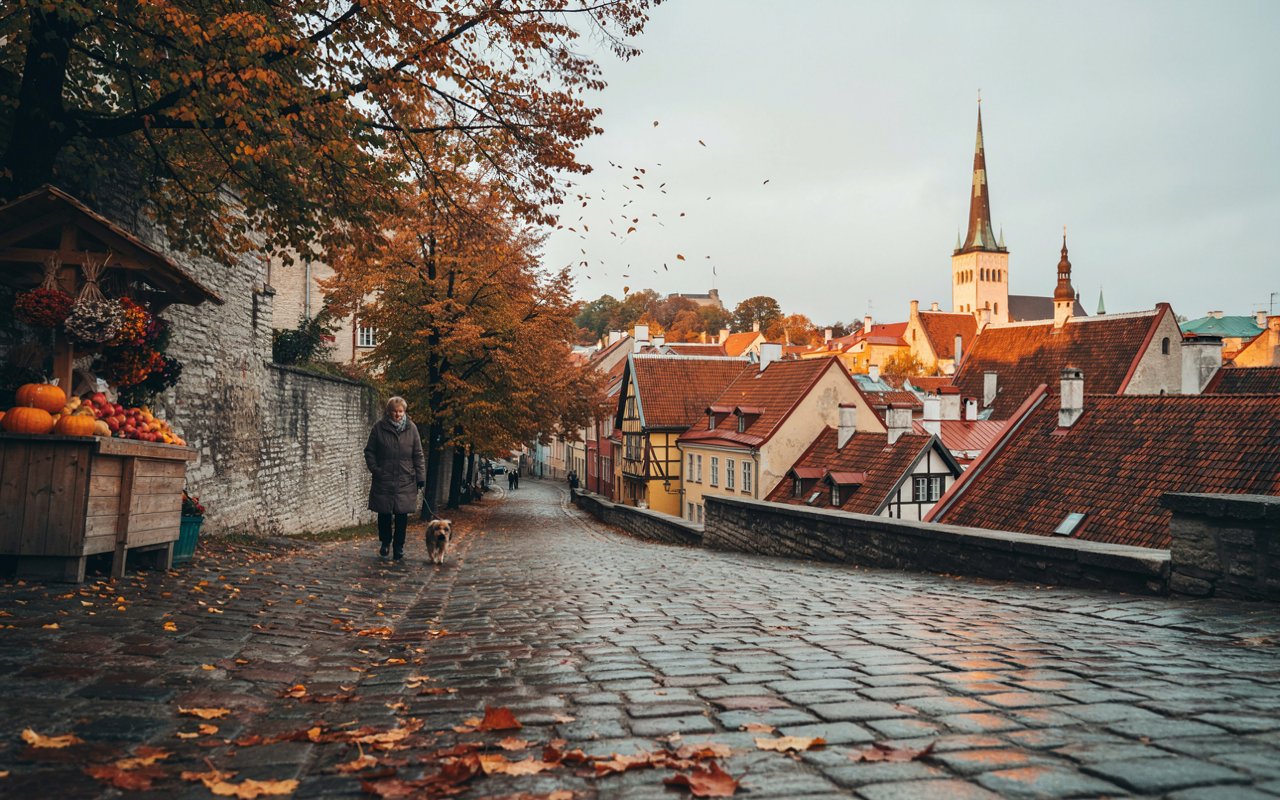
Image generated with Ai
Estonia is strengthening its autumn tourism appeal by preparing towns such as Tallinn, Tartu, Pärnu, Kuressaare, Haapsalu, Viljandi and Otepää with seasonal experiences focused on nature, heritage, wellness and slow travel. The country’s autumn travel strategy is built around quieter destinations, forest landscapes, cultural attractions, island experiences and visitor-friendly services designed to extend tourism beyond the traditional summer period.
As autumn 2026 approaches, Estonia is expected to attract travellers looking for immersive experiences rather than only traditional sightseeing. Historic towns, coastal communities and rural destinations are creating opportunities through outdoor activities, wellness programmes, local food experiences and cultural discoveries. These destinations provide international visitors with a different perspective of Estonia, where colourful forests, medieval architecture and regional traditions become central parts of the journey.
Estonia Autumn Travel 2026: Towns Preparing Special Experiences for Visitors
| Town / Destination | Region | Why It Is Suitable for Autumn 2026 Travel | Special Autumn Arrangements and Experiences | Key Visitor Facilities |
|---|---|---|---|---|
| Tallinn | Harju County | Estonia’s main cultural gateway with historic streets, museums and year-round tourism services | Autumn city breaks, Old Town walks, museums, design experiences, food tours and seasonal cultural programmes | International transport links, hotels, restaurants, museums, guided tours |
| Tartu | Southern Estonia | A major cultural destination with strong educational, creative and heritage tourism appeal | Autumn cultural events, university atmosphere, museums, riverfront walks and creative city experiences | Hotels, cultural venues, cafés, museums, public transport |
| Pärnu | Western Estonia | Known as a wellness and coastal destination suitable beyond the summer season | Autumn spa holidays, beach walks, wellness packages, cycling routes and nature escapes | Spa hotels, wellness centres, restaurants and coastal infrastructure |
| Haapsalu | Western Estonia | Historic seaside town offering peaceful autumn experiences | Castle visits, romantic old-town walks, railway heritage, seaside relaxation and local cuisine | Boutique hotels, guesthouses, museums and restaurants |
| Kuressaare | Saaremaa Island | Island destination with nature, wellness and heritage attractions | Autumn island escapes, castle visits, cycling, local food, spa stays and nature exploration | Spa resorts, accommodation, restaurants, ferry connections |
| Viljandi | Southern Estonia | Historic town surrounded by forests and cultural landscapes | Autumn heritage walks, folk culture experiences, lake scenery and craft tourism | Cultural venues, hotels, cafés and walking routes |
| Narva | Eastern Estonia | Border city combining history, architecture and river landscapes | Autumn fortress visits, cultural tourism, riverfront experiences and heritage exploration | Hotels, museums, restaurants and transport connections |
| Rakvere | Northern Estonia | Compact cultural destination with strong medieval identity | Castle experiences, family activities, autumn events and local food tourism | Accommodation, attractions, restaurants and visitor services |
| Otepää | Southern Estonia | Nature-focused destination known for outdoor tourism | Autumn hiking, forest trails, landscape photography, wellness breaks and active travel | Adventure services, accommodation, restaurants and trails |
| Võru | Southern Estonia | Gateway to lakes, forests and traditional culture | Autumn nature trips, hiking, regional cuisine and cultural discovery | Guesthouses, nature routes, local tourism services |
| Värska | Setomaa Region | Strong wellness and cultural tourism identity | Autumn spa retreats, Seto culture experiences, forests, traditional food and handicrafts | Spa facilities, accommodation, cultural attractions |
| Muhu Island | Western Estonia | Quiet island destination with traditional culture and rural tourism | Autumn village experiences, local crafts, food tourism and nature exploration | Guesthouses, restaurants, ferry access and rural stays |
Which Estonian towns are becoming major autumn travel destinations in 2026?
Estonia’s autumn tourism landscape is being shaped by several towns that combine established tourism infrastructure with seasonal experiences. Tallinn, Tartu, Pärnu, Kuressaare, Haapsalu, Viljandi and Otepää are among the destinations positioned to welcome visitors during the autumn months.
Tallinn continues to serve as Estonia’s leading international gateway, offering a combination of medieval heritage, modern culture and urban experiences. The city’s Old Town, museums, restaurants and creative districts provide attractive options for travellers seeking short autumn breaks. Cooler weather also creates ideal conditions for exploring historic streets, cultural venues and local food experiences.
Advertisement
Advertisement
Tartu offers a different atmosphere through its academic heritage, creative communities and cultural attractions. As a city known for innovation and education, it provides visitors with museums, galleries, cafés and riverside experiences. Autumn adds a special character to Tartu, with changing landscapes and cultural activities creating opportunities for deeper exploration.
Advertisement
Advertisement
Pärnu, traditionally recognised as Estonia’s summer capital, is also developing its appeal as an autumn wellness destination. The town’s spa facilities, coastal walking routes and peaceful atmosphere make it suitable for travellers seeking relaxation after the busy summer season.
Meanwhile, Kuressaare on Saaremaa Island continues to attract visitors through its combination of island culture, historic architecture and wellness tourism. Autumn allows travellers to experience the island at a slower pace, with fewer crowds and more opportunities to explore local traditions.
How are Estonia’s nature destinations creating special autumn experiences?
Nature tourism is becoming one of Estonia’s strongest autumn attractions. The country’s forests, national parks, lakes and countryside landscapes provide visitors with opportunities to experience seasonal changes through hiking, cycling, photography and wildlife observation.
Otepää is expected to remain one of the leading outdoor destinations during autumn 2026. Known for its landscapes and active tourism opportunities, the town provides access to forest trails, scenic routes and outdoor adventures. Autumn colours transform the surrounding countryside into a destination for walkers, photographers and nature enthusiasts.
The Võru region also offers a strong connection with Estonia’s natural environment. Visitors can explore lakes, forests and traditional villages while experiencing the quieter side of the country. The region is suitable for travellers interested in authentic rural experiences away from major tourist centres.
Advertisement
Advertisement
Värska and the Setomaa area provide another distinctive autumn travel option. The destination combines nature, wellness and cultural heritage. Visitors can experience traditional cuisine, handicrafts and local customs while enjoying forest landscapes and peaceful surroundings.
Estonia’s natural environment provides a major advantage for autumn tourism because the season creates a different travel experience compared with summer. Cooler temperatures, colourful forests and peaceful landscapes encourage longer stays focused on relaxation and exploration.
Why are Estonia’s historic towns attracting cultural travellers during autumn?
Cultural tourism is expected to play an important role in Estonia’s autumn travel season. Historic towns across the country are preparing visitors for experiences centred around castles, museums, traditional architecture and local heritage.
Haapsalu remains one of Estonia’s most attractive coastal heritage towns. Its historic streets, seaside atmosphere and cultural landmarks create a suitable environment for autumn escapes. Visitors can explore Haapsalu Castle, discover local history and enjoy a slower coastal experience.
Viljandi is another important cultural destination. Located in southern Estonia, the town combines medieval heritage with folk traditions and scenic landscapes. Autumn visitors can explore the castle ruins, lake views and cultural attractions while experiencing the town’s creative atmosphere.
Advertisement
Advertisement
Rakvere also offers strong heritage tourism potential through its medieval identity and family-friendly attractions. The town’s castle experiences and cultural activities provide visitors with opportunities to explore Estonia’s history in an engaging way.
Narva presents a different cultural perspective through its border location and historic architecture. The city’s fortress, river landscapes and cultural attractions create opportunities for visitors interested in history and regional identity.
These destinations demonstrate how Estonia is using heritage tourism to strengthen autumn travel. Instead of focusing only on summer attractions, towns are creating year-round experiences that encourage visitors to discover local stories and traditions.
How are wellness and slow travel experiences supporting Estonia’s autumn tourism growth?
Wellness tourism is becoming an important part of Estonia’s autumn travel offer. Towns such as Pärnu, Kuressaare and Värska are strengthening their position as destinations where visitors can combine relaxation, nature and cultural experiences.
Pärnu’s reputation as a spa destination supports its transition from a summer beach location into a year-round wellness destination. Autumn travellers can enjoy spa treatments, coastal walks and peaceful surroundings while avoiding peak-season crowds.
Advertisement
Advertisement
Kuressaare has also developed a strong wellness identity through its spa resorts and island environment. The combination of historic attractions, seaside landscapes and relaxation facilities creates a balanced travel experience.
Värska offers a unique wellness approach connected with natural resources and regional traditions. Visitors can experience wellness facilities while also discovering Seto culture, local food and countryside landscapes.
Slow travel is another important trend influencing autumn tourism in Estonia. Many travellers are increasingly choosing destinations where they can spend more time understanding local communities rather than visiting only major attractions.
Estonia’s smaller towns benefit from this shift because they offer authentic experiences, local hospitality and close connections with nature. Autumn provides an ideal season for this type of travel, allowing visitors to explore at a relaxed pace.
What role do islands and coastal towns play in Estonia’s autumn travel plans?
Estonia’s islands and coastal towns are expected to attract visitors seeking peaceful landscapes and unique cultural experiences during autumn 2026.
Advertisement
Advertisement
Saaremaa Island, with Kuressaare as its main tourism centre, remains one of the country’s strongest island destinations. The island offers historic sites, traditional villages, local cuisine and natural landscapes. Autumn visitors can enjoy cycling routes, coastal scenery and cultural experiences without the high visitor numbers associated with summer.
Muhu Island also provides a slower and more traditional island experience. Known for rural tourism, crafts and local heritage, Muhu appeals to travellers interested in authentic experiences. Guesthouses, local producers and village attractions help visitors connect with island life.
Haapsalu provides another coastal option through its combination of seaside scenery and cultural attractions. The town’s compact layout allows visitors to explore historic areas, waterfront locations and local businesses easily.
Coastal destinations benefit from autumn because the season highlights Estonia’s natural beauty in a quieter setting. The changing colours, fresh coastal air and peaceful surroundings create attractive conditions for travellers seeking relaxation.
How will Estonia’s autumn tourism infrastructure support international visitors in 2026?
Estonia’s ability to attract autumn travellers depends not only on attractions but also on visitor infrastructure. Many leading destinations already provide accommodation options, restaurants, transport connections, guided activities and tourism services suitable for international guests.
Advertisement
Advertisement
Tallinn offers the strongest international connectivity, while regional destinations provide hotels, guesthouses and local tourism services. Towns such as Tartu, Pärnu and Kuressaare have developed visitor networks that support longer stays.
Improved tourism infrastructure allows travellers to combine multiple experiences in one trip. Visitors can begin with cultural exploration in Tallinn, continue towards nature destinations such as Otepää, and finish with wellness or island experiences in Pärnu or Saaremaa.
Digital tourism services, visitor information systems and sustainable travel options are also becoming increasingly important. These developments support independent travellers who want flexibility while exploring Estonia.
Autumn tourism also benefits local communities by supporting businesses beyond the traditional summer season. Restaurants, accommodation providers, cultural venues and activity operators can continue welcoming visitors throughout the year.
What makes Estonia an emerging autumn travel choice for global visitors?
Estonia’s autumn tourism appeal comes from its ability to combine nature, culture, wellness and authentic local experiences. The country’s towns are creating travel opportunities that go beyond traditional sightseeing by focusing on seasonal activities and meaningful connections.
Advertisement
Advertisement
Destinations including Tallinn, Tartu, Pärnu, Kuressaare, Haapsalu, Viljandi and Otepää represent different aspects of Estonia’s autumn identity. From medieval streets and cultural attractions to forests, islands and wellness retreats, each location offers a distinct reason for travellers to visit.
As global travellers increasingly seek quieter destinations and immersive experiences, Estonia’s autumn tourism model provides a strong combination of accessibility and authenticity. The 2026 season is expected to highlight the country’s ability to transform its natural beauty and cultural heritage into memorable year-round travel experiences.
Estonia’s autumn tourism growth is being driven by changing traveller preferences, stronger seasonal planning and expanding destination experiences. The answer lies in creating year-round attractions that combine culture, nature, wellness and authentic local lifestyles. Towns such as Tallinn, Tartu, Pärnu, Kuressaare and Otepää are showing how destinations can reduce seasonal limits through smart tourism development. The reason behind this transformation is simple: visitors increasingly seek meaningful journeys, quieter locations and memorable experiences. By embracing autumn travel, Estonia is opening new opportunities for travellers and local communities while strengthening its position as a distinctive European destination.
Advertisement
