
Pennsylvania Tops The List Among Other US States Including Maine New York and More With 87.5% Increase in Heating Oil Prices Putting Winter Tourism and Holiday Budgets Under Pressure

Published
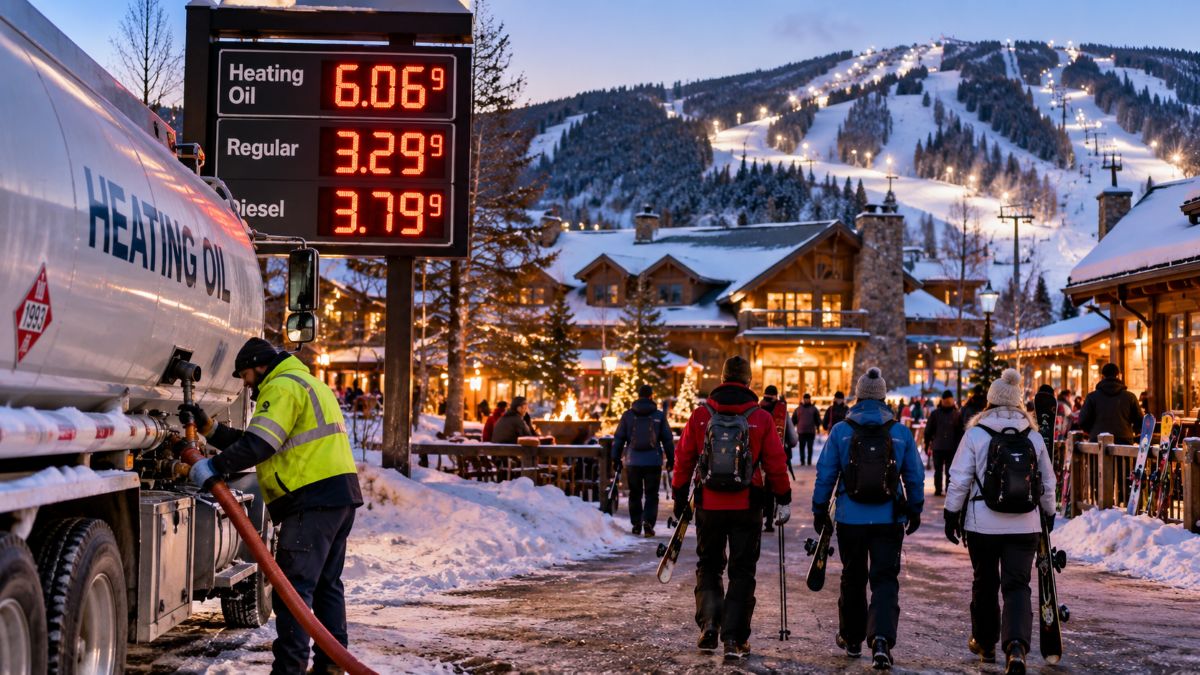
Pennsylvania tops the list among other US states including Maine, New York and more, with an 87.5% increase in heating oil prices putting winter tourism and holiday budgets under pressure. According to the US Energy Information Administration, Pennsylvania recorded an average residential heating oil price of $6.066 per gallon on 19 October 2026, representing the largest annual percentage increase among ten northeastern states examined. Meanwhile, Maine experienced an 86.3% rise, while New York recorded a 67.5% increase. Consequently, households and tourism businesses face growing energy-related financial pressures. However, widespread increases in hotel rates or ski holiday prices remain unconfirmed.
Why Is Pennsylvania Experiencing Such a Sharp Heating Oil Price Increase?
Pennsylvania has recorded one of the steepest heating oil price increases among the northeastern states examined ahead of winter 2026–27.
Official Energy Information Administration figures show that residential heating oil averaged $6.066 per gallon on 19 October 2026.
This represents an increase of approximately $2.83 per gallon compared with the corresponding period in 2025.
Advertisement
Advertisement
The annual percentage increase reached 87.5%, exceeding the rises recorded in Maine, Connecticut and New York.
The EIA identifies constrained distillate fuel supplies and elevated petroleum prices as important contributors.
Advertisement
Advertisement
Distillate fuels include heating oil and diesel, making supply conditions relevant to residential energy markets.
However, Pennsylvania’s 87.5% increase refers to residential heating oil prices rather than commercial hotel or resort energy expenses.
Advertisement
Advertisement
The state led the ten-state comparison, not a verified ranking of all 50 US states.
Which US States Are Facing the Highest Heating Oil Price Increases?
Heating oil inflation has affected several northeastern states, creating broader concerns about household energy expenditure.
Maine recorded an 86.3% annual increase, while Connecticut experienced an 81.4% rise.
New York reported a smaller percentage increase of 67.5%, although its average heating oil price remained higher than Pennsylvania’s.
Advertisement
Advertisement
| State | Price per gallon | Annual increase |
|---|---|---|
| Pennsylvania | $6.066 | 87.5% |
| Maine | $6.026 | 86.3% |
| Connecticut | $6.154 | 81.4% |
| Vermont | $6.097 | 79.0% |
| Rhode Island | $6.380 | 76.7% |
| New Hampshire | $6.033 | 73.7% |
| Massachusetts | $6.115 | 72.3% |
| New York | $6.417 | 67.5% |
| Delaware | $6.431 | 64.0% |
The figures come from the federal residential heating oil survey for 19 October 2026.
They demonstrate that percentage increases and actual fuel prices are different measures.
For example, Delaware recorded a higher price per gallon than Pennsylvania despite a smaller annual percentage increase.
How Could Higher Heating Costs Affect Pennsylvania Winter Tourism?
Pennsylvania supports winter tourism through mountain resorts, ski destinations, rural accommodation and seasonal recreational attractions.
Popular destinations include the Pocono Mountains and Laurel Highlands, where visitors participate in skiing, snowboarding and winter holidays.
Higher heating oil prices could increase operating expenses for accommodation providers using oil-fired heating systems.
Advertisement
Advertisement
Hotels, guesthouses and holiday rentals may face greater costs during prolonged periods of cold weather.
However, these expenses depend on individual heating systems, property size, energy efficiency and supplier contracts.
| Pennsylvania tourism destination | Winter attraction | Potential concern |
|---|---|---|
| Pocono Mountains | Skiing and winter getaways | Accommodation heating expenses |
| Laurel Highlands | Mountain resorts and winter recreation | Higher hospitality operating costs |
| Seven Springs | Ski holidays and mountain accommodation | Potential energy-related expenses |
| Blue Mountain | Skiing and snowboarding | Pressure on heated visitor facilities |
| Philadelphia | Urban winter tourism | Possible hospitality energy costs |
| Pittsburgh | Cultural and seasonal travel | Accommodation operating expenses |
No official figures establish that these destinations have increased hotel rates because of heating oil inflation.
Why Could Maine New York and Vermont Face Similar Tourism Challenges?
Maine, New York and Vermont attract winter travellers seeking mountain scenery, skiing and outdoor recreation.
Maine’s Sugarloaf and Sunday River areas are important winter tourism destinations.
New York’s Adirondacks and Catskills support mountain holidays, while Vermont attracts visitors to Stowe and Killington.
Advertisement
Advertisement
Higher energy expenses could affect accommodation providers and other businesses that rely on heating oil.
| State | Popular winter destination | Potential tourism impact |
|---|---|---|
| Maine | Sugarloaf, Sunday River | Higher accommodation heating expenses |
| New York | Adirondacks, Lake Placid | Potential pressure on lodging costs |
| Vermont | Stowe, Killington | Increased costs for heated facilities |
| New Hampshire | White Mountains | Higher mountain accommodation expenses |
| Connecticut | Litchfield Hills | Potential pressure on holiday rental costs |
| Massachusetts | Berkshires | Increased hospitality heating expenditure |
However, residential heating oil prices cannot be directly applied to commercial tourism businesses.
The financial impact will vary according to fuel contracts, heating systems and operating requirements.
How Much More Could Families Pay for Heating Oil This Winter?
The financial impact becomes clearer when comparing the cost of purchasing a fixed quantity of heating oil.
At Pennsylvania’s average price of $6.066 per gallon, a 200-gallon purchase would cost approximately $1,213.
The same quantity in New York would cost approximately $1,283.
Advertisement
Advertisement
| State | Price per gallon | Estimated 200-gallon purchase |
|---|---|---|
| Pennsylvania | $6.066 | $1,213 |
| Maine | $6.026 | $1,205 |
| New York | $6.417 | $1,283 |
| Connecticut | $6.154 | $1,231 |
| Vermont | $6.097 | $1,219 |
| Rhode Island | $6.380 | $1,276 |
| New Hampshire | $6.033 | $1,207 |
These figures illustrate purchase costs rather than total seasonal heating expenditure.
Actual bills depend on household consumption, insulation, heating efficiency and weather conditions.
For tourism, the concern is that higher household energy expenses could reduce disposable income available for holidays.
Could Rising Heating Bills Force Families to Change Their Winter Travel Plans?
Higher household heating expenses may influence discretionary spending decisions, including winter holidays.
The Energy Information Administration forecasts that US households primarily using heating oil will spend approximately 21% more on heating during winter 2026–27.
This could encourage some families to shorten holidays, choose destinations closer to home or reduce spending on accommodation.
Advertisement
Advertisement
However, the forecast does not establish how many households will cancel or postpone travel.
| Household financial pressure | Possible travel response |
|---|---|
| Higher heating bills | Reduced holiday spending |
| Limited disposable income | Shorter winter breaks |
| Rising accommodation costs | Greater interest in budget hotels |
| Uncertain household expenses | Flexible travel bookings |
| Higher overall travel budgets | More regional holidays |
| Seasonal financial pressure | Delayed discretionary trips |
The strongest conclusion is that heating oil inflation creates potential pressure on travel affordability.
Its actual effect on winter tourism demand remains unquantified.
What Should Travellers Consider Before Booking Winter Holidays?
Travellers planning winter trips across Pennsylvania and neighbouring states should compare total accommodation expenses.
Holiday rental guests should confirm whether heating, electricity and other utilities are included in advertised prices.
Families considering ski holidays should also examine lift-ticket packages, transport arrangements and cancellation policies.
Advertisement
Advertisement
| Travel consideration | Recommended action |
|---|---|
| Hotels | Compare total booking prices |
| Holiday rentals | Confirm heating charges |
| Ski resorts | Review accommodation packages |
| Winter road trips | Budget for transport and weather delays |
| Family holidays | Establish realistic spending limits |
| Rural accommodation | Confirm heating arrangements |
| Flexible bookings | Check cancellation conditions |
Travellers should avoid assuming that every hotel or resort will introduce additional energy charges.
Instead, careful booking comparisons can help reduce unexpected expenditure.
Conclusion: What Does Pennsylvania Heating Oil Inflation Mean for Winter Tourism?
Pennsylvania’s 87.5% annual heating oil price increase highlights significant energy affordability pressures across northeastern US states, including Maine, New York and Connecticut. With residential heating oil exceeding $6 per gallon in several markets, households face higher winter expenses that could influence holiday budgets. Meanwhile, accommodation providers using oil-fired heating systems may encounter additional operating costs. However, official statistics do not confirm widespread hotel price increases, reduced ski resort bookings or declining tourist arrivals. Ultimately, transparent accommodation pricing, responsible financial planning and improved energy efficiency could help travellers and tourism businesses navigate winter 2026–27 while maintaining access to popular seasonal destinations.
Comment by Anup Keshan Founder and Editor-in-Chief of Travel And Tour World
“The sharp increase in heating oil prices across Pennsylvania, Maine, New York and other northeastern states presents an important challenge for winter tourism affordability. Popular destinations depend on families and international visitors who support accommodation providers, restaurants, ski resorts and local businesses. Although higher energy expenses may create financial pressure, transparent pricing and responsible planning can help maintain traveller confidence. Tourism businesses should also explore energy-efficient operations and flexible accommodation options to manage rising costs. Continued cooperation between destination organisations and hospitality providers will be essential for protecting seasonal tourism opportunities while ensuring that memorable winter holidays remain accessible.”
Advertisement
