
Scotland Aligns With Ireland And More Draws Travel Interest As Hildasay Island Lists For £350,000

Published
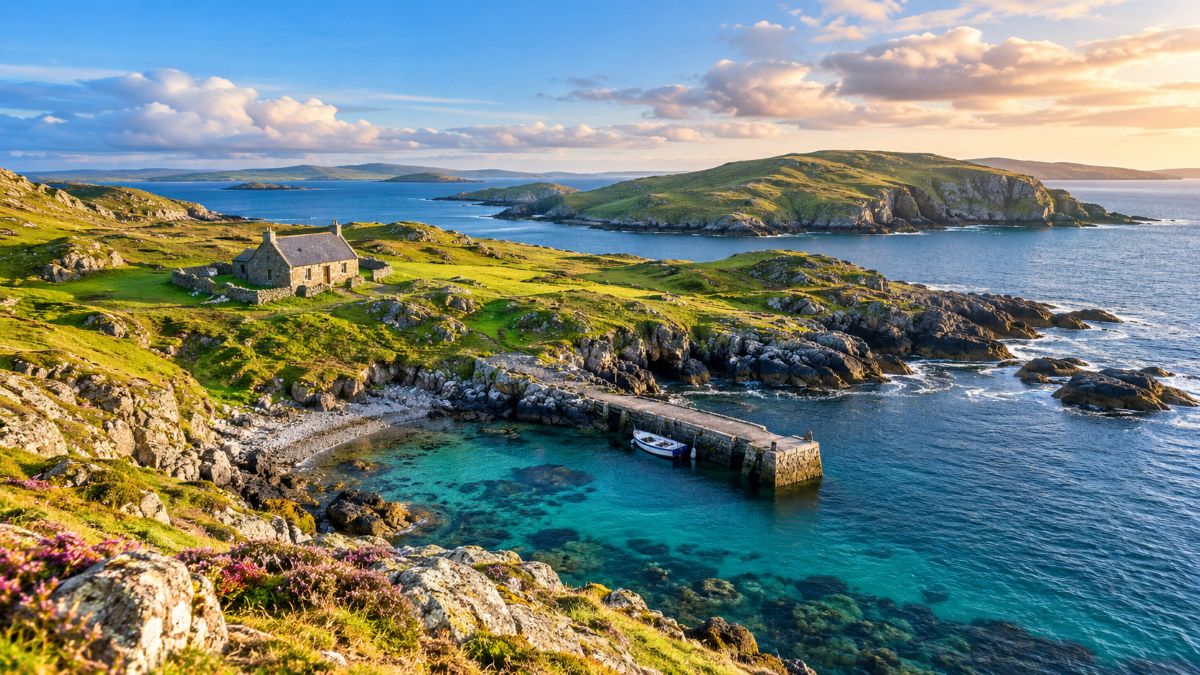
Scotland’s remote Hildasay Island has attracted international attention after being listed for £350,000, approximately €414,000, creating an unusual opportunity for prospective buyers interested in private island ownership, nature-based tourism and secluded retreats. Located off the west coast of Shetland, the approximately 110-hectare island features rugged coastlines, two freshwater lochs, wildlife habitats, a traditional stone-built bothy and a private pier, although access is possible only by boat. The listing also highlights Scotland’s appeal alongside Ireland, England, Wales and other European destinations, where travellers increasingly explore distinctive landscapes, heritage attractions and opportunities for quieter escapes. The island’s potential extends beyond Scotland to wider tourism interests across Ireland, Norway, Denmark, Sweden, France and other European countries, where coastal scenery, outdoor experiences and remote accommodation contribute to destination appeal. However, Hildasay presents significant practical challenges, including the absence of mains electricity and the basic condition of its existing accommodation. Its historical connections to former settlement and industrial activity add cultural value, while its isolation raises important questions about accessibility, infrastructure, conservation and sustainable tourism. For prospective international buyers, the property represents both a distinctive ownership opportunity and a reminder of the responsibilities involved in developing remote island destinations.
Hildasay Island Enters Scotland’s Unusual Property Market
Hildasay’s listing offers a rare opportunity to purchase an entire Scottish island at an asking price comparable to that of some conventional residential properties. The property is being marketed for offers over £350,000, with the sale attracting attention because of its size, isolation and existing infrastructure. Covering approximately 110 hectares, or 267 acres, the island lies off the western coast of Shetland, near Scalloway. Its combination of coastline, freshwater lochs, historic remains and a traditional dwelling distinguishes it from undeveloped parcels of land. Nevertheless, the advertised price represents an entry point rather than a complete estimate of ownership costs.
The island is currently uninhabited and has no direct road connection to mainland Scotland or the Shetland Mainland. Its private pier provides a principal landing point, although buyers must independently assess its condition, accessibility and suitability for their intended use. The existing bothy offers basic shelter, but it should not automatically be regarded as a fully equipped modern residence. Electricity, heating, maintenance, transport and essential supplies all require careful planning. For people considering remote island ownership, these factors may influence the long-term financial commitment more significantly than the initial purchase price.
What Buyers Receive For The £350,000 Asking Price
The advertised property includes the island’s landholding, a traditional stone-built bothy and a pier that provides a landing point for boats. The landscape features an extensive coastline, two freshwater lochs and views across surrounding waters and islands. Its natural environment includes seasonal birdlife and other wildlife, while remnants of historic economic activity provide a connection to its former community. These characteristics create opportunities for private enjoyment and potentially conservation-focused activities, subject to applicable regulations. However, the property should not be confused with a developed resort, a ready-made holiday business or a luxury island residence.
Advertisement
Advertisement
The bothy was formerly a croft house and provides a living area, a raised sleeping area and a separate washroom. Solid-fuel stoves have been used for heating, while previous electricity arrangements included a small wind turbine and a diesel generator. The property is not connected to mains electricity, and prospective purchasers must establish suitable arrangements for power and other services. The building is understood to require general maintenance and improvements for more regular use. Buyers should also establish the condition of drainage, water provision and other essential facilities before making financial commitments.
Hildasay’s Location Adds To Its Travel Appeal
The Shetland Islands occupy a distinctive position in Scotland’s geography, with landscapes shaped by maritime weather, rugged coastlines and a long relationship between communities and the sea. Hildasay offers a particularly isolated setting within this wider archipelago. Its coastal views, freshwater lochs and open terrain may appeal to people seeking solitude, outdoor exploration and a closer relationship with the natural environment. For travel observers, the property illustrates how remote locations can attract attention not only as destinations to visit but also as places that some individuals aspire to own and maintain.
Advertisement
Advertisement
Its geographical position also determines the practical realities of visiting or living there. Every journey requires access by water, making boat availability, weather conditions and safe landing arrangements central considerations. Unlike a rural property connected to a road network, the island cannot be approached by car or reached through ordinary public transport. Essential deliveries, building materials and maintenance equipment would also require transport planning. These logistical demands could affect the frequency of visits, the cost of repairs and the feasibility of accommodating guests. Consequently, the island’s remoteness is both a defining attraction and a substantial operational consideration.
Off-Grid Living Presents The Biggest Practical Challenge
The absence of mains electricity is one of the most important considerations for anyone contemplating a purchase. Previous owners have used a small wind turbine and a diesel generator, but prospective buyers would need to determine whether these systems remain available, functional and suitable for future requirements. Depending on intended occupancy, a new owner might investigate renewable energy generation, battery storage and backup power. Each option would require technical assessment, installation planning and ongoing maintenance. Any investment would also need to account for the island’s exposure to coastal weather and the difficulty of transporting equipment.
Advertisement
Advertisement
Living independently on Hildasay would require more than finding a source of electricity. Water supply, sanitation, heating, food storage, communications and waste management would all need appropriate arrangements. The reliability of these services would influence whether the bothy could support occasional visits or more sustained occupation. Boat access would also require contingency planning for periods when conditions make journeys difficult or unsafe. Buyers should therefore undertake a thorough property inspection and seek relevant professional advice before assuming that the existing building can meet their needs. The practical demands of self-sufficiency are central to understanding the island’s true value.
Historic Industries Reveal A Different Side Of Shetland
Hildasay’s appeal is not limited to its natural surroundings. The island once supported a small population, with historical records indicating that around 30 people lived there in 1891. Granite quarrying and herring curing formed part of its economic life, reflecting the industries that supported communities across Scotland’s northern islands. The landscape retains traces of this earlier activity, including substantial granite remains and evidence associated with the movement of quarried stone. These features provide a tangible connection to a period when the island was more closely integrated into regional production and maritime trade.
Granite extraction required the movement of heavy materials between quarrying areas and landing points, and a small railway was reportedly used for transport. Such remains add historical interest to a landscape now characterised primarily by isolation and wildlife. For prospective owners, the heritage may offer opportunities to support interpretation, documentation and conservation, provided that any work complies with relevant requirements. The island’s history also reinforces the importance of treating its landscape as more than a private recreational asset. Preserving historic traces could form part of a responsible ownership approach, particularly if future plans involve visitors or educational activities.
Chris Lewis Brought Hildasay To Wider Public Attention
Hildasay became more widely known after Chris Lewis, a former paratrooper undertaking a charity walk around the United Kingdom coastline, stayed on the island during the COVID-19 pandemic. His journey was interrupted by lockdown restrictions, and he spent approximately three months on Hildasay with his dog, Jet. The experience subsequently featured in his book, Finding Hildasay: How One Man Walked the UK’s Coastline and Found Hope and Happiness. His story introduced a wider audience to the island and highlighted the personal significance that remote places can acquire during unexpected periods of disruption.
Advertisement
Advertisement
Lewis’s experience also provides a human perspective on the distinction between visiting a remote location and owning it permanently. A temporary stay can offer an opportunity to experience quiet surroundings and a different daily rhythm, but long-term occupation involves continuing responsibility for shelter, supplies, transport and maintenance. His time on Hildasay contributed to its public profile, although his experience should not be treated as evidence that permanent living would be straightforward. For prospective purchasers, the island’s personal and emotional appeal must be considered alongside the physical demands of maintaining a home in a location accessible only by boat.
Could Hildasay Become A Tourism Destination?
Hildasay’s landscape could attract interest from people seeking nature-based experiences, private retreats or opportunities to explore Shetland’s maritime heritage. Its coastline, freshwater lochs and wildlife provide features that may support an appealing visitor experience if access and conservation requirements can be addressed. However, the existence of these attractions does not establish that the island is suitable for commercial tourism. The current property offering consists primarily of land, a traditional bothy and a pier, rather than developed visitor facilities. Any proposal to accommodate paying guests or establish organised activities would require a realistic assessment of infrastructure, safety and operating costs.
Planning permission and other statutory consents may be necessary for improvements, changes of use or new development. Prospective owners would need to consult the relevant authorities to establish which activities are permissible and whether particular restrictions apply. Environmental considerations would also be important because increased visitor numbers can affect wildlife, habitats, waste management and the character of a remote landscape. A small-scale approach, if permitted, might be more compatible with the island’s conditions than intensive development. Until permissions, infrastructure and commercial viability have been established, Hildasay should be viewed as a potential setting for carefully considered activities rather than an existing tourism enterprise.
How Hildasay Compares With Other Private Islands
Private islands vary widely in price depending on location, land area, existing buildings, accessibility and available services. Hildasay’s asking price may appear comparatively accessible to buyers attracted by the idea of owning an entire island. However, comparisons based solely on purchase prices can be misleading because two properties with similar valuations may have very different levels of infrastructure. An island with established accommodation, dependable transport arrangements and utility connections may require less initial work than a property where services must be installed or restored. The overall financial commitment depends on both the acquisition cost and the resources needed afterwards.
Hildasay’s principal advantages are its substantial landholding, traditional building, pier, freshwater lochs and distinctive historical character. Its main limitations are boat-only access, the absence of mains electricity and the maintenance requirements associated with remote property ownership. Buyers comparing Scottish island listings should examine these factors alongside title conditions, access rights, planning restrictions and the physical state of existing structures. They should also consider insurance availability, emergency arrangements and the cost of bringing supplies to the island. Such due diligence is particularly important where the property’s appeal depends heavily on isolation and unconventional living arrangements.
Sale Deadline And What Prospective Buyers Should Check
The property listing has specified a closing date of noon on Wednesday, 28 October 2026. As that date approaches, interested buyers should confirm the current status of the sale and the arrangements for submitting offers. A closing date does not mean that a sale has been completed, and the asking price should not be interpreted as a confirmed final transaction value. The position may change depending on offers received and the seller’s decisions. Anyone considering the purchase should obtain current details directly from the appointed estate agent and arrange appropriate legal and technical advice.
Advertisement
Advertisement
Due diligence should cover the legal title, the boundaries of the landholding, the condition of the pier and the structural state of the bothy. Buyers should establish what infrastructure is included, whether existing power equipment remains on the property and what arrangements exist for water and sanitation. They should also investigate insurance, boat access, maintenance obligations and any restrictions affecting conservation, construction or visitor accommodation. Professional assessments can help distinguish manageable improvements from expensive or impractical proposals. These checks are essential because remote properties can carry responsibilities that are not immediately apparent from photographs or a short property description.
What Hildasay Means For Scotland’s Travel Story
Hildasay’s listing highlights a wider tension in contemporary travel and property markets: the appeal of escaping crowded environments often grows alongside an appreciation of the practical systems that make everyday life possible. Remote islands offer dramatic scenery, privacy and opportunities for outdoor experiences, but they also depend on transport, reliable supplies and careful management of natural resources. The prospect of purchasing an island can therefore attract people seeking a different lifestyle while revealing the substantial responsibilities that accompany isolation. Hildasay brings these issues together through a property that combines scenic appeal with clear infrastructure limitations.
For Scotland, the island’s visibility also draws attention to the diversity of experiences found across the Shetland archipelago. The region’s appeal is rooted not only in dramatic coastal scenery but also in maritime history, wildlife and the legacy of communities that once inhabited its smaller islands. Whether Hildasay eventually remains a private retreat or becomes the subject of a permitted conservation or visitor initiative will depend on its buyer and the applicable rules. Its sale is a reminder that the value of remote places extends beyond commercial potential, encompassing heritage, environmental responsibility and the realities of sustaining life far from conventional services.
Frequently Asked Questions
1. Where Is Hildasay Island Located?
Hildasay is a remote island off the western coast of the Shetland Islands in Scotland, near the settlement of Scalloway.
2. How Much Does Hildasay Island Cost?
Advertisement
Advertisement
The island has been advertised for offers over £350,000, equivalent to approximately €414,000. The final sale price, if a transaction is completed, may differ.
3. How Large Is Hildasay Island?
The property covers approximately 110 hectares, or 267 acres, including its varied coastline and inland landscape.
4. Can Visitors Reach Hildasay By Road?
No. The island is accessible only by boat, and its private pier provides a principal landing point.
5. Does Hildasay Have Electricity?
Advertisement
Advertisement
The existing bothy is not connected to mains electricity. Previous owners have used a small wind turbine and a diesel generator, but prospective buyers must verify the equipment’s condition and arrange suitable power provision.
6. What Accommodation Is Available On The Island?
Hildasay has a traditional stone-built bothy, formerly a croft house, with a living area, raised sleeping area and separate washroom. The building requires maintenance and improvements for more regular use.
7. Can The Island Be Developed For Tourism?
Potential tourism activities would depend on planning requirements, statutory permissions, infrastructure, safety considerations and environmental restrictions. Commercial use should not be assumed to be automatically permitted.
8. What Is Hildasay Known For Historically?
Advertisement
Advertisement
The island once supported a small community, with granite quarrying and herring curing among its historical industries. Remains associated with its industrial past survive in the landscape.
9. Why Did Chris Lewis Stay On Hildasay?
Chris Lewis stayed on the island with his dog, Jet, for approximately three months after the COVID-19 pandemic disrupted his charity walk around the United Kingdom coastline. The experience later featured in his book, Finding Hildasay.
10. What Should Buyers Consider Before Purchasing Hildasay?
Prospective buyers should investigate the legal title, building condition, pier access, electricity, water, sanitation, insurance, transport costs and planning restrictions. They should also establish the likely expense of maintaining the property and any proposed improvements.
Advertisement
