

Bangkok Aligns Shanghai and More as Cebu Pacific, and Thai AirAsia Freeze Certain Routes, Sending Travel Plans into Turmoil

Published
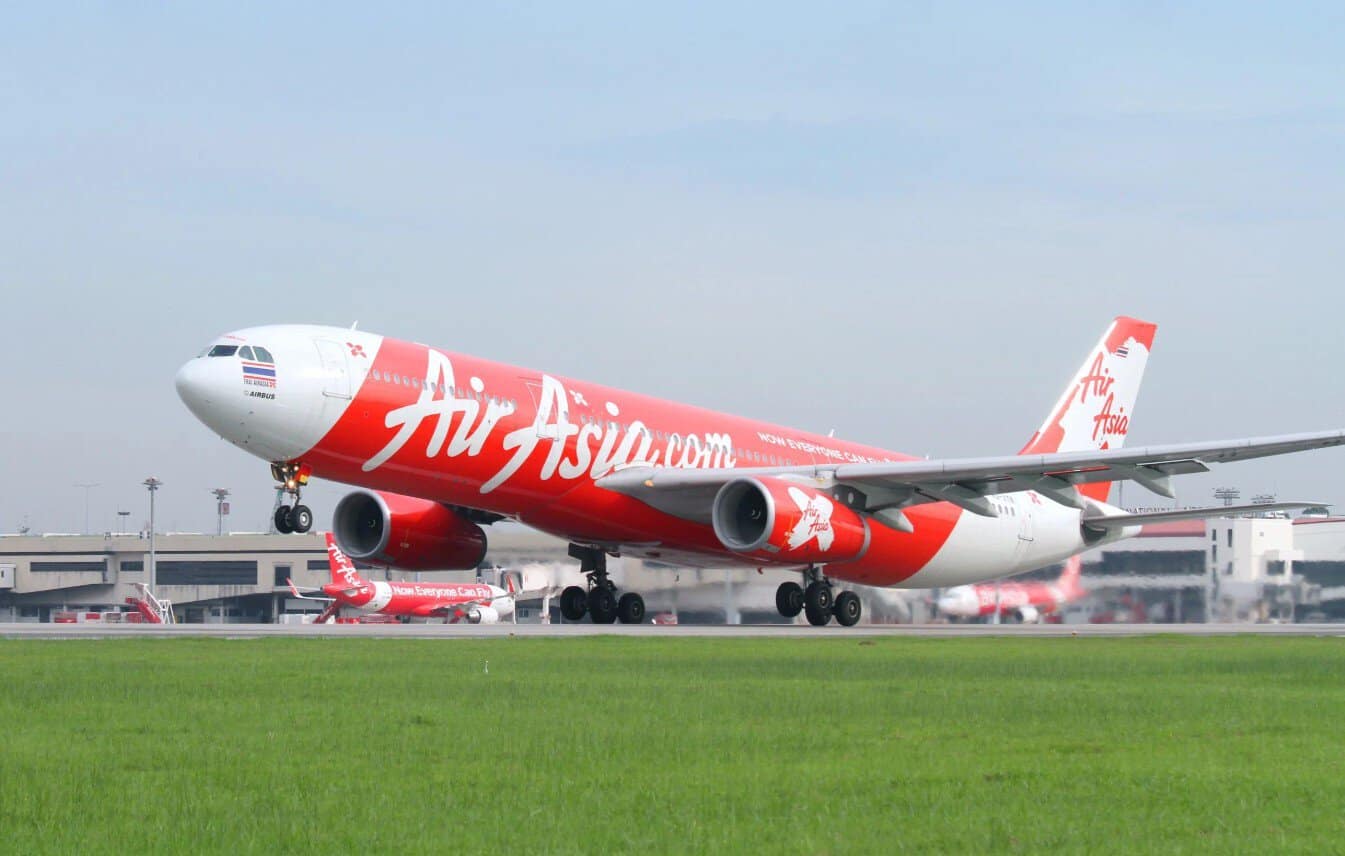
As of 9th October 2026, the global aviation sector faces unprecedented operational headwinds, leading to sudden timetable freezes across South-East Asia. The newly announced Cebu Pacific and Thai AirAsia route suspensions 2026 have left thousands of international travellers seeking immediate alternatives, throwing regional travel plans into severe turmoil. Driven primarily by skyrocketing jet fuel costs and geopolitical instabilities, these strategic network contractions have forced civil aviation authorities to intervene today. This comprehensive report meticulously analyses official data from government transport ministries, aviation regulators, and the International Air Transport Association to understand the economic impact of these widespread flight cancellations now.
Background to the 2026 Aviation Crisis and Route Freezes
The South-East Asian aviation market has historically been dominated by highly competitive Low-Cost Carriers (LCCs) that rely on high passenger volumes, rapid aircraft turnarounds, and minimal operational margins to sustain profitability. However, the macroeconomic environment of late 2025 and 2026 has fundamentally disrupted this delicate operational balance. An amalgamation of geopolitical conflicts in the Middle East, disrupted global supply chains, and sweeping inflationary pressures has created an inhospitable environment for budget airlines operating long-haul or moderately thin regional routes.
Consequently, leading regional airlines have been compelled to execute drastic network realignments. The Cebu Pacific and Thai AirAsia route suspensions 2026 represent the most significant scheduled flight freeze in recent regional aviation history. These suspensions are not isolated incidents but rather symptomatic of broader structural vulnerabilities within the global airline industry. When fuel prices spike uncontrollably, routes that previously operated at a marginal profit rapidly become unsustainable financial liabilities.
For passengers, these abrupt network adjustments have sent travel plans into turmoil, resulting in stranded tourists, disrupted business logistics, and a surge in demand for customer service interventions. Government bodies, including national tourism boards and civil aviation authorities, have subsequently been forced to step in to mediate the economic fallout, protect consumer rights, and strategise long-term solutions to maintain regional connectivity.
Advertisement
Advertisement
Global Economic Factors Driving the Route Freezes
To fully comprehend the severity of the international flight cancellations, one must examine the underlying energy economics dictated by the global market. Aviation fuel typically constitutes between 25% and 35% of an LCC’s total operating expenses. In 2026, this proportion expanded dramatically.
IATA Jet Fuel Price Monitor and Supply Shocks
According to official data published by the International Air Transport Association (IATA), jet fuel prices experienced unprecedented volatility throughout the year. The IATA Jet Fuel Price Monitor highlighted that jet fuel prices surged by over 121% year-on-year at their peak, trading at highly elevated levels of between $157 and $175 per barrel during critical supply shock periods.
Advertisement
Advertisement
The IATA’s economic reports explicitly warned that this fuel crisis would profoundly impact airline operational capacities. In their global economic outlook, the IATA projected that prolonged energy crises could reduce global GDP growth to 2.5% in 2026, directly suppressing passenger demand while simultaneously inflating operational costs. When faced with this dual threat of softening consumer spending and hyper-inflated fuel expenses, airlines like Cebu Pacific and Thai AirAsia had no fiduciary alternative but to ground flights on their least profitable routes.
The Geopolitical Catalyst
The root cause of this fuel price hyperinflation traces directly back to geopolitical instability in the Middle East. The Philippines, for instance, imports approximately 98% of its petroleum requirements from the Middle East, leaving the nation’s domestic and international logistics highly exposed to international supply shocks. As global oil markets reacted to regional conflicts, the subsequent risk premiums applied to aviation turbine fuel directly crippled the economic viability of budget air travel across the Asia-Pacific region.
Advertisement
Advertisement
Official Announcements: Cebu Pacific Route Suspensions 2026
In response to the deteriorating economic conditions, the Philippines’ largest low-cost carrier, Cebu Pacific, announced comprehensive flight network reductions starting in the second quarter of 2026 and extending into late October 2026. The airline cited the direct impact of the Middle East crisis on global fuel prices, which had more than doubled compared to average pre-crisis baselines, as the primary justification for the operational freeze.
Regulatory Oversight and the Civil Aeronautics Board
The Civil Aeronautics Board (CAB) of the Philippines plays a crucial statutory role in regulating how airlines pass operational costs onto consumers. Acknowledging the severe fuel crisis, the CAB officially elevated the passenger fuel surcharge to Level 8 earlier in the year. Under this stringent regulatory framework, domestic flight fuel surcharges were legally permitted to range between P253 and P787 per passenger, whilst international flights were subjected to surcharges ranging from P835.05 to a staggering P6,208.98, depending on the distance travelled.
Despite these permitted surcharges, the elasticity of consumer demand meant that Cebu Pacific could not simply pass all costs onto passengers without severely suppressing ticket sales. Consequently, the airline opted for strategic route suspensions.
Detailed Cebu Pacific International and Domestic Route Freezes
The official list of suspended routes severely impacted regional hubs outside of the capital, temporarily centralising operations to manage costs. The officially verified network freezes include:
Advertisement
Advertisement
- Davao to Bangkok (Don Mueang): Operations completely suspended from 13 April 2026 through to 23 October 2026.
- Iloilo to Bangkok (Don Mueang): Operations halted from 17 April 2026 to 24 October 2026.
- Iloilo to Singapore: Flight services stopped from 15 June 2026 to 23 October 2026.
- Clark to Hanoi: Services frozen from 2 May 2026 until 25 October 2026.
Furthermore, the airline executed severe frequency reductions on its most popular primary routes. Flights from Cebu to Singapore were reduced from daily operations to just five times a week, whilst Manila to Jakarta and Manila to Kuala Lumpur routes faced similar weekly frequency cuts.
Official Announcements: Thai AirAsia Network Adjustments and Suspensions
Parallel to the developments in the Philippines, the AirAsia Aviation Group, heavily featuring Thai AirAsia, executed its own rigorous network rationalisation programme. As the carrier navigated the harsh realities of the 2026 aviation landscape, numerous routes connecting Thailand to the broader Asian continent were placed on an operational freeze.
Thai AirAsia Network Freezes
Thai AirAsia significantly reduced its international presence during the summer and early autumn of 2026. The airline officially suspended the following major routes, sending secondary city travel plans into turmoil:
- Bangkok (Don Mueang) to Guwahati, India: Officially suspended from 29 April 2026 through 24 October 2026.
- Bangkok (Don Mueang) to Xi’an, China: Suspended starting 11 May 2026.
- Bangkok (Don Mueang) to Shanghai (Pudong): Suspended effective 17 April 2026.
- Bangkok Suvarnabhumi Operations: Thai AirAsia heavily suspended most routes operating out of Bangkok Suvarnabhumi during the third quarter of 2026, consolidating operations to mitigate overheads.
Broader AirAsia Group Suspensions
The broader AirAsia network also felt the pressure. AirAsia X announced the suspension of its services between Kuala Lumpur and New Delhi effective 25 October 2026, explicitly citing long-term network sustainability and network optimisation as the driving factors. Furthermore, AirAsia Philippines (Z2) executed its own sweeping suspensions, freezing routes such as Manila to Tokyo (Narita) from 1 June to 30 September 2026, and domestic connections like Cebu to Davao from June through to early October 2026.
Policy Implications for the Travel and Tourism Sectors
The widespread Cebu Pacific and Thai AirAsia route suspensions 2026 represent far more than a logistical inconvenience; they pose a tangible threat to the macroeconomic stability of nations heavily reliant on tourism. Both Thailand and the Philippines derive a substantial percentage of their national Gross Domestic Product (GDP) from international and intra-regional tourism.
Tourism Authority of Thailand (TAT) Strategy Adjustments
The Tourism Authority of Thailand (TAT) has been forced to rapidly adapt its strategic forecasts and promotional campaigns in light of reduced airline seat capacity. With the suspension of key routes from secondary Indian cities (such as Guwahati) and major Chinese economic hubs (such as Xi’an and Shanghai), the TAT faced an immediate shortfall in projected visitor arrivals for Q2 and Q3 of 2026.
Advertisement
Advertisement
To counter this, official government tourism strategies have pivoted towards promoting high-yield, long-stay tourism over sheer volume. Furthermore, the TAT is actively working with airlines to ensure that capacity returns swiftly for the lucrative high season. Official announcements have confirmed that Thai AirAsia is preparing to restore suspended services, including the Guwahati to Bangkok route, which is scheduled to resume on 16 November 2026, just in time for the peak winter travel demand.
Philippines Department of Tourism (DOT) Contingency Plans
Similarly, the Department of Tourism in the Philippines has had to navigate the economic fallout of restricted connectivity. The suspension of direct international flights from regional hubs like Davao, Iloilo, and Clark directly undermines the government’s long-term strategy to decentralise tourism away from congested Metro Manila.
Without direct flights to Singapore and Bangkok, regional hospitality sectors in the Visayas and Mindanao regions have reported softer booking trends. In response, government initiatives have focused heavily on bolstering domestic tourism campaigns and providing targeted support for local enterprises affected by the sudden drop in international footfall.
Economic Repercussions for South-East Asia
The intersection of high aviation fuel prices and reduced flight capacity has drawn the attention of major international financial institutions. The World Bank and the International Monetary Fund (IMF) have consistently highlighted that aviation connectivity is a primary catalyst for economic development in emerging ASEAN markets.
When LCCs freeze routes, the economic damage cascades down the supply chain. Airports lose aeronautical revenues from landing and parking fees. Ground handling agencies face reduced operational hours, leading to potential workforce furloughs. Furthermore, the tertiary tourism economy—comprising independent hoteliers, tour operators, restaurateurs, and local artisans—suffers a direct and immediate loss of income.
The Organisation for Economic Co-operation and Development (OECD) notes that the LCC business model fundamentally democratised travel in South-East Asia. By freezing these routes, the region temporarily reverts to a more restricted mobility landscape, heavily impacting small and medium-sized enterprises (SMEs) that depend on budget-conscious regional travellers.
Advertisement
Advertisement
Travel Turmoil: Passenger Rights, Refunds, and Rebooking
For the individual traveller, the Cebu Pacific and Thai AirAsia route suspensions 2026 have necessitated a complex navigation of airline policies and national consumer protection laws. As airlines execute network adjustments, passengers are protected by statutory regulations enforced by bodies like the Civil Aeronautics Board in the Philippines and the Civil Aviation Authority of Thailand (CAAT).
Official Redress and Airline Policies
Airlines are legally mandated to notify passengers of cancellations well in advance and offer a strict set of service recovery options. Both Cebu Pacific and AirAsia have implemented similar protocols for affected guests:
- Full Financial Refunds: Passengers possess the statutory right to request a full refund to their original mode of payment. However, due to the sheer volume of cancellations in 2026, government regulators have noted that processing times via banking institutions can be severely delayed.
- Travel Funds and Credit Accounts: To preserve capital, airlines aggressively promote the conversion of cancelled ticket values into airline credit. Cebu Pacific offers a Travel Fund that historically has no expiration date, making it an attractive option for frequent flyers. AirAsia provides a Credit Account valid for 730 days from the date of issue.
- Free Route Rebooking: Passengers are permitted a one-time free change of flight to a new travel date, typically within a 90-day window of the original departure, subject to seat availability.
The Limits of Airline Liability
A crucial caveat that has frustrated thousands of travellers is the legal limitation of airline liability. Official airline advisories explicitly state that carriers will not provide financial compensation for consequential losses. This means that out-of-pocket expenses for missed connecting flights on other airlines, non-refundable hotel cancellations, pre-booked transit tours, and lost business opportunities are strictly not covered by the airlines.
Government consumer protection agencies strongly advise all international travellers to procure comprehensive travel insurance policies that specifically cover geopolitical disruptions and unilateral airline schedule changes to mitigate these severe financial risks.
Industry Impact: How Regional Connectivity is Shifting
The structural changes occurring in October 2026 are forcing a broader industry realignment. With LCCs retreating from marginal routes, legacy carriers are occasionally stepping in to absorb premium demand, albeit at significantly higher fare brackets. This shift temporarily erodes the highly competitive pricing models that South-East Asian consumers have grown accustomed to over the past decade.
Furthermore, ancillary revenues have become the financial lifeline for airlines operating during this fuel crisis. Official financial disclosures indicate that airlines are increasingly relying on the sale of baggage allowances, in-flight catering, travel insurance, and priority boarding to maintain solvency. For instance, reports indicate that Cebu Pacific’s ancillary revenue streams carry structurally higher margins than base fares, now accounting for up to 27% of their total revenue generation. This aggressive monetisation of the passenger experience is a direct policy response to the inability to purely profit from seat sales in a high-fuel-cost environment.
Advertisement
Advertisement
Government Initiatives and Future Outlook for ASEAN Aviation
Looking beyond the immediate turmoil of late 2026, government ministries and international aviation bodies are actively formulating policies to prevent a recurrence of this systemic vulnerability.
The Push for Sustainable Aviation Fuel (SAF)
The International Civil Aviation Organization (ICAO) and national transport ministries are accelerating policy frameworks to mandate and subsidise the integration of Sustainable Aviation Fuel (SAF). While SAF is currently more expensive to produce than traditional fossil-based jet fuel, creating a localised, robust SAF supply chain within the ASEAN bloc is viewed as the only viable long-term defence against Middle Eastern geopolitical oil shocks. Official government initiatives are beginning to offer tax incentives to airlines that invest in SAF infrastructure, aiming to decouple regional aviation from global crude oil volatility.
Rebuilding Capacity for the Winter High Season
Despite the severe operational contractions witnessed between April and October 2026, official forecasts for the winter high season remain cautiously optimistic. As fuel prices show tentative signs of stabilisation in Q4, airlines are carefully plotting the reactivation of their frozen networks.
Official statements from Thai AirAsia indicate comprehensive plans to operate 53 routes to 46 cities to accommodate the returning winter tourist demographic. The restoration of the Guwahati route in November, alongside increased frequencies to Japanese destinations like Sapporo and Nagoya, signals a heavily calculated return to growth. However, this capacity return is highly conditional on strict fuel price monitoring.
Similarly, Cebu Pacific is anticipated to gradually lift its route suspensions as the CAB monitors global oil indices to potentially lower the fuel surcharge levels. Until such a time, the aviation sector remains in a state of vigilant recuperation.
In conclusion, the aviation landscape of 2026 will be historically documented as a period of severe operational rationalisation. The extensive route freezes enacted by major regional budget carriers underscore the fragile economic foundations of modern low-cost travel. Moving forward, a collaborative effort between airlines, fuel producers, government regulators, and international tourism boards will be absolutely vital to engineering a more resilient, sustainable, and consumer-friendly aviation ecosystem in South-East Asia.
Advertisement
