
Ethiopian Airlines Moves Closer to Boeing 777-8F Freighter Expansion as Africa’s Cargo Giant Targets Global Growth

Published
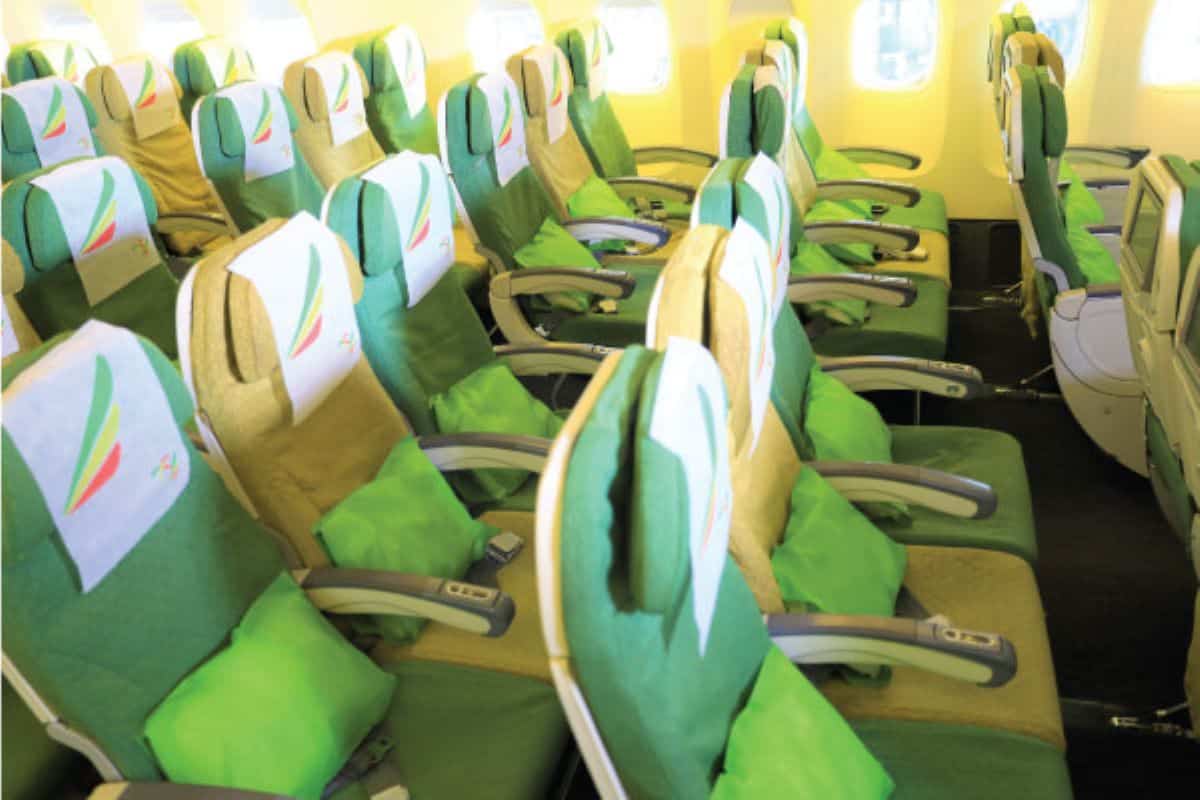
Ethiopian Airlines is strengthening its position as Africa’s aviation leader as the carrier advances plans to expand its cargo fleet with next-generation aircraft. The potential Ethiopian Airlines Boeing 777-8F freighter development reflects the airline’s long-term ambition to grow its global logistics network, support rising freight demand and reinforce Addis Ababa as an international cargo gateway. Although a final commercial agreement has not yet been officially announced, Ethiopian Airlines has already demonstrated strong commitment to Boeing widebody aircraft through confirmed passenger and cargo fleet investments. Therefore, the development highlights Africa’s growing role in global aviation and logistics markets.
Ethiopian Airlines Boeing 777-8F Plans Signal Major New Phase in Africa’s Air Cargo Expansion
Ethiopian Airlines is moving towards another major chapter in its aviation growth strategy as the carrier continues strengthening its international cargo operations and widebody fleet capabilities.
Advertisement
Advertisement
The airline has built one of the strongest aviation networks in Africa, connecting the continent with major markets across Asia, Europe, the Middle East and the Americas. Furthermore, its cargo division has become a central part of its business model, supporting international trade, pharmaceutical transportation, agricultural exports and e-commerce supply chains.
Recent industry reports indicate that Ethiopian Airlines is close to finalising a potential widebody freighter agreement with Boeing that could include the next-generation Boeing 777-8F freighter. However, the transaction has not yet received final official confirmation from Ethiopian Airlines or Boeing.
Advertisement
Advertisement
Nevertheless, the development follows years of cooperation between the two companies. Ethiopian Airlines and Boeing have previously announced commitments involving both current-generation Boeing 777 freighters and the future 777-8 Freighter programme.
Advertisement
Advertisement
As global cargo markets continue evolving, the possible fleet expansion reflects Ethiopian Airlines’ objective to maintain its position as a leading international freight operator.
Africa’s Largest Airline Builds Global Cargo Leadership From Addis Ababa
Ethiopian Airlines has transformed Addis Ababa Bole International Airport into one of Africa’s most important aviation hubs.
Over several decades, the airline has expanded beyond traditional passenger operations and developed a diversified aviation group covering passenger services, cargo operations, aircraft maintenance, aviation training and airport services.
Advertisement
Advertisement
In particular, Ethiopian Cargo and Logistics has become one of the continent’s most important air freight operators.
The airline’s strategic location provides a geographical advantage because Addis Ababa sits between major markets in Africa, Asia, Europe and the Middle East. Consequently, the carrier has been able to develop efficient cargo connections that support international trade flows.
Advertisement
Advertisement
Moreover, the airline’s cargo network has helped strengthen Ethiopia’s role as a regional logistics centre.
Boeing 777-8F Freighter Could Transform Ethiopian Airlines Cargo Strategy
The Boeing 777-8F freighter represents the future generation of large twin-engine cargo aircraft.
For airlines operating long-distance cargo networks, these improvements are increasingly important. Fuel costs, environmental requirements and operational efficiency are becoming major factors influencing fleet decisions.
The aircraft incorporates technologies from the 777X family while maintaining operational commonality with existing 777 aircraft.
For Ethiopian Airlines, the aircraft would provide continuity with its existing Boeing cargo operations.
Advertisement
Advertisement
Furthermore, the aircraft would support Ethiopian Airlines’ objective of expanding cargo capacity as international freight demand continues to grow.
Ethiopian Airlines and Boeing Have Long-Term Widebody Partnership
The possible Boeing 777-8F expansion is part of a much broader relationship between Ethiopian Airlines and Boeing.
The agreement positioned Ethiopian Airlines among the early customers interested in Boeing’s next-generation cargo aircraft.
Shortly afterwards, Boeing and Ethiopian Airlines announced an order for five additional Boeing 777 Freighters to support near-term cargo demand.
Therefore, the airline’s current cargo strategy combines immediate capacity growth with preparation for future aircraft technology.
Advertisement
Advertisement
This approach allows Ethiopian Airlines to respond to present market requirements while also planning for long-term fleet modernisation.
Confirmed Boeing Aircraft Orders Strengthen Ethiopian Airlines Growth Strategy
While the Boeing 777-8F development remains subject to final confirmation, Ethiopian Airlines has already committed to significant Boeing fleet expansion.
In January 2026, Ethiopian Airlines confirmed the purchase of nine Boeing 787-9 Dreamliner aircraft. The aircraft are intended to support international network expansion and improve long-haul connectivity.
These investments demonstrate the airline’s broader strategy of operating modern, fuel-efficient aircraft.
Furthermore, the carrier has continued expanding its passenger network while strengthening cargo capability.
Advertisement
Advertisement
Growing Air Cargo Demand Creates New Opportunities for Ethiopian Airlines
The global air cargo industry has experienced significant structural changes in recent years.
As a result, airlines with strong cargo infrastructure have gained strategic advantages.
Ethiopian Airlines has positioned cargo as a major growth area because Africa’s expanding economies require stronger connections with international markets.
In addition, cargo aviation supports industries that depend on speed and reliability, including fresh agricultural exports and temperature-sensitive products.
Therefore, expanding the freighter fleet is not only an aviation decision but also part of a wider economic strategy.
Advertisement
Advertisement
A larger and more efficient cargo fleet could help Ethiopian businesses access global markets more effectively while supporting international companies seeking African logistics connections.
[Source:- Air Data News]
Image Credit:- Ethiopian Airlines
Advertisement
