
Fiji Makes Its Widely Known Beaches More Accessible in Some Cities, Including Nadi and Many Others

Updated
Published
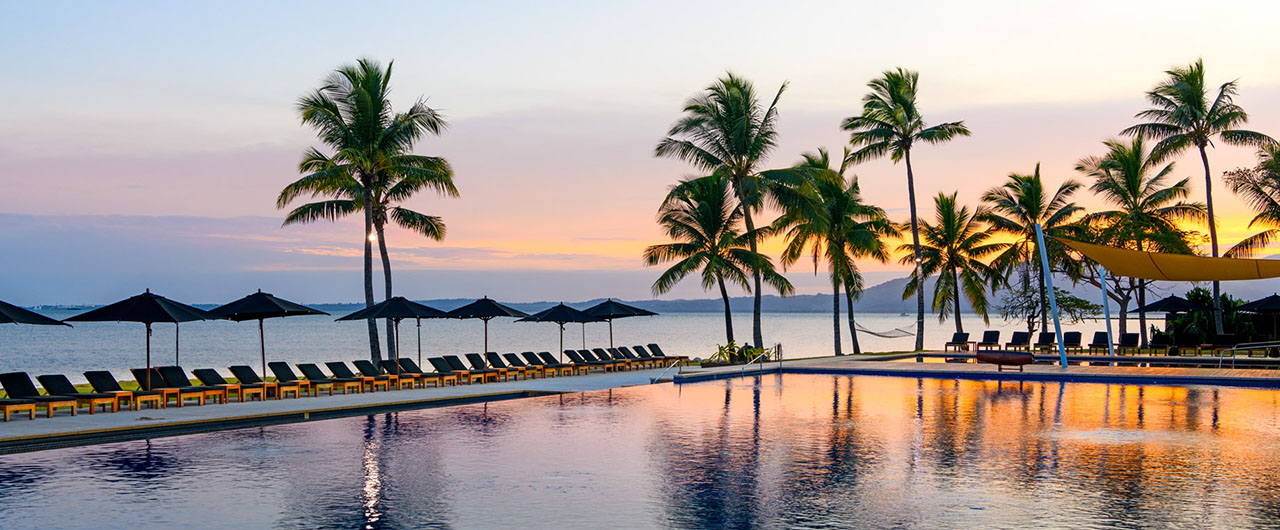
Fiji is gradually making its famous beaches more accessible through resort upgrades, improved visitor facilities and inclusive tourism initiatives, with destinations such as Denarau Island, Nadi, Coral Coast and Pacific Harbour leading the transition. The country is increasingly focusing on inclusive tourism, with several coastal destinations improving facilities, resort infrastructure and visitor services to make beaches easier to access for people with mobility challenges. However, publicly documented city-level beach accessibility projects remain limited compared with destinations such as Australia or New Zealand. Most improvements in Fiji are currently driven by accessible resorts, tourism operators and community-based initiatives rather than large municipal beach-access programmes.
The biggest changes are taking place in developed tourism areas, particularly around Denarau Island and Nadi, where international resorts and hospitality operators are investing in infrastructure designed to support a wider range of travellers. These improvements reflect a broader global shift towards accessible tourism, where destinations are working to remove physical barriers and create more welcoming experiences for people with disabilities or limited mobility.
Fiji Cities to Make Beaches Easier to Access for People with Mobility Challenges
| City / Destination | Beach Accessibility Development | Key Accessibility Features | Mobility Challenges Addressed | Important Information |
|---|---|---|---|---|
| Nadi | Tourism operators around Nadi are improving accessibility through resort upgrades and more inclusive guest services. Nadi is Fiji’s main international gateway and a major tourism centre. | Accessible resort pathways, adapted accommodation, improved transport connections, assistance services | Wheelchair users and travellers with limited mobility needing easier movement from hotels to beachfront areas | Nadi itself has fewer public urban beaches, but nearby resort zones provide better infrastructure for accessible beach experiences. |
| Denarau Island (near Nadi) | Denarau has become one of Fiji’s strongest areas for accessible coastal tourism because of its concentration of international resorts and developed pathways. | Paved walkways, resort beach access routes, accessible rooms, smoother connections between hotels, marina and shoreline | Sand access difficulties, uneven terrain and limited mobility around beachfront resorts | Denarau’s planned resort environment makes it one of Fiji’s more manageable beach destinations for travellers requiring accessibility support. |
| Lautoka | Lautoka is part of Fiji’s main western tourism region, where coastal facilities are gradually becoming more visitor-friendly. | Resort-based accessibility improvements, improved public infrastructure connections | Travellers needing easier access to coastal recreation areas | More accessibility information is typically provided by individual operators rather than city-wide beach programmes. |
| Suva | Fiji’s capital has improved urban accessibility discussions through public infrastructure planning, although Suva itself has limited traditional sandy beaches. | Urban accessibility improvements, public facilities, transport connections | Visitors with mobility challenges navigating coastal areas and public spaces | Suva is more important as an accessibility hub than as a beach-access destination. Nearby coastal recreation areas provide more beach experiences. |
| Pacific Harbour | Known as Fiji’s adventure and coastal tourism area, Pacific Harbour has opportunities for inclusive marine and beach experiences through resorts and activity providers. | Resort pathways, accessible hospitality services, assisted activities | Visitors seeking beach, water and outdoor experiences with mobility limitations | Accessibility varies by operator, so advance confirmation is recommended. |
| Coral Coast (Sigatoka area) | The Coral Coast’s resorts are increasingly adapting facilities for wider visitor groups. | Resort beach access, accommodation adaptations, guest assistance | Wheelchair users requiring easier movement through beachfront properties | The region has many beaches, but natural sand conditions can still create challenges without specialised equipment. |
| Mamanuca Islands access via Denarau | Some island resorts are improving inclusive hospitality, though boat transfers remain a major accessibility consideration. Denarau Marina acts as the main departure point. | Resort assistance, adapted accommodation in selected properties | Travellers facing difficulties with boat boarding, transfers and sandy shorelines | Island accessibility depends heavily on individual resorts and transfer arrangements. |
| Yasawa Islands | Accessibility improvements are more limited because many islands have remote terrain and fewer developed facilities. | Some resorts provide personalised assistance | Remote beaches, boat transfers and uneven natural landscapes | Best suited for travellers who confirm accessibility arrangements before travelling. |
How Is Fiji Making Its Beaches More Accessible for Travellers With Mobility Challenges?
Fiji’s approach to accessible beach tourism is mainly driven by hospitality providers rather than large-scale government beach construction projects. Many of the country’s most popular coastal areas are naturally challenging for wheelchair users because soft sand, uneven terrain and remote island locations can make movement difficult. However, tourism operators are gradually introducing solutions that allow more visitors to enjoy Fiji’s coastal environment.
Developed resort areas are becoming the centre of accessibility improvements. These locations typically offer smoother pathways, easier transport connections and accommodation designed with mobility needs in mind. Some properties provide assistance with beach access, while others focus on creating barrier-free movement between guest rooms, restaurants, pools and waterfront areas.
Advertisement
Advertisement
The changes are particularly visible in areas with strong international tourism demand. Destinations that welcome large numbers of overseas visitors have greater resources to invest in accessible facilities and staff training.
Although Fiji’s accessibility journey is still developing, the country’s tourism industry is increasingly recognising that inclusive design benefits not only travellers with disabilities but also older visitors, families with young children and guests who require additional support during their holiday.
Advertisement
Advertisement
Why Is Denarau Island Becoming Fiji’s Leading Accessible Beach Tourism Hub?
Denarau Island, located near Nadi, is emerging as one of Fiji’s most suitable destinations for travellers seeking easier beach access. The area’s planned resort environment provides advantages that many natural coastal locations cannot offer.
Unlike remote beaches with limited infrastructure, Denarau features developed roads, organised pathways, major hotels and a concentrated tourism network. These features make it easier for visitors with mobility challenges to move between accommodation, dining areas, marina facilities and beachfront spaces.
Advertisement
Advertisement
Many resorts in the area have introduced accessibility-focused improvements, including wider pathways, adapted rooms and support services for guests who need additional assistance. The combination of modern facilities and a flat coastal landscape makes Denarau a practical choice for travellers who want to experience Fiji’s beaches with fewer mobility barriers.
The destination also benefits from its proximity to Nadi International Airport, reducing transfer challenges for international visitors. Shorter travel distances and established tourism services help create a smoother arrival experience.
While the sand itself can remain difficult for standard wheelchairs, resort teams can often provide guidance and assistance to help guests access coastal areas safely. Denarau’s continued development highlights how planned tourism zones can play an important role in creating more inclusive beach experiences.
What Role Is Nadi Playing in Improving Accessible Coastal Tourism?
Nadi serves as Fiji’s main international gateway and plays a critical role in connecting travellers with the country’s beach destinations. Although Nadi itself is not primarily recognised as a traditional beach city, its tourism infrastructure supports many accessible travel experiences across the western region.
Advertisement
Advertisement
The city’s importance comes from its airport, hotels, transport services and connection to nearby coastal resorts. Travellers with mobility challenges often depend on reliable transportation and accessible accommodation before reaching beachfront locations.
Tourism businesses around Nadi are increasingly focusing on inclusive hospitality by improving guest services, providing mobility assistance and adapting facilities to meet different visitor requirements. These changes are helping create a stronger foundation for accessible tourism across Fiji’s western corridor.
Nearby destinations, including Denarau Island and parts of the Coral Coast, benefit from Nadi’s role as a tourism centre. Visitors can organise transfers, communicate accessibility needs in advance and select accommodation that matches their requirements.
As Fiji continues attracting international travellers, Nadi’s position as the country’s main arrival point makes it an important part of the movement towards more inclusive beach tourism.
Are Coral Coast Resorts Improving Beach Experiences for People With Limited Mobility?
The Coral Coast, located along Fiji’s southern coastline of Viti Levu, is another important area where accessible tourism is gradually expanding. Known for scenic beaches, coral reefs and resort properties, the region attracts visitors seeking relaxed coastal experiences away from larger tourism centres.
Many resorts along the Coral Coast are improving facilities to accommodate a broader range of guests. These upgrades often include easier movement around properties, improved accommodation options and personalised support from hospitality teams.
Advertisement
Advertisement
However, the natural environment remains a key challenge. Many beaches in Fiji feature soft sand, changing tides and uneven surfaces that can limit independent wheelchair access. Because of this, accessibility often depends on the facilities offered by individual resorts rather than the beach environment alone.
Some properties are responding by creating better connections between accommodation areas and waterfront spaces, allowing guests to enjoy ocean views and coastal activities more comfortably.
The Coral Coast demonstrates the balance between preserving Fiji’s natural landscapes and adapting tourism facilities to meet modern accessibility expectations. As demand for inclusive travel grows, more operators are expected to explore additional solutions.
How Is Pacific Harbour Supporting More Inclusive Coastal Adventures?
Pacific Harbour is known as Fiji’s adventure tourism destination, offering marine activities, outdoor experiences and access to coastal attractions. The area is also becoming part of the country’s wider conversation about making tourism experiences more inclusive.
Unlike highly developed resort zones, Pacific Harbour combines natural environments with tourism facilities. This creates both opportunities and challenges for travellers with mobility limitations.
Resorts and activity providers in the area are increasingly focusing on personalised assistance, recognising that visitors have different physical requirements. Support from trained staff can help travellers participate in coastal experiences that may otherwise seem difficult.
Advertisement
Advertisement
Accessible tourism in Pacific Harbour is particularly important because adventure destinations traditionally face greater barriers. Activities involving boats, water access and uneven landscapes require careful planning to ensure safety and comfort.
The region’s future accessibility development will likely depend on cooperation between accommodation providers, activity operators and tourism planners. By improving communication and facilities, Pacific Harbour can expand opportunities for travellers seeking both adventure and accessibility.
What Challenges Does Fiji Still Face in Creating Fully Accessible Beaches?
Despite progress in several tourism areas, Fiji continues to face challenges in creating universally accessible beach experiences. The country’s geography is one of the biggest factors. Many islands and coastal areas feature natural landscapes that are difficult to modify without affecting the environment.
Remote beaches often lack paved pathways, specialised equipment and accessible transport options. Boat transfers to island destinations can also create additional difficulties for travellers with limited mobility.
Another challenge is the availability of information. Many visitors need detailed accessibility details before travelling, including information about ramps, beach access routes, wheelchair facilities and transfer assistance. Clear communication between tourism operators and travellers remains essential.
The cost of infrastructure upgrades can also be significant, especially for smaller businesses and remote communities. Creating accessible facilities requires investment, planning and ongoing maintenance.
Advertisement
Advertisement
However, the growth of inclusive tourism worldwide is encouraging more destinations to address these challenges. Fiji’s tourism sector is increasingly recognising accessibility as an important part of delivering high-quality visitor experiences.
What Does the Future Look Like for Accessible Beach Tourism in Fiji?
Fiji’s future as an accessible beach destination will depend on continued investment, collaboration and awareness across the tourism industry. While the country is still developing its accessibility network, progress in destinations such as Denarau, Nadi, Coral Coast and Pacific Harbour shows a growing commitment to welcoming more travellers.
The next stage of development could include more accessible beach equipment, improved public facilities and stronger accessibility standards across tourism businesses. These improvements would allow more visitors to experience Fiji’s natural beauty without unnecessary barriers.
Accessible tourism is becoming an increasingly important part of global travel trends, with destinations recognising that inclusive design creates better experiences for everyone. Features such as smoother pathways, easier transportation and improved guest services benefit not only travellers with mobility challenges but also many other visitors.
Fiji’s beaches remain one of its greatest tourism attractions. By continuing to improve accessibility, the country can ensure its iconic coastal experiences are available to a wider and more diverse community of travellers.
Fiji’s accessibility progress is driven by rising demand for inclusive travel and the need to make natural attractions available to wider audiences. The answer lies in combining better infrastructure, trained hospitality teams and personalised assistance. The reason behind this transformation is clear: modern travellers expect destinations to provide comfort, independence and equal opportunities. Although challenges remain because of natural landscapes and remote locations, continued investment can create stronger solutions. These efforts may help the island nation build a more welcoming tourism future while preserving its unique coastal identity for generations of visitors across the world seeking unforgettable tropical journeys.
Advertisement
Advertisement
[Image: Fiji.travel]
Advertisement
