
Hawaii Connects With California, Colorado and More as Changing Weather Patterns Create New Tourism Challenges Across the United States

Published
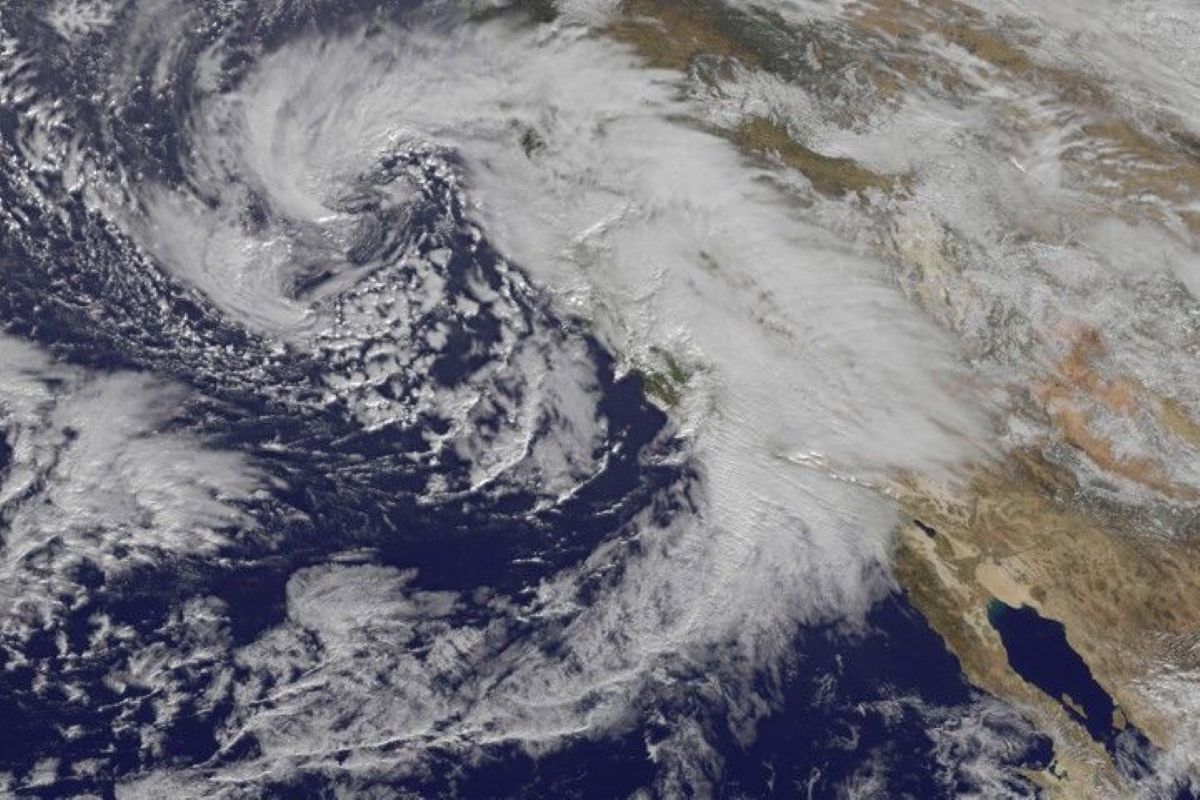
Image Credit: Nasa.gov
Hawaii connects with California, Colorado and more as changing weather patterns create new tourism challenges across the United States because evolving weather conditions are influencing travel experiences, outdoor activities and destination planning. Across the United States, popular tourism regions are facing different weather-related concerns, from tropical storms in Hawaii to rainfall challenges in California and winter conditions in Colorado. These changing weather patterns are encouraging travellers, airlines and tourism operators to focus more on preparation, safety and real-time updates. As weather becomes a bigger factor in travel decisions, destinations are adapting their strategies to protect visitors while maintaining tourism growth across the country.
Advertisement
Advertisement
Which US regions could experience weather-related tourism challenges in the coming months?
Several parts of the United States may face weather conditions that could influence travel experiences. Hawaii remains vulnerable to tropical weather, including heavy rainfall, strong winds and rough seas that may affect beaches, hiking routes and marine activities.
The Gulf Coast and Southeast could experience periods of heavy rain, thunderstorms and flooding risks. Popular destinations in Florida, Louisiana, Alabama and Mississippi may see impacts on coastal tourism, cruises and road travel.
Advertisement
Advertisement
Western mountain areas, including Colorado and California’s Sierra Nevada region, could experience winter storms that affect ski tourism, mountain roads and national park access. Meanwhile, the Pacific Northwest and Northern US may face storm systems and colder conditions that could disrupt outdoor adventures and transportation networks.
Travellers visiting these regions should stay updated with official weather information before starting their journeys.
Advertisement
Advertisement
How could extreme weather affect popular US tourism destinations?
Extreme weather can create challenges for both travellers and tourism businesses. In Hawaii, tropical systems may temporarily affect flights, beach operations and outdoor excursions. Popular islands such as Maui, Oahu, Kauai and the Big Island rely heavily on outdoor tourism, making weather conditions a key factor for visitors.
In coastal states, heavy rainfall and thunderstorms can affect cruise schedules, sightseeing tours and road connections. Flooded roads and unsafe conditions may lead to temporary closures of attractions and recreational areas.
Advertisement
Advertisement
Mountain destinations face different challenges. Snowstorms can support winter tourism by improving ski conditions, but severe weather can also create delays, reduced visibility and dangerous driving conditions.
National parks and scenic routes may also experience temporary restrictions due to flooding, snowfall or safety concerns. Visitors should always check local conditions before travelling to outdoor destinations.
What weather risks should travellers monitor across the United States?
Travellers should pay attention to several weather-related risks when planning future trips across the US. Tropical storms remain an important concern for island destinations and coastal areas, especially during periods of increased storm activity.
Heavy rainfall and flooding can affect cities, highways and tourism attractions. These conditions may cause flight delays, road closures and changes to planned activities.
Advertisement
Advertisement
Winter weather is another major factor for travellers heading towards northern states and mountain destinations. Snowstorms and freezing temperatures can influence airport operations, driving conditions and outdoor recreation.
Wildfire risks also remain a concern in parts of the western United States during dry periods. Visitors planning trips to forests, national parks and rural areas should monitor local alerts and follow safety instructions.
Preparing for different weather scenarios allows travellers to make informed decisions and avoid unexpected disruptions.
How can tourists prepare before travelling during uncertain weather conditions?
Travellers can take several steps to manage possible weather-related disruptions. Checking updates from official sources, including the National Weather Service, is one of the most important preparations before departure.
Visitors should also:
- Monitor airline and airport announcements.
- Review travel insurance coverage.
- Keep alternative travel plans available.
- Prepare suitable clothing and equipment.
- Check attraction and road conditions before travelling.
Weather forecasts can change quickly, especially during storm seasons. A destination that appears safe weeks before a journey may experience different conditions closer to the travel date.
Advertisement
Advertisement
Flexible booking options and regular updates can help travellers respond more effectively if weather events affect their plans.
Conclusion
Hawaii connects with California, Colorado and more as changing weather patterns create new tourism challenges across the United States as extreme weather events and seasonal changes continue shaping the future of travel. The reason behind these tourism challenges is the increasing influence of storms, rainfall, flooding, winter conditions and other environmental factors on visitor experiences. The answer lies in improved planning, flexible itineraries and continuous monitoring of official updates. From Hawaii’s islands to California’s landscapes and Colorado’s mountain regions, the United States tourism sector is adapting to changing conditions while helping travellers explore destinations more safely and confidently.
Image Credit: Nasa.gov
Advertisement
