
Kenya Expands Magical Kenya Signature Experiences to 75 with 14 New Tourism Products for 2026–2028

Published
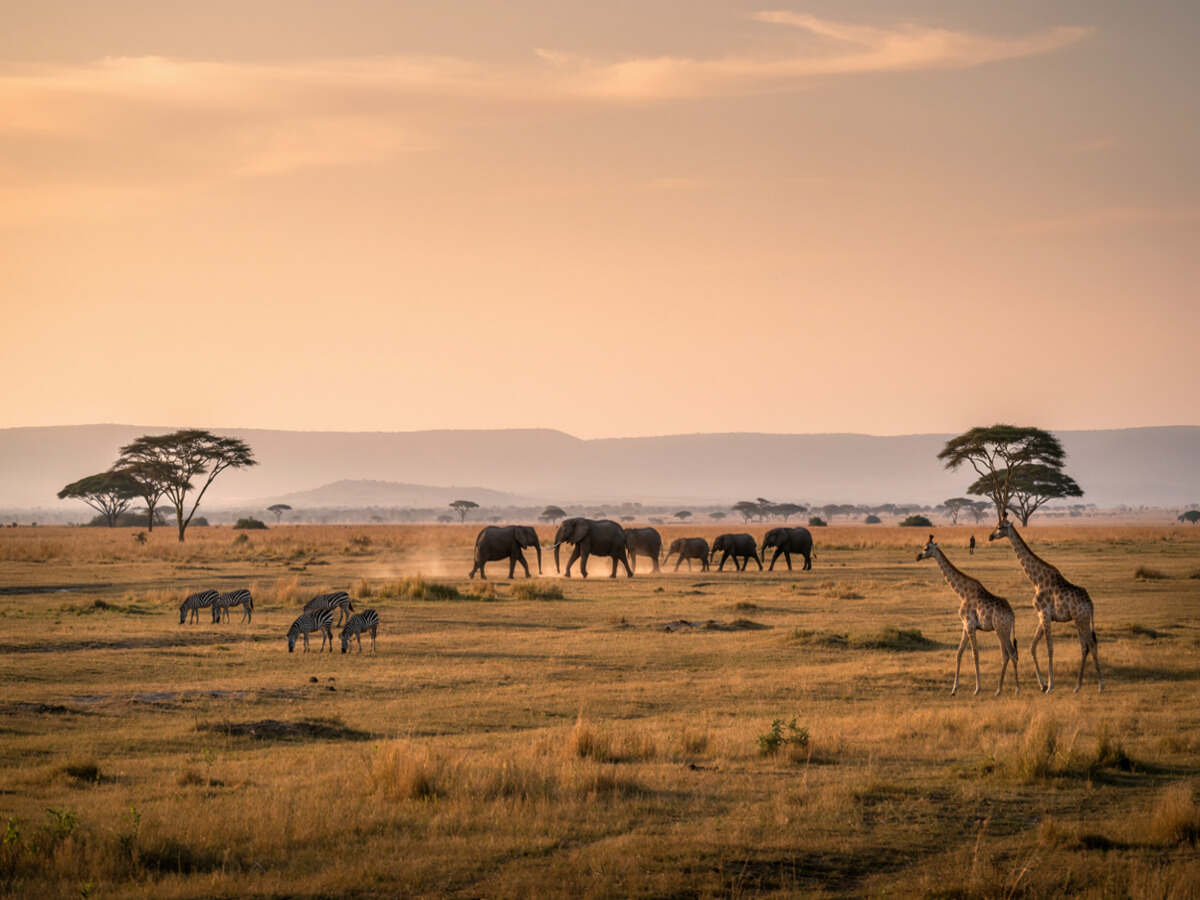
Kenya has expanded its Magical Kenya Signature Experiences collection to 75 tourism products with the addition of 14 new experiences for the 2026–2028 cycle. Announced by the Kenya Tourism Board (KTB) in Nairobi, the initiative aims to diversify the country’s visitor offerings through culinary tourism, adventure, conservation, wellness, cultural activities and luxury travel, encouraging tourists to explore beyond traditional wildlife safaris and coastal holidays.
The expansion reflects Kenya’s efforts to attract travellers seeking distinctive, immersive and meaningful experiences while supporting local tourism businesses.
By bringing more recognised products into its national tourism portfolio, the country aims to strengthen its competitiveness in international markets and encourage visitors to discover a wider range of destinations.
Kenya Tourism Board Adds 14 New Experiences to Its Signature Collection
The Kenya Tourism Board has introduced 14 additional experiences into the Magical Kenya Signature Experiences programme, increasing the total number of recognised products from 61 to 75.
Advertisement
Advertisement
The expanded collection covers the 2026–2028 period and includes activities designed for different visitor interests, travel budgets and holiday preferences.
Rather than concentrating exclusively on Kenya’s established safari attractions, the programme highlights tourism experiences that connect visitors with the country’s food, culture, natural environment and communities.
Advertisement
Advertisement
The newly recognised offerings span several categories, including adventure tourism, wellness, gastronomy, conservation, outdoor recreation, shopping, family activities and premium travel.
The initiative provides travel professionals with a broader selection of experiences that can be incorporated into domestic and international holiday packages.
Key Highlights of Kenya’s Expanded Tourism Collection
| Category | Details |
|---|---|
| Destination | Kenya |
| Tourism authority | Kenya Tourism Board |
| Programme | Magical Kenya Signature Experiences |
| Newly recognised experiences | 14 |
| Previously recognised experiences | 61 |
| Total recognised products | 75 |
| Programme cycle | 2026–2028 |
| Main objective | Tourism diversification and destination competitiveness |
| Featured segments | Culinary, conservation, culture, wellness, adventure and luxury tourism |
The programme also seeks to promote tourism enterprises developing distinctive products that reflect Kenya’s natural and cultural identity.
Kenya Tourism Board Targets Longer Visitor Stays and Greater Tourism Spending
KTB Chief Executive Officer June Chepkemei has identified tourism diversification as an important priority for the country’s visitor economy.
Speaking during the unveiling in Nairobi, she explained that the additional experiences demonstrate the creativity and innovation taking place within Kenya’s tourism industry.
The new products are intended to encourage travellers to explore more destinations, participate in different activities and potentially extend the duration of their holidays.
Advertisement
Advertisement
Longer visits can generate additional spending across accommodation, transport, restaurants, guided excursions and local businesses.
For example, a visitor travelling primarily for a wildlife safari may also choose to participate in a culinary experience, cultural programme or conservation activity.
These additional experiences can create opportunities for tourism operators beyond the country’s traditional safari and beach destinations.
The Kenya Tourism Board also aims to strengthen international awareness of the diversity of experiences available throughout the country.
Culinary Tourism Gains Recognition Through African Food Trail
Food tourism is among the segments receiving greater attention within Kenya’s expanded signature collection.
The African Food Trail is one of the newly recognised experiences, introducing travellers to the culinary traditions of East Africa.
Advertisement
Advertisement
The initiative highlights the role of food in connecting visitors with local communities, regional history and cultural identity.
Founder Hawa Ali has outlined ambitions to develop the experience into a wider African gastronomy tourism platform.
The concept extends beyond Kenyan cuisine, with plans to showcase culinary traditions associated with Tanzania, Ethiopia and Uganda.
For international visitors, food-focused itineraries can offer opportunities to explore traditional ingredients, regional cooking techniques and local dining customs.
Such experiences may also support small restaurants, food producers, culinary entrepreneurs and community-based tourism businesses.
The inclusion of the African Food Trail demonstrates how gastronomy can become a standalone tourism attraction rather than simply an additional element of a conventional holiday.
Advertisement
Advertisement
Ol Pejeta Conservancy Highlights Kenya’s Conservation Tourism Opportunities
Wildlife conservation remains an important part of Kenya’s tourism identity, but the expanded collection places greater emphasis on visitor participation and education.
Ol Pejeta Conservancy has received recognition for an experience associated with its conservation activities.
Located in central Kenya, the conservancy is internationally known for its wildlife protection programmes and its role in safeguarding the world’s last two surviving northern white rhinos.
The recognition highlights the potential for conservation-focused tourism to connect visitors with wildlife protection initiatives.
Enid Nkatha, Head of Tourism at Ol Pejeta Conservancy, welcomed the opportunity to introduce more travellers to conservation efforts.
Experiences of this nature can help visitors understand the challenges facing endangered species and the importance of protecting natural habitats.
Advertisement
Advertisement
They may also create opportunities for conservation education, responsible tourism and support for wildlife protection programmes.
However, participation in conservation activities must follow the conservancy’s established animal welfare and visitor safety protocols.
Adventure, Wellness and Cultural Tourism Broaden Kenya’s Visitor Appeal
The 14 additions reflect changing preferences among travellers who increasingly seek experiences tailored to their interests.
Kenya’s tourism sector is responding by developing products that complement its established national parks, wildlife reserves and coastal destinations.
The expanded collection highlights several important areas of opportunity.
| Tourism segment | Potential visitor appeal |
|---|---|
| Adventure tourism | Outdoor activities and active travel experiences |
| Wellness tourism | Relaxation, wellbeing and nature-focused holidays |
| Culinary tourism | Regional cuisine and food-based cultural discovery |
| Conservation tourism | Wildlife education and responsible nature experiences |
| Cultural tourism | Community traditions, heritage and local experiences |
| Luxury tourism | Premium accommodation and personalised services |
| Family tourism | Activities designed for multigenerational travel |
| Shopping tourism | Local products, crafts and retail experiences |
This broader approach can help Kenya appeal to different traveller segments throughout the year.
Advertisement
Advertisement
It also allows travel agencies to design itineraries that combine wildlife tourism with additional cultural, recreational and educational experiences.
Kenya’s Tourism Strategy Prioritises Product Diversification Until 2030
The expansion of the Magical Kenya Signature Experiences collection aligns with the country’s National Tourism Strategy for 2025–2030.
The strategy identifies diversification as an important element of tourism development.
Priority segments include meetings, incentives, conferences and exhibitions (MICE), wellness tourism, sports tourism, cultural experiences and gastronomy.
By developing these areas, Kenya aims to strengthen its tourism economy and reduce excessive dependence on a limited range of attractions.
Diversification can also support tourism activity in destinations that receive fewer visitors than established safari and coastal centres.
Advertisement
Advertisement
For regional tourism businesses, this policy direction may create opportunities to develop new experiences, strengthen partnerships and reach specialised international markets.
The programme’s focus on recognised tourism products also provides a framework for presenting selected experiences to travel buyers and international audiences.
What the Expansion Means for International Travel Agencies
The increase to 75 recognised experiences provides travel agencies and tour operators with a wider portfolio when preparing Kenya holiday packages.
Traditionally, many international itineraries have focused on wildlife safaris, national parks and beach stays.
Although these remain central to Kenya’s tourism appeal, travellers can now consider a more varied selection of activities.
Potential itinerary combinations include:
Advertisement
Advertisement
- Safari and conservation: Wildlife viewing combined with educational conservation experiences.
- Culture and gastronomy: Local heritage activities accompanied by food-focused tours.
- Adventure and wellness: Outdoor recreation combined with relaxation and wellbeing programmes.
- Luxury and family travel: Premium accommodation complemented by experiences suitable for different age groups.
- Regional culinary exploration: Food-focused journeys that may extend into neighbouring East African countries.
The expanded collection can help travel professionals create more personalised holidays based on individual customer interests.
However, operators should confirm availability, pricing, accessibility and booking arrangements directly with the experience providers before including activities in travel packages.
Why Diversified Tourism Products Matter for East Africa
Kenya’s approach reflects a wider opportunity for African destinations to develop tourism products beyond their best-known attractions.
Wildlife safaris remain important to East Africa’s international appeal, but travellers also seek cultural engagement, local cuisine, active holidays and meaningful encounters with communities.
A diversified tourism portfolio can support multiple visitor segments while creating additional income opportunities for local enterprises.
It may also encourage tourists to travel beyond established destinations and distribute spending across a wider geographical area.
Advertisement
Advertisement
For Kenya, the challenge will be to ensure that recognised experiences maintain service quality, authenticity and commercial readiness.
Strong collaboration between tourism authorities, operators and travel distributors will be important in converting product recognition into bookings and sustainable business growth.
Conclusion
Kenya’s expansion of Magical Kenya Signature Experiences to 75 tourism products, including 14 new additions for 2026–2028, represents a significant step towards a more diversified visitor economy. By promoting culinary tourism, conservation, wellness, culture and adventure alongside traditional safaris, the country aims to attract broader international audiences, encourage longer stays and create new opportunities for tourism businesses.
Advertisement
