

Malaysia Tourism Looks Beyond Visitor Arrivals as Sustainable Infrastructure Takes Centre Stage for Future Growth

Published
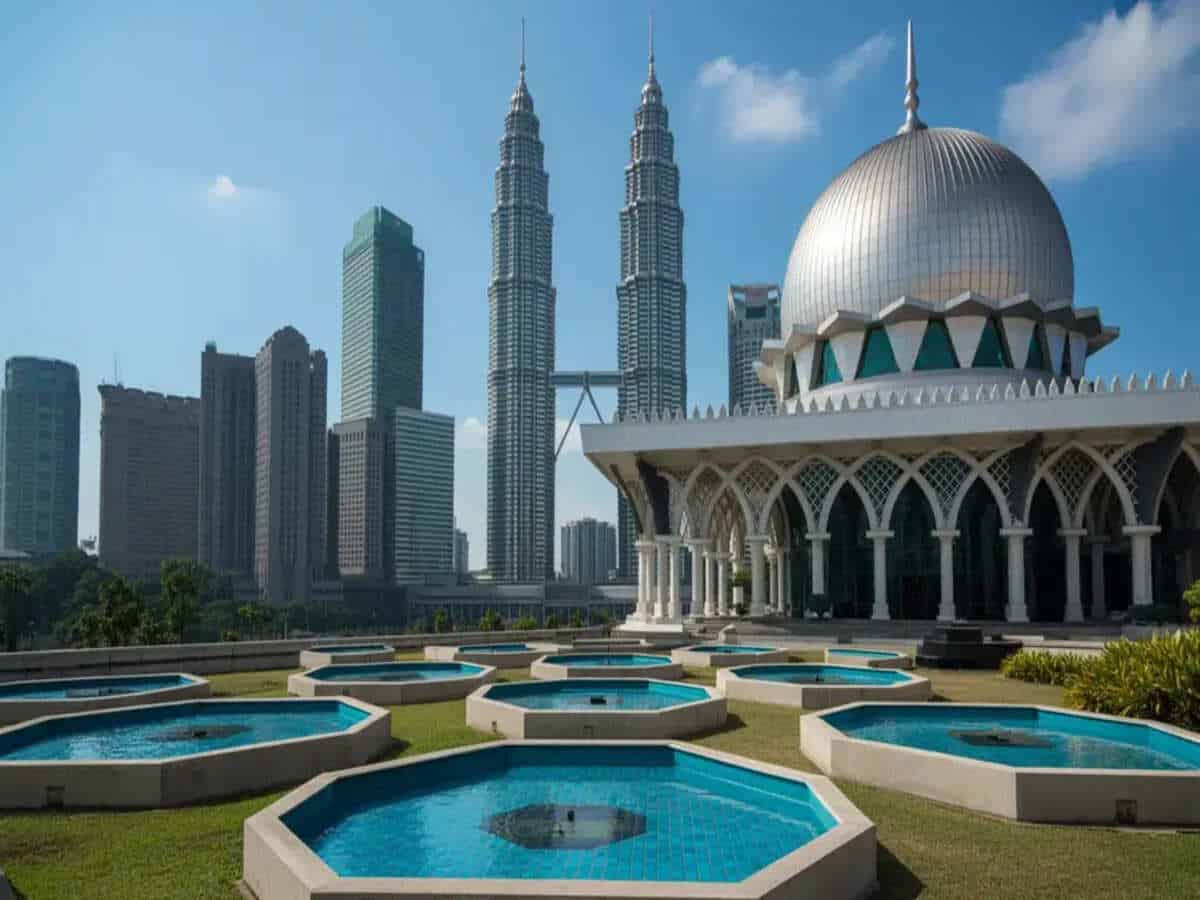
Malaysia tourism emphasizes sustainable infrastructure rather than the number of visitors to ensure sustainability and growth.
Malaysia’s tourism sector is shifting towards a more sustainable and value-based development model as the country strives to bolster its competitiveness, connectivity, and appeal as a premier tourist destination, as well as to adapt to the rising costs of travel, diverse regional supply-demand dynamics, and the growing importance of high-quality visitor experiences.
The transition places sustainable tourism infrastructure at the centre of Malaysia’s future growth strategy. Rather than measuring success primarily through international arrivals, the industry is placing greater emphasis on economic value, visitor satisfaction, service quality and the ability to maintain stable growth during periods of global uncertainty.
Malaysia Tourism Shifts Towards High-Value Growth Beyond International Visitor Numbers
Malaysia’s tourism sector is entering a significant period of transformation as the importance of sustainable development becomes increasingly clear. The industry’s long-term competitiveness will depend not only on attracting international travellers but also on generating greater economic benefits from tourism activities. High-value experiences, improved visitor services and responsible infrastructure development are becoming important priorities. This approach aims to create a more balanced tourism economy capable of supporting local businesses, employment and investment. By focusing on quality rather than visitor volumes alone, Malaysia can strengthen its position as an attractive destination while reducing pressure on existing tourism facilities.
Advertisement
Advertisement
Sustainable Tourism Infrastructure Emerges as a Major Priority for Malaysia
Developing modern and environmentally responsible infrastructure is central to Malaysia’s long-term tourism ambitions. Reliable transport systems, efficient public facilities, improved destination accessibility and sustainable accommodation development can help create a stronger foundation for industry expansion. Infrastructure improvements are particularly important as international travellers increasingly consider convenience, accessibility and environmental responsibility when choosing destinations. Better facilities can also support tourism development beyond established visitor centres, allowing more destinations to benefit from travel demand. Sustainable infrastructure planning can help protect natural attractions, improve resource efficiency and strengthen Malaysia’s ability to accommodate future tourism growth without placing excessive pressure on local communities.
Stronger International Connectivity Becomes Essential for Tourism Competitiveness
Transport connectivity remains a critical factor influencing Malaysia’s ability to attract visitors from established and emerging international markets. Limited direct connections can make certain destinations less accessible and increase the time and cost required for international travel. Expanding connectivity would help improve Malaysia’s appeal among travellers seeking convenient journeys and easier access to different regions. Better connections between major gateways and secondary destinations could also encourage wider tourism distribution. Strengthening transport networks, improving airport accessibility and supporting efficient domestic connections are therefore important components of a broader strategy to enhance Malaysia’s competitiveness and develop a more accessible national tourism industry.
Advertisement
Advertisement
Digital Transformation Opens New Opportunities for Malaysia’s Travel Industry
Digitalisation is becoming increasingly important as Malaysia seeks to modernise tourism services and improve visitor experiences. Advanced booking systems, digital payment solutions, online visitor information and integrated travel platforms can simplify journeys while improving operational efficiency. Technology can also help tourism businesses understand changing demand, manage resources and deliver more personalised services. For destinations, digital tools offer opportunities to improve visitor management and provide clearer information about attractions, transport and accommodation. Greater investment in digital infrastructure could strengthen Malaysia’s position in an increasingly technology-driven global tourism market, while helping smaller businesses reach international customers and participate more effectively in tourism growth.
Malaysia’s Tourism Economy Reaches RM323 Billion as Industry Value Continues to Rise
Malaysia’s tourism industry remains an important contributor to national economic development. According to figures attributed to the Department of Statistics Malaysia, tourism-related industries generated RM323 billion in value added during 2025, accounting for 15.9 per cent of the country’s economy. The sector expanded by 8.6 per cent, while inbound tourism expenditure increased by 16.5 per cent to RM124.8 billion. Domestic tourism expenditure reached RM112.1 billion. Tourism-related industries also supported approximately 3.7 million jobs. These figures highlight the sector’s economic importance and reinforce the need to protect future growth through stronger infrastructure, improved services and sustainable investment.
Advertisement
Advertisement
Public-Private Partnerships Gain Importance in Malaysia’s Tourism Development
Stronger cooperation between government agencies and private enterprises is essential to supporting Malaysia’s tourism transformation. Public-private partnerships can help accelerate infrastructure investment, improve destination management and encourage the development of new tourism experiences. Coordinated planning between transport providers, accommodation operators, technology companies and tourism authorities can also strengthen service delivery. Malaysia’s National Tourism Policy 2020–2030 identifies stronger governance, dedicated tourism investment zones and improved workforce capabilities among its major transformation strategies. These priorities provide a framework for encouraging responsible investment while ensuring that tourism development supports economic growth, environmental protection and wider opportunities for communities across the country.
Skilled Tourism Workforce Becomes a Critical Driver of Long-Term Growth
Workforce development is another important factor shaping Malaysia’s tourism competitiveness. As travellers increasingly expect efficient services and personalised experiences, tourism businesses need employees with stronger professional, technical and digital skills. Investment in training can improve service standards across accommodation, transport, attractions and destination management. Digital literacy, language capabilities and sustainable tourism practices are particularly valuable in a changing international market. Stronger collaboration between educational institutions and tourism businesses could also help address skills shortages. Developing a capable workforce would allow Malaysia to improve visitor satisfaction, support higher-value services and strengthen the industry’s ability to adapt to emerging travel trends.
Rising Airfares and Regional Competition Create New Challenges for Malaysia
Despite its economic importance, Malaysia’s tourism industry faces several pressures that could affect future growth. Competition from neighbouring Southeast Asian destinations continues to influence international travel choices, particularly where visitors compare accessibility, costs and experiences. Fluctuating aviation fuel prices and higher airfares can also make travel more expensive, potentially affecting demand. Limited direct connections to certain markets present another challenge. These pressures underline the importance of improving connectivity, diversifying tourism products and maintaining competitive service standards. Investment in infrastructure and efficient transport systems could help Malaysia respond to these challenges while supporting more stable and diversified tourism development.
Market Diversification Becomes Essential to Reduce Dependence on Major Visitor Sources
Malaysia’s reliance on several major international source markets creates opportunities for growth but also exposes the tourism industry to changes in regional travel demand. Official statistics indicate that Singapore, Indonesia, China, Thailand and Brunei collectively accounted for a substantial proportion of international visitor arrivals in 2024. Singapore alone represented nearly half of all arrivals. Expanding tourism promotion into additional markets could help reduce concentration risks and create a broader visitor base. Better international connectivity, targeted destination marketing and more varied tourism experiences would support this objective, helping Malaysia attract different traveller segments while strengthening its resilience against market fluctuations.
Advertisement
Advertisement
Visit Malaysia 2026 Strengthens the Focus on Sustainable Tourism Development
The Visit Malaysia 2026 campaign provides an important platform for advancing the country’s tourism priorities. Tourism Malaysia has identified sustainable tourism, cultural and heritage experiences, adventure and nature-based travel, digital innovation and improved global connectivity as five strategic pillars of the campaign. These priorities connect international tourism promotion with broader development objectives. The campaign also creates opportunities for cooperation with travel businesses and transport providers. Beyond attracting additional visitors, its wider significance lies in supporting destination development, encouraging investment and strengthening Malaysia’s international appeal. Sustainable planning will remain important in translating promotional activity into lasting economic benefits.
Malaysia Tourism Looks Towards a More Resilient and Sustainable Future
Malaysia’s tourism industry is shifting its focus beyond visitor arrivals towards sustainable infrastructure, stronger connectivity and high-value travel experiences to boost global competitiveness, overcome rising travel challenges and secure long-term economic growth.
Malaysia’s long-term tourism prospects will increasingly depend on how effectively the industry combines economic growth with environmental responsibility, modern infrastructure and high-quality visitor experiences. Stronger connectivity, digital innovation, skilled workers and diversified international markets can help create a more competitive tourism economy. Addressing rising travel costs, infrastructure limitations and regional competition will remain essential. The country’s National Tourism Policy 2020–2030 provides a foundation for this transition through its focus on smart tourism, sustainable development and investment. Moving beyond visitor numbers towards greater economic value could help Malaysia establish a more resilient and inclusive tourism sector.
Advertisement
