

Alberobello Follow Reine and More as Europe’s Fairytale Villages Bring Beautiful Landscapes, Medieval Magic and Breathtaking Escapes to Global Travellers!

Published
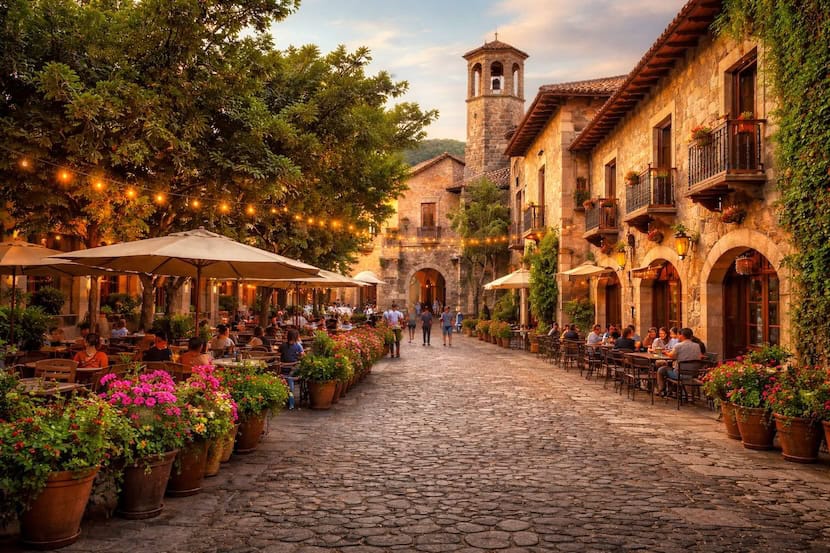
Alberobello follows Reine and more enchanting destinations as Europe’s fairytale villages bring beautiful landscapes, medieval magic and breathtaking escapes to global travellers. Across Europe, these storybook villages captivate visitors with charming streets, historic architecture and unforgettable scenery. Moreover, Alberobello’s distinctive trulli houses and Reine’s dramatic Norwegian landscapes offer travellers extraordinary experiences. These beautiful landscapes reveal Europe’s timeless charm, while medieval magic transforms ordinary holidays into memorable adventures. From picturesque hideaways to cultural treasures, Europe’s fairytale villages promise breathtaking escapes for every traveller. Travel And Tour World urges readers to explore these remarkable destinations and discover the magic awaiting global travellers.
Beyond the Famous Fairytale Villages in Europe, Ten More Storybook Escapes for Global Travellers
Europe’s most memorable village holidays often begin beyond the destinations featured in conventional sightseeing itineraries. Whitewashed medieval towns, colourful fishing settlements, stone-built mountain communities and flower-lined streets offer travellers different ways to experience the continent’s cultural heritage.
For an extension to the original fairytale-village feature, the following guide explores ten additional destinations, with practical advice on sightseeing, local food, accommodation, transport and itinerary planning. It also examines tourism statistics and explains where comparable visitor figures are unavailable.
An important distinction for travel reporting is that visitor arrivals, overnight stays and individual attraction admissions measure different things. Many small villages do not publish five consecutive years of comparable visitor totals. Rather than inventing statistics, this article distinguishes verified figures from data gaps and uses official regional or national tourism statistics where appropriate.
Advertisement
Advertisement
Why Europe’s Smaller Destinations Deserve More Attention
European village tourism benefits from a wider recovery in international travel. Eurostat reported approximately 3.0 billion nights spent in EU tourist accommodation establishments in 2024, surpassing the pre-pandemic total recorded in 2019. These figures cover hotels, holiday accommodation and other eligible establishments across the European Union, rather than individual villages.
The wider trend offers context for travellers considering lesser-known destinations. However, it does not establish how many people visited any particular village. Local tourism offices may count overnight guests, day visitors, event attendance or attraction admissions differently.
Advertisement
Advertisement
Ten More Fairytale Villages in Europe to Explore
The following destinations are additional suggestions beyond the ten places discussed in the first article. Each entry includes sightseeing ideas, regional food, accommodation guidance and practical planning information.
1. Alberobello, Italy, Offers a Fairytale World of Trulli Houses
Alberobello, in Italy’s Puglia region, is famous for its distinctive trulli, traditional stone buildings topped with conical roofs. The town’s unusual architecture creates a landscape that looks remarkably different from conventional European villages. Italy’s official tourism portal identifies more than 1,500 trulli in the area and notes their UNESCO World Heritage recognition in 1996.
What to see and do: Explore the Rione Monti district, wander through the Aia Piccola neighbourhood and visit local heritage displays. Take time to examine the dry-stone construction and architectural details rather than viewing every street as a quick photo stop.
What to eat: Try orecchiette pasta, regional vegetable dishes, focaccia and other Puglian specialities. Local menus often feature olive oil, seasonal produce and ingredients associated with southern Italian cooking.
Where to eat and stay: Look for traditional trattorias around the historic centre. Accommodation options include guesthouses, small hotels and restored trulli properties. Confirm heating, air conditioning, accessibility and parking before booking a historic building.
Travel plan: Allow one full day for the main sights, or stay overnight to explore the quieter streets early in the morning. Bari is a useful gateway for reaching the wider Puglia region.
Advertisement
Advertisement
2. Reine, Norway, Brings Arctic Fishing-Village Beauty to the Spotlight
Reine is a fishing village in Norway’s Lofoten archipelago, where colourful waterfront cabins stand against steep mountains and deep-blue fjords. The official Visit Norway tourism portal describes the settlement as a chain of islands connected by bridges and winding roads. It reports approximately 300 residents, illustrating the small scale of the community.
What to see and do: Photograph the harbour, explore designated walking routes and investigate boat trips when conditions permit. Visitors interested in hiking should assess the difficulty, weather and daylight before choosing a trail.
What to eat: Sample locally prepared cod, stockfish and other Norwegian seafood. Seasonal menus vary, so ask restaurants about local catches and traditional preparation methods.
Where to eat and stay: Consider waterfront restaurants, guesthouses or traditional fishermen’s cabins known as rorbuer. Book early during popular travel periods and verify winter transport arrangements.
Travel plan: Spend two or three days exploring Reine and nearby Lofoten settlements. Summer offers long daylight hours, while winter provides a different Arctic experience with shorter days and potentially challenging weather.
Responsible behaviour is particularly important here. Respect private homes, working fishing facilities and designated parking areas. The village remains an active community, not simply a photographic attraction.
Advertisement
Advertisement
3. Óbidos, Portugal, Combines Medieval Walls With Literary Culture
Óbidos offers whitewashed houses, colourful window frames, narrow lanes and historic defensive walls. Portugal’s official tourism website traces the town’s royal associations to the 13th century and highlights its preserved castle and religious architecture. Óbidos became a UNESCO Creative City of Literature in 2015.
What to see and do: Explore the historic centre, visit Santa Maria Church, investigate local museums and discover literary events. Walking along the historic walls may offer broad views, but visitors should exercise caution because some sections can be exposed or uneven.
What to eat: Try regional seafood, traditional Portuguese dishes and ginjinha, a sour-cherry liqueur often served in a small chocolate cup. Non-alcoholic alternatives are readily worth exploring at local cafés.
Where to eat and stay: Choose independent restaurants within or near the historic centre. Accommodation ranges from guesthouses to heritage properties, including the castle’s historic lodging facilities.
Travel plan: Óbidos makes a convenient excursion from Lisbon, approximately 80 kilometres away by road according to Portugal’s official tourism information. Allow a full day, or stay overnight to enjoy the historic streets after day-trippers leave.
The town also hosts seasonal events, including a medieval market and Christmas attractions. Check event dates before booking, as these can affect accommodation availability and visitor numbers.
Advertisement
Advertisement
4. Albarracín, Spain, Preserves a Dramatic Medieval Skyline
Albarracín, in the province of Teruel, Aragón, is distinguished by steep lanes, warm-toned buildings and a fortified historic centre. Spain’s official tourism website identifies its old quarter as a protected cultural property and describes defensive structures dating from several historical periods.
What to see and do: Walk through the Plaza Mayor, admire the town walls and explore historic religious buildings. The wider cultural landscape also contains examples of ancient rock art, making the area attractive to travellers interested in archaeology.
What to eat: Look for Aragón specialities, including local lamb preparations, hearty stews and regional cured meats. Restaurant menus vary by season.
Where to eat and stay: Choose small hotels or guesthouses near the old town, checking parking arrangements because narrow streets can complicate vehicle access.
Travel plan: Reserve one full day for the historic centre and consider a second day for nearby landscapes. A rental car can provide flexibility when exploring rural Aragón, although travellers should confirm road and parking conditions.
5. Santana, Madeira, Portugal, Features Traditional Thatched Houses
Santana, on Madeira’s northern coast, is known for its traditional triangular houses with thatched roofs. The official Madeira tourism website identifies these buildings as an important part of the island’s architectural heritage. Nearby viewpoints and coastal landscapes create additional reasons to explore the municipality.
Advertisement
Advertisement
What to see and do: Visit the traditional houses, explore local cultural displays and take in viewpoints across the northern coastline. Travellers can also investigate nearby nature reserves and coastal walking routes.
What to eat: Sample Madeiran specialities such as bolo do caco, grilled fish and espetada, a traditional meat dish. Regional restaurants often feature ingredients associated with the island’s agricultural and maritime traditions.
Where to eat and stay: Consider rural guesthouses, small hotels and countryside accommodation in Santana or nearby settlements. Check road access if you plan to visit remote viewpoints.
Travel plan: Allow a day to explore Santana, with additional time for Madeira’s wider mountain and coastal attractions. A rental car can help, although visitors should check driving conditions on steep or winding roads.
6. Dinant, Belgium, Offers Riverside Views and Cliffside Heritage
Dinant stands along the Meuse River in Belgium’s Wallonia region. Its riverside buildings, steep cliffs and prominent citadel create a striking landscape. Although it is a small town rather than a village, its compact centre makes it an attractive addition to a countryside itinerary.
What to see and do: Visit the citadel, explore the riverside promenade and discover the Collegiate Church of Notre-Dame. Boat excursions may be available depending on the season and operating schedule.
Advertisement
Advertisement
What to eat: Look for regional Belgian dishes, local cheeses and couques de Dinant, a hard traditional honey biscuit associated with the town.
Where to eat and stay: Choose a riverside restaurant and consider a small hotel within walking distance of the main sights. Travellers arriving by train can plan much of the visit without a car.
Travel plan: One day is usually sufficient for the main attractions. Dinant can also form part of a longer Wallonia itinerary, combining historic towns, river scenery and countryside walks.
7. Kaysersberg, France, Delivers an Alsatian Storybook Escape
Kaysersberg lies in Alsace, an eastern French region known for its half-timbered buildings, vineyards and historic towns. Its old streets and river crossings offer opportunities for relaxed sightseeing and photography.
What to see and do: Explore the historic centre, walk towards the castle ruins and discover the surrounding wine-growing landscape. Travellers can combine the visit with nearby Alsatian villages.
What to eat: Try tarte flambée, regional cheeses and Alsatian pastries. Local menus may also feature seasonal dishes and wines from nearby vineyards.
Advertisement
Advertisement
Where to eat and stay: Look for family-run guesthouses, small hotels and restaurants within the historic centre. Check seasonal opening hours if travelling outside the main holiday months.
Travel plan: Allow half a day for the centre or a full day when including countryside walks. A two- or three-night Alsace itinerary can combine Kaysersberg with other nearby settlements without excessive driving.
8. Castellfollit de la Roca, Spain, Sits Above a Volcanic Cliff
Castellfollit de la Roca in Catalonia is built along a striking basalt formation rising more than 50 metres above the surrounding landscape. Spain’s official tourism website highlights its unusual position and its location near the Garrotxa Volcanic Zone Natural Park.
What to see and do: Admire the village from designated viewpoints, walk through its narrow streets and investigate nearby volcanic landscapes. Respect barriers and avoid approaching cliff edges for photographs.
What to eat: Explore Catalan cuisine, including local beans, seasonal vegetables, rustic bread and regional meat dishes.
Where to eat and stay: Small guesthouses and rural accommodation in the wider area provide a quieter alternative to staying in larger cities. Confirm transport connections and dining availability in advance.
Advertisement
Advertisement
Travel plan: Half a day can cover the village itself. Add another day to explore the Garrotxa region, particularly if hiking and geology are priorities.
9. Èze, France, Brings a Mediterranean Village Above the Sea
Èze, on the French Riviera, offers narrow stone lanes, historic buildings and sweeping Mediterranean views. Its elevated setting makes it particularly appealing to travellers who want to combine village architecture with coastal scenery.
What to see and do: Explore the medieval centre, visit the exotic garden when open and enjoy the viewpoints overlooking the coastline. Walking routes in the surrounding area require suitable footwear.
What to eat: Look for Provençal cuisine, fresh seafood, olive-based dishes and regional pastries.
Where to eat and stay: The village has restaurants and small accommodation properties, while nearby coastal towns offer a wider range of hotels. Compare transport connections and prices before deciding where to stay.
Travel plan: Allow half a day for the village, or combine it with a longer French Riviera itinerary. Travellers should account for steep streets and potentially busy conditions during summer.
Advertisement
Advertisement
10. Rastoke, Croatia, Creates a Waterfall Village Experience
Rastoke, near Slunj in central Croatia, is known for traditional buildings, historic watermills and streams cascading through a green landscape. The meeting of the Slunjčica and Korana rivers helps shape its distinctive scenery.
What to see and do: Explore permitted paths, observe the waterfalls and learn about traditional milling. Water levels and access can vary with the season, so check local conditions before visiting.
What to eat: Look for Croatian regional dishes, freshwater fish where available, grilled meats and traditional pastries.
Where to eat and stay: Consider guesthouses and small rural accommodation in Rastoke or nearby Slunj. Confirm whether your chosen property offers parking and easy access to walking areas.
Travel plan: Half a day is suitable for a short visit, while an overnight stay allows a slower exploration of the wider countryside. Rastoke can also be combined with a road trip through central Croatia.
Tourism Statistics: What the Available Data Actually Shows
A meaningful five-year comparison requires a consistent definition of tourism activity. Eurostat’s accommodation statistics measure nights spent in eligible establishments, while local visitor centres may record people entering a specific attraction. These figures cannot be substituted for one another.
Advertisement
Advertisement
The EU-wide figures below provide historical context for the period relevant to a five-year village-travel comparison. They are not village-level visitor counts.
Table 1. European Union tourism accommodation nights, 2019–2024
| Year | Nights spent in EU tourist accommodation | Interpretation |
|---|---|---|
| 2019 | 2.9 billion | Pre-pandemic benchmark |
| 2020 | 1.4 billion | Severe pandemic disruption |
| 2021 | 1.8 billion | Partial recovery |
| 2022 | 2.7 billion | Strong recovery |
| 2023 | 2.9 billion | Returned to approximately the pre-pandemic level |
| 2024 | 3.0 billion | New high in the reported series |
Source: Eurostat’s Key Figures on Europe 2025 and regional tourism statistics.
The change from 2019 to 2020 represents a decline of approximately 52%, based on the rounded figures above. Between 2020 and 2024, the total increased by approximately 114%, also calculated from rounded totals. These calculations describe the EU accommodation sector, not the performance of the ten individual destinations.
Table 2. Ten additional fairytale destinations and five-year data availability
| Destination | Country | Principal visitor interest | Comparable village-level annual visitor series for 2020–2024 |
|---|---|---|---|
| Alberobello | Italy | Trulli architecture and heritage | Not verified in the sources consulted |
| Reine | Norway | Arctic scenery and fishing culture | Not verified in the sources consulted |
| Óbidos | Portugal | Medieval heritage and cultural events | Not verified in the sources consulted |
| Albarracín | Spain | Fortifications and historic architecture | Not verified in the sources consulted |
| Santana | Portugal | Traditional thatched houses and nature | Not verified in the sources consulted |
| Dinant | Belgium | Citadel, river scenery and heritage | Not verified in the sources consulted |
| Kaysersberg | France | Historic streets and vineyards | Not verified in the sources consulted |
| Castellfollit de la Roca | Spain | Basalt cliff and volcanic landscape | Not verified in the sources consulted |
| Èze | France | Hilltop architecture and Mediterranean views | Not verified in the sources consulted |
| Rastoke | Croatia | Waterfalls, mills and rural scenery | Not verified in the sources consulted |
How to interpret this table: “Not verified” does not mean that no statistics exist. It means a consistent, official annual series for each settlement was not established in the sources reviewed for this article. Some municipalities may publish tourism tax records, accommodation arrivals, overnight stays or attraction attendance separately.
Table 3. What to collect for a proper five-year comparison
| Statistical measure | What it tells travellers and tourism analysts | Important limitation |
|---|---|---|
| Annual visitor arrivals | Number of recorded arrivals at participating accommodation establishments or within a defined visitor-counting system | May exclude day-trippers and unregistered stays |
| Overnight stays | Total nights spent in registered tourist accommodation | One person staying five nights contributes five nights |
| Average length of stay | Relationship between overnight stays and arrivals | Depends on the definition and coverage of both measures |
| Attraction admissions | Attendance at a specific museum, castle, garden or heritage site | Does not measure all visits to the destination |
| Accommodation capacity | Available beds or rooms | Capacity does not equal actual demand |
| Seasonal occupancy | Share of available accommodation occupied over a specified period | Results depend on the accommodation coverage and reporting period |
| Tourism expenditure | Recorded or estimated visitor spending | Methodologies differ and expenditure may not be available at village level |
For an article intended to compare 2020, 2021, 2022, 2023 and 2024, each village’s municipality or national statistics office should be checked for the same indicator and reporting period. Where an official series cannot be found, it is more accurate to state the limitation than to fill the table with estimated visitor totals.
Where to Stay, Eat and Travel: A Practical Planning Framework
Table 4. Suggested trip length and best travel style
| Destination | Suggested time | Best travel style | Planning priority |
|---|---|---|---|
| Alberobello | 1–2 days | Architecture and regional food | Reserve accommodation during busy periods |
| Reine | 2–3 days | Nature and Arctic landscapes | Check weather, road conditions and daylight |
| Óbidos | 1 day or overnight | Heritage and literary culture | Check festival dates and transport |
| Albarracín | 1–2 days | Medieval history and rural exploration | Plan parking and onward transport |
| Santana | 1 day | Nature and cultural heritage | Check mountain-road conditions |
| Dinant | 1 day | Riverside sightseeing | Check attraction opening times |
| Kaysersberg | Half a day to 1 day | Wine-country and heritage travel | Combine with nearby Alsatian destinations |
| Castellfollit de la Roca | Half a day | Geology and rural scenery | Use safe viewpoints |
| Èze | Half a day | Coastal culture and photography | Prepare for steep walking routes |
| Rastoke | Half a day or overnight | Waterfalls and countryside | Check local access and water conditions |
Table 5. Food experiences to seek in each destination
| Destination | Regional food and drink to investigate | Useful dining approach |
|---|---|---|
| Alberobello | Orecchiette, focaccia and Puglian olive oil | Look for traditional local trattorias |
| Reine | Cod, stockfish and Norwegian seafood | Ask about seasonal local catches |
| Óbidos | Seafood, regional dishes and ginjinha | Explore cafés and independent restaurants |
| Albarracín | Aragón lamb dishes and regional cured meats | Check menus for locally sourced specialities |
| Santana | Bolo do caco, grilled fish and espetada | Try Madeiran restaurants and traditional cooking |
| Dinant | Couques de Dinant and Belgian regional dishes | Combine a café stop with a riverside meal |
| Kaysersberg | Tarte flambée and Alsatian specialities | Seek seasonal menus and regional produce |
| Castellfollit de la Roca | Catalan country cooking | Explore restaurants in the surrounding area |
| Èze | Provençal dishes, seafood and pastries | Reserve ahead during busy periods |
| Rastoke | Croatian country dishes and freshwater fish where available | Ask restaurants about seasonal offerings |
These are suggested regional dishes, not guarantees that every restaurant serves them. Visitors should confirm current menus, dietary options, opening hours and reservation requirements.
Advertisement
Advertisement
A Seven-Day Itinerary for Exploring Several Fairytale Destinations
Travellers hoping to see several places should group them by geography rather than trying to cross the entire continent in one trip. The following itinerary illustrates how a European village holiday can combine scenery, heritage and regional cuisine without attempting to visit all ten destinations.
Days 1–3: Explore Alsace
Arrive through a suitable regional transport hub and base yourself in or near Kaysersberg. Spend the first day exploring the historic centre and nearby countryside. Use the second day to visit neighbouring Alsatian villages and sample regional cuisine. Keep the third day flexible for vineyard walks, museums or seasonal events.
Days 4–5: Discover Portugal’s Óbidos
Travel to Portugal for a separate short break, rather than treating the journey from France as a simple local transfer. Explore the historic centre, castle surroundings and cultural attractions. An overnight stay provides more time for restaurants and early-morning walks.
Days 6–7: Experience Alberobello and Puglia
Continue to southern Italy for an architectural and culinary finale. Explore the trulli districts, discover local food and spend time in the surrounding countryside. If travel connections make the three-country journey impractical, choose one region and explore it more thoroughly instead.
This is a conceptual multi-country itinerary, not a fixed transport schedule. Flight connections, journey times, fares and seasonal services should be checked before booking.
Responsible Tourism: Protect the Places That Make These Villages Special
Picturesque villages are often small communities with limited roads, parking and visitor infrastructure. The most memorable visit is not necessarily the one that covers the most attractions, but the one that gives travellers enough time to understand a destination.
Advertisement
Advertisement
Choose locally owned accommodation when practical, follow designated paths and avoid entering private property for photographs. In Reine, fishing remains an important part of community life; in historic European centres, homes and working businesses occupy many of the buildings visitors admire.
Travellers should also consider travelling outside the busiest periods when weather and local services permit. This can offer a more relaxed experience, although seasonal closures and reduced transport frequencies require advance planning.
Conclusion
Europe’s fairytale villages offer global travellers an extraordinary blend of beautiful landscapes, medieval magic and breathtaking escapes. From Alberobello’s iconic trulli houses to Reine’s spectacular Norwegian scenery, each destination reveals a distinctive side of Europe’s charm. Moreover, villages such as Óbidos, Kaysersberg, Dinant and Albarracín invite visitors to discover historic streets, local traditions, regional cuisine and unforgettable cultural experiences. These picturesque destinations are ideal for travellers seeking peaceful retreats and storybook adventures beyond crowded cities. Ultimately, Europe’s fairytale villages promise memorable holidays filled with beauty, heritage and discovery. Travel And Tour World encourages readers to explore these enchanting places and plan their next European escape.
Advertisement
