

Sweden Joins Norway, Finland and More as Coolcation Tourism Gains Momentum Across Europe Amid Summer Heatwaves in 2026

Published
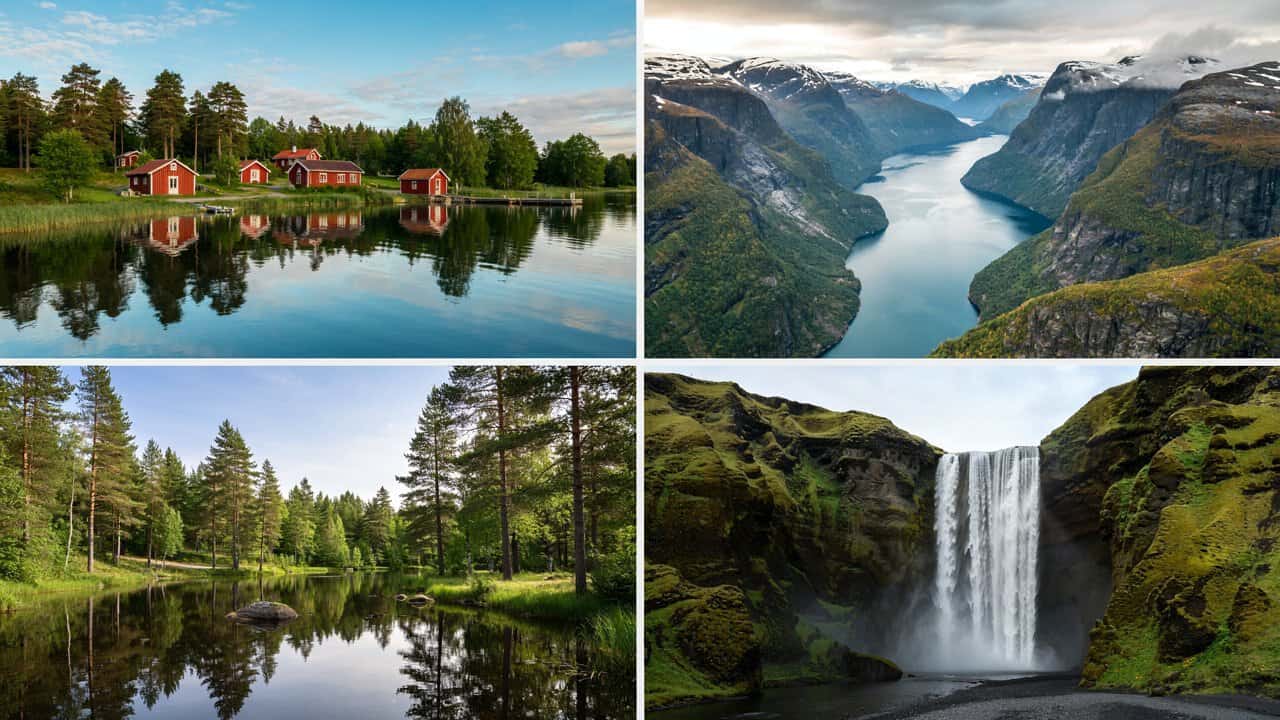
Travel habits in Europe are changing dramatically, with tourists venturing beyond the usual hot summer spots to explore northern countries. Popular destinations include Sweden, Finland, Norway, Iceland, Denmark, Ireland and Scotland, as they offer pleasant natural surroundings and exciting sight-seeing.
This increasing interest in summer travel to cool places signals an important change in European tourism. Today, more tourists take into consideration climate comfort and natural surroundings when making choices about where to go on their vacation, which opens up new opportunities for northern European countries, but raises questions about sustainable tourism and tourism demand.
Advertisement
Advertisement
Why Are European Travellers Choosing Cooler Summer Destinations?
For decades, Mediterranean sunshine dominated European summer holiday marketing. However, increasingly intense heatwaves have encouraged some travellers to reconsider when and where they travel.
Coolcation tourism describes holidays centred on destinations with comparatively mild summer weather. Travellers may choose coastal towns, mountain retreats, forest accommodation or northern cities where sightseeing and outdoor activities can feel more comfortable.
Advertisement
Advertisement
Visit Sweden reported in April 2026 that international overnight stays across Nordic countries grew faster during summer 2025 than in Mediterranean countries. This comparison suggests changing demand, although it does not establish that extreme heat alone caused the increase.
Sweden Emerges as a Major Destination for Nature-Focused Summer Holidays
Sweden stands among the countries actively promoting cooler summer travel. Its combination of extensive forests, lakes, islands and historic cities offers alternatives to conventional beach holidays.
Advertisement
Advertisement
Southern Sweden experiences average summer temperatures of approximately 20–25°C, although individual days can become considerably warmer.
Stockholm attracts visitors through its archipelago, waterfront attractions and cultural heritage. Gothenburg provides access to the western coastline, while Skåne offers beaches, cycling routes and rural retreats.
Swedish Lapland attracts travellers interested in hiking, Arctic landscapes and the midnight sun.
Visit Sweden reported that UK searches for Sweden increased by 5% during June–August 2025 compared with the previous year. Summer also accounted for 43% of Sweden’s annual guest nights, demonstrating the importance of year-round tourism.
Norway’s Fjords and Arctic Landscapes Strengthen Its International Appeal
Norway offers dramatic natural attractions for travellers seeking outdoor experiences and relatively mild conditions.
Bergen serves as a gateway to western Norway’s fjords, while Oslo combines museums, waterfront attractions and green spaces.
Advertisement
Advertisement
The Lofoten Islands attract photographers, hikers and coastal explorers. Tromsø offers access to Arctic scenery and extended summer daylight.
Norway’s weather varies considerably. Southern inland temperatures can reach 25–30°C, while northern and coastal regions often experience cooler conditions.
The country’s scenic railway journeys, coastal ferries and organised fjord excursions also provide opportunities to explore landscapes without depending entirely on car travel.
Finland’s Lakes and Forest Retreats Create New Opportunities for Relaxation Tourism
Finland attracts travellers interested in peaceful natural surroundings, wellness activities and extended summer daylight.
Finnish Lakeland offers waterfront cottages, swimming, canoeing and traditional sauna experiences. Lake Saimaa, one of the country’s principal natural attractions, supports boating, fishing and lakeside holidays.
Helsinki combines cultural sightseeing with coastal recreation and island excursions.
Advertisement
Advertisement
Rovaniemi and Finnish Lapland provide opportunities to experience the midnight sun, woodland trails and northern landscapes.
Finland’s appeal extends beyond temperature. Its tourism offering emphasises relaxation, nature and slower travel, making it attractive to visitors who want a break from crowded urban environments.
Iceland’s Glaciers and Volcanic Wonders Attract Travellers Seeking Cooler Adventures
Iceland provides one of Europe’s most distinctive summer travel experiences, combining relatively low temperatures with extraordinary geological attractions.
Reykjavík offers access to the Golden Circle, including Þingvellir National Park, Gullfoss waterfall and geothermal areas.
The South Coast features black-sand beaches, waterfalls and glaciers. Northern Iceland attracts visitors interested in whale-watching and volcanic landscapes.
Typical summer temperatures range from approximately 7°C to 15°C, depending on location and month.
Advertisement
Advertisement
Long daylight hours support sightseeing and road trips. However, unpredictable weather, strong winds and occasional rainfall require careful preparation.
Summer also improves access to remote highland destinations, although road openings depend on weather and local conditions.
Denmark’s Coastal Lifestyle and Cycling Culture Offer a Refreshing Holiday Alternative
Denmark combines city tourism, beaches and accessible outdoor recreation.
Copenhagen attracts visitors through historic architecture, harbour swimming, restaurants and extensive cycling infrastructure.
Aarhus offers cultural attractions and coastal experiences, while North Jutland provides sandy beaches, dunes and traditional seaside communities.
The Danish islands appeal to travellers seeking holiday homes, coastal walking routes and quieter surroundings.
Advertisement
Advertisement
Cycling plays an important role in Denmark’s tourism offering. The country’s western coastal cycling route stretches approximately 560 kilometres, connecting varied landscapes and seaside destinations.
Denmark can also serve as part of a wider Scandinavian itinerary, particularly for travellers combining Copenhagen with southern Sweden.
Ireland’s Atlantic Coast and Cultural Heritage Attract Summer Explorers
Ireland offers a combination of temperate maritime weather, coastal scenery and cultural experiences.
The Wild Atlantic Way connects destinations along the country’s western coastline, from County Donegal to County Cork.
Galway attracts visitors through traditional music, restaurants and access to Connemara. County Clare offers the Cliffs of Moher and the Burren, while County Kerry features mountain landscapes and scenic coastal routes.
Dublin provides museums, historic attractions and cultural experiences for shorter holidays.
Advertisement
Advertisement
Ireland’s relatively mild summer conditions support walking, sightseeing and coastal exploration. Nevertheless, frequent weather changes mean travellers should prepare for rain and wind.
Scotland’s Highlands and Islands Expand the United Kingdom’s Summer Tourism Appeal
Scotland offers travellers dramatic landscapes, historic cities and distinctive island experiences.
Edinburgh attracts international visitors through its architecture, museums and August festivals. Glasgow provides cultural attractions and access to western Scotland.
The Highlands offer mountains, lochs, walking routes and scenic drives. The Isle of Skye attracts visitors through its rugged coastline and distinctive landscapes.
Orkney and the Outer Hebrides provide archaeological sites, wildlife, beaches and island traditions.
Scotland’s maritime climate makes it an appealing option for travellers seeking milder conditions, although rain and strong winds remain common.
Advertisement
Advertisement
Growing tourism interest also increases the importance of responsible travel, particularly in rural communities with limited transport and accommodation capacity.
How Do These Seven Destinations Compare for Summer Travellers?
| Destination | Key places | Leading experiences |
|---|---|---|
| Sweden | Stockholm, Gothenburg, Lapland | Lakes, islands, kayaking, hiking |
| Norway | Bergen, Oslo, Lofoten, Tromsø | Fjords, cruises, Arctic landscapes |
| Finland | Helsinki, Lakeland, Rovaniemi | Saunas, cottages, forests |
| Iceland | Reykjavík, South Coast, North Iceland | Glaciers, waterfalls, geothermal attractions |
| Denmark | Copenhagen, Aarhus, Jutland | Cycling, beaches, coastal towns |
| Ireland | Galway, Kerry, Clare, Dublin | Atlantic drives, heritage, walking |
| Scotland, UK | Edinburgh, Highlands, Skye, Orkney | Festivals, mountains, island tourism |
When Should Travellers Plan a Northern European Coolcation?
June, July and August generally offer the longest daylight hours and broadest selection of summer activities.
However, conditions vary significantly between destinations.
| Month | Travel advantages | Important considerations |
|---|---|---|
| May | Spring landscapes and fewer visitors in many areas | Some northern activities remain seasonal |
| June | Long daylight hours and early summer activities | Popular destinations begin getting busier |
| July | Extensive outdoor opportunities | Peak accommodation demand |
| August | Festivals, sightseeing and coastal activities | Weather becomes more changeable in some regions |
| September | Autumn scenery and potentially quieter destinations | Shorter daylight and reduced seasonal services |
Travellers should examine local forecasts, transport availability and accommodation prices before booking.
How Could Coolcation Tourism Transform Europe’s Travel Economy?
Growing interest in northern destinations could create opportunities for hotels, transport operators, restaurants and regional tourism businesses.
Smaller communities may benefit from increased demand for accommodation, guided excursions and local experiences.
Advertisement
Advertisement
However, additional visitors can also place pressure on roads, ferries, natural attractions and public facilities.
Tourism authorities therefore face an important challenge: supporting economic growth while protecting the environments and communities that attract travellers.
The broader shift may also encourage more balanced seasonal tourism, with visitors exploring different regions and travelling outside traditional peak periods.
What Should Travellers Consider Before Booking a Coolcation?
A cooler destination does not guarantee comfortable weather every day. Heatwaves can occur across Northern Europe, while coastal and mountain regions may experience sudden changes.
Travellers should compare transport connections, seasonal opening dates, accommodation availability and activity costs.
Waterproof clothing, suitable footwear and layered outfits are particularly useful for Iceland, Norway, Ireland and Scotland.
Advertisement
Advertisement
Visitors planning hiking, kayaking or remote excursions should follow local safety guidance and check conditions before departure.
Choosing established public transport, locally operated accommodation and responsible nature experiences can also support more sustainable travel.
Frequently Asked Questions
1. Which European countries are popular for cooler summer holidays?
Sweden, Norway, Finland, Iceland, Denmark, Ireland and Scotland offer numerous destinations suited to travellers seeking relatively mild summer conditions.
2. Is Iceland colder than other Nordic holiday destinations during summer?
Iceland generally experiences cooler summers than southern Sweden and Denmark, although temperatures vary across all three countries.
Advertisement
Advertisement
3. Can travellers experience the midnight sun during a coolcation?
Yes. Northern Norway, Swedish Lapland and Finnish Lapland offer midnight sun experiences in areas north of the Arctic Circle during the appropriate summer period.
4. Are coolcations necessarily cheaper than Mediterranean holidays?
No. Flights, accommodation, food and excursions can be expensive in Nordic countries. Costs depend on the destination, booking period and travel style.
5. Can Northern Europe experience summer heatwaves?
Yes. Northern destinations can experience unusually high temperatures. Travellers should not assume that cooler average conditions eliminate heat-related risks.
Advertisement
Advertisement
6. Which destination combines city sightseeing with outdoor adventures?
Sweden, Norway, Finland and Denmark offer particularly convenient combinations of urban attractions and accessible natural landscapes.
Europe’s Changing Holiday Preferences Signal a New Direction for Tourism
The rising demand for Sweden, Norway, Finland, Iceland, Denmark, Ireland, and Scotland can be seen as part of a wider trend in the European travel market.
Travellers now tend to appreciate climate conditions, natural landscapes, outdoor activities and flexibility in addition to the traditional sightseeing experience.
While Mediterranean travel destinations are still popular, the natural features of Northern Europe offer alternative experiences.
The travel industry needs to adapt to environmental issues, therefore, destinations that take care of the environment and the need of local communities are likely to benefit.
Advertisement
