
Brazil Unites With USA , Argentina And More as Travellers From These Countries Confront Alarming Airline Turmoil Following Staggering GOL Route Cuts Across Latin America

Published
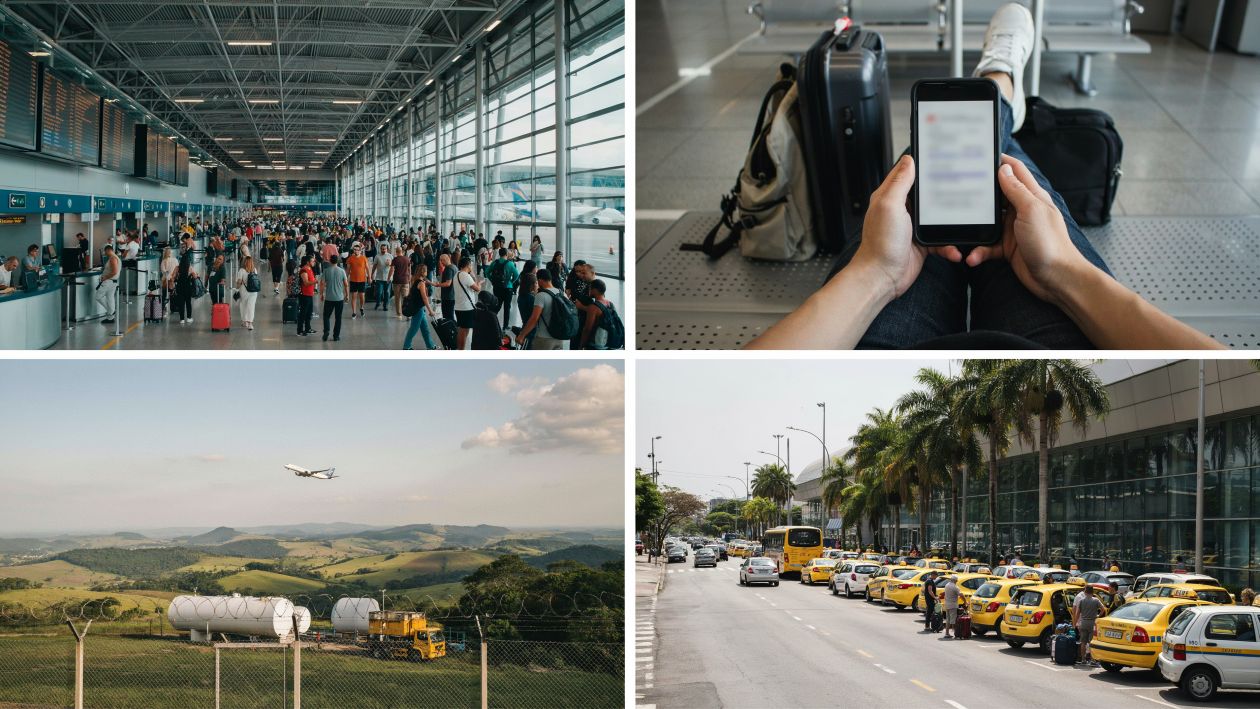
The reduction of GOL Linhas Aéreas’ network begins today across several international and domestic flight paths. The changes affect Brazil, USA, Argentina, Uruguay, Paraguay, Colombia and the Dominican Republic immediately. Passengers travelling between these nations face imminent schedule adjustments. State data reflects underlying economic pressures driving these operational shifts. Officials state that global market pressures necessitate these decisions. The airline aims to mitigate substantial rising operational costs.
Fuel Pricing and Economic Data
The state-owned energy corporation Petrobras released new pricing data. Officials implemented an 11.8% increase in aviation fuel. This fuel is known locally as QAV in Brazil. The adjustment occurred officially on October 1 2026. Reports show an accumulated 74% price surge since March. These surges heavily destabilise airline financial modelling and planning. Aviation fuel now consumes significant portions of airline budgets. Fuel prices account for approximately 40% of GOL’s operating costs. This economic reality forces immediate commercial and operational adjustments. Airlines cannot sustain such margins without altering route networks.
Petrobras Data Reveals Escalating Operational Costs
Government data confirms the extreme volatility of kerosene markets. Petrobras maintains a monopoly on domestic refinery outputs. This lack of competition compounds the pricing pressures. The transport ministry acknowledges the severe cost environment. Airlines operate on notoriously thin profit margins globally. A sudden spike in expenses destroys route profitability. Flag-carrier corporate press offices confirm similar sector-wide challenges. Financial filings demonstrate the heavy burden of energy costs. International aviation associations express deep concern over these trends. IATA statistics show fuel is the largest operational expense.
Official Inflation Indices and Sector Impacts
Inflation indices demonstrate the wider economic impact on passengers. Mid-month consumer price data from September 2026 highlighted shifts. Figures showed a significant jump in domestic airfares recently. Fares rose by 9.82% in a single calendar month. This jump occurred across the entire Brazilian aviation sector. Airlines attempted to pass rising fuel costs to travellers. The federal government monitors these metrics through official agencies. Economic ministries review the data to assess inflation drivers. Officials warn that higher fares suppress tourism demand. Tourism boards express concern over rising travel cost barriers.
Advertisement
Advertisement
Rising Domestic Airfares Impact the Traveller
Data from UN Tourism indicates regional travel may slow. Such price increases often suppress domestic passenger volumes significantly. Budget-conscious travellers seek alternative overland transport methods. Bus operators report increased bookings on parallel routes. The government tracks these modal shifts in domestic transport. A sustained drop in air travel impacts airport revenues. Concessionaires managing airports face reduced aeronautical income streams. This creates a challenging ecosystem for infrastructure investment. Government spokespersons emphasise the need for market stability. Transport officials continue monitoring the fare index closely.
Regulatory Requirements Imposed by ANAC
Brazil operates under strict consumer protection frameworks. The National Civil Aviation Agency enforces these mandatory regulations. This federal body is officially known by the acronym ANAC. GOL remains legally bound by these federal consumer laws. The airline must execute route suspensions legally and fairly. Regulatory requirements prioritise passenger welfare during network scale-backs. Officials require airlines to maintain transparent communication with consumers. Failure to comply results in severe governmental financial penalties. State auditors actively monitor airline compliance during network reductions. Passengers are encouraged to report any regulatory breaches.
Advertisement
Advertisement
Reaccommodation and Refunds for Affected Passengers
ANAC regulations mandate specific actions for cancelled flight schedules. Airlines altering itineraries must guarantee affected passengers a full refund. Alternatively, carriers must offer reaccommodation on alternative flights immediately. GOL currently executes this through extensive official partnership networks. The carrier leverages over 60 codeshare and interline agreements. These partnerships ensure passengers reach their final booked destinations. Travellers retain the absolute right to choose between options. Official transport ministries advise passengers to review their rights. Government spokespersons urge travellers to contact the airline directly. Consumer protection agencies stand ready to mediate disputes.
Material Assistance Mandates for Stranded Travellers
Schedule changes require immediate notification to all booked passengers. The federal agency legally demands this prompt passenger communication. Stranded passengers automatically become entitled to material assistance provisions. Airlines must supply free communication access after one hour. The law demands mandatory meal vouchers after two hours. Passengers receive full hotel accommodations after a four-hour delay. This includes mandatory free transportation between the airport and hotel. These protections shield consumers from undue financial hardship abroad. VisitBritain notes that international standards mirror these specific protections. The WTTC advocates for globally harmonised passenger rights.
How the Regulations Support Passenger Rights
Official data shows high compliance rates among major carriers. ANAC conducts random audits at major domestic airport hubs. Ground staff must undergo training on consumer rights protocols. The government publishes passenger rights charters in all terminals. Foreign tourists enjoy the exact same legal protections. Embassies advise citizens to document all airline interactions carefully. Retaining receipts is crucial for claiming subsequent financial compensation. The transport ministry operates a dedicated consumer complaint portal. Official airline representatives must respond within mandated timeframes. Transparency remains the cornerstone of Brazilian aviation regulation.
Extensive Route Suspensions Breakdown
The network reduction affects key international and domestic hubs. Most suspensions will take effect at the end of January. The sweeping changes highlight the severity of the crisis. Below is a structured breakdown of the affected international routes.
| Departure City | Destination City | Country |
| Fortaleza | Montevideo | Uruguay |
| Rio de Janeiro | Montevideo | Uruguay |
| Fortaleza | Orlando | USA |
| Rio de Janeiro | Asunción | Paraguay |
| Brasília | Miami | USA |
| Brasília | Orlando | USA |
| Belém | Miami | USA |
| São Paulo (Guarulhos) | Punta Cana | Dominican Republic |
| Fortaleza | Buenos Aires | Argentina |
| Natal | Buenos Aires | Argentina |
| Recife | Buenos Aires | Argentina |
| Salvador | Buenos Aires | Argentina |
| Brasília | Bogotá | Colombia |
International Route Cancellations Analyzed
The exit from Florida represents a major strategic shift. Connections to Buenos Aires face severe reductions from the Northeast. Uruguay and Paraguay lose crucial direct air links. The tourism ministry expects a temporary drop in arrivals. International tourism boards must adjust their regional marketing strategies. ENIT and JNTO observe these Latin American network shifts. Foreign affairs ministries monitor the impact on bilateral relations. Reduced air connectivity complicates international trade and diplomatic missions. The government acknowledges the strategic loss of these routes. Aviation authorities hope for future market stabilisation and route returns.
Domestic Route Reductions Explored
Domestic connectivity faces significant reductions across the Brazilian network. The interior regions suffer the most from these cuts. Below is a detailed list of domestic route suspensions.
Advertisement
Advertisement
- Congonhas to Palmas
- Congonhas to Bonito
- Congonhas to Ribeirão Preto
- Guarulhos to Ribeirão Preto
- Guarulhos to Palmas
- Cuiabá to Congonhas
- Brasília to Goiânia
- Salvador to Petrolina
- Salvador to Aracaju
- Salvador to Curitiba
- Salvador to Porto Alegre
- Salvador to Porto Seguro
- Salvador to Campina Grande
- Fortaleza to Foz do Iguaçu
- Manaus to Fortaleza
- Boa Vista to Manaus
- Araguaína to Palmas
- Teresina to Guarulhos
- Campo Grande to Galeão
- Uberlândia to Galeão
- Uberlândia to Guarulhos
- Porto Velho to Cuiabá
- Rio de Janeiro to Ilhéus
- Rio Branco to Manaus
- Rio Branco to Porto Velho
Strategic Airline Industry Context
The International Air Transport Association monitors these regional developments. IATA data confirms that fuel remains a primary expense. Aviation experts warn of shrinking networks across South America. Flag-carrier corporate press offices decline to comment on competitors. However, broad market trends validate the economic pressures cited. Government officials acknowledge the systemic risks to regional connectivity. Official company statements suggest further frequency reductions remain planned. The transport ministry continues to monitor these network changes. Regulators assess the long-term impact on domestic market competition. A less competitive market traditionally leads to higher consumer prices.
IATA and Market Dynamics
The World Travel and Tourism Council monitors these disruptions. WTTC representatives emphasise the need for sustainable aviation fuel. Transitioning to alternative fuels requires substantial long-term capital investment. Currently, airlines rely heavily on traditional kerosene-based aviation products. Market dynamics dictate strict financial discipline during inflationary periods. Route profitability dictates which connections survive the current crisis. Remote destinations suffer the most when networks contract sharply. Government subsidies sometimes support unprofitable but socially vital routes. Currently, no official subsidies exist for these cancelled operations. The regional aviation sector faces a challenging structural realignment.
Practical Guidance for Impacted Travellers
This news story is highly helpful for international transit passengers. It helps travellers understand their legal rights under ANAC. Awareness of the mandatory material assistance empowers stranded tourists. The information assists the travel industry in rerouting clients. Travel agents can proactively manage alternative schedules for affected clients. Knowledge of the operating costs explains ticket price rises logically. Passengers should verify flight status directly with official airline apps. Government ministries advise securing comprehensive travel insurance before flying. Early rebooking secures better seats on alternative partner carriers. Travellers must demand written confirmation of any schedule changes.
Steps to Secure Alternative Travel Options
Contact the official corporate customer service channels immediately. Quote the specific ANAC resolution when requesting a refund. Utilise travel agents to negotiate interline reaccommodation options. Check government websites for the latest consumer rights updates. Monitor official airline press releases for further network announcements. Maintain a calm, objective approach when dealing with airport staff. Ensure all passport and visa requirements suit the new itinerary. Document every expense incurred due to the schedule change. Submit official claims through the government civil aviation portal. Stay informed via trusted broadsheet digital news publications.
Conclusion Section
The reduction of GOL Linhas Aéreas’ network highlights industry vulnerability. Official data confirms the severe impact of rising fuel costs. Brazilian federal regulations ensure passengers receive adequate financial protection. The National Civil Aviation Agency actively enforces these rules. Consumers must utilise these legal frameworks during travel disruptions. The aviation sector faces a challenging period of economic readjustment. Market pressures will dictate the future shape of regional connectivity. Officials continue to monitor the balance between cost and service. Passengers are advised to remain vigilant regarding their itineraries. Official government sources remain the best guide for affected travellers.
Advertisement
