 Paramita Sarkar Paramita Sarkar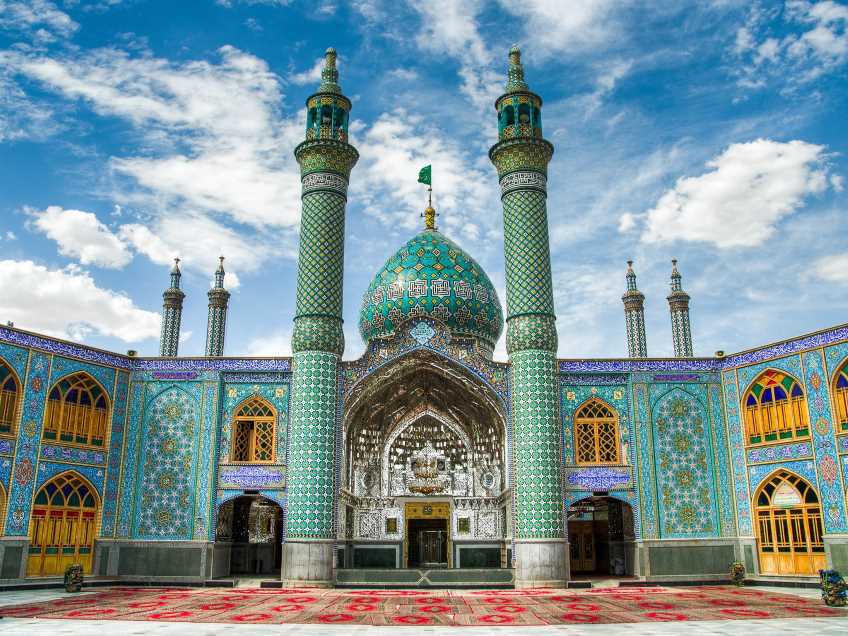
Image generated with Ai
Afghanistan, Iran, Haiti, Libya, Somalia, and Sudan are among the 12 countries now facing a comprehensive travel ban to the United States, effective June 9, 2025, under a new order signed by former President Donald Trump. The ban suspends both immigrant and non-immigrant visa issuance to citizens of the listed countries, citing serious concerns about terrorism, document security, and visa overstays. The restrictions have immediate implications for travelers, refugees, and families across the globe, especially those planning to visit major American destinations such as Washington, New York, Los Angeles, and Houston.
This sweeping policy shift, detailed in the official Presidential Proclamation dated June 4, and published on the White House and Department of Homeland Security websites, affects countries with either hostile relations with the U.S. or governments deemed incapable of proper identity verification.
Advertisement
Citizens from the following countries are completely barred from entering the U.S.:
Nationals from these countries are limited to certain visa categories and cannot obtain B‑1/B‑2 tourist/business visas, F student visas, M vocational visas, and J exchange visas:
Advertisement
According to the White House Fact Sheet and proclamation, the restrictions stem from insufficient vetting systems, poor documentation, and intelligence gaps in the fully banned countries. The policy reflects data from Homeland Security on visa overstays, terrorist threats, and passport integrity issues.
President Trump pointed to the recent attack in Boulder, Colorado, allegedly involving an overstayed Egyptian national, stating that it highlights “extreme dangers posed to our country by the entry of foreign nationals who are not properly vetted”.
The travel ban includes numerous exemptions, as outlined by DHS, State Department, and Federal Register guidance:
Major metropolitan areas with large immigrant populations—especially Washington D.C., New York City, and Houston—are already experiencing anxiety as families scramble to bring loved ones home. Local officials and advocacy groups report widespread fear and uncertainty in the Bay Area, Washington suburbs, and other refugee-rich regions .
Organizations such as CAIR and Oxfam have condemned the ban as discriminatory and inhumane.
| Aspect | Insight |
|---|---|
| National Security Rationale | Trump administration leans on vetting and overstay data, referencing Boulder attack . |
| Policy Durability | Crafted to survive court challenges with clearer scope and exemptions . |
| Global Impact | Visa suspensions by Chad signal potential diplomatic retaliation . |
| Community Response | Legal actions and widespread condemnation continue, with impacts felt in domestic communities . |
| Periodic Review | Administration will reassess and adjust the list every 180 days, based on foreign cooperation . |
Conclusion
As of June 9, 2025, President Trump’s expanded travel ban bars nationals from 12 countries and partially restricts 7 others—with significant implications for immigrants, refugees, athletes, families, and U.S. cities like Washington, New York, and Houston. While framed as a national security move, the ban faces legal challenges and international pushback. Its long-term impact will depend on legal outcomes, diplomatic reactions, and future reassessments scheduled every 180 days.
Advertisement
Tags: Afghanistan Iran US ban, Haiti Libya travel restriction, Trump travel ban 2025, Trump visa ban 12 countries, US immigration ban June 2025
Advertisement
Advertisement













Saturday, September 5, 2026

Saturday, September 5, 2026
Saturday, September 5, 2026

Saturday, September 5, 2026

Saturday, September 5, 2026

Saturday, September 5, 2026

Saturday, September 5, 2026

Saturday, September 5, 2026



