
Japan Tourism Enters a New Era as Tokyo Shinjuku Unveils Tough Short-Term Rental Rules Amid Overtourism Concerns

Published
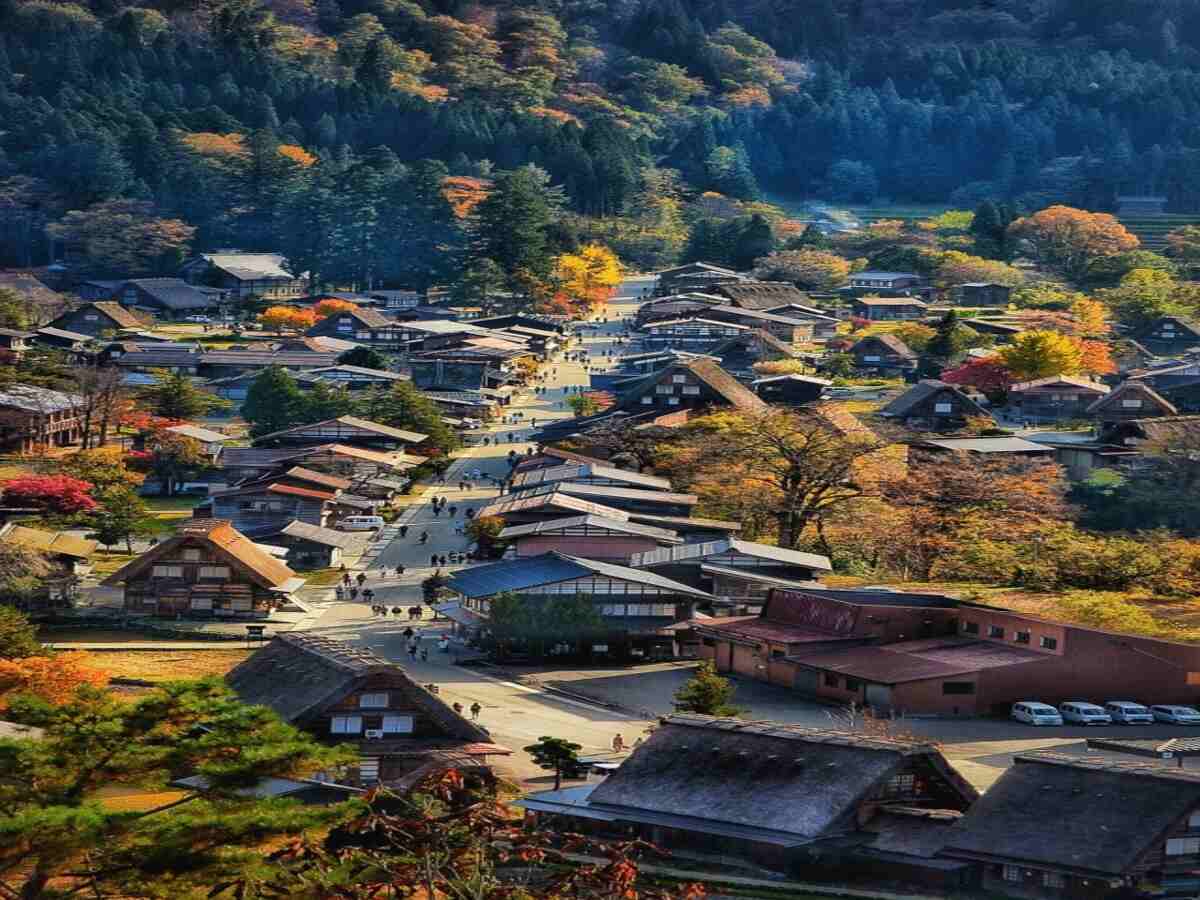
Japan Tourism embraces new era as Tokyo Shinjuku to tighten regulations on short term rentals to address overtourism.
Tokyo’s Shinjuku district is set to embark on a major tourism policy shift as the authorities look to introduce stricter controls on short-term holiday rentals after community complaints. The famed district which is renowned for its vibrant energy, appeal to international visitors and excellent connectivity has plans to implement measures that could see a significant reduction in the number of private accommodation properties in residential areas.
Advertisement
Advertisement
The decision highlights a growing challenge for Japan’s tourism industry. While international visitor numbers continue to rise and tourism remains a major contributor to economic growth, popular destinations are facing increasing pressure to balance the benefits of tourism with the daily needs of residents.
Shinjuku planned rental restrictions reflect a wider global debate over overtourism, housing availability and the impact of large-scale visitor accommodation on local communities.
Advertisement
Advertisement
Tokyo’s Shinjuku Faces Major Tourism Transformation as Rental Rules Tighten
Shinjuku is one of Tokyo’s most recognised districts and a major destination for travellers from around the world. The area is famous for its entertainment zones, shopping districts, business centres and busy streets that attract millions of visitors every year.
The district is also home to Shinjuku Station, one of the busiest railway stations globally, making it a key gateway for both domestic and international travellers exploring Tokyo.
Advertisement
Advertisement
Alongside its tourism popularity, Shinjuku has experienced rapid growth in private short-term accommodation, known as minpaku in Japan. These rentals have provided visitors with more choices beyond traditional hotels and helped expand accommodation capacity during periods of high demand.
However, the increasing presence of tourist rentals in residential neighbourhoods has created challenges for local communities. Some residents have raised concerns that the growth of short-term accommodation is affecting the peaceful character of neighbourhoods and creating difficulties for permanent residents.
Advertisement
Advertisement
The district has become one of Japan’s largest centres for private rental accommodation, with thousands of registered properties operating across the area.
Rising Resident Complaints Trigger New Short-Term Rental Restrictions
The planned changes come after a significant increase in complaints from residents regarding issues connected with tourist accommodation.
Local authorities recorded around 1,300 complaints during the 12 months leading up to March 2026. The concerns included excessive noise, improper waste disposal, smoking problems and visitors entering private spaces without permission.
Authorities believe the increase in complaints is closely linked to the expansion of private lodging businesses. As more properties began operating as tourist accommodation, communities reported more conflicts between visitors and local residents.
Advertisement
Advertisement
The proposed regulations aim to address these issues by creating stronger controls over where private rentals can operate and how they can affect residential environments.
The focus will particularly be on areas close to homes and educational facilities, where authorities want to maintain a stable and comfortable environment for people living permanently in the district.
Thousands of Private Holiday Rentals Could Face New Limits
The proposed measures could have a major impact on Shinjuku short-term rental market. Around half of the district’s 3,775 registered private lodging properties could potentially be affected by the new restrictions.
The changes are expected to reshape the availability of private accommodation for visitors and may reduce the number of rental options in certain parts of the district.
However, the plan is not designed to completely eliminate short-term rentals. Instead, authorities are focusing on controlling operations in areas where tourism activity creates the greatest pressure on local communities.
Properties located in residential zones could face stricter operating limits. Under the proposed changes, short-term rentals may only be allowed to operate for 120 days per year instead of the current maximum of 180 days.
Advertisement
Advertisement
This reduction would decrease the availability of private accommodation by one-third and could significantly change how some rental businesses operate.
Japan Tourism Growth Faces New Overtourism Challenge
The Shinjuku decision comes at a time when Japan is experiencing strong tourism growth. The country has set a target of welcoming 60 million international visitors by 2030, making tourism a key part of its economic development strategy.
However, the rapid increase in visitor numbers has created challenges in several popular destinations.
Areas around Mount Fuji, Kyoto and other famous tourist locations have faced concerns over overcrowding, pressure on infrastructure and changes to local communities.
The government has encouraged local authorities to create policies that help manage tourism growth while protecting residents and maintaining sustainable visitor experiences.
The Shinjuku rental restrictions represent part of this broader approach. Instead of limiting tourism completely, authorities are attempting to create a balance between welcoming travellers and protecting the quality of life of local communities.
Advertisement
Advertisement
Short-Term Rental Debate Expands Across Global Tourism Destinations
The challenges facing Shinjuku are not unique to Japan. Cities around the world are reviewing short-term rental policies as tourism demand continues to grow.
Many major destinations have introduced stricter regulations after concerns that uncontrolled holiday rental expansion can reduce housing availability, increase pressure on neighbourhoods and change the character of residential areas.
Several international cities have introduced measures ranging from registration requirements to limits on rental periods and restrictions on properties operating in residential zones.
These changes highlight a global shift in tourism management. Governments are increasingly focusing not only on attracting more visitors but also on ensuring that tourism growth remains sustainable for residents.
Tokyo’s approach could influence other Japanese cities that are facing similar challenges as visitor numbers continue to increase.
What New Rental Rules Could Mean for Future Travellers
For travellers visiting Tokyo, the new regulations are unlikely to significantly affect overall tourism experiences. The city will continue to offer a wide range of hotels and legally approved accommodation options.
Advertisement
Advertisement
However, visitors who prefer private rentals may find fewer choices in some residential areas, particularly in districts where authorities introduce stricter controls.
The changes could encourage travellers to choose officially regulated accommodation providers while supporting a more balanced tourism environment.
For Japan, the Shinjuku decision represents a new stage in tourism management. The country continues to welcome more international visitors, but authorities are recognising that long-term tourism success depends on protecting local communities.
As Japan moves toward its ambitious 2030 tourism goal, the balance between visitor growth and resident wellbeing will become increasingly important.
Japan Tourism is entering a new phase as Tokyo’s Shinjuku district introduces tougher short-term rental rules to control overtourism pressure, address rising resident complaints and protect local communities from tourism-related disruption.
Tokyo’s Shinjuku rental restrictions could become a significant example of how major global destinations respond to the challenges created by rapid tourism expansion while working to build a more sustainable future for travellers and residents alike.
Advertisement
