

Greece Beats Italy and Other Destinations as Historic Travel Trends Spark Interest in Legendary Trails

Updated
Published
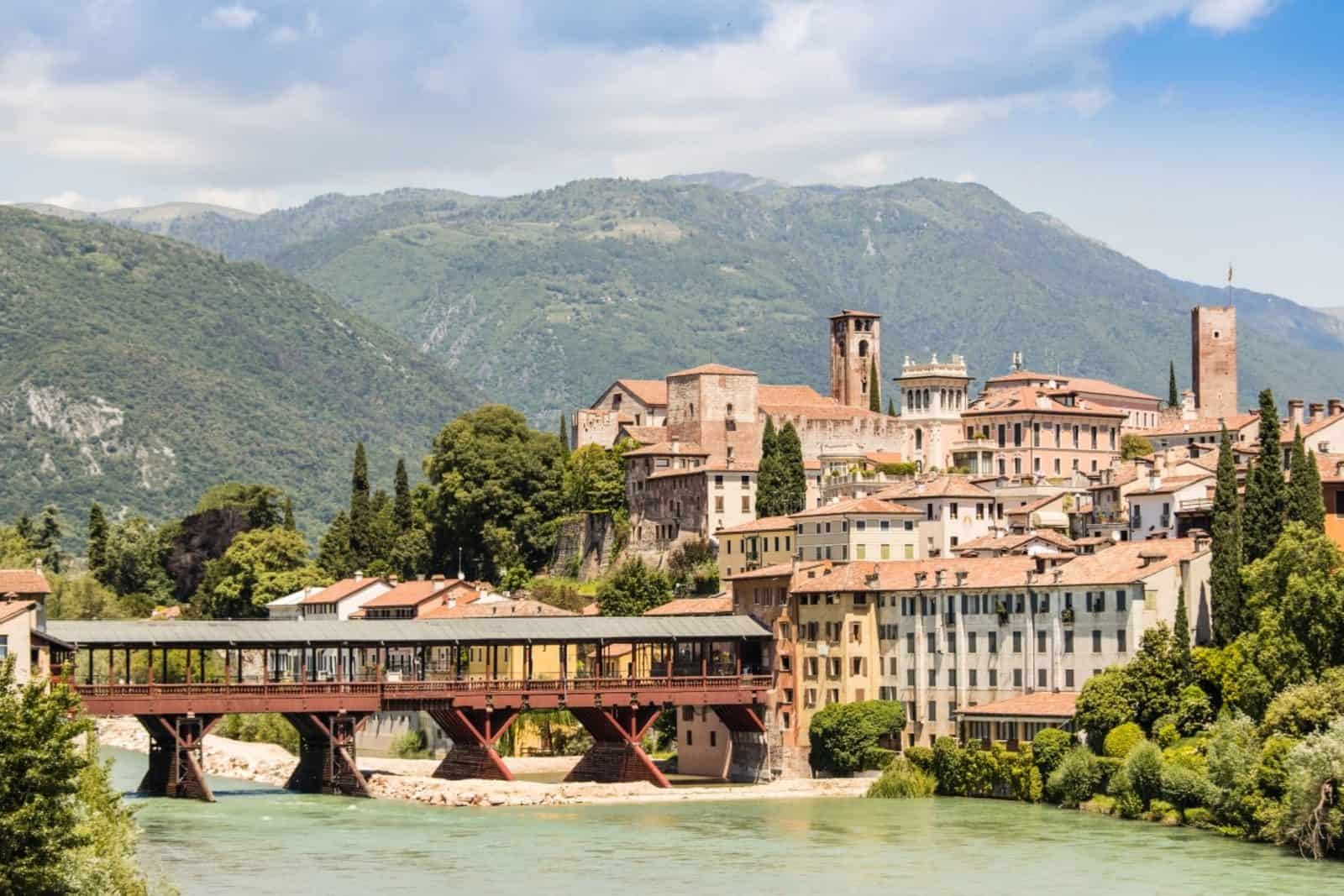
Greece beats Italy and other destinations in the historic travel trends for 2027, as growing interest in legendary trails encourages travellers to explore ancient landscapes, cultural landmarks and destinations associated with famous stories. Corfu and Ithaca are attracting attention for their links to Greek mythology, while Italy’s Favignana, China’s Xi’an and Argentina’s Aconcagua region offer distinctive outdoor experiences. Finland, Vietnam, the United States and France reflect wider changes in holiday preferences, including digital detox retreats, affordable journeys and destination-specific shopping. Across global tourism, these emerging interests could create new opportunities for airlines, accommodation providers, cultural attractions and experience-led travel businesses.
Historic Travel Trends for 2027 Bring Ancient Stories and Cultural Experiences into Focus
Historic travel is developing beyond conventional visits to museums and monuments. Travellers increasingly want to explore places where history, geography and storytelling come together. The Grand Odysseys concept described in Skyscanner’s 2027 travel research reflects this interest in historical landscapes and journeys inspired by literature and cinema. Walking trails, ancient fortifications and coastal destinations offer opportunities to experience heritage while participating in outdoor activities. However, travel inspiration should not be confused with confirmed visitor growth. The strongest destinations are those capable of translating historical interest into accessible itineraries, reliable visitor information and meaningful cultural experiences that extend beyond familiar sightseeing routes.
- Historical storytelling is becoming an increasingly relevant part of destination marketing.
- Cultural walking routes combine sightseeing with outdoor recreation.
- Cinema-inspired itineraries can introduce travellers to less familiar locations.
- Local guides and heritage businesses may benefit from experience-led holidays.
- Transport connectivity and visitor management remain essential to sustainable tourism development.
| Travel segment | Experience sought | Potential industry impact |
|---|---|---|
| Historical tourism | Archaeological and architectural heritage | Museum admissions and guided tours |
| Literary tourism | Destinations connected with famous stories | Themed walking itineraries |
| Cultural adventure | Historic routes and natural landscapes | Specialist tour operations |
| Screen-inspired tourism | Real locations associated with fictional narratives | Destination promotion |
| Slow tourism | Longer and more immersive visits | Regional accommodation and local services |
Greece Takes the Spotlight as Corfu and Ithaca Connect Legendary Trails with Historic Tourism
Greece has a particularly strong connection with the Grand Odysseys theme through Corfu and Ithaca. The Greek National Tourism Organisation identifies Corfu with the mythical Phaeacians from Homer’s Odyssey, while Ithaca is traditionally associated with Odysseus and his long journey home. These associations provide a foundation for literary tourism, coastal walking and heritage interpretation. Travellers can combine cultural exploration with island landscapes, traditional settlements and local experiences. The trend also offers an opportunity to promote destinations beyond their established beach-holiday identities. However, mythological associations should be presented as literary traditions rather than verified evidence of historical events.
- Cape Drastis, Corfu: Coastal walking landscapes associated with the wider Homeric tourism theme.
- Ithaca: An island strongly connected with the story of Odysseus.
- Vathy: A harbour town offering a base for cultural exploration.
- Corfu’s historic settlements: Opportunities to explore the island’s architectural and cultural influences.
- Island tourism itineraries: Potential combinations of hiking, local food, heritage and coastal experiences.
| Greek destination | Main attraction | Tourism relevance |
|---|---|---|
| Corfu | Cape Drastis coastal landscape | Nature and literary-inspired walking |
| Ithaca | Odysseus traditions | Mythological tourism |
| Vathy | Traditional harbour and architecture | Cultural exploration |
| Corfu Old Town | Historic urban environment | Architectural heritage |
| Ithaca’s rural landscapes | Olive groves and island paths | Slow and outdoor tourism |
Italy Strengthens Its Heritage Travel Appeal Through Favignana’s Castle and Mediterranean Walking Routes
Italy’s Favignana offers a different interpretation of legendary travel, blending island geography with genuine historical landmarks. Located in Sicily’s Egadi archipelago, the island is known for its coastal scenery, traditional maritime activities and elevated Fort of Santa Caterina. Italy’s official tourism portal identifies the fort as a historic watchtower rebuilt during the Norman period and later used as a prison under the Bourbons. These layers of history provide tangible cultural experiences beyond the island’s literary associations. Walking towards the fort connects panoramic scenery with architectural heritage, making Favignana relevant to travellers seeking active exploration rather than a conventional coastal holiday.
Advertisement
Advertisement
- Monte Santa Caterina: A hilltop walking route leading towards a historic fortress.
- Fort of Santa Caterina: A landmark associated with different periods of Sicilian history.
- Cala Rossa: A coastal landscape known for distinctive former quarry formations.
- Former Florio tuna factory: A museum connected with the island’s maritime economy.
- Levanzo: A neighbouring island containing prehistoric paintings and engravings at Grotta del Genovese.
| Italian destination | Heritage feature | Visitor experience |
|---|---|---|
| Favignana | Monte Santa Caterina | Historic hiking |
| Fort of Santa Caterina | Former defensive structure | Architectural exploration |
| Cala Rossa | Historic quarry landscape | Coastal walking |
| Florio factory | Maritime industrial heritage | Museum tourism |
| Levanzo | Grotta del Genovese | Prehistoric cultural heritage |
China Brings Xi’an’s Ancient City Walls into the Historic Walking Tourism Movement
China’s Xi’an offers historical travellers an urban alternative to mountain and island trails. The city’s celebrated fortifications preserve important features of Ming Dynasty military architecture and provide an opportunity to explore Chinese history on foot. UNESCO’s documentation dates the construction of the present Ming city wall to the period from 1370 to 1378, with later restoration and improvements. Xi’an also has a wider relationship with the historic Silk Roads, connecting the city with centuries of commercial and cultural exchange. Together, these assets make Xi’an an attractive destination for visitors interested in architecture, cultural history and structured walking experiences.
- Xi’an City Wall: A substantial historic fortification suitable for walking-based exploration.
- Ming Dynasty architecture: Defensive structures illustrating earlier urban planning.
- Historic gateways: Features that help visitors understand the city’s military heritage.
- Silk Roads history: A broader cultural context linking Xi’an to international exchange.
- Urban heritage itineraries: Opportunities to combine historic landmarks with local cultural experiences.
| Heritage element | Verified context | Tourism relevance |
|---|---|---|
| Xi’an City Wall | Ming-period fortifications | Historical walking |
| Defensive gateways | Military architectural heritage | Educational tourism |
| Ancient Chang’an | Historic capital and trading centre | Cultural itineraries |
| Silk Roads | Cross-regional exchange network | International heritage tourism |
| Xi’an’s historic urban setting | Preserved architectural features | City-break tourism |
Argentina Expands Adventure Tourism Appeal with Aconcagua’s Mountain Trails and Glacial Landscapes
Argentina broadens the historic travel discussion through the landscapes surrounding Mount Aconcagua, the highest mountain in the Americas. Although the region is not directly linked to the Homeric narratives associated with Greece and Italy, its mountain routes offer the sense of exploration central to Grand Odysseys. Argentina’s official government tourism guidance identifies the Laguna de Horcones excursion as an accessible way to observe the surrounding mountain environment. More demanding routes lead further into the protected area. The destination therefore appeals to hikers seeking geographical discovery, scenic landscapes and outdoor experiences, with safety considerations playing a central role in planning.
Advertisement
Advertisement
- Laguna de Horcones: A recognised hiking destination within Aconcagua Provincial Park.
- Aconcagua viewpoint: An opportunity to observe the mountain’s southern face.
- Short hiking experiences: Official guidance describes a medium-difficulty excursion lasting approximately one to two hours.
- Extended trekking: The Horcones–Confluencia return route requires greater physical preparation.
- Seasonal restrictions: Certain treks operate within defined periods and have minimum-age requirements.
| Argentine experience | Official information | Travel importance |
|---|---|---|
| Laguna de Horcones | Moderate excursion of 1–2 hours | Short outdoor experience |
| Aconcagua viewpoint | Views towards the southern face | Mountain sightseeing |
| Horcones–Confluencia route | Moderate trek lasting 6–8 hours | Adventure travel |
| Extended trekking season | Generally mid-November to late April | Seasonal trip planning |
| Confluencia route | Minimum age of 16 specified | Visitor suitability |
Finland Attracts Digital Detox Travellers Through Rovaniemi and Kittilä’s Arctic Wilderness
Finland represents a parallel development in international travel preferences: the desire to spend time away from constant digital engagement. The 2027 trend described as Signal Severance connects with travellers seeking solitude, nature and more deliberate holiday experiences. Rovaniemi and Kittilä provide access to Arctic landscapes, seasonal natural phenomena and outdoor recreation. Visit Finland identifies Lapland as a year-round destination recognised for its wilderness, Northern Lights, midnight sun and Sámi cultural heritage. These characteristics support holidays centred on outdoor activity, quieter accommodation and longer engagement with natural surroundings rather than densely scheduled urban sightseeing.
- Rovaniemi: Arctic Circle experiences combining cultural attractions with outdoor recreation.
- Kittilä: A gateway to western Lapland’s landscapes and leisure destinations.
- National parks: Opportunities for hiking, wildlife observation and nature-focused itineraries.
- Seasonal experiences: Northern Lights in darker months and the midnight sun during summer.
- Secluded accommodation: Cabins and nature-based stays suited to travellers seeking quieter surroundings.
| Finnish destination | Tourism experience | Travel relevance |
|---|---|---|
| Rovaniemi | Arctic nature and cultural attractions | Year-round tourism |
| Kittilä | Western Lapland access | Outdoor holidays |
| Pallas–Yllästunturi region | Fell landscapes and hiking | Nature tourism |
| Lapland’s national parks | Protected landscapes | Responsible outdoor travel |
| Remote accommodation | Secluded wilderness stays | Digital detox holidays |
Vietnam Combines Currency-Conscious Travel with Ancient Heritage and Cultural Experiences
Vietnam enters the wider 2027 travel discussion through the interest in destinations where visitors can manage holiday spending while accessing varied cultural experiences. Its established heritage attractions also connect with the preference for historically meaningful journeys. Vietnam’s official tourism website highlights Hanoi, Hue, Hoi An, My Son and other important sites as components of cultural itineraries. These destinations allow travellers to combine temples, historic towns, traditional crafts and local cuisine within longer journeys. However, affordability should be assessed using actual transport, accommodation and exchange-rate costs rather than assuming Vietnam will always offer better value for every international visitor.
- Hanoi: Traditional neighbourhoods, historic landmarks and cultural experiences.
- Hue: Imperial heritage and historic architecture.
- Hoi An: A historic urban landscape associated with commerce and craftsmanship.
- My Son: Archaeological remains connected with the Cham civilisation.
- Ninh Binh: A destination combining cultural heritage with distinctive natural scenery.
| Vietnamese destination | Main attraction | Tourism relevance |
|---|---|---|
| Hanoi | Historic city culture | Urban heritage tourism |
| Hue | Imperial architecture | Historical travel |
| Hoi An | Historic trading-town environment | Cultural immersion |
| My Son | Cham archaeological heritage | Ancient civilisation tourism |
| Ninh Binh | Scenic and cultural landscapes | Experience-led itineraries |
United States Gains Attention as Destination-Specific Shopping Shapes Travel Choices
The United States features in the broader 2027 trends through shopping-led travel rather than the historic walking routes highlighted by AllTrails. The supplied research identifies interest in products that travellers cannot easily obtain through ordinary online purchasing, using Trader Joe’s merchandise as an example. This behaviour reflects the growing role of distinctive retail experiences in destination selection. For international visitors, shopping may become one part of an itinerary alongside sightseeing, cultural attractions and entertainment. Nevertheless, the available primary evidence does not establish how many additional visitors the United States will receive because of this trend or whether souvenir purchases independently motivate most travel decisions.
- Destination-exclusive merchandise: Products associated with particular shops or locations.
- Retail experiences: Visits to physical stores offering a distinctive shopping environment.
- Cultural shopping: Opportunities to discover regionally characteristic goods and crafts.
- Combined itineraries: Shopping incorporated into holidays centred on entertainment or sightseeing.
- Visitor expenditure: Potential opportunities for local retailers and hospitality businesses.
| Travel activity | Visitor motivation | Potential tourism impact |
|---|---|---|
| Exclusive retail shopping | Finding unavailable products | Retail expenditure |
| Local craft purchases | Authentic regional goods | Support for small businesses |
| City shopping trips | Access to distinctive stores | Urban visitor activity |
| Entertainment and shopping | Combining experiences | Longer city itineraries |
| Souvenir-focused travel | Personalised purchases | Destination differentiation |
France Connects Parisian Luxury Shopping with Cultural Heritage and Destination Experiences
France brings established luxury retail, artisanal craftsmanship and cultural tourism into the wider discussion of destination-driven holidays. Paris is especially relevant because shopping can form part of a cultural experience rather than remaining a separate commercial activity. France’s official tourism portal highlights the connections between fashion, historic department stores, traditional craftsmanship and architectural heritage. The supplied 2027 trend narrative also identifies Ritz Paris merchandise as an example of location-specific products attracting interest. These experiences illustrate how travellers can associate purchases with a destination’s identity, while museums, historic neighbourhoods and cultural attractions provide additional reasons to visit.
- Parisian luxury retail: Shopping experiences connected with established fashion and design traditions.
- Historic department stores: Retail environments recognised for their architecture.
- French craftsmanship: Regional products associated with traditional skills.
- Cultural institutions: Museums and historic sites that complement shopping itineraries.
- Destination souvenirs: Products that reflect a memorable place or specific travel experience.
| French experience | Tourism feature | Visitor appeal |
|---|---|---|
| Galeries Lafayette Haussmann | Historic department-store setting | Shopping and architecture |
| Le Bon Marché | Historic Parisian retail establishment | Luxury and cultural tourism |
| La Samaritaine | Art Nouveau and Art Deco heritage | Architectural shopping experience |
| Paris museums | Art and historical collections | Cultural tourism |
| Regional craft workshops | Traditional French expertise | Experiential shopping |
Global Travel and Tourism Impact: How Historic Journeys Could Reshape Airlines, Hotels and Destination Planning
The 2027 travel trends indicate several possible directions for tourism businesses, particularly where heritage attractions can be connected with reliable transport, distinctive accommodation and specialist experiences. Historic walking trails may support demand for local guides and regional itineraries, while digital detox holidays could strengthen the appeal of nature-focused accommodation. Shopping-led travel and cultural events may create additional spending opportunities in established destinations. For airlines, these trends highlight the importance of regional connectivity and convenient onward transport. However, forecasts of traveller preferences are not equivalent to confirmed increases in airline passengers, hotel occupancy or tourism revenue across the featured countries.
- Airlines: Opportunities to market existing routes as gateways to cultural and outdoor experiences.
- Tour operators: Greater scope for specialist historical, walking and literary itineraries.
- Hotels: Opportunities for accommodation tailored to active travellers and quieter holidays.
- Destination authorities: A stronger incentive to protect, interpret and manage heritage attractions.
- Local communities: Potential additional demand for guides, restaurants, crafts and transport services.
| Tourism sector | Emerging opportunity | Important consideration |
|---|---|---|
| Airlines | Regional destination connectivity | Demand must be established before capacity expansion |
| Hotels | Heritage and nature-focused stays | Seasonality and accessibility |
| Tour operators | Specialist cultural itineraries | Accurate historical interpretation |
| Attractions | Guided visits and immersive experiences | Conservation and visitor management |
| Local businesses | Food, crafts and retail experiences | Community participation |
| Travel technology | Itinerary discovery and route planning | Reliable destination information |
Conclusion
Greece beats Italy and other destinations in the discussion surrounding historic travel trends for 2027, as legendary trails introduce new ways of experiencing familiar holiday locations. Ancient stories, remarkable landscapes and cultural heritage are encouraging interest in journeys that offer more than traditional sightseeing. China and Argentina broaden the appeal through historic architecture and outdoor adventure, while Finland, Vietnam, the United States and France reflect additional changes in travel preferences. Across global tourism, the strongest opportunity lies in connecting authentic experiences with accessible transport, responsible destination management and meaningful local participation. The emerging trend points towards more purposeful international journeys.
Advertisement
