
Algeria Expands Saharan Tourism as Djanet and Tassili n’Ajjer Draw Adventure Travellers

Published
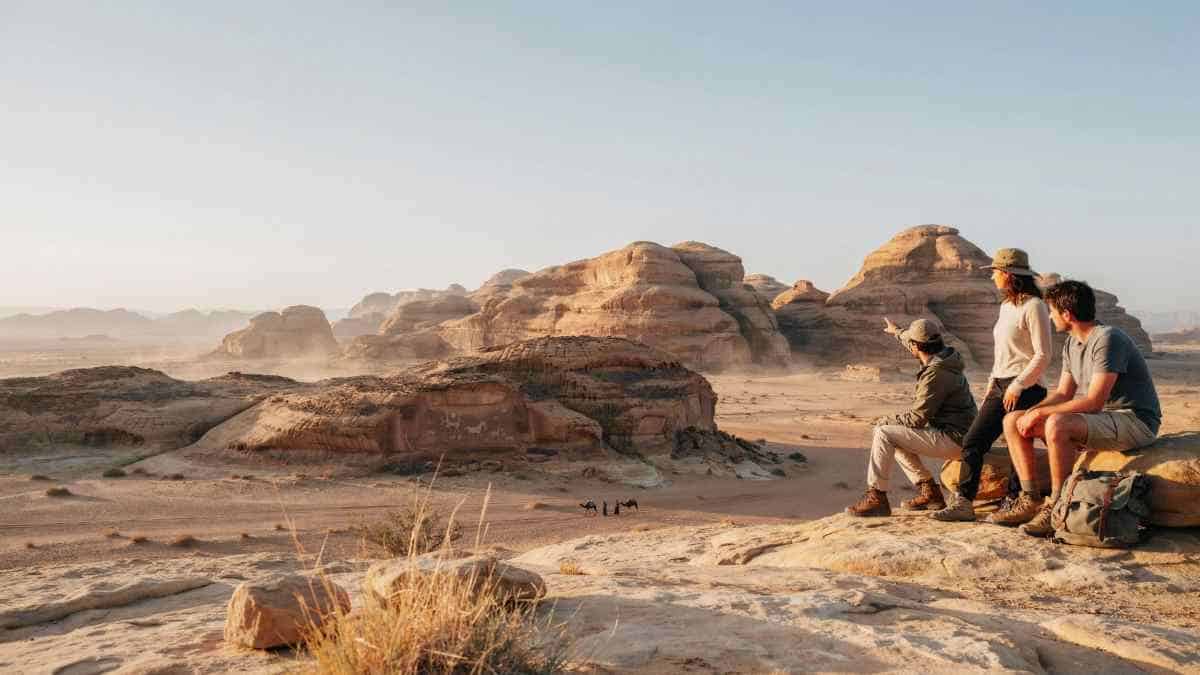
Image generated with Ai
As part of the strategy to improve the tourism sector, Algeria is now promoting its southern area, since there is increasing interest in Saharan tourism in Djanet and Tassili n’Ajjer. For those vacationers interested only in having a different experience from Mediterranean vacation trips, there is no shortage of sandstone, rock drawings, history related to the Tuareg tribes, and dark skies. In efforts of the Algerian government to increase its tourism industry in the south, this plays a role. The Ministry of Tourism and Crafts examined the desert tourism season of 2025-26 and outlined its plans as part of its action plan in 2026-2028, through which they aim to lure 1.5 million tourists to the southern parts of Algeria by 2028. Djanet and Illizi became two of the most important centres for southern tourism.
Djanet Becomes the Gateway to the Tassili
Djanet is the natural starting point for journeys into the Tassili n’Ajjer. The oasis town sits in south-eastern Algeria and provides access to a landscape of sandstone plateaux, canyons, arches and isolated rock formations.
The official Visit Algeria destination guide describes Djanet as a gateway to Tassili n’Ajjer, with guided desert expeditions, rock art, geology, stargazing and living Tuareg culture among the principal experiences.
For an international traveller, the journey feels very different from arriving at a conventional resort. Djanet quickly gives way to open desert, where roads become tracks, and the landscape begins to dominate the itinerary.
Advertisement
Advertisement
The official tourism itinerary recommends a seven-day guided Sahara journey, combining Djanet, selected Tassili landscapes, rock-art sites and desert camps. It identifies October to March as the preferred season, making the coming autumn and winter period particularly relevant to expedition planning.
Ancient Rock Art Shapes the Experience
Tassili n’Ajjer is not simply a spectacular geological destination. It is also one of the world’s most important archaeological landscapes.
Advertisement
Advertisement
The plateau contains extensive prehistoric paintings and engravings recording animals, human activity and changing environmental conditions over thousands of years. Erosion has created the distinctive stone forests, arches and canyons that now define the scenery.
For visitors, the combination of archaeology and wilderness creates a very different kind of sightseeing. A guided walk can move from towering sandstone formations to a rock shelter containing evidence of human life from periods when the Sahara was considerably wetter.
Advertisement
Advertisement
The fragile nature of the artwork also means visitors are expected to follow strict conservation practices. Touching, wetting or marking rock surfaces can cause irreversible damage.
Desert Camps Bring a New Style of Travel
The supplied development describes low-impact semi-permanent mobile safari camps being introduced for the autumn season. Current official sources confirm the wider push towards conservation-conscious desert camps and guided routes, but I could not independently verify a specific September 2026 government announcement confirming the exact mobile-camp framework described in the brief.
What is clear is that tourism in Tassili n’Ajjer is tightly managed. UNESCO notes that tourism within the World Heritage property is strictly controlled and visitors are accompanied by official guides. The management system is designed to protect both natural and cultural heritage while allowing tourism to generate income and employment for local communities.
That controlled approach is particularly important in an environment where water, vegetation and access routes are limited.
Advertisement
Advertisement
Night Skies Add Another Reason to Stay
The desert environment also creates strong potential for night-sky tourism. Away from major cities and dense settlements, the Sahara offers long periods of darkness and wide horizons.
For visitors staying at desert camps, evenings can become part of the main itinerary rather than simply downtime after a day of trekking. Stargazing can be combined with traditional camp meals, Tuareg cultural experiences and guided discussions about the surrounding landscape.
The appeal is especially strong for travellers looking for slower, more immersive forms of adventure tourism.
Tuareg Heritage Remains Part of the Journey
Djanet is also a centre of Kel Ajjer Tuareg culture. Music, craft, food, oral history and local traditions remain part of the destination’s living cultural identity.
The official tourism guide stresses that this heritage should be experienced as a living culture rather than treated simply as a performance for visitors.
That distinction matters when travelling through remote communities. Local guides provide not only navigation but also knowledge of water sources, weather, routes, place names and regional history.
Advertisement
Advertisement
Planning a Djanet Expedition
Travellers heading to Djanet should use an authorised local operator and confirm current permits and security requirements before departure. The official tourism guidance specifically recommends travelling with authorised operators, carrying adequate water and emergency communications, and never leaving a desert route independently.
The terrain also demands preparation. Days can be hot, while desert nights can become cold. Comfortable walking footwear, sun protection, layered clothing and sufficient personal medication are essential for multi-day expeditions.
Official Link: https://www.mta.gov.dz/
Algeria Builds a New Southern Tourism Story
The Southern Tourism Policy of Algeria is helping places like Djanet and Tassili n’Ajjer become increasingly significant in the country’s international tourist offerings. The planning efforts of the government are being directed towards new routes, ecotourism, cultural tourism, better services, and increased digitalisation in the Southern Tourism sector. In the case of tourists, the draw factor is quite obvious – prehistoric paintings, huge sandstone formations, Tuareg culture, and the deserts of the night can all be experienced through one adventure. With Algeria preparing for yet another season of Saharan tourism, Djanet is emerging from being a mere name on the expedition map to a gateway into a truly unique experience.
Advertisement
