
APEC 2025 in South Korea: Explore the Future of Hospitality with Cruise Ships as Floating Hotels in Gyeongju
Published
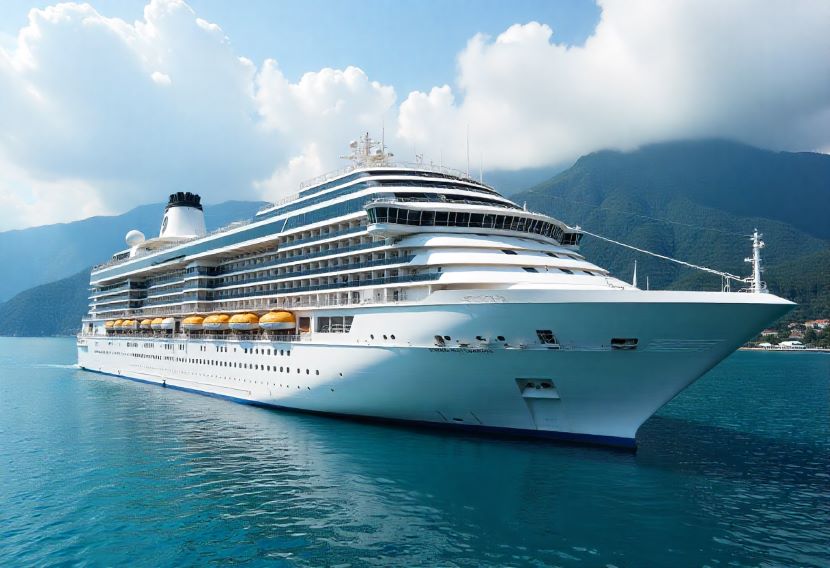 Image generated with Ai
As South Korea prepares for the high-profile Asia-Pacific Economic Cooperation (APEC) summit in Gyeongju, the country faces a unique challenge in accommodating thousands of international delegates. To overcome a shortage of available hotel rooms, organizers have turned to an innovative solution: cruise ships serving as floating hotels.
Cruise Ships to Welcome Thousands of Delegates
Gyeongju, renowned for its rich cultural heritage and UNESCO World Heritage sites, is set to host nearly 20,000 delegates and officials for the APEC 2025 summit, which runs from October 31 to November 1, 2025. Despite the city’s global appeal, the infrastructure for large-scale events like APEC is limited, especially in terms of hotel accommodations. With the city’s hotels offering only 12,800 rooms within a 10-kilometer radius of the summit venues, it became clear that alternative solutions were needed.
In a strategic move, the organizers have chartered two cruise ships—Piano Land and Eastern Venus—to serve as floating hotels. These luxurious vessels, equipped with numerous amenities, will dock at Yeongilman Port in Pohang, roughly an hour’s drive from Gyeongju, to house attendees throughout the summit.
The Floating Hotels: Luxury Meets Convenience
The Piano Land is a 70,000-ton cruise ship operated by China-based Astro Ocean Cruises, offering 850 rooms. Its amenities include karaoke bars, a gym, jogging tracks, and pools, providing an ideal retreat for delegates after their summit activities. On the other hand, Eastern Venus, a 26,000-ton vessel managed by South Korea’s DuWon Shipping, adds 270 additional cabins for the summit’s high-profile guests.
Advertisement
Advertisement
This arrangement ensures that delegates will enjoy the comfort and luxury of cruise accommodations while being conveniently located close to the summit’s venues. The move also aligns with South Korea’s commitment to hosting a world-class event while managing the challenges of an ever-growing international tourism demand.
Overcoming Logistical Challenges with Smart Planning
While the use of floating hotels offers a practical and innovative solution, it presents logistical challenges for the summit organizers. Key considerations include transportation between the port and the summit venues, which will require well-coordinated shuttle services to ensure timely arrivals.
Advertisement
Advertisement
Additionally, maintaining high standards of service aboard the cruise ships, including catering, waste management, and security, will be critical to the success of this unique accommodation model. To streamline operations, the APEC 2025 Korea website has provided detailed guidance on hotel reservations and shuttle services, ensuring a seamless experience for delegates and attendees.
A Game-Changing Approach to Event Planning
The decision to use cruise ships as floating hotels highlights South Korea’s forward-thinking approach to managing large-scale international events. As the demand for unique accommodation solutions rises globally, this strategy serves as an example of how cities can adapt to accommodate the growing scale of events like APEC.
Using cruise ships as temporary lodging for delegates not only solves the immediate accommodation problem but also offers a novel way to enhance the overall summit experience. With the ships located in Pohang, delegates will have the opportunity to enjoy the coastal beauty of South Korea before heading to the summit in Gyeongju.
Innovation Meets Tradition in Gyeongju and Pohang
This innovative solution underscores South Korea’s ability to blend modern ingenuity with its rich cultural heritage. The country’s commitment to providing a memorable and hassle-free APEC experience is evident in its resourceful approach to addressing accommodation shortages. By transforming cruise ships into floating hotels, South Korea is not only meeting logistical challenges but also creating a more dynamic and memorable experience for APEC delegates.
As global events continue to grow in size and scope, the concept of floating accommodations could become a fixture in event planning worldwide, especially in destinations like Gyeongju and Pohang that may lack the infrastructure to accommodate such large numbers of visitors.
Conclusion: A Seamless APEC Summit Experience Awaits
With the floating hotels ready to welcome thousands of APEC delegates in just a few months, Gyeongju and Pohang are demonstrating how effective event planning can turn a potential challenge into an opportunity for innovation. South Korea’s creative solution to the accommodation issue at APEC 2025 highlights the nation’s commitment to providing a high-quality summit experience. As delegates prepare for the event, this forward-thinking approach ensures that Gyeongju and Pohang will shine on the world stage, offering not only a summit of global significance but also a memorable South Korean experience for all involved.
Advertisement
