
Houston Joins New York City, Los Angeles, Miami and Other US Cities Among Top Shopping Destinations in the Americas and Caribbean for 2026

Published
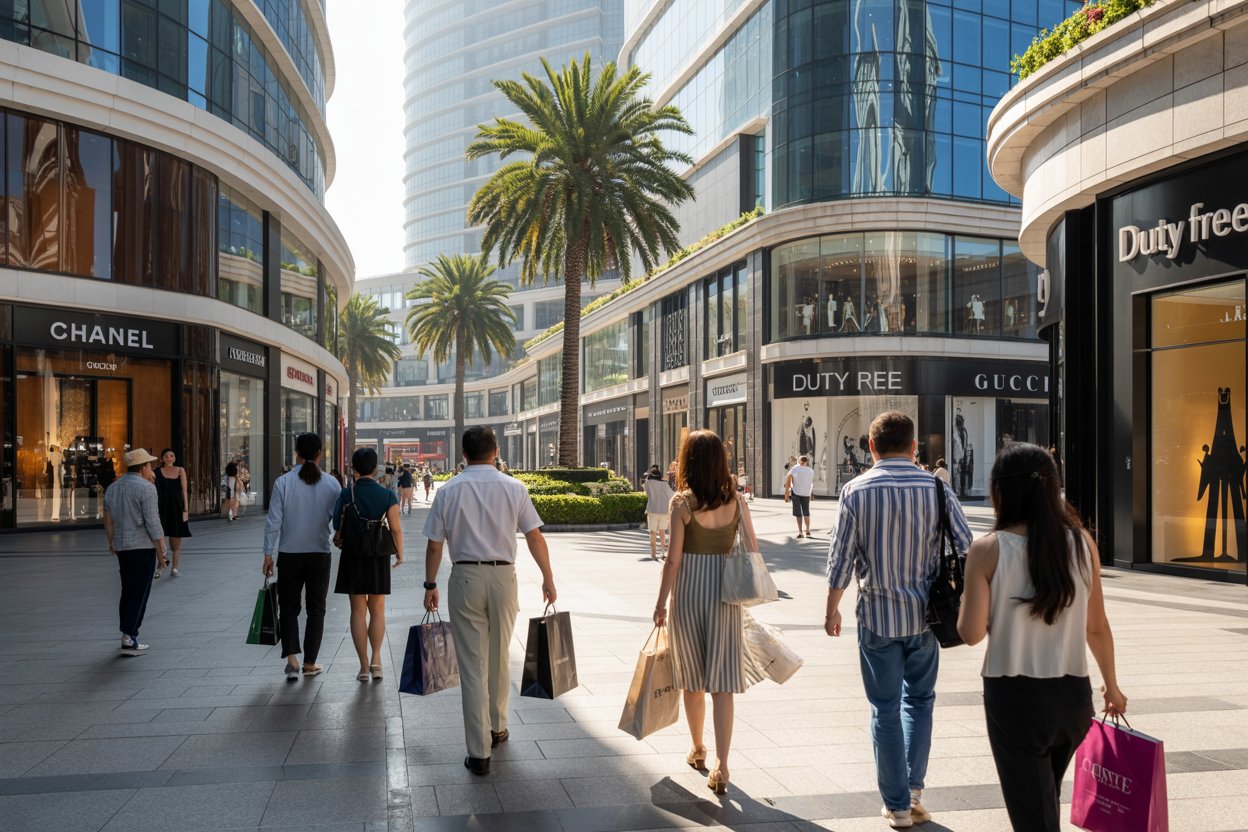
Houston, Texas, has secured the twentieth position in Travel And Tour World’s (TTW) Top 30 Shopping Destinations in the Americas and Caribbean for 2026, joining some of the United States’ most established retail and tourism centres. The ranking highlights Houston’s growing appeal as a shopping destination, supported by its luxury retail districts, expansive shopping centres, diverse neighbourhood markets and distinctive Texan shopping culture.
The research places New York City first, followed by Toronto, São Paulo, Mexico City and Buenos Aires. Among US destinations, New York City leads the ranking, with Los Angeles, Miami, Chicago, Las Vegas, San Francisco, Orlando, Honolulu, Dallas and Houston also earning places. San Juan in Puerto Rico and Charlotte Amalie in the US Virgin Islands further demonstrate the reach of US-linked shopping tourism across the Caribbean.
For Houston, the recognition strengthens its position within a competitive American retail landscape. Unlike destinations primarily associated with luxury fashion or entertainment-led shopping, Houston offers a combination of international designer brands, outlet shopping, independent boutiques, multicultural retail districts and large-scale shopping complexes.
The TTW ranking also illustrates how shopping has become an important component of urban tourism. Travellers increasingly combine retail visits with restaurants, cultural attractions, entertainment, business trips and short city breaks, creating opportunities for destinations with varied visitor experiences.
Advertisement
Advertisement
Houston Ranks Among the Leading US Shopping Destinations in 2026
Houston’s twentieth-place position in the regional ranking places it alongside internationally recognised shopping cities such as New York City, Los Angeles and Miami.
As one of America’s largest metropolitan centres, Houston benefits from an extensive retail infrastructure serving local residents, domestic tourists and international visitors.
Advertisement
Advertisement
Its shopping environment ranges from premium designer stores in Uptown to established shopping centres, independent fashion retailers and culturally distinctive neighbourhood businesses.
The city’s appeal is closely connected to its economic diversity and international character. Houston attracts visitors for business, medical services, conventions, sporting events and leisure travel. Shopping can form an additional part of these journeys, particularly for travellers extending their stays.
Advertisement
Advertisement
Houston’s combination of luxury retail, accessible shopping districts and independent businesses gives visitors several ways to explore the city beyond its major attractions.
The Galleria Strengthens Houston’s International Shopping Appeal
ne of Houston’s most recognisable shopping landmarks is The Galleria, a major retail complex in the Uptown district.
The centre combines luxury fashion, department stores, restaurants and entertainment facilities, including an indoor ice-skating rink. Its extensive retail offering makes it a prominent destination for visitors looking to spend several hours shopping.
International fashion brands, accessories, jewellery and lifestyle retailers contribute to the centre’s appeal among different customer groups.
Advertisement
Advertisement
The surrounding Uptown area also features hotels, restaurants and additional shopping facilities, allowing travellers to incorporate retail experiences into wider city itineraries.
For Houston’s visitor economy, established shopping districts such as The Galleria provide a connection between hospitality, entertainment and retail spending.
The concentration of shopping and accommodation is particularly useful for visitors attending conferences or travelling on short business trips.
River Oaks District Brings Luxury Shopping to Houston
Houston’s premium retail offering extends beyond traditional enclosed shopping centres.
River Oaks District provides an open-air luxury shopping environment featuring designer boutiques, restaurants and lifestyle experiences.
The district reflects a broader trend in American retail tourism, where shopping destinations increasingly combine fashion with dining, leisure and social experiences.
Advertisement
Advertisement
Visitors can explore luxury collections while enjoying the atmosphere of a carefully designed retail neighbourhood.
Houston also offers premium shopping at Highland Village, where established fashion and lifestyle retailers operate alongside dining venues.
Together, these districts strengthen the city’s position in the higher-end shopping market, particularly among travellers seeking designer fashion without limiting their visit to a single shopping centre.
Houston Offers More Than Luxury Shopping
Although designer boutiques contribute to Houston’s shopping reputation, the city’s retail landscape is considerably broader.
Houston Premium Outlets in the Cypress area provides an alternative for travellers interested in outlet shopping, with a collection of fashion, accessories and lifestyle retailers.
The city’s independent retail scene is equally important.
Advertisement
Advertisement
Neighbourhoods such as the Heights, Montrose and Rice Village offer opportunities to explore boutiques, vintage clothing, homeware, gifts and locally operated businesses.
These districts provide a different shopping experience from major commercial centres. Visitors can discover smaller shops while exploring neighbourhood restaurants, cafés and cultural attractions.
Houston’s multicultural population also influences its retail identity. International grocery stores, specialist shops and businesses serving diverse communities add depth to the city’s shopping environment.
This variety helps distinguish Houston from destinations where visitor shopping is concentrated mainly in luxury districts.
Houston’s Galleria and Uptown District Lead Luxury Shopping Tourism
Houston’s Galleria and Uptown district remains one of the city’s most prominent retail destinations. According to Visit Houston, the wider district features more than 700 retailers across approximately two square miles.
The Galleria attracts visitors with international fashion brands, department stores, jewellery boutiques, restaurants and an indoor ice-skating rink.
Advertisement
Advertisement
Its proximity to hotels and dining establishments makes the district convenient for business travellers, families and international tourists seeking shopping and entertainment in one location.
River Oaks District Strengthens Houston’s Luxury Retail Appeal
River Oaks District adds another dimension to Houston’s premium shopping landscape. The open-air destination features more than 60 luxury brands, according to its official website, including Hermès, Dior, Cartier and Van Cleef & Arpels.
The district combines designer fashion with restaurants, galleries and entertainment facilities.
Nearby Highland Village and Uptown Park further expand Houston’s upscale retail offering, providing visitors with alternatives to traditional enclosed shopping malls.
These destinations help Houston compete for travellers interested in luxury shopping experiences associated with major American cities.
Rice Village, Houston Heights and Montrose Highlight Independent Shopping
Beyond luxury shopping, Houston’s neighbourhood retail districts offer distinctive local experiences.
Advertisement
Advertisement
Rice Village, near Rice University, features fashion boutiques, speciality shops, restaurants and cafés in a walkable environment.
Houston Heights, particularly its historic 19th Street corridor, attracts shoppers interested in vintage clothing, antiques, handmade gifts and independent businesses.
Montrose offers another alternative, with eclectic boutiques, second-hand fashion retailers and creative businesses reflecting Houston’s cultural diversity.
These neighbourhoods allow tourists to discover locally operated stores while exploring the city’s architecture, restaurants and cultural attractions.
Harwin Drive and Chinatown Expand Affordable and Cultural Shopping
Houston also appeals to travellers seeking affordable merchandise and international retail experiences.
Harwin Drive is recognised for wholesale-style shopping, discount fashion, accessories, jewellery and speciality merchandise.
Advertisement
Advertisement
Meanwhile, Houston’s Chinatown and Asiatown districts feature Asian supermarkets, specialist retailers, international products and diverse dining establishments.
These shopping areas highlight the city’s multicultural character and provide alternatives to conventional luxury retail destinations.
Houston Premium Outlets and CITYCENTRE Attract Leisure Shoppers
Houston Premium Outlets in Cypress offers approximately 150 directory-listed retail and service locations, including designer outlet stores and popular fashion brands.
CITYCENTRE combines open-air shopping with restaurants, entertainment and accommodation, creating a lifestyle destination for visitors.
Memorial City and Town & Country Village further strengthen the wider Houston area’s retail infrastructure.
Houston’s Ranking Highlights the Diversity of US Shopping Tourism
Houston’s twentieth-place position places it immediately behind Dallas, which ranks nineteenth in TTW’s regional research.
Advertisement
Advertisement
New York City leads the overall ranking, while Los Angeles, Miami, Chicago, Las Vegas, San Francisco, Orlando and Honolulu also feature prominently.
Houston distinguishes itself through its combination of international luxury brands, affordable outlets, independent boutiques and multicultural markets.
For travellers planning a Texas holiday in 2026, Houston offers shopping experiences that extend beyond major malls, connecting retail tourism with the city’s culture, dining, entertainment and neighbourhood attractions.
New York City Leads the Regional Ranking and US Shopping Tourism
New York City occupies first place in TTW’s Top 30 Shopping Destinations in the Americas and Caribbean for 2026.
The city remains a major reference point for American retail tourism, supported by its department stores, luxury shopping avenues, independent boutiques and internationally recognised fashion industry.
Fifth Avenue attracts visitors interested in flagship stores and premium fashion, while SoHo offers designer boutiques, contemporary brands and independent retailers.
Advertisement
Advertisement
Macy’s Herald Square remains an established landmark in the city’s department-store landscape.
Shopping in New York is also closely connected to sightseeing, theatre, restaurants and cultural experiences.
For international visitors, this combination makes retail activity a natural part of a wider Manhattan itinerary.
Houston operates in a different retail environment, but both destinations demonstrate how major American cities can integrate shopping with broader tourism experiences.
Los Angeles and Miami Expand America’s Luxury Retail Appeal
Los Angeles ranks sixth in the regional TTW research, making it the second-highest-ranked US destination.
Its shopping reputation is closely associated with Beverly Hills, Rodeo Drive, West Hollywood and the city’s wider fashion and entertainment industries.
Advertisement
Advertisement
Visitors can explore luxury boutiques, contemporary fashion labels, vintage retailers and shopping areas connected to California’s lifestyle culture.
Miami follows in seventh position, reflecting its appeal as a luxury shopping and leisure destination.
The Miami Design District is particularly associated with premium fashion, design and architecture. Bal Harbour Shops and the city’s wider retail centres also attract visitors seeking designer merchandise.
Miami’s position as a major gateway between the United States, Latin America and the Caribbean adds an international dimension to its retail environment.
Both cities demonstrate how luxury shopping can complement beach holidays, entertainment and urban tourism.
Houston shares some of these characteristics through its premium retail districts, although its wider visitor offering is shaped by Texas culture, business travel and multicultural neighbourhoods.
Advertisement
Advertisement
Chicago and Las Vegas Combine Retail with Major Tourism Attractions
Chicago ranks eighth in the TTW regional list, followed by Las Vegas in ninth position.
Chicago’s Magnificent Mile remains one of America’s best-known shopping corridors, bringing together fashion retailers, department stores, hotels and restaurants.
State Street and surrounding downtown districts add further variety to the city’s retail landscape.
Chicago’s architecture, museums, waterfront attractions and cultural institutions allow visitors to combine shopping with extensive sightseeing.
Las Vegas presents a different model.
Retail tourism in the Nevada destination is closely connected to casino resorts, entertainment complexes and luxury hospitality.
Advertisement
Advertisement
The Forum Shops at Caesars Palace, Grand Canal Shoppes and Fashion Show Las Vegas provide shopping experiences that complement the city’s entertainment industry.
The contrast between Chicago and Las Vegas illustrates the diversity of American shopping destinations represented in TTW’s ranking.
San Francisco, Orlando and Honolulu Offer Distinct Shopping Experiences
San Francisco holds twelfth position in the regional research.
The city’s retail offering includes Union Square, neighbourhood boutiques, specialist stores and shopping areas linked to its distinctive cultural identity.
Visitors can combine shopping with waterfront attractions, museums, historic neighbourhoods and culinary experiences.
Orlando ranks seventeenth and benefits from its position as a major family holiday destination.
Advertisement
Advertisement
The Florida city offers shopping at destinations such as The Mall at Millenia, Orlando International Premium Outlets and Orlando Vineland Premium Outlets.
Its proximity to internationally recognised theme parks makes shopping a convenient additional activity for families and leisure travellers.
Honolulu follows in eighteenth position, representing Hawaii’s distinctive retail tourism market.
Ala Moana Center, Waikiki’s shopping streets and luxury boutiques attract travellers who want to combine retail visits with beach holidays and island experiences.
Honolulu also provides opportunities to discover locally inspired products and Hawaiian fashion.
These destinations demonstrate that American shopping tourism extends beyond traditional metropolitan retail centres.
Advertisement
Advertisement
Dallas and Houston Highlight Texas as a Major Shopping Region
Dallas ranks nineteenth, immediately ahead of Houston in twentieth position.
The neighbouring positions give Texas two entries in the regional Top 30, highlighting the state’s diverse retail attractions.
Dallas is known for NorthPark Center, Highland Park Village and major shopping districts that combine luxury fashion with contemporary retail.
NorthPark Center is particularly recognised for integrating shopping with art and cultural displays, while Highland Park Village offers an established luxury retail setting.
Houston provides a complementary experience through The Galleria, River Oaks District, outlet centres and independent neighbourhood shops.
Both cities also benefit from major airports, convention facilities, hospitality infrastructure and business travel activity.
Advertisement
Advertisement
For visitors planning Texas itineraries, Dallas and Houston offer opportunities to experience different shopping environments within the same state.
The ranking does not establish which city generates greater visitor retail spending. Instead, it places both among the leading shopping destinations identified by TTW for 2026.
Puerto Rico and the US Virgin Islands Extend America’s Shopping Appeal into the Caribbean
The TTW ranking also includes San Juan, Puerto Rico, in twenty-second position and Charlotte Amalie in the US Virgin Islands in twenty-fifth.
San Juan offers shopping through established retail centres, luxury boutiques and the historic streets of Old San Juan.
Plaza Las Américas is one of the territory’s prominent shopping destinations, while smaller retailers offer locally produced gifts, fashion and artisan merchandise.
Charlotte Amalie, on St Thomas, has a different retail identity shaped by cruise tourism and duty-free shopping.
Advertisement
Advertisement
Its historic commercial streets are associated with jewellery, watches, gifts and other visitor-oriented merchandise.
The inclusion of these Caribbean destinations highlights how shopping tourism can operate across different travel markets, from major mainland cities to island destinations receiving cruise passengers.
Travellers should check applicable customs allowances and duty-free rules before making purchases intended for transport home.
US Shopping Destinations Featured in TTW’s 2026 Regional Ranking
The following destinations appear in TTW’s Top 30 Shopping Destinations in the Americas and Caribbean for 2026.
| Regional rank | US destination | State or territory |
|---|---|---|
| 1 | New York City | New York |
| 6 | Los Angeles | California |
| 7 | Miami | Florida |
| 8 | Chicago | Illinois |
| 9 | Las Vegas | Nevada |
| 12 | San Francisco | California |
| 17 | Orlando | Florida |
| 18 | Honolulu | Hawaii |
| 19 | Dallas | Texas |
| 20 | Houston | Texas |
| 22 | San Juan | Puerto Rico |
| 25 | Charlotte Amalie | US Virgin Islands |
Source: Travel And Tour World, Top 30 Shopping Destinations in the Americas and Caribbean for 2026. Rankings are reproduced from the supplied TTW research. They should not be interpreted as a ranking of retail sales or visitor expenditure.
Why Shopping Tourism Matters for Houston’s Visitor Economy
Shopping can support several parts of a destination’s tourism economy.
Advertisement
Advertisement
Visitors purchasing clothing, gifts, accessories and locally produced goods contribute directly to retail businesses. Their trips may also generate spending on accommodation, restaurants, transport and entertainment.
Houston is positioned to benefit from this combination because its visitor economy extends across multiple travel segments.
Business travellers may visit shopping districts after conferences, while families can include retail centres in leisure itineraries. International visitors may seek American fashion brands, specialist products or distinctive Texan merchandise.
Independent businesses can also benefit when visitors explore neighbourhood shopping areas beyond the major commercial centres.
However, the TTW ranking should not be treated as evidence of a specific increase in Houston’s tourism receipts, retail sales or international visitor arrivals. Those outcomes require separate official statistical evidence.
The ranking instead provides editorial recognition of Houston’s place within the wider regional shopping landscape.
Advertisement
Advertisement
Houston’s Shopping Identity Could Support Wider City Tourism
Houston’s shopping appeal is closely linked to the diversity of experiences available across the city.
Travellers can combine retail visits with the Museum District, Space Center Houston, local restaurants, sporting events and cultural attractions.
Its established aviation connections through George Bush Intercontinental Airport and William P. Hobby Airport also support access for domestic and international visitors.
For travellers considering Houston as part of a Texas holiday, shopping can complement sightseeing rather than serve as the sole purpose of a visit.
The city’s retail offering also provides flexibility across different budgets and interests, from designer fashion and premium accessories to outlet stores and independent neighbourhood businesses.
This breadth is an important distinction in an increasingly competitive American shopping tourism market.
Advertisement
Advertisement
Houston’s Place in the 2026 Ranking Reflects the Diversity of American Shopping Tourism
Houston’s inclusion in TTW’s Top 30 Shopping Destinations in the Americas and Caribbean for 2026 places the Texas city among a broad selection of established American retail destinations.
New York City leads the regional ranking, while Los Angeles, Miami, Chicago and Las Vegas occupy prominent positions. San Francisco, Orlando, Honolulu, Dallas and Houston further demonstrate the geographic reach of US shopping tourism.
For Houston, the recognition draws attention to a retail environment that combines luxury shopping, outlet centres, independent boutiques and multicultural neighbourhood businesses.
As travellers continue to combine shopping with leisure, culture, entertainment and business journeys, Houston offers a varied urban experience that extends well beyond its commercial centres.
The wider finding from TTW’s research is that American shopping tourism is not defined by one retail model. From New York’s flagship stores and Miami’s designer districts to Houston’s expansive shopping centres and Texas-inspired independent retail scene, US destinations offer different experiences for visitors exploring the Americas and Caribbean in 2026.
Advertisement
