
Guatemala Aligns With Costa Rica and More as Rising Asian Arrivals Open New Central America Tourism Opportunities

Published
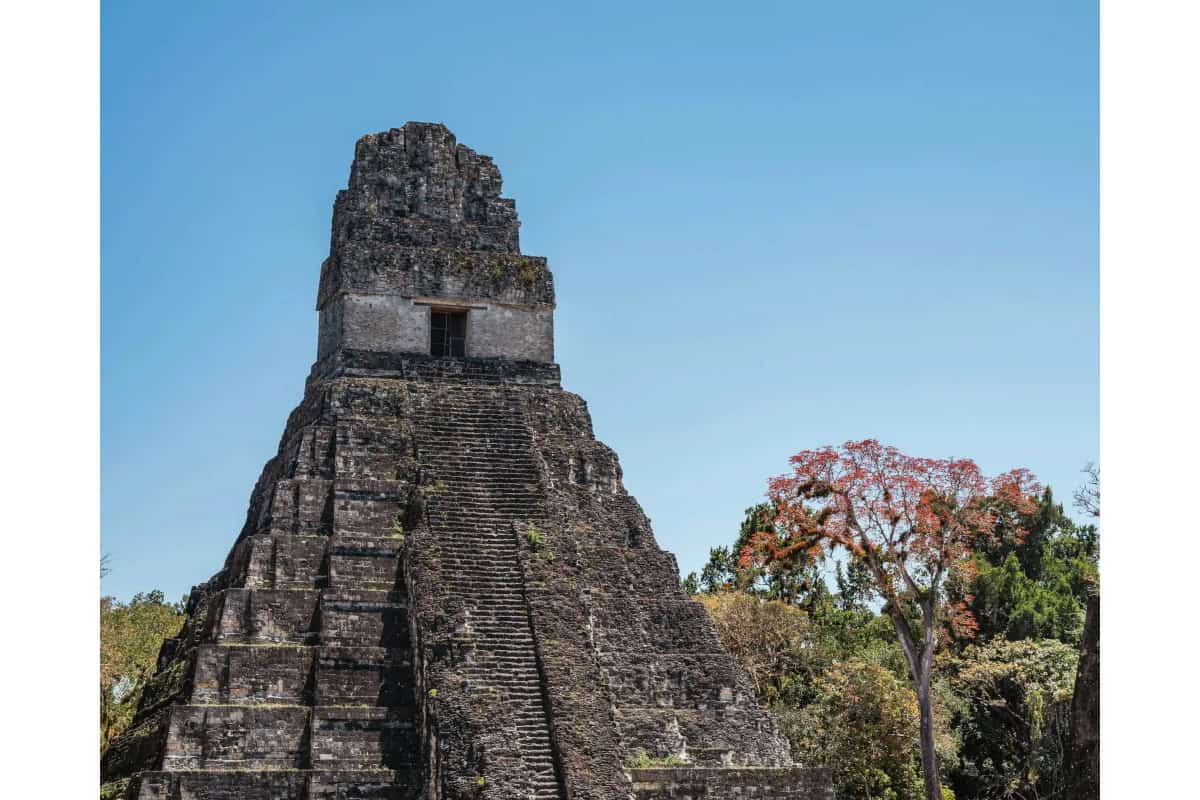
Costa Rica teams up with Guatemala as rising Asian arrivals open new Central America tourism opportunities, with official Costa Rican statistics showing stronger visitor numbers from Japan, the Philippines, China, India and South Korea. The emerging demand remains small compared with the huge North American and intra-regional markets that underpin Central American tourism, but its growth gives destinations another opportunity to promote nature, culture, adventure and multi-destination travel to visitors making long journeys from Asia.
Costa Rica’s latest official visitor data shows arrivals from Asia increasing by 15.5%, with several individual markets recording growth.
Advertisement
Advertisement
Japan and the Philippines are part of that expansion, although other Asian markets are growing even faster.
For Central America, the opportunity is not to replace established source markets. It is to develop a more geographically diverse international visitor base.
Advertisement
Advertisement
Asian Visitor Arrivals Show Encouraging Growth
Official statistics from the Costa Rican Tourism Institute, or ICT, provide measurable evidence of growing Asian demand.
Asian tourist arrivals increased from 24,179 to 27,930, representing growth of 15.5%.
Advertisement
Advertisement
Japan recorded an increase from 4,440 to 4,786 visitors, equivalent to 7.8% growth.
Arrivals from the Philippines increased from 1,247 to 1,328, or 6.5%.
However, these were not the fastest-growing Asian source markets.
China recorded a 29.1% increase, while India grew by 21.9%.
South Korean arrivals increased 8%.
| Asian source market | Earlier figure | Latest figure | Growth |
| China | 7,017 | 9,059 | +29.1% |
| India | 5,056 | 6,165 | +21.9% |
| South Korea | 3,301 | 3,565 | +8.0% |
| Japan | 4,440 | 4,786 | +7.8% |
| Philippines | 1,247 | 1,328 | +6.5% |
| Total Asia | 24,179 | 27,930 | +15.5% |
The figures demonstrate that Asia is becoming a more interesting source region for Costa Rica.
Advertisement
Advertisement
At the same time, the absolute visitor numbers remain relatively modest.
Costa Rica Offers a Natural Entry Point for Asian Travellers
Costa Rica has one of Central America’s most established international tourism brands.
Its national parks, biodiversity, volcanoes, beaches and wildlife provide experiences that differentiate the country from conventional urban destinations.
This can be particularly useful when marketing to long-haul travellers.
Someone flying across the Pacific and North America to reach Central America may want an experience that feels distinctive enough to justify the journey.
Costa Rica can offer several experiences within a relatively compact country, including:
Advertisement
Advertisement
- Rainforest tourism
- Wildlife observation
- Volcanoes
- Pacific and Caribbean beaches
- Surfing
- Wellness experiences
- Hiking and adventure activities
- Sustainable accommodation
- Rural tourism
- Cultural and culinary experiences
The combination gives tourism operators flexibility when designing itineraries for new international markets.
Japan Remains a Small but Growing Market
Japan’s 7.8% increase is encouraging, but the market needs to be understood in scale.
Fewer than 5,000 Japanese visitors were represented in the comparable Costa Rican figures.
That means Japan remains far smaller than Costa Rica’s principal markets in North America and Europe.
The opportunity is therefore long term.
Growth from a relatively small starting point can help destinations diversify, particularly if improved air connections and international partnerships make Central America easier to reach.
Advertisement
Advertisement
For tourism businesses, Japanese travellers can represent an additional market rather than a replacement for established demand.
Philippine Arrivals Are Growing From a Smaller Base
The Philippines represents an even smaller source market.
Costa Rica’s figures show arrivals increasing 6.5%, from 1,247 to 1,328.
That is genuine growth, but it does not yet amount to a large tourism flow.
It would therefore be premature to describe the Philippines as a dominant new market for Central America.
What the data does show is that visitor demand is becoming more geographically diverse.
Advertisement
Advertisement
Travellers are reaching Costa Rica from countries that historically contributed much smaller arrival volumes.
China and India Show Even Stronger Momentum
The wider Asian picture may be more significant than Japan and the Philippines alone.
China recorded the largest percentage increase among the major Asian markets in Costa Rica’s published figures, rising 29.1%.
India followed with 21.9% growth.
Those numbers suggest that Central American tourism planners looking towards Asia may need a broad strategy rather than concentrating on only one or two countries.
China, India, Japan, South Korea and Southeast Asian markets have different travel patterns, connectivity requirements and consumer expectations.
Advertisement
Advertisement
A successful Asia strategy would therefore require market-specific planning.
Guatemala Adds Culture and Maya Heritage
Guatemala can complement Costa Rica’s nature-focused appeal with a strong cultural offering.
The country’s tourism authority, INGUAT, promotes archaeological sites, protected areas and cultural destinations.
Guatemala also forms a central part of the wider Maya region.
INGUAT’s interactive Mundo Maya tourism initiative connects archaeological sites and natural reserves across Guatemala, Belize, western El Salvador and Honduras, as well as parts of southern Mexico.
That creates a genuine foundation for multi-country tourism.
Advertisement
Advertisement
Rather than promoting Central American borders as barriers, tourism organisations can present neighbouring destinations as complementary experiences.
A long-haul visitor could potentially combine Maya heritage with volcanoes, rainforests, wildlife and beaches.
Mundo Maya Creates a Multi-Country Opportunity
The Mundo Maya concept is particularly relevant for travellers arriving from distant markets.
Long-haul visitors may be more willing to combine several countries because of the distance already travelled to reach Central America.
The Maya region crosses modern national borders.
Important archaeological and natural destinations can be found across Guatemala, Belize, El Salvador, Honduras and Mexico.
Advertisement
Advertisement
For international tourism, this creates opportunities for regional itineraries based on shared history and heritage.
Improved transportation, simpler connections and coordinated promotion could make these trips more practical.
Adventure Tourism Gives Central America a Strong Product
Central America also has a natural advantage in adventure tourism.
The region’s geography places a remarkable variety of landscapes within relatively short distances.
Travellers can encounter volcanoes, tropical forests, coral reefs, surf beaches, lakes and mountain landscapes during one journey.
Potential activities include hiking, diving, surfing, rafting, wildlife watching and cycling.
Advertisement
Advertisement
This diversity can help Central America compete for travellers who want active holidays rather than conventional resort stays.
However, there is currently insufficient verified evidence to claim that Japanese and Filipino travellers specifically are driving demand for these activities.
Wellness Offers Another Growth Opportunity
Wellness tourism is another area with potential.
Costa Rica already promotes experiences connected with nature, thermal springs, yoga, spas and retreats.
Other Central American countries can develop wellness tourism around beaches, forests, mountains and culturally distinctive destinations.
The segment can also overlap with sustainable and higher-value tourism.
Advertisement
Advertisement
But again, the distinction between opportunity and demonstrated behaviour is important.
Rising Asian arrivals do not by themselves prove that those travellers are specifically seeking wellness retreats.
Tourism authorities need detailed visitor surveys before making that conclusion.
Regional Cooperation Could Make Long-Haul Travel Easier
One of Central America’s biggest opportunities is cooperation.
For a traveller flying from Asia, visiting only one small Central American country may not always be the most attractive use of a long journey.
A regional itinerary can offer greater variety.
Advertisement
Advertisement
Costa Rica can provide biodiversity and nature tourism. Guatemala can add Maya heritage and historic destinations. Belize offers Caribbean experiences and archaeological attractions. El Salvador provides Pacific surfing and an increasingly visible urban tourism offering.
Packaging these experiences together could strengthen the region’s appeal in distant source markets.
North America and Regional Travel Still Dominate
Despite the encouraging Asian figures, perspective remains essential.
Central America’s tourism industry continues to rely heavily on nearby and established markets.
The United States is a critical source of visitors for many countries.
Regional travel between Central American neighbours also generates substantial visitor movement.
Advertisement
Advertisement
Asian markets remain much smaller.
Their importance lies primarily in diversification and future growth potential.
For tourism authorities, that means developing Asian markets without losing focus on the source regions already generating the majority of visitors.
Conclusion
Costa Rica teams up with Guatemala as rising Asian arrivals open new Central America tourism opportunities because visitor growth from Japan, the Philippines and several larger Asian markets is widening the region’s potential international audience.
Costa Rica’s official statistics show overall Asian arrivals increasing 15.5%, while Japan grew 7.8% and the Philippines 6.5%. China and India recorded even stronger increases of 29.1% and 21.9%, respectively.
The numbers remain small compared with Central America’s dominant North American and regional tourism flows. Yet they provide evidence that Asian demand is moving in a positive direction.
Advertisement
Advertisement
Costa Rica’s biodiversity and adventure experiences, combined with Guatemala’s cultural heritage and the wider multi-country Mundo Maya region, give Central America products that can appeal to long-haul visitors.
What cannot yet be established is that Japanese and Filipino travellers specifically are driving a boom in remote wellness retreats or multi-border adventure trips. Those are promising tourism opportunities rather than verified behavioural trends.
The stronger story is that Central America is beginning to attract a broader Asian visitor base. If destinations improve connectivity and develop coordinated regional itineraries, that emerging demand could become an increasingly valuable part of the region’s international tourism economy.
Advertisement
