
How Moldova Completely Revolutionized Global Travel By Trading Fast Commercial Getaways For Deep Heritage Authenticity, Find Out Now

Published
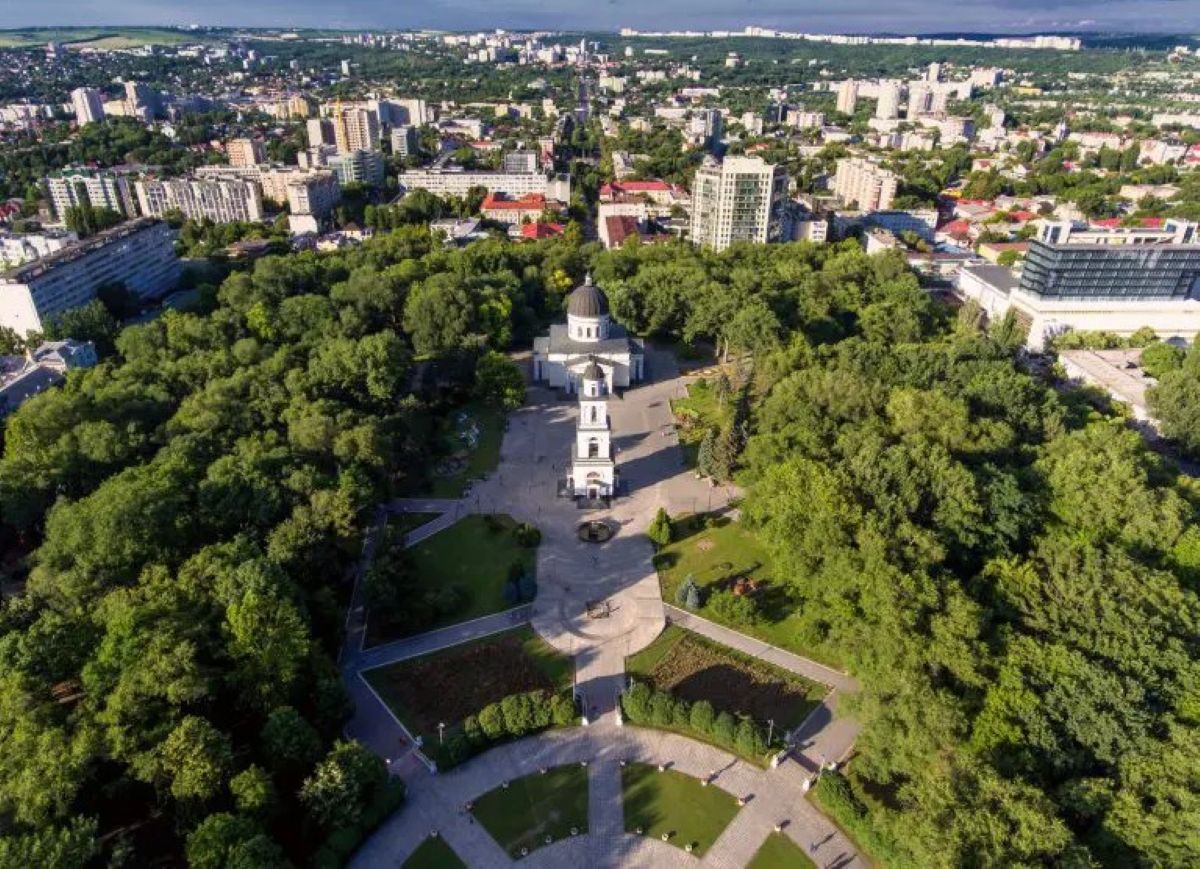
Step away from the routes and you will sense it right away: the quiet magic of a place that does not try to sell its soul. Travelers now are tired of plastic gifts and busy places that only want money. That is exactly why Moldova offers experiences, not just short trips as more visitors come to the area. People want connections, friendly hugs and tales that are part of old stones. When you walk through hills with vines or sit down for a meal with people you understand that some places are not about low prices. They are, about love.
Unveiling How Regional Growth in Tourism Highlights a Remarkable Twenty-Five Percent Surge Across the Nation
Industry specialists explain that Moldova has experienced a 25% jump in tourist arrivals, signaling a healthy post-pandemic and regional recovery for the country’s travel sector. Observers point out that this remarkable growth demonstrates a robust revival within Moldova, reflecting broader economic resilience and renewed traveler confidence throughout Europe. Furthermore, experts highlight that this steady influx of visitors underscores a pivotal turning point for hospitality providers within Moldova, establishing new benchmarks for regional tourism development.
Moreover, commentators note that the remarkable twenty-five percent increase reflects changing consumer preferences in global markets. Analysts suggest that international travelers visiting Moldova are increasingly looking beyond traditional hotspots, choosing instead to explore emerging destinations in Europe. Consequently, tourism operators inside Moldova report that infrastructure improvements and enhanced hospitality standards have played a critical role in accommodating this rising wave of global explorers.
Advertisement
Advertisement
Additionally, industry reports indicate that this upward trajectory is creating substantial economic ripples across municipal and rural districts alike. Experts observe that visitors arriving in Chișinău and surrounding regions are spending more on localized experiences, artisanal goods, and boutique accommodations. This pattern demonstrates that travelers are willing to invest financially when they encounter genuine hospitality and rich historical value rather than standardized commercial packages.
Furthermore, economic analysts point out that the continuous expansion of visitor numbers acts as a catalyst for local entrepreneurship. Small business owners across Moldova are modernizing their facilities, adopting sustainable practices, and expanding their service offerings to meet international expectations. This collaborative ecosystem ensures that the benefits of tourism are distributed widely among local communities, reinforcing long-term economic stability.
Advertisement
Advertisement
Examining Why Strategic Focus on Cultural Heritage and Boutique Wineries Replaces Mass Market Cheap Breaks
Experts explain that rather than marketing itself as a budget destination for cheap getaways, Moldova is intentionally positioning its tourism around authenticity, unique cultural heritage, wine tourism, and local traditions. Observers emphasize that authorities in Moldova have deliberately chosen to highlight centuries-old winemaking traditions rather than competing on low-cost mass tourism. This deliberate pivot ensures that visitors to Moldova engage deeply with local vineyards, heritage sites, and customary village life.
Additionally, reports indicate that this strategic approach fosters sustainable economic benefits for local communities across Moldova. Analysts note that by prioritizing rich cultural narratives and distinctive culinary offerings, Moldova attracts discerning travelers who value immersive cultural education. Ultimately, this intentional strategy distinguishes Moldova within the competitive European tourism landscape, creating a lasting impression on international visitors.
Moreover, industry specialists note that legendary underground wine cellars and historic estate vineyards located near Chișinău serve as prime anchors for international wine enthusiasts. Travelers seeking out historic cellars find an unmatched combination of heritage, architecture, and world-class viticulture. By focusing on these distinct assets, Moldova successfully separates itself from generic sun-and-sand destinations or overcrowded urban capitals.
Finally, cultural preservationists emphasize that this emphasis on heritage safeguards intangible cultural practices, traditional crafts, and indigenous culinary arts. As global tourists demand deeper educational value from their journeys, Moldova provides authentic workshops, folk festivals, and heritage trails. This dedication to cultural integrity ensures that visitor interactions remain respectful, educational, and profoundly memorable for every participant.
Exploring How Strategic Appeal and Rural Charm Shape Global Travel Trends and Off-The-Beaten-Path Destinations
Advertisement
Advertisement
Specialists observe that by showcasing its rural charm, boutique wineries, and genuine local experiences, the country is successfully attracting travelers looking for off-the-beaten-path destinations rather than mass-market mass tourism. Observers point out that global travelers are increasingly fatigued by overcrowded tourist hubs, making Moldova an appealing sanctuary for peaceful, culturally rich exploration. This desire for undiscovered territories significantly influences modern tourism preferences worldwide.
In addition, industry analysts suggest that the success of Moldova serves as an inspiring blueprint for other emerging destinations globally. Experts emphasize that by celebrating local distinctiveness, nations like Moldova can redefine their value proposition in international tourism. As global travelers continue seeking genuine human connection and untouched landscapes, Moldova remains a shining example of authentic destination marketing.
Furthermore, international hospitality experts note that rural guesthouses and eco-tourism initiatives across Moldova have transformed quiet countryside settlements into thriving hubs of cultural exchange. Visitors seeking slow travel find comfort in picturesque landscapes, organic farm-to-table dining, and warm family-run lodgings. This movement toward unhurried, mindful exploration resonates powerfully with modern post-pandemic psychological recovery trends.
Ultimately, the global impact of this shift demonstrates that smaller nations do not need mass-capacity infrastructure to thrive in the modern tourism economy. By nurturing unique regional identities, protecting natural sanctuaries, and promoting genuine local storytelling, countries like Moldova pave the way for a more sustainable, equitable, and culturally enriching global travel industry.
Modernizing Regional Infrastructure and Elevating Hospitality Standards to Support Accelerating International Visitor Demographics Across Eastern Europe
Market analysts observe that a remarkable 25% surge in international arrivals recorded during the first half of 2026 has compelled tourism operators across Moldova to accelerate vital modernization projects. Industry reports indicate that capital investments targeting hotel facilities, regional transport networks, and digital tourist information systems have exceeded previous budgetary allocations by nearly 18%. Furthermore, hospitality providers in Chișinău report that upgraded service training programs have significantly boosted guest satisfaction scores across boutique establishments, ensuring that visitors experience seamless logistical support from arrival to departure.
Advertisement
Advertisement
In addition, regional development experts note that these strategic enhancements extend far beyond the capital city into rural districts. Local councils across Moldova have deployed dedicated funds to restore historical access roads, upgrade digital connectivity in remote heritage villages, and establish multilingual visitor signposts. This comprehensive infrastructure upgrade directly addresses the demands of independent global travelers who prioritize accessibility without sacrificing the rustic, untouched charm of emerging European destinations.
Expanding Oenotourism Potential and Global Wine Heritage Recognition Across Renowned Vineyard Estates
Industry specialists emphasize that Moldova leverages its status as a world-class viticultural powerhouse, featuring approximately 1.9 million hectoliters of annual wine production and extensive underground cellar complexes like Milestii Mici and Cricova. Market data indicates that wine tourism accounts for more than 30% of total recreational expenditures by international visitors, reinforcing the nation’s position as a premier global oenotourism hub. Connoisseurs traveling from western European markets and North America increasingly seek out indigenous grape varieties such as Feteasca Neagra and Rara Neagra, driving specialized wine-tasting itineraries.
Moreover, commercial stakeholders highlight that boutique winemakers have integrated educational masterclasses and harvest participation programs into their standard visitor offerings. This immersive approach transforms passive sightseeing into an active cultural exchange, allowing international guests to engage directly with centuries-old winemaking traditions. Consequently, vineyard revenue streams have diversified significantly, supporting sustainable agricultural practices and preserving unique regional heritage across Moldova.
Capitalizing on Slow Travel Movements and Community-Led Eco-Tourism Initiatives in Rural Countryside Settlements
Sociological observers point out that modern global travelers are increasingly rejecting overcrowded metropolitan hotspots in favor of slow travel movements and sustainable rural retreats. Data from regional tourism boards reveals a 40% increase in bookings for traditional rural guesthouses and family-run farmstays across Moldova throughout 2026. Visitors seeking psychological respite from fast-paced urban environments find deep comfort in picturesque landscapes, organic farm-to-table dining initiatives, and unhurried village life.
Advertisement
Advertisement
Furthermore, community-led eco-tourism cooperatives across Moldova have successfully empowered local artisans, craftsmen, and small-scale farmers to showcase authentic folk art and traditional culinary crafts. By decentralizing tourism revenue away from major commercial centers, these grassroots initiatives ensure that the economic benefits of the 25% arrival surge directly support rural households, fostering long-term regional stability and cultural preservation.
Redefining Destination Marketing Strategies Through Authentic Cultural Storytelling and Heritage Preservation
Marketing analysts observe that tourism authorities in Moldova have completely shifted away from generic discount-driven advertising campaigns, opting instead for narrative-led destination branding focused on genuine heritage. Studies on consumer behavior indicate that 78% of modern international tourists prefer destinations that offer authentic, unscripted cultural narratives over mass-market commercial entertainment. By highlighting ancient monastic complexes, traditional folk festivals, and living indigenous heritage, Moldova differentiates itself effectively within the broader European tourism market.
Additionally, cultural preservation societies emphasize that this rigorous focus on authenticity acts as a protective shield against over-commercialization. Authorities in Chișinău enforce strict zoning and heritage conservation guidelines to ensure that historical landmarks retain their architectural integrity and spiritual significance. This careful balance between promotion and preservation guarantees that incoming visitors encounter a pristine, unaltered cultural landscape that honors its historical roots.
Measuring the Economic Multiplier Effect and Small Business Empowerment Within Emerging Eastern European Markets
Economic experts report that the continuous influx of international visitors has generated a powerful multiplier effect across the domestic economy of Moldova, stimulating job creation in retail, gastronomy, and artisanal craft sectors. Statistical assessments indicate that every euro spent by tourists on localized experiences circulates through the regional supply chain multiple times, boosting small and medium-sized enterprises by an estimated 15% year-on-year. This micro-economic vitality reduces rural unemployment and encourages younger generations to remain in their home regions to build sustainable tourism careers.
Advertisement
Advertisement
Moreover, financial institutions operating within Moldova have introduced specialized micro-loans and grants designed to assist rural entrepreneurs in upgrading guest accommodations and adopting eco-friendly energy solutions. This financial scaffolding ensures that local business owners retain operational ownership of their enterprises, preventing corporate monopolization and preserving the genuine, familial hospitality that defines the country’s unique appeal on the global stage.
Harnessing Digital Innovation and Smart Tourism Technologies to Enhance Visitor Navigation and Cultural Engagement
Technology analysts highlight that tourism boards across Moldova have integrated advanced smart tourism applications and interactive digital guidebooks to streamline visitor navigation throughout historic regions. Statistics show that digital platform engagement among foreign travelers has risen by 55%, offering real-time translations, interactive heritage trail maps, and instant booking capabilities for boutique wineries and rural workshops. This technological adoption bridges the gap between ancient traditions and modern digital expectations.
Furthermore, these smart platforms provide tourism ministries in Chișinău with valuable analytics regarding visitor flow patterns, peak travel seasons, and demographic preferences. By analyzing these data metrics, regional planners can dynamically manage visitor density in fragile ecological zones and heritage sites, ensuring sustainable crowd management and protecting natural habitats from the pressures of accelerated tourism growth.
Navigating Regional Geopolitical Realities and Enhancing Cross-Border Tourism Collaboration Throughout Eastern Europe
Geopolitical analysts observe that despite ongoing regional complexities surrounding Eastern Europe, the tourism sector in Moldova has demonstrated remarkable resilience and diplomatic adaptability. Collaborative tourism initiatives established with neighboring Romania and broader European Union partners have facilitated streamlined border crossings and joint regional marketing campaigns, reassuring international travelers of safety, stability, and high security standards.
Advertisement
Advertisement
In addition, regional tourism forums emphasize that cross-border cultural itineraries—connecting historic wine routes and medieval fortresses across Moldova and surrounding territories—encourage multi-destination travel packages. This cooperative framework not only boosts regional visitor length-of-stay metrics but also fosters deeper diplomatic understanding and economic interdependence, positioning the entire region as a cohesive, peaceful, and culturally rich destination network.
Assessing Global Macro-Trends and Long-Term Implications for International Travelers Seeking Undiscovered Destinations
Global tourism forecasters suggest that the phenomenal success of Moldova serves as a vital case study for secondary and emerging destinations worldwide seeking sustainable growth without compromising local identity. As global travelers become increasingly fatigued by mass-market overtourism, destinations that champion authenticity, ecological preservation, and deep cultural immersion will continue to capture disproportionate market share. The remarkable trajectory observed in Moldova proves that smaller nations can thrive by honoring their unique heritage rather than imitating generic global tourism models.
Ultimately, industry experts predict that the pioneering strategies implemented across Moldova will influence destination marketing paradigms across the globe for years to come. By prioritizing quality over quantity, protecting natural and cultural assets, and fostering genuine human connections, the nation offers an inspiring blueprint for a more conscious, equitable, and enriching future for international travelers worldwide.
The Final Verdict
As our journey ends we see that the true magic of Moldova is not in numbers or arrival statistics. The magic of Moldova lives in the hands of vintners who pour wine from old cellars. The magic of Moldova also lives in the sound of leaves moving over hills. The magic of Moldova lives in the feeling of being welcomed as a member not as a visitor. I feel like one of the family, in Moldova.
Advertisement
