
Bristol Airport Renews Top Carbon Status as 2030 Net-Zero Target Advances

Published
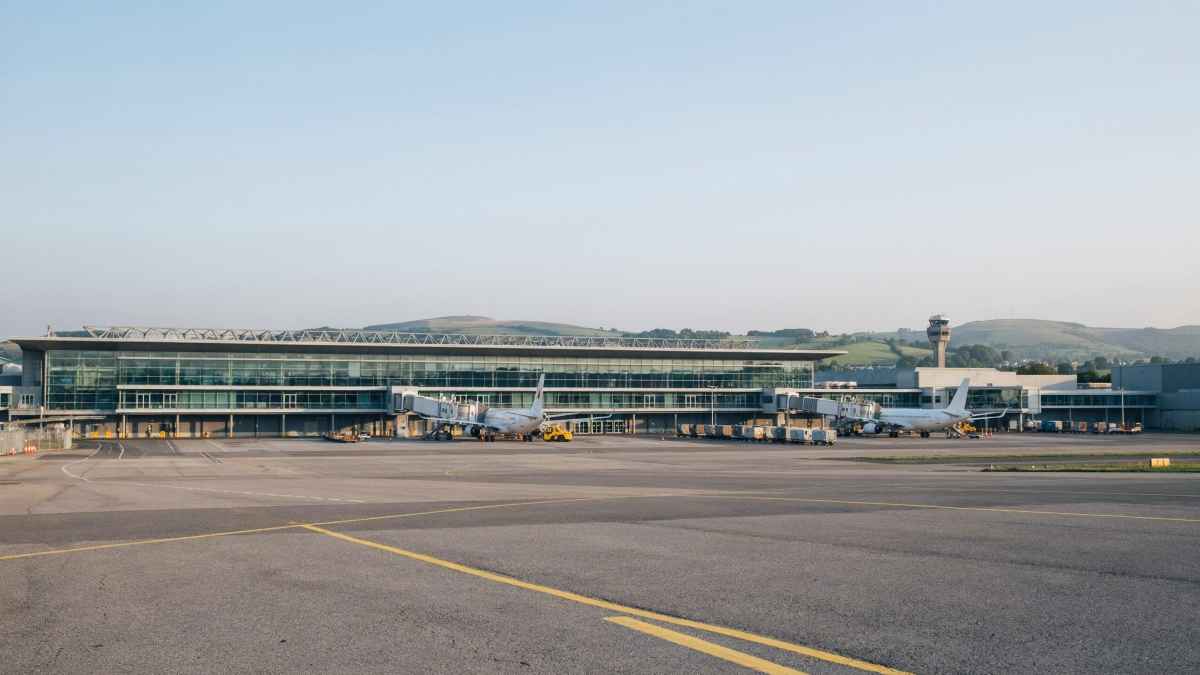
The city of Bristol, United Kingdom, is once again at the forefront of the sustainability movement as Bristol Airport continues its Level 4+ Airport Carbon Accreditation, thus cementing its place among airports that aspire to lower carbon emissions. This accreditation has been awarded to the airport since October 1, 2026. It also bolsters Bristol Airport’s vision of attaining net-zero airport operations by 2030. Bristol Airport was the first regional airport in the United Kingdom to be accredited to Level 4+. The latest accreditation marks the continued efforts of the airport in reducing emissions of the airport operations, engaging with its partners throughout the value chain and taking measures in relation to buildings, vehicles and airport activities. For Bristol tourism and regional travel, the developments have environmental importance to the airport as a gateway to South West England and South Wales.
Terminal Energy Use Becomes a Major Focus
A major part of Bristol Airport’s current decarbonisation programme is its terminal energy infrastructure.
In March 2026, the airport announced a £10 million energy centre designed to remove gas boilers from the terminal. The project uses 22 air-source heat pumps and an electric boiler to provide lower-carbon heating and cooling for the main terminal buildings and extensions.
The airport estimates that the project will save approximately 625 tonnes of CO2e each year. Gas currently accounts for 45% of the airport’s Scope 1 emissions and around 17% of its combined Scope 1 and Scope 2 operational footprint.
Advertisement
Advertisement
The energy centre forms part of a wider building-decarbonisation programme supporting the airport’s 2030 operational target.
New Energy Centre Supports Airport Sustainability
The new energy centre was delivered during 2026 as part of Bristol Airport’s wider sustainability investment. It is designed to provide more efficient and resilient energy infrastructure while reducing carbon emissions associated with airport buildings.
Advertisement
Advertisement
Bristol Airport has also been developing renewable-energy capacity. Its sustainability reporting records a 1.4MW solar farm, which began operating in 2024 and generated more than 1.3 million kilowatt-hours during its first year. The airport also entered a virtual Corporate Power Purchase Agreement covering a significant proportion of its electricity requirements.
These measures are relevant to travellers because terminal buildings, passenger facilities and ground operations form part of the airport’s direct operational footprint, separate from emissions produced by aircraft in flight.
Electric Buses Change Airport Ground Transport
Ground transport is another part of Bristol Airport’s sustainability programme.
In July 2026, Bristol Airport and First Bus introduced a fully electric fleet for the A1 and A3 Airport Flyer services, connecting the airport with Bristol and surrounding areas.
Almost 1.4 million passengers and airport staff used the Flyer services during the previous year. The airport estimates that the electric buses will save more than 1,300 tonnes of CO2e annually by removing tailpipe emissions.
The A3 service, which operates through destinations including Worle, Congresbury and Cleeve, had also recorded a 36% increase in passenger numbers following improvements to its frequency.
Advertisement
Advertisement
For visitors arriving at Bristol Airport, the electric Flyer services provide a lower-emission public-transport option for reaching Bristol and nearby communities.
Bristol Airport Links Sustainability With Regional Travel
Bristol Airport describes itself as England’s third-largest regional airport and an international gateway for South West England and South Wales. It has planning permission to handle up to 12 million passengers a year.
Its sustainability programme therefore has relevance beyond the airport boundary. Bristol, Bath, Somerset, North Somerset and wider South West destinations depend on transport links connecting visitors with accommodation, attractions and businesses.
The airport has also completed a public transport interchange, following an investment of more than £60 million, while additional cycling and walking facilities are being developed.
Innovation Programme Targets Wider Aviation Emissions
Bristol Airport has also been backing projects that aim at tackling emissions outside its operations. The Aviation Carbon Transition Programme finances projects that tackle Scope 3 emissions linked to aviation and surface transportation. Three projects were backed in 2026 and include projects to study hydrogen-electric flights, direct air capture and low-height wind power. The airport has also been backing UK government-backed projects related to zero-emission flight technology. The renewal of the Level 4+ accreditation thus becomes part of a wider programme that deals with terminal energy use, transport, renewable energy and aviation innovations. Travellers who use Bristol as their gateway to the South West region will notice a gradual transformation of the airport’s management of its facilities, transportation and environmental impact through efforts to become operational net-zero by 2030.
Advertisement
