
Denmark Stands Alongside United States and More Among 163 Visa Free Travel Countries Boosting Philippines Tourism

Updated
Published
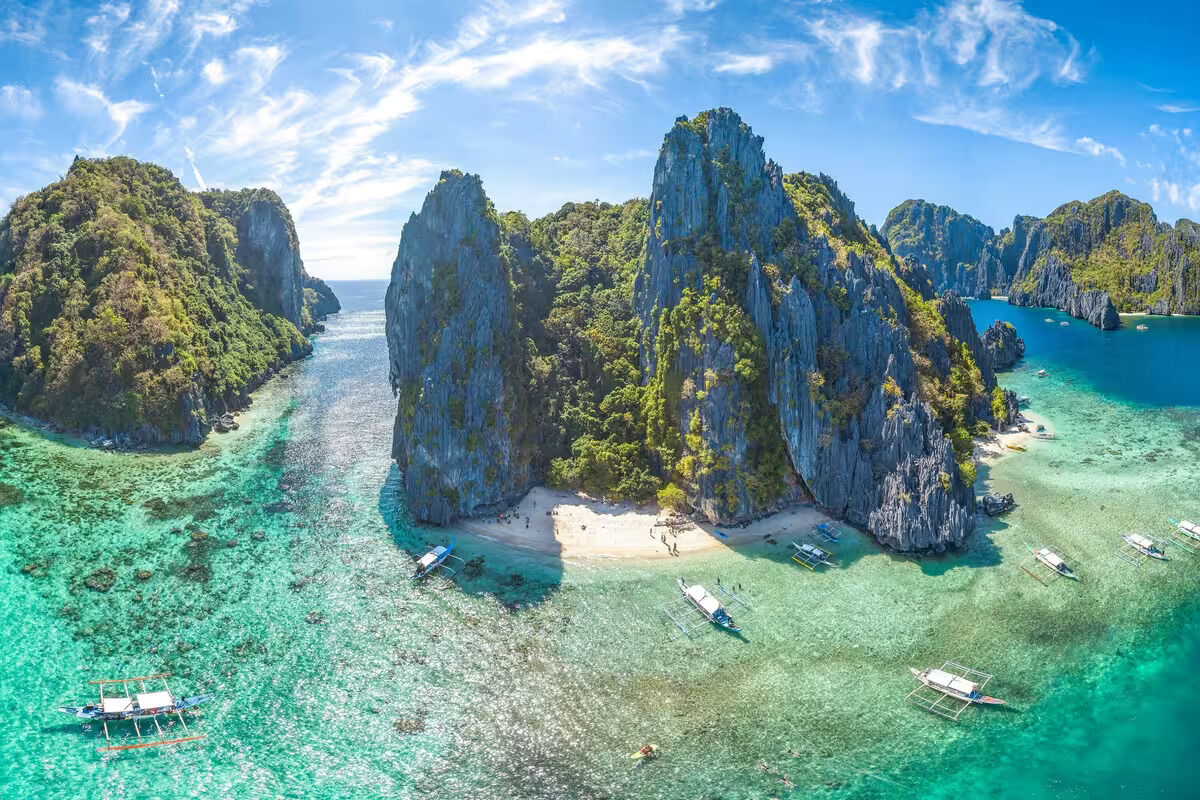
Denmark, along with United States and other countries, is among the 163 nations that allow visa-free travel, opening up new tourism possibilities for Philippines. This is good news for residents of this country, as it will attract more visitors from major European, American, Asian, Oceanic, and other markets. It should also help increase the number of tourists staying at local hotels and resorts, as well as generate additional revenue for airlines, catering companies, entertainment venues, and other tourism-related businesses. With more and more countries granting visa-free entry to the Filipinos, the number of visitors to the country is expected to rise significantly in 2026, helping to diversify the flow of tourism-bound travelers across the capital and the country’s many island destinations.
Philippines Tourism Tops 4.4 Million Visitors
The Philippines welcomed more than 4.4 million inbound visitors from January to August 2026, including around 4.11 million foreign tourists, up 3.7% year on year, as the country moved closer to its full-year target of about 6.7 million arrivals. The United States was the leading source market with 818,318 visitors, followed by South Korea with 727,379, Japan with 350,191, China with 310,088, Australia with 234,156 and Canada with 231,972, while Taiwan, the United Kingdom, Singapore and India also contributed strongly. To sustain this momentum, Philippine tourism authorities are focusing on easier visa access for major markets such as China and India, stronger charter and direct air connectivity, renewed promotion under the “Love the Philippines” campaign, and greater emphasis on high-value segments including MICE and medical tourism.
Philippines Economy Reaches US$512 Billion in 2026 Amid Slower Growth
The Philippines is projected to record a nominal GDP of about US$512.22 billion in 2026, equivalent to roughly ₱30.22 trillion, with GDP per capita estimated at around US$4,443. However, the country’s growth outlook has weakened as major institutions cut their forecasts amid inflationary pressure, softer domestic demand and global uncertainty. Current projections place real GDP growth at around 3.3% to 3.7%, below the government’s 3.5% to 4.5% target range. Inflation is expected to remain elevated at roughly 5.6% to 5.8%, while slower public construction and weaker investment continue to weigh on activity. At the same time, overseas remittances and IT-BPM service exports remain important economic supports, although higher global energy prices, a weaker peso and rising import costs continue to create significant headwinds for the Philippine economy.
Philippines Unlocks Easier Global Travel with Visa-Free Access to 163 Countries
| S.No. | Country / Territory | S.No. | Country / Territory | S.No. | Country / Territory |
|---|---|---|---|---|---|
| 1 | Finland | 2 | France | 3 | Germany |
| 4 | Italy | 5 | Luxembourg | 6 | Netherlands |
| 7 | Norway | 8 | Spain | 9 | Switzerland |
| 10 | Singapore | 11 | Ireland | 12 | Malta |
| 13 | United Kingdom | 14 | Austria | 15 | Greece |
| 16 | Portugal | 17 | New Zealand | 18 | Iceland |
| 19 | Liechtenstein | 20 | Monaco | 21 | Chile |
| 22 | Hungary | 23 | Poland | 24 | Croatia |
| 25 | Slovakia | 26 | Slovenia | 27 | Latvia |
| 28 | Estonia | 29 | San Marino | 30 | Australia |
| 31 | Canada | 32 | Brunei | 33 | Taiwan |
| 34 | Czechia | 35 | Lithuania | 36 | United States |
| 37 | Qatar | 38 | Israel | 39 | United Arab Emirates |
| 40 | Bulgaria | 41 | Romania | 42 | Malaysia |
| 43 | Cyprus | 44 | Argentina | 45 | Barbados |
| 46 | Uruguay | 47 | Brazil | 48 | The Bahamas |
| 49 | Palau Islands | 50 | Peru | 51 | Marshall Islands |
| 52 | Micronesia | 53 | Mauritius | 54 | Seychelles |
| 55 | Grenada | 56 | Antigua and Barbuda | 57 | Hong Kong |
| 58 | Dominica | 59 | Solomon Islands | 60 | Macao |
| 61 | Panama | 62 | Paraguay | 63 | Costa Rica |
| 64 | Mexico | 65 | Vatican City | 66 | Guatemala |
| 67 | St. Vincent and the Grenadines | 68 | Russian Federation | 69 | St. Kitts and Nevis |
| 70 | El Salvador | 71 | Thailand | 72 | Maldives |
| 73 | Honduras | 74 | Colombia | 75 | Oman |
| 76 | Saudi Arabia | 77 | Suriname | 78 | Ecuador |
| 79 | Kazakhstan | 80 | Samoa | 81 | Trinidad and Tobago |
| 82 | Venezuela | 83 | Kuwait | 84 | Bahrain |
| 85 | Nicaragua | 86 | St. Lucia | 87 | Fiji |
| 88 | China | 89 | Tuvalu | 90 | Kiribati |
| 91 | Uzbekistan | 92 | Türkiye | 93 | Belize |
| 94 | Dominican Republic | 95 | Guyana | 96 | Jamaica |
| 97 | South Africa | 98 | Indonesia | 99 | Mongolia |
| 100 | Tunisia | 101 | Bolivia | 102 | Papua New Guinea |
| 103 | Morocco | 104 | Botswana | 105 | Lesotho |
| 106 | Namibia | 107 | Kyrgyzstan | 108 | Bhutan |
| 109 | Vanuatu | 110 | Laos | 111 | Haiti |
| 112 | India | 113 | Myanmar | 114 | Cape Verde Islands |
| 115 | eSwatini | 116 | Tajikistan | 117 | Nepal |
| 118 | Cambodia | 119 | Tanzania | 120 | Vietnam |
| 121 | Kenya | 122 | Mozambique | 123 | Rwanda |
| 124 | São Tomé and Príncipe | 125 | Malawi | 126 | Benin |
| 127 | Madagascar | 128 | Gabon | 129 | Zimbabwe |
| 130 | Zambia | 131 | Guinea | 132 | Mauritania |
| 133 | Comoro Islands | 134 | Chad | 135 | Uganda |
| 136 | Togo | 137 | Burkina Faso | 138 | Niger |
| 139 | Senegal | 140 | Ghana | 141 | South Korea |
| 142 | Japan | 143 | Andorra | 144 | Sweden |
| 145 | Belgium | 146 | Denmark | 147 | The Gambia |
| 148 | Equatorial Guinea | 149 | Mali | 150 | Côte d’Ivoire |
| 151 | Angola | 152 | Djibouti | 153 | Ethiopia |
| 154 | Liberia | 155 | Congo (Rep.) | 156 | Guinea-Bissau |
| 157 | Central African Republic | 158 | Burundi | 159 | Cameroon |
| 160 | Congo (Dem. Rep.) | 161 | South Sudan | 162 | Turkmenistan |
| 163 | Eritrea |
TTW Founder and Editor-in-Chief, Mr. Anup Kumar Keshan, Says: “Denmark, the United States and other nations among the 163 visa-free travel countries give the Philippines a strong advantage in attracting international visitors. This wide visa-free access can make travel easier, encourage more holidays, business trips and short stays, and support stronger demand for airlines, hotels, resorts and local attractions. Sustained tourism growth, however, will also depend on better air connectivity, efficient airports, competitive travel costs, reliable infrastructure and stronger destination promotion across the Philippine archipelago.”
Advertisement
Advertisement
Top Five Airlines in Philippines:

- Philippine Airlines – The national flag carrier of the Philippines and one of the country’s best-known airlines. It operates a broad network of domestic and international routes, connecting Manila, Cebu and other Philippine cities with destinations across Asia, North America, the Middle East and Oceania. The airline plays a major role in supporting inbound tourism, business travel and overseas Filipino traffic.
- Cebu Pacific – One of the Philippines’ largest low-cost carriers, known for its extensive domestic network and growing international presence. It connects major tourism destinations such as Manila, Cebu, Davao, Boracay, Palawan and Siargao, while also operating services to several cities across East Asia, Southeast Asia, the Middle East and Australia.
- AirAsia Philippines – A Philippine low-cost airline operating within the wider AirAsia network. It serves domestic routes and international destinations, particularly across Southeast and East Asia. Its affordable fare model helps stimulate leisure demand and provides travellers with additional access to popular Philippine destinations through Manila and other gateways.
- Sunlight Air – A Philippine leisure-focused carrier serving several island and secondary destinations. Its network includes routes to places such as Cebu, Clark, Coron, Siargao, Siquijor and Romblon, helping improve air access to destinations that are important for beach, nature and island tourism.
- Cebgo – A regional airline affiliated with Cebu Pacific that mainly operates shorter domestic services using turboprop aircraft. It supports connectivity between larger Philippine gateways and smaller regional airports, giving travellers easier access to provincial and island destinations that may not support larger jet operations.
| Airline / Group | Latest 2026 Revenue Available | Reporting Period | Notes |
|---|---|---|---|
| Philippine Airlines / PAL Holdings | PHP 103.81 billion | Jan–Jun 2026 | PAL Holdings reported consolidated gross revenue of PHP 103.81 billion for the first half of 2026, up from PHP 93.34 billion in the same period of 2025. |
| Cebu Pacific / Cebu Air | PHP 68.56 billion | Jan–Jun 2026 | Cebu Air reported gross revenue of PHP 68.56 billion for the first six months of 2026, compared with PHP 63.33 billion a year earlier. |
| AirAsia Philippines | Not separately disclosed | Jan–Jun 2026 | AirAsia Philippines is included within AirAsia Group’s consolidated results. AirAsia Group reported RM5.1 billion revenue in Q2 2026, but did not publicly break out a standalone Philippine revenue figure in the cited official results. |
| Sunlight Air | Not publicly disclosed | 2026 | Sunlight Air is privately held and does not publish detailed quarterly revenue comparable with listed airlines. |
| Cebgo | Not separately disclosed | Jan–Jun 2026 | Cebgo operates within the Cebu Pacific group, so its revenue is consolidated into Cebu Air’s PHP 68.56 billion first-half result rather than reported separately. |
Top Five Airports in Philippines:

- Ninoy Aquino International Airport (MNL) – Located in Metro Manila, Ninoy Aquino International Airport is the Philippines’ principal international gateway and one of the most important aviation hubs in Southeast Asia. It handles a large share of the country’s international and domestic passenger traffic and serves as a major base for Philippine Airlines, Cebu Pacific and other carriers. Its extensive network connects Manila with key cities across Asia, the Middle East, North America and Oceania, making it central to the country’s tourism, business and overseas travel flows.
- Mactan-Cebu International Airport (CEB) – Serving Cebu and the wider Central Visayas region, Mactan-Cebu International Airport is one of the Philippines’ busiest airports and a major alternative gateway to Manila. It provides direct access to popular tourism destinations across Cebu, Bohol and neighbouring islands. The airport handles a mix of domestic and international services and plays an important role in supporting leisure tourism, resort travel, business activity and regional connectivity across the central Philippines.
- Clark International Airport (CRK) – Situated in Pampanga, north of Metro Manila, Clark International Airport has become an increasingly significant gateway for travellers from Central and Northern Luzon. It offers domestic and international services and helps reduce pressure on Manila’s main airport system. Clark’s location near major highways, economic zones and tourism areas strengthens its role in supporting both business and leisure travel, while expanding air access for travellers who prefer to avoid travelling through central Manila.
- Francisco Bangoy International Airport (DVO) – Commonly known as Davao International Airport, this airport is the primary aviation gateway to Davao City and much of Mindanao. It connects Davao with major Philippine cities and selected international destinations, supporting tourism, trade and regional business activity. The airport is particularly important for travellers heading to destinations across southern Mindanao and contributes to the region’s growing tourism economy by providing faster access to urban, nature and cultural attractions.
- Iloilo International Airport (ILO) – Located in Iloilo Province, this airport serves Iloilo City and Western Visayas and is an important domestic gateway for business and leisure travellers. It connects the region with Manila, Cebu and other major Philippine cities, helping support tourism flows to Iloilo and nearby destinations. Its role is especially important for regional tourism development, as it improves access to cultural attractions, heritage sites, food tourism and island destinations across Western Visayas.
| Airport | 2026 Passenger Traffic Available | Period / Status |
|---|---|---|
| Ninoy Aquino International Airport (MNL) | 4.96 million | January 2026 |
| Mactan-Cebu International Airport (CEB) | about 1.3 million | January 2026 |
| Clark International Airport (CRK) | Latest complete published total remains 2.75 million in 2025 | No comparable 2026 YTD passenger total officially published yet |
| Davao International Airport (DVO) | 2026 total not yet publicly confirmed in comparable official reporting | Awaiting updated CAAP traffic release |
| Iloilo International Airport (ILO) | 2026 total not yet publicly confirmed in comparable official reporting | Awaiting updated CAAP traffic release |
Five Notable Hotels and resorts in Philippines are:

- The Peninsula Manila – Located in Makati, Metro Manila, this luxury hotel is one of the country’s best-known high-end properties. It serves business travellers, international visitors and luxury leisure guests, with extensive dining, meeting and hospitality facilities in the heart of Manila’s commercial district.
- Shangri-La The Fort, Manila – Situated in Bonifacio Global City, Taguig, this premium urban hotel combines accommodation, dining, wellness and event facilities. Its location in one of Metro Manila’s major business and lifestyle districts makes it popular with corporate travellers and upscale tourists.
- Okada Manila – Located in Entertainment City, Parañaque, Okada Manila is a large integrated resort offering luxury rooms and suites, restaurants, entertainment, wellness facilities and extensive event space. It is a major part of Manila’s resort and entertainment tourism sector.
- Shangri-La Boracay – Set on Boracay Island, this luxury beachfront resort provides access to secluded beaches, villas, swimming pools, restaurants and recreational facilities. It caters strongly to international leisure travellers, honeymooners and visitors seeking premium island experiences.
- Crimson Resort and Spa Mactan – Located on Mactan Island in Cebu, this luxury resort features beachfront accommodation, villas, restaurants, spa facilities and leisure activities. Its proximity to Mactan-Cebu International Airport makes it an important property for Cebu’s international and domestic resort tourism market.
Philippines City Guide:
The Philippines is a vibrant Southeast Asian archipelago known for its striking natural beauty, rich culture and energetic cities. Its landscape ranges from green rice terraces and tropical beaches to volcanic mountains, dense forests and thousands of islands surrounded by clear blue waters. Busy urban centres are filled with colourful jeepneys, lively markets and modern districts, while rural areas preserve traditional farming communities and local customs. The country is also home to distinctive wildlife, including tiny tarsiers and native water buffalo known as carabaos. Alongside its scenery and biodiversity, the Philippines is widely recognised for its welcoming communities, strong family traditions, colourful festivals and relaxed island lifestyle.
Top Tourist Attractions in Philippines:

1. Ayala Museum
Located in Makati, Metro Manila, the Ayala Museum offers an engaging look at Philippine history, culture and art through carefully designed exhibitions. One of its best-known features is a collection of 60 detailed dioramas that presents major moments from the country’s past in an accessible and visual way. The museum also showcases traditional textiles, pre-colonial gold objects and works by prominent Filipino artists. Its collections make it particularly valuable for travellers who want to understand the country beyond its beaches and islands. The museum has undergone major renovation work in recent years, giving visitors a more modern and immersive cultural experience.
Advertisement
Advertisement
2. Coron Island
Coron Island, near Coron town in Palawan, is known for its dramatic limestone formations, dense greenery and clear inland lakes. The island forms part of the ancestral domain of the Tagbanua people, who continue to protect much of its natural environment and cultural heritage. Popular visitor sites include Kayangan Lake, famous for its transparent water and steep limestone surroundings, and Barracuda Lake, which attracts divers because of its unusual layers of fresh, salt and brackish water. Other highlights include Twin Lagoon and Banol Beach. Access is carefully managed, making responsible tourism especially important when visiting this fragile island landscape.
3. Fort Santiago
Fort Santiago, located within Manila’s historic Intramuros district, is one of the country’s most important heritage attractions. The fortress stands near the entrance to the Pasig River and features landscaped gardens, plazas, fountains and preserved Spanish-era structures. Inside the complex is the Rizal Shrine, dedicated to national hero Dr José Rizal, who was imprisoned at the fort before his execution in 1896. Visitors can see displays connected with his life, a reconstruction of his cell and other historical exhibits. Brass footprints laid into the ground symbolically trace his final journey, giving the site deep historical and emotional significance.
Advertisement
Advertisement
4. Kawasan Falls
Located in Badian, Cebu, around 17 kilometres south of Moalboal, Kawasan Falls is one of the Philippines’ most recognisable natural attractions. The site consists of several waterfalls surrounded by tropical vegetation, with the largest dropping into a striking blue-green pool. Although the main area can become busy, quieter sections can be found farther along the trail. The falls are popular for swimming, nature excursions and adventure activities, particularly canyoneering in the surrounding river system. Easy road access from Moalboal has helped make Kawasan a major stop for travellers exploring southern Cebu, while its scenery continues to attract both domestic and international visitors.
5. Lumiang Burial Cave
Lumiang Burial Cave, near Sagada in Mountain Province, is an important cultural and historical site associated with the burial traditions of local indigenous communities. More than 100 wooden coffins can be seen near the cave entrance, with some believed to be several centuries old. Many feature carved symbols, including lizard designs associated with long life and fertility. The surrounding caves also reflect long-standing animist traditions that remain culturally significant in the region. Lumiang is also the starting point for the challenging Cave Connection route, making it both a heritage attraction and an adventure destination for visitors exploring the mountainous landscapes of northern Luzon.
Advertisement
