
Michigan Travel Guides Reveal How Saugatuck And Holland Airbnb Rental Caps Will Reshape Future Shoreline Beach Vacations Forever

Published
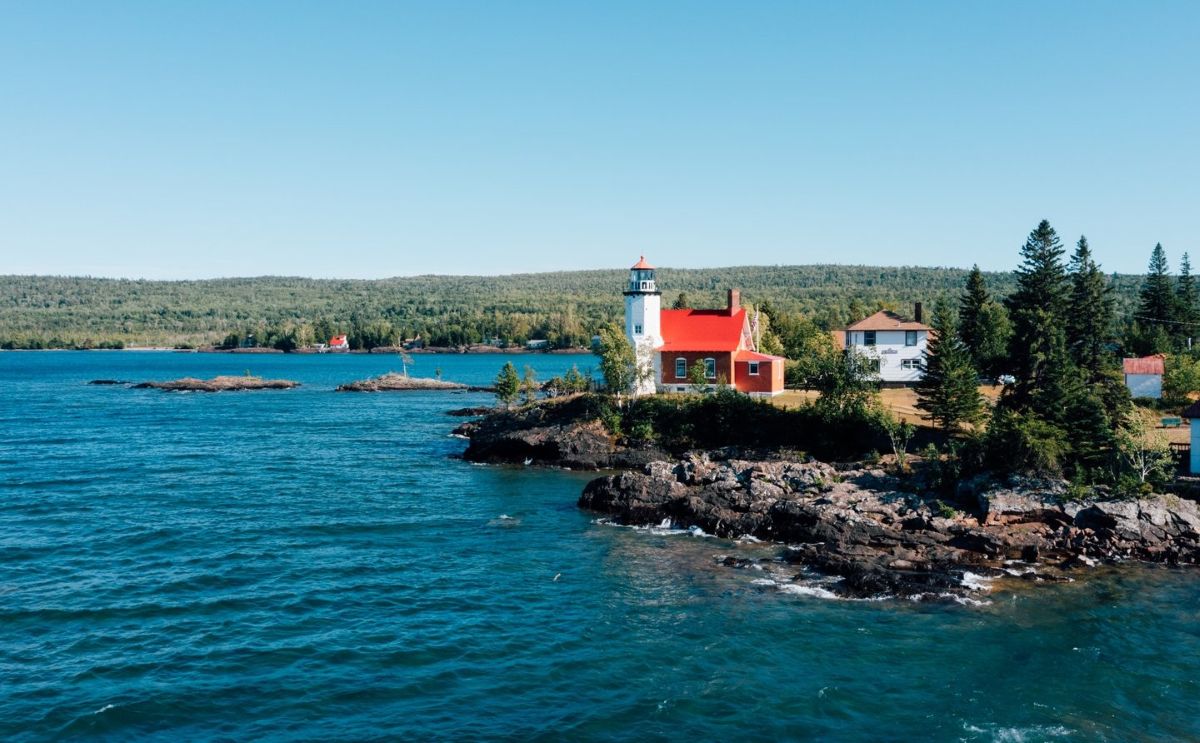
Image Credit puremichigan
There is a special feeling you get from watching the sunset on Lake Michigan. The sun is setting, but you are waiting for something that is not quite finished; waiting for the setting to break. You feel like the rest of the world is waiting for you to finish what you are doing and can relax. This special feeling is enhanced by the cool lake air and the view of Lake Michigan’s endless sand dunes. The view of the cocktail soft sand at Oval Beach, along with the setting red Holland Harbor lights, is an add on reason loved ones think they will never leave. This is a feeling many locals love, and therefore local governments must come up with ways to manage this popular thing. Local governments know the best way for people to enjoy all that a beach vacation has to offer and the natural beauty of Lake Michigan’s Signature Sand Dunes is to visit it in a way that preserves and limits the impact on the natural beauty.
How Will Municipal Zoning Caps Impact Airbnb Inventory Near Oval Beach in Saugatuck?
Oval Beach in Saugatuck remains a crown jewel of the Midwest, celebrated for its towering freshwater dunes and sweeping views of Lake Michigan. Visitors routinely cross the Kalamazoo River via the historic hand-cranked Saugatuck Chain Ferry to access these unspoiled shores. Managing vehicle flow requires paid daily parking passes issued directly by municipal authorities. The surrounding residential streets retain an idyllic, quiet charm due to careful civic planning and long-standing architectural preservation efforts.
Advertisement
Advertisement
To preserve neighborhood integrity, the City of Saugatuck strictly limits single-family short-term rental licenses across residential districts. Between 2027 and 2034, private Airbnb inventory near Oval Beach will face heavy regulatory constraints, preventing sudden over-saturation in historic quarters. Consequently, real estate investors are pivoting toward downtown commercial zone developments and adjacent Saugatuck Township properties. This regulatory balance ensures the coastal landscape remains protected while routing seasonal visitor surges through structured commercial lodging hubs.
Why Are Short-Term Rental Bans Restricting Private Lodging Options Around Holland State Park Beach?
Advertisement
Advertisement
Holland State Park Beach in Holland is famous for its vast expanses of sugar-white sand straddling Lake Michigan and Lake Macatawa. The coastline provides iconic vistas of the bright red historic Holland Harbor Light, affectionately known to locals as “Big Red.” Visitors must display a valid Michigan DNR Recreation Passport for vehicle access to the grounds. The surrounding community prioritises high-density public recreation alongside environmental stewardship.
Civic authorities around Holland State Park enforce some of the strict lodging rules along the entire shoreline. The City of Holland caps non-owner-occupied vacation rentals at just 25 properties citywide, while Holland Charter Township bans residential rentals under 14 days. These strict bans mean private Airbnb inventory will remain heavily blocked through 2034. Overnight guests must instead rely on state-managed DNR camper cabins or primary residence rentals located deeper within city boundaries.
Advertisement
Advertisement
What Role Does Downtown Commercial Redevelopment Play in St. Joseph’s Silver Beach STR Market?
Silver Beach County Park in St. Joseph offers expansive sandy shores located right at the mouth of the St. Joseph River. Managed directly by the Berrien County Parks Commission, the site features a wide boardwalk, public amenities, and the popular Whirlpool Compass Fountain. Entry is governed by daily or seasonal vehicular parking passes. The adjacent town center sits on a elevated bluff overlooking the lakefront.
The municipal government of St. Joseph enforces distinct zoning boundaries to isolate quiet residential neighborhoods from high-density commercial corridors. Between 2027 and 2034, new vacation rental permissions will be restricted almost exclusively to downtown mixed-use commercial buildings. This policy protects local housing stock while encouraging the redevelopment of historic upper-floor commercial spaces. Visitors will increasingly stay in boutique downtown apartments located within walking distance of the shoreline.
How Are Public State Park Lodges Filling the Vacation Rental Void at Grand Haven State Park Beach?
Advertisement
Advertisement
Grand Haven State Park Beach encompasses 48 acres of pure beach sand positioned at the scenic junction of Lake Michigan and the Grand River. Operating under the Michigan DNR, the park requires a standard Recreation Passport for vehicular access. Its iconic pierhead lighthouses and waterfront RV campsites draw massive summer crowds. The surrounding city balances intense seasonal traffic with permanent community living.
To prevent neighborhood displacement, the City of Grand Haven enforces strict geographic buffer limits and mandatory safety registrations for short-term rentals. With private residential Airbnb expansions capped through 2034, public infrastructure is stepping in to absorb large travel groups. The official Grand Haven State Park Lodge, managed by the state, offers direct beachside accommodations. Public lodging investments are effectively offsetting the tight caps placed on private neighbourhood vacation homes.
How Is the Michigan DNR Expanding Alternative Lodging Solutions Near Ludington State Park Beach?
Ludington State Park Beach spans over 5,300 acres nestled between the waters of Lake Michigan and Hamlin Lake. Home to the historic Big Sable Point Lighthouse, the area features extensive trail networks traversing delicate sand dunes. Access to the park grounds is regulated through the state’s Recreation Passport program. The surrounding landscape represents one of the most ecologically sensitive coastal zones in the region.
Mason County and Hamlin Township enforce strict land-use permits to limit large-scale private vacation rental developments along the shoreline. Between 2027 and 2034, private STR growth will be confined largely to designated Hamlin Lake residential zones. Meanwhile, the Michigan DNR is expanding eco-friendly mini-cabins—such as the Beechwood, Cedar, and Pines units—within the park itself. These state-managed options provide sustainable accommodations without compromising delicate coastal habitats.
How Does Lake Michigan’s Coastal Tourism Drive the State’s £43 Billion Economic Engine?
Advertisement
Advertisement
The surging influx of holidaymakers along the Lake Michigan coastline serves as a primary catalyst for the state’s broader fiscal health and stability. Travel and leisure activities generate an astonishing £43 billion ($54.8 billion) in total annual economic output across the state, bringing in over £24 billion ($30.7 billion) in direct visitor expenditure and sustaining roughly 351,292 regional positions—representing one out of every 17 jobs state-wide. Local accommodation assessments and municipal lodging levies collected from beachfront visitors directly funnel funding into essential public infrastructure projects. High-density shoreline communities rely heavily on this revenue stream to maintain public access areas, upgrade emergency response facilities, and conduct crucial seasonal maintenance across popular destinations such as St. Joseph and Grand Haven.
Beyond immediate public services, visitor spending creates a powerful multiplier effect throughout municipal retail and hospitality sectors. Reinvested municipal lodging funds enable coastal local authorities to preserve public beachfront access and restore historic timber boardwalks without placing an excessive tax burden on year-round residents.
What Critical Environmental Measures Protect the World’s Largest Freshwater Dune Systems at Oval Beach and Ludington?
Michigan’s western shoreline boasts over 275,000 acres of delicate sand dune ecosystems, forming the largest coastal freshwater dune complex anywhere on Earth. Recognizing their ecological vulnerability, state authorities strictly safeguard over 74,000 acres of these landforms under Part 353 of the Natural Resources and Environmental Protection Act, commonly known as the Sand Dune Protection and Management legislation. The Michigan Department of Environment, Great Lakes, and Energy mandates rigid structural setback lines to limit intrusive development, while the Department of Natural Resources actively combats sand erosion and slope destruction near Oval Beach in Saugatuck and within Ludington State Park.
These regulatory protections enforce strict limits on ground disturbance, preventing irreversible loss of fragile flora such as the federally protected Pitcher’s thistle. By combining structural limits with dedicated pedestrian boardwalks and designated dune trails, environmental regulators successfully balance heavy recreational visitor traffic with long-term ecosystem preservation.
How Are Coastal Municipalities Managing Multi-Million Pound Transportation Pressures along the US-31 Corridor?
Advertisement
Advertisement
The dramatic surge in summer visitor volume places an immense strain on regional transportation networks across coastal counties. Traffic along key transit arteries such as the US-31 highway corridor spikes between 200% and 300% during peak warm-weather months, causing severe congestion at critical bridge crossings over the Kalamazoo and Grand rivers. Municipal planners in vibrant beach hubs like Holland, Grand Haven, and Saugatuck frequently face severe gridlock along beachfront access routes and within historic town centres.
To mitigate seasonal traffic bottlenecks and relieve overloaded municipal parking garages, local councils actively invest in multi-modal transit solutions and historic alternative transport networks. Heritage assets like the hand-cranked Saugatuck Chain Ferry across the Kalamazoo River work alongside regional shuttle buses to divert thousands of private vehicles away from vulnerable shoreline parking lots each summer.
Inside the Michigan DNR’s Multi-Million Pound Infrastructure Overhaul Across State Shoreline Parks
Hosting over 35 million visits every year, the extensive network of state parks along the Great Lakes requires continuous capital investment to handle massive public usage. State authorities have deployed significant public capital funding allocations to execute comprehensive infrastructure modernization projects across coastal facilities. Heavy-use parks such as Ludington State Park and Grand Haven State Park are undergoing major upgrades to expand utility networks, improve modern wastewater management facilities, and rehabilitate aging trail networks.
A primary objective of this public infrastructure overhaul is expanding state-operated alternative lodging offerings directly on park grounds. By expanding modern mini-cabins and timber camper cabins at sites like Ludington, state park administrators provide affordable, regulated overnight options that help alleviate intense regional accommodation shortages driven by strict private vacation rental caps.
How Do Short-Term Rental Regulations Impact Year-Round Housing Availability and Property Values in Coastal Towns?
Advertisement
Advertisement
The rapid expansion of short-term vacation rentals presents a complex housing dilemma for popular resort communities across western Michigan. In high-demand beach towns like Saugatuck and St. Joseph, short-term rental properties frequently represent between 10% and 25% of the total residential housing supply, elevating median property values while significantly diminishing the long-term rental stock available to local hospitality workers. Local councils must strike a delicate balance between encouraging tourist-driven economic activity and preserving vibrant residential neighborhoods.
Municipalities have adopted distinct regulatory approaches to tackle housing density and market inflation. The City of Holland strictly caps non-owner-occupied vacation rentals at just 25 licenses citywide, whereas adjacent Holland Charter Township enforces a comprehensive ban on short-term residential leases under 14 days, effectively insulating long-term residential neighborhoods from rapid commercial rental expansion.
How Are Changing Lake Michigan Water Levels Reshaping Beach Footprints and Public Access Regulations?
The dynamic nature of the Great Lakes ecosystem leads to dramatic, multi-year water level fluctuations across Lake Michigan, swinging by up to nearly six feet between historic lows and record highs. These extreme water shifts dramatically shrink or expand public sand footprints, accelerating bluff erosion and threatening coastal roads, revetments, and public amenities during high-water phases.
To protect shoreline infrastructure and maintain public access during high-water cycles, county park boards and state agencies invest heavily in coastal resilience engineering. Ongoing shoreline protection initiatives—such as installing protective rock armor and reinforcing boardwalk structures at Silver Beach County Park in Berrien County and Grand Haven State Park—ensure public access remains safe and resilient against powerful wave action and shoreline retreat.
Why Are Commercial Downtown Corridors Becoming the Primary Hub for Next-Generation Vacation Rentals?
Advertisement
Advertisement
As coastal municipalities tighten short-term rental restrictions in single-family residential zones, real estate investment is rapidly shifting into commercial downtown corridors. Urban planning regulations in coastal cities increasingly permit short-term holiday rentals on upper floors above ground-floor retail storefronts, capturing between 60% and 75% of all new short-term rental permit applications in high-demand tourism markets.
This strategic zoning pivot redirects visitor accommodation away from quiet suburban neighborhoods into dense, highly walkable downtown centers. Urban planners in downtown St. Joseph, Grand Haven, and Holland effectively utilize this model to increase foot traffic for local shop owners, boutique retailers, and independent restaurants while curbing the conversion of year-round housing stock.
Balancing Historic Marine Preservation with Modern Eco-Tourism Along the Lake Michigan Coastline
The rich maritime history of western Michigan serves as a powerful magnet for cultural tourists, anchored by iconic architectural landmarks such as the “Big Red” Holland Harbor Light, the historic Big Sable Point Lighthouse in Ludington, and the dual pierhead lights at Grand Haven. These historic structures draw millions of visitors annually, generating critical funding for regional maritime preservation trusts, local historical societies, and non-profit conservation organizations.
State park officials and local conservation groups work together to integrate historic preservation with low-impact eco-tourism initiatives. Sustainable outdoor activities—such as sea kayaking along Lake Macatawa, guided dune walks, and educational lighthouse restoration tours allow travelers to immerse themselves in the region’s cultural heritage without degrading fragile coastal ecosystems.
The Final Horizon
Advertisement
Advertisement
Michigan’s coast is more than a line on the map. The feeling you get when you visit the lake also brings back all of your best memories from the trips you’ve been on. These make each stop along the Michigan coastline feel unique and special. Lake Michigan is special in that it has the ability to take you back to your beachside trips even after you’ve moved on to other things. There is a significant amount of balance that can be struck between promoting Lake Michigan tourism and keeping the local communities healthy.
Protecting viewsheds and having effective zoning and laws surrounding short-term rentals will keep the character and uniqueness of your average town. After 2034, preserving the equilibrium of travel and the scenic preserve of the landscape will enable future generations to experience and appreciate the same feelings and emotions of what the present group is experiencing when enjoying Oval Beach or when seeing the Sable Point Lighthouse, Big Red.
Frequently Asked Questions
Q1: What passes are required to access Michigan State Park beaches? Entry to Holland State Park Beach, Grand Haven State Park Beach, and Ludington State Park Beach requires an official Michigan DNR Recreation Passport, available as an annual vehicle subscription or a daily pass.
Q2: Can I book private short-term rentals directly on the beach at Holland State Park? No. Holland Charter Township explicitly prohibits short-term rentals under 14 days in residential districts. Overnight visitors primarily use state-managed DNR camper cabins or licensed rentals within the City of Holland limits.
Q3: How are local cities managing Airbnb inventory near Michigan’s top beaches through 2034? Coastal municipalities enforce neighborhood density limits, cap total rental permits, and restrict short-term rentals primarily to commercial districts to protect long-term housing availability.
Advertisement
