
Mourne Mountains Wonders, What If Escaping Hyper-Connected Digital Chaos Requires Northern Ireland Travel Today?

Published
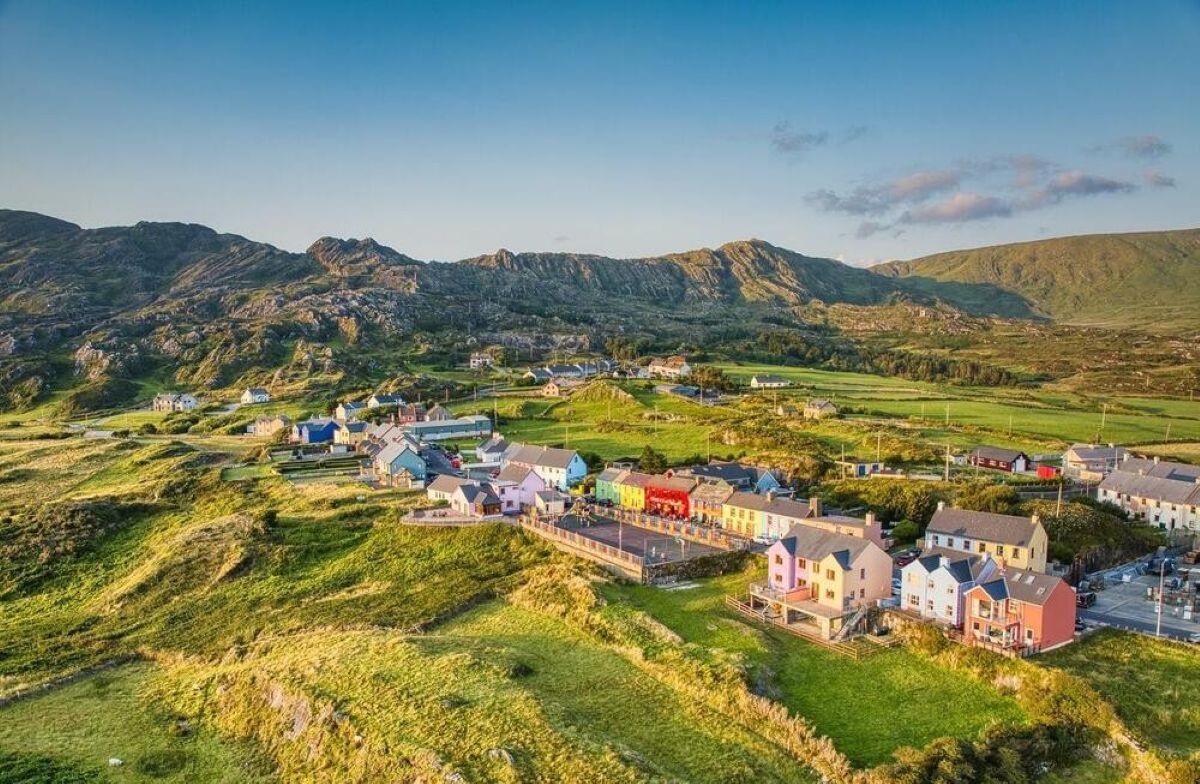
Image Credit irelandscontentpool
There’s something special about boarding the Strangford ferry. It’s something about the first Mourne Mountain views. For a moment Northern Ireland silences everything, and your mind is overjoyed by the silence. Northern Ireland takes the worry cloak off your back. For a moment in time, you don’t have to worry about the little things. You are not on a trip to cross everything off your bucket list. You are here to find a world without the fast paced lifestyle of 2026. We are here to find a world without the fast paced lifestyle.
The busy lifestyles can be a heavy burden that Northern Ireland recognizes and replaces with peace buzzing through your heart the moment you land. It won’t take a long journey to bring back the countryside, and stretch your mind and imagination with no worries about the busy lifestyle that is to come. You will end up surrounded by peaceful landscapes and by beauty without worry of where your next worries will come from. You will see beauty free of the hustle and bustle of a productive lifestyle.
Understanding the Transcendent Connection Between Coastal Loughs and Towering Mountain Ranges
Advertisement
Advertisement
It was extensively reported that the unique geography uniting Strangford Lough and the magnificent Mourne Mountains creates an extraordinary ecological system that fundamentally alters how travelers perceive physical space, time, and emotional states. Observers noted that the tranquil waters of Strangford Lough function as a dynamic, living surface where light, shifting tides, and natural reflections constantly alter the surrounding scenery throughout the day. Furthermore, the steady, predictable transit of the Strangford ferry across the quiet water was said to establish a soothing rhythm that naturally discourages rush and anxiety.
At the exact same time, the impressive granite contours of the Mourne Mountains were described as a profoundly stabilizing visual anchor for the region. Experts indicated that these majestic peaks do not aggressively overwhelm the horizon, but instead offer a steady, comforting presence that elevates the psychological tone of the area. This harmonious interplay between coastal water and mountain elevation fosters an immersive environment where visitors experience zero external pressure, allowing them to shift seamlessly into far slower, healthier emotional rhythms.
Advertisement
Advertisement
Observing the Shift Toward Purposeful and Deliberate Travel Patterns Across Northern Regions
It was repeatedly highlighted that overall tourist behavior throughout Northern Ireland, particularly across the scenic stretches of Strangford Lough and the nearby Mourne Mountains, is undergoing a massive transformation away from fast-paced, checklist-driven itineraries. Travelers were reported to be selecting significantly fewer places to visit while extending the duration of their stay at each individual location. Consequently, this structural change in trip planning enables far deeper emotional engagement, genuine rest, and a meaningful connection to local communities.
Additionally, industry analysts noted that visitors consistently describe this specific region as extraordinarily restorative for human mental health. Tourists reportedly experience total freedom from rigid daily schedules, granting them the flexibility to simply observe natural surroundings without feeling hurried. This widespread behavioral evolution mirrors a growing international shift wherein personal well-being, psychological renewal, and physical health are valued just as highly as traditional sightseeing activities.
Examining the Global Expansion and Cultural Interpretation of Mindful Tourism Frameworks
It was widely suggested that the authentic experiences available in Northern Ireland are actively accelerating the expansion of a global movement known as mindful tourism. Within this emerging framework, travelers intentionally prioritize self-awareness, emotional grounding, and mental clarity over high-speed travel and superficial tourist stops. Near the peaceful waters of Strangford Lough and the dramatic slopes of the Mourne Mountains, this cultural evolution is exceptionally pronounced as visitors spend hours observing shifting daylight and water reflections.
Furthermore, empirical data revealed that modern vacationers are systematically abandoning over-scheduled itineraries in favor of slow, deliberate exploration. Success in travel is no longer calculated by the volume of historic markers visited, but rather by the emotional depth cultivated during the journey. This increasing emphasis on psychological resonance is anticipated to alter global destination planning, as locations capable of offering genuine quietude gain immense influence over future traveler choices.
Advertisement
Advertisement
Analyzing the Long-Term Impacts on International Tourism Economics and Industry Standards
It was frequently argued that iconic regions across Northern Ireland are fundamentally reshaping the broader commercial expectations of the international travel sector. Tourism experts pointed out that modern consumers increasingly demand destinations that deliver true mental renewal, environmental beauty, and psychological rest rather than chaotic tour packages. This structural pivot is currently forcing global markets to redesign strategic planning, hospitality offerings, and destination management approaches across multiple international markets.
Because global demand for quiet, nature-focused environments is rising exponentially, regions offering genuine emotional sanctuary are acquiring remarkable visibility in global tourism preferences. The overall value of travel has expanded far beyond basic physical transportation, evolving into a recognized vehicle for personal renewal and mental recovery.
Evaluating the Evolving Mentalities and Expectations of Contemporary World Travelers
It was systematically documented that contemporary travelers, heavily inspired by restorative journeys through Northern Ireland, are completely redefining their baseline expectations of global travel. Instead of attempting to cram numerous cities into a single trip, individuals now place far greater emphasis on the qualitative depth and emotional value of each individual location. Researchers noted that travelers actively seek out peaceful environments where they can break free from hyper-connected digital lives and reconnect directly with nature.
The majestic landscapes surrounding Strangford Lough and the Mourne Mountains were repeatedly identified as perfect models of environments that naturally foster this mental transition. These places naturally encourage stillness, inner balance, and quiet self-reflection without requiring complex programmatic interventions. Consequently, this enduring change in public expectation highlights a massive cultural transformation where travel functions primarily as an essential path toward personal balance.
Advertisement
Advertisement
Uncovering the Restorative Mental and Emotional Dimensions of Natural Landscapes
It was broadly affirmed that Northern Ireland possesses a rare emotional landscape capable of directly influencing human mood, perception, and long-term mental clarity. Near the quiet edges of Strangford Lough and the towering shadows of the Mourne Mountains, this natural influence is felt deeply by almost every visitor. Observers noted that individuals experience an immediate, profound sense of grounding while taking in the still waters and ancient mountain views.
This remarkable balance between natural movement and physical stillness creates an environment exceptionally suited for deep personal reflection. Furthermore, the profound sense of internal balance generated by these surroundings routinely persists long after a traveler has returned home. This lasting psychological legacy explains why visitors hold such clear, affectionate memories of the territory, as the internal transformation toward calm remains permanently embedded within their consciousness.
Forecasting the Worldwide Effects on Travel Behaviors and Regional Development Strategies
It was ultimately concluded that the travel paradigms cultivated within Northern Ireland will powerfully shape international visitor habits and regional planning models worldwide. As global travelers seek out environments that foster mental clarity, genuine rest, and deep environmental connection, landscapes like Strangford Lough and the Mourne Mountains will serve as foundational benchmarks for the global tourism sector. Slow, intentional travel has officially transitioned from a minor niche trend into an essential global expectation.
This macro-level shift will continuously motivate international destinations to prioritize environmental conservation, calm infrastructure, and sustainable travel pacing in their long-term development strategies. The ultimate reach of these pristine natural areas extends far beyond their geographic boundaries, inspiring a comprehensive global rethinking of how travel should feel, how journeys should be conducted, and what meaningful outcomes should be delivered to modern human beings.
Advertisement
Advertisement
Reflecting on the Enduring Emotional Afterglow of Restorative Journeys
It was thoughtfully reflected that long after coastal salt spray dries and travel gear is stored away, the profound emotional legacy of Northern Ireland remains as a vibrant physical memory in the human chest. Travelers vividly recall the exact moment their personal stress dissolved while watching the light soften over Strangford Lough, or the steady, reassuring presence of the Mourne Mountains watching over the horizon. In a fast-paced world obsessed with ticking off arbitrary check-boxes, this unique landscape offers unconditional permission to simply exist.
Ultimately, the timeless wisdom regarding this region was proven completely accurate. Visiting these stunning locations accomplishes far more than altering a traveler’s temporary physical view; it untangles the human nervous system and grants complete psychological renewal. Visitors depart significantly lighter, calmer, and permanently transformed, carrying a timeless piece of that serene, still water deep within themselves forever.
Ecological Density and Biodiversity Metrics of Coastal Estuaries
It has been established that the complex ecological framework of Strangford Lough creates a unique environmental sanctuary that directly supports mental tranquility and sensory restoration. Spanning a surface area of 150 square kilometers, it stands as the largest sea lough in the British Isles. The shoreline stretches across 150 kilometers, harboring a remarkably dense marine ecosystem that includes more than 2,000 marine species. This rich biological distribution ensures that the visual landscape remains dynamic and living, offering observers a continuous connection to natural systems.
Furthermore, the lough serves as a critical biological refuge on an international scale. Each winter, the region hosts up to 75% of the world’s population of Light-bellied Brent Geese. The arrival of these migratory flocks transforms the mudflats into a peaceful area for observation. This ongoing environmental stability provides visitors with a tangible sense of continuity and calm.
Advertisement
Advertisement
Structural Conservation and Physical Topography of Mountain Ecosystems
The physical landscape of the Mourne Mountains offers a quiet backdrop that mitigates sensory fatigue for visitors. Dominated by Slieve Donard, which reaches an elevation of 850 meters (2,790 feet) as Ulster’s highest peak, the range combines steep granite terrain with calm, open views. Running across this terrain is the historic Mourne Wall, a 35-kilometer-long dry-stone structure built between 1904 and 1922 that spans 15 distinct summits. This wall frames the landscape while preserving fragile upland habitats.
However, high visitor interest requires continuous active management to prevent ecological wear. Popular access points, such as the Glen River route, experience traffic peaks reaching 21,300 visitors per month. Sustainable trail maintenance protects the granite paths, ensuring that foot traffic does not disrupt the quiet atmosphere of the range.
Economic Realignment Toward Extended-Stay Restorative Tourism Models
Regional economic metrics demonstrate a clear transition away from high-turnover day trips toward high-value, long-stay reflective travel. Financial models project that visitor spending across the combined Mourne Mountains and Strangford Lough areas contributes between £30 million and £43 million directly into local rural economies. Northern Ireland welcomes over 5.1 million overnight visitors annually, generating more than 15 million total overnight stays.
This preference for longer stays yields significant financial benefits for local communities. Extended visits generate an average 28% increase in direct expenditure on local food producers, family-run lodgings, and craft services compared to rapid touring. By prioritizing longer stays over quick itineraries, the region builds a resilient economic model centered on calm exploration.
Advertisement
Advertisement
Physiological and Stress Reduction Metrics of Natural Immersion
Scientific studies confirm that spending unhurried time in coastal and mountainous landscapes induces measurable changes in human physiology. Immersive outdoor exposure in environments like Strangford Lough produces a 15% to 20% drop in salivary cortisol levels within 120 minutes. This decrease in stress hormone levels directly correlates with feelings of mental ease reported by travelers.
Additionally, biometric tracking reveals a 12% improvement in Heart Rate Variability (HRV) during extended stays in these settings. This shift indicates a transition from sympathetic fight-or-flight nervous system activation to parasympathetic rest-and-digest dominance. These physiological shifts provide a biological foundation for how natural landscapes help untangle physical tension.
Demographic Shifts and Evolving Visitor Duration Patterns
Data tracking travel behavior reveals significant shifts in demographic profiles and stay durations in restorative travel destinations. The average length of stay in slow-travel destinations has increased from 2.3 days to 4.7 days per visit. Solo travelers and wellness-oriented couples make up 62% of total bookings across the Strangford Lough and Mourne Mountains regions, highlighting a demand for quieter travel setups.
By 2026, survey data indicates that over 45% of international travelers identify mental renewal and burnout recovery as their primary motivation for booking a journey. This interest in emotional well-being over packed itineraries reflects a broader global reevaluation of the purpose of travel.
Advertisement
Advertisement
Low-Impact Transit Systems and Regional Emission Reductions
Replacing high-speed vehicle travel with sustainable transit networks significantly lowers the environmental footprint of regional tourism. The Strangford Lough Ferry system reduces road journeys around the lough by 24 kilometers per trip, cutting vehicle emissions while providing a calm transit experience across the water.
Slow travel models yield a 35% to 40% reduction in per-visitor daily carbon footprints by reducing transit between distant sites. Concurrently, usage of regional walking networks and eco-certified trails has grown by 140%, reflecting a clear preference for human-powered exploration.
Historical Preservation and Literary Connections to the Landscape
The region’s heritage offers visitors a deep historical context that encourages quiet reflection. The area encompasses over 1,500 years of recorded history, ranging from St. Patrick’s arrival in the 5th century to 12th-century Anglo-Norman Cistercian ruins, including Inch Abbey and Grey Abbey. These quiet ruins offer physical spaces where travelers can connect with the past.
The landscape has long served as a source of creative inspiration, famously inspiring C.S. Lewis’s depiction of Narnia in The Chronicles of Narnia. Nearby historic sites like Mount Stewart house archives containing over 15,000 preserved works of art, enriching the cultural landscape for visitors.
Advertisement
Advertisement
Digital Disconnection Trends and Attention Restoration Rates
The demand for device-free travel has made digital detoxing a key feature of restorative travel experiences. Approximately 58% of mindful travelers actively restrict mobile phone usage to less than 30 minutes daily during their stay. This deliberate reduction in screen time helps break the cycle of constant digital connectivity.
Accommodations are adapting to this demand, with over 70% of boutique lodgings in the Mourne Mountains region offering optional offline packages or phone-free stay environments. Post-trip assessments show an 80% increase in self-reported mental focus among guests who engage in digital detoxes while immersed in natural settings.
Sustainable Infrastructure for Low-Impact Eco-Accommodations
Local lodging infrastructure is shifting toward low-impact designs that integrate into the landscape. Currently, 85% of new accommodation developments around Strangford Lough meet strict zero-carbon or low-impact building standards. These facilities prioritize environmental integration over structural density.
Regional eco-lodges operate on 100% renewable energy grids, drawing power from local solar, wind, or biomass systems. Furthermore, integrated rainwater harvesting systems across these retreats reduce municipal water consumption by 30% per guest stay, keeping environmental impact low.
Advertisement
Advertisement
Global Tourism Policy Transformations and Destination Metrics
International tourism boards are updating destination management frameworks to measure success beyond total visitor volume. By 2026, 60% of evaluation models used by global tourism authorities prioritize resident quality of life and visitor satisfaction over headcount growth. This policy shift supports calmer, higher-quality travel experiences.
To protect vulnerable ecosystems, sustainable trail management budgets within Area of Outstanding Natural Beauty (AONB) zones have increased by £2 million to £4 million. Destinations that implement slow travel principles demonstrate a 30% higher repeat-visitor rate over a three-year cycle, establishing a stable model for long-term tourism planning.
The Final Verdict
Northern Ireland has its own place in all of us, even many years later. It’s more than the lost pictures I keep on my phone. That particular climate has it’s own way of embedding itself in people. It will bring back those nights you would sit and watch the sun set over the Strangford Lough. It will remind you of the calm serenity of the Mourne Mountains. It is hard to come across time to “just get stuff done”, but this stretch of field gives you that time. It is said that landscape changes you, but it may also serve as a reminder to bring you back to the calm peaceful state you were previously in. The serene landscape of Northern Ireland’s lakes give you that peace that you carry with you after your trip.
Advertisement
