
Miami Keeps Pace with Barcelona as Singapore and Southampton Accelerate Cruise Tourism Growth Through Mega-Terminals and Hotel Demand

Published
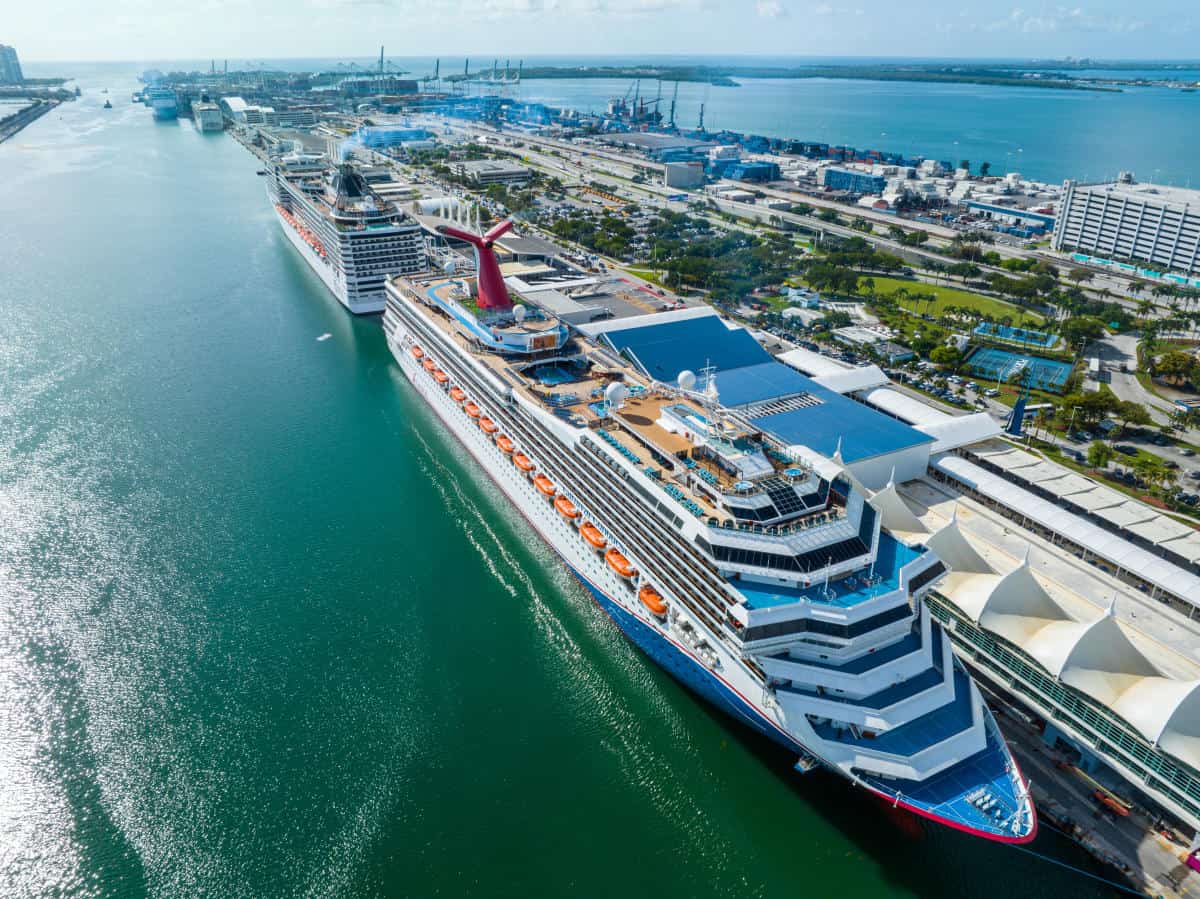
Miami has strengthened its position in the global cruise market after PortMiami surpassed 10 million passenger movements during financial year 2026, reaching the milestone on 14 September, before the year ended. The development sharpens the contest with Barcelona, Singapore and Southampton, where terminal upgrades, airline connectivity and cruise-line deployment are shaping future growth. PortMiami recorded 8.56 million passengers in financial year 2025, while Barcelona reported 2.3 million cruise visitors to the city in 2025. Singapore is expanding its terminal capacity, and Southampton handled 2.6 million international cruise passengers embarking or disembarking in 2025. Their competing strategies reveal why passenger throughput, hotel demand and visitor spending matter as much as ship numbers.
Miami Sets the Pace as Cruise Traffic Reaches New Heights
Miami’s latest milestone highlights the scale of the cruise business in South Florida. PortMiami recorded 8,564,225 cruise passengers in financial year 2025, a 4.02% increase from 8,233,056 the previous year. It then welcomed its ten-millionth passenger for financial year 2026 on 14 September, signalling another record year. The port had two weeks remaining in its financial year when it announced the milestone, so the ten-million figure should not be mistaken for its final annual total.
Advertisement
Advertisement
The port’s strength comes from its Caribbean deployment, established cruise-line operations and connections with a major international airport. Its terminals support extensive embarkation and disembarkation activity, while nearby accommodation, restaurants and attractions give passengers reasons to arrive early or extend their stay. PortMiami also reports a wider economic contribution of $61 billion annually and support for more than 340,000 jobs across the local economy. Those figures cover the port’s broader economic role, however, rather than cruise tourism alone.
Miami is also investing in capacity for the next generation of large vessels. Construction of Cruise Terminal G began in January 2026 through a partnership involving Miami-Dade County and Royal Caribbean Group. The $345 million project is designed to accommodate ships carrying up to 7,000 passengers, with a multi-level parking facility and an integrated transport hub. The terminal is scheduled for completion in late 2027 and will serve Royal Caribbean International, Celebrity Cruises and Silversea.
Advertisement
Advertisement
The investment reflects a fundamental operational challenge. A ship carrying thousands of guests can create concentrated demand for baggage handling, customs processing, transfers and road access within a short window. Larger terminals must therefore coordinate passenger movement and transport capacity, rather than simply provide more floor space.
Barcelona Prioritises Turnaround Value and Urban Tourism
Barcelona presents a different model, combining Mediterranean cruise itineraries with a globally recognised city-break destination. The Port of Barcelona reported that 2.3 million cruise passengers visited the city in 2025, an increase of 7.6%. Its base-port share reached 58%, indicating the importance of passengers who begin or end their cruises there. This is particularly significant because turnaround passengers can support accommodation and hospitality businesses beyond the hours of a conventional port call.
Advertisement
Advertisement
The distinction becomes clearer when examining 2024, for which the port published a detailed breakdown. Barcelona recorded 3,655,981 cruise passenger movements across 793 ship calls, including 1,027,779 embarkations, 1,020,647 disembarkations and 1,607,555 transit passengers. Turnaround operations represented 56% of passenger movements that year, demonstrating the economic importance of travellers starting or finishing their journeys in the city.
Barcelona is also reorganising its cruise infrastructure amid concerns about congestion and the city’s relationship with tourism. Its plans involve consolidating terminals and improving facilities at the Adossat wharf. The port’s wider investment strategy aims to improve operational efficiency while accommodating newer vessels and strengthening connections between maritime activity and the city. These measures matter because greater throughput does not automatically translate into better outcomes for residents or visitors.
Advertisement
Advertisement
Environmental infrastructure forms another part of the strategy. Through its Nexigen programme, the port aims to electrify all cruise berths by 2030 and become climate-neutral by 2050. It says the programme is intended to reduce nitrogen oxide and carbon dioxide emissions from ships while they remain in port by 38%. The target makes shore-side electricity an important part of Barcelona’s long-term competitiveness, although delivery will depend on infrastructure completion and compatible vessels.
Singapore Builds an Asian Gateway for Cruise-and-Fly Holidays
Singapore is positioning itself as a major cruise gateway for travellers combining sea voyages with international air travel. Changi Airport handled 69.98 million passenger movements in 2025 and connects Singapore to more than 170 cities, with around 100 airlines operating over 7,300 flights each week. This extensive network gives cruise operators access to regional and long-haul markets, while giving passengers opportunities to add a city stay before or after sailing.
The Marina Bay Cruise Centre Singapore completed a S$40 million upgrade in October 2025. The work increased its anticipated passenger capacity from 6,800 to 11,700 and improved check-in facilities, seating, baggage handling and ground transport. The centre now has 70 check-in counters in its new hall, more coach bays and more than twice as many ride-hailing lots. These changes are designed to manage simultaneous calls by two large ships more efficiently.
The terminal also offers practical advantages for international passengers. Its upgraded services include baggage transfers to Singapore hotels and Changi Airport, alongside selected shuttle services to attractions such as Gardens by the Bay and Chinatown. The reintroduced Cruise-Fly Service allows eligible passengers disembarking in Singapore to check in and tag baggage for same-day connecting flights. Travellers should confirm service availability and airline eligibility before relying on these arrangements.
Advertisement
Advertisement
Singapore’s strategy demonstrates why cruise infrastructure increasingly depends on the complete passenger journey. A terminal may process a large ship efficiently, but onward connections influence whether visitors spend additional time in the destination. By combining air access, baggage services and city transport, Singapore is making it easier for cruise passengers to turn a port visit into a longer holiday.
Southampton Anchors the United Kingdom’s Cruise Market
Southampton remains a central player in the UK’s international cruise business. Department for Transport statistics show that 2.6 million passengers embarked or disembarked there in 2025, representing approximately 86% of the UK’s 3.1 million international cruise passengers. National cruise volumes remained stable compared with 2024 but stood 51% above the 2.0 million recorded in 2019.
The UK figures require particular care because they exclude transit passengers who visit a port before returning to their ship. Southampton’s 2.6 million figure therefore measures passengers starting or ending international cruises, rather than every person stepping ashore during a ship call. This makes it a useful indicator of turnaround activity, although it does not reveal how many passengers stayed overnight or spent money locally.
Southampton’s appeal rests on established cruise operations and access by road and rail. Passengers travelling from elsewhere in Britain can plan surface journeys to the port, while international travellers may combine flights into London-area airports with onward transfers. Hotels, parking and transport providers can benefit from these movements, particularly when passengers arrive a day before departure. However, the actual level of hotel demand requires cruise-specific accommodation data rather than passenger totals alone.
The port’s environmental infrastructure also matters. Southampton has introduced shore-power facilities, allowing compatible vessels to connect to electricity while berthed. This can reduce reliance on onboard engines during port stays, although the benefits depend on vessel compatibility and actual use. As cruise lines face growing pressure to reduce emissions, shore power and efficient passenger handling may become increasingly important considerations when allocating ships.
Why Passenger Definitions Change the Ranking
The four ports cannot be ranked fairly using headline passenger totals alone. Miami’s financial-year figures, Barcelona’s city-visitor statistics, Singapore’s terminal capacity and Southampton’s government-reported turnaround passengers measure different aspects of the cruise business. A reliable comparison must distinguish passenger movements from unique individuals, and passengers beginning or ending voyages from those making temporary port calls.
Advertisement
Advertisement
The following figures show the scale of the market while preserving those differences.
| Gateway | Key published figure | Reporting period and definition |
|---|---|---|
| Miami | 8.56 million | Cruise passengers, financial year 2025 |
| Barcelona | 2.3 million | Cruise passengers visiting the city, 2025 |
| Singapore | 11,700 | Anticipated capacity at Marina Bay Cruise Centre after its upgrade |
| Southampton | 2.6 million | International cruise passengers embarking or disembarking, 2025 |
The distinction between turnaround and transit traffic has direct implications for tourism businesses. Embarking passengers may need hotels, restaurants, airport transfers and luggage storage before sailing. Disembarking travellers may extend their holidays after a voyage, while transit visitors generally have a shorter window for excursions and spending ashore.
Barcelona’s 2024 figures offer a particularly useful illustration. Its 1.61 million transit passengers formed a substantial part of total cruise movements, but its more than two million embarkations and disembarkations created a different pattern of potential demand. Neither category guarantees an overnight stay, yet the breakdown helps explain why the port’s base-port strategy matters to local businesses.
For Miami and Singapore, the next step is to obtain comparable port-level breakdowns of embarkations, disembarkations and transit visits. Without them, a claim that one gateway generates more hotel demand per passenger would be speculative. Passenger throughput measures operational scale; it does not independently measure tourism value.
Airport Links and Hotels Extend the Cruise Economy
Air connectivity is one of the strongest factors influencing a port’s appeal to international cruise passengers. Miami International Airport handled approximately 55.2 million passengers in financial year 2025, including 24.89 million international passengers. Changi Airport handled 69.98 million passengers in calendar year 2025, although these airport totals use different reporting periods and should not be compared as perfectly aligned annual measures.
Barcelona benefits from international air access and a substantial city-break market, while Southampton draws heavily on Britain’s road and rail networks. Each model creates different opportunities for hotels and transport operators. Airport access may encourage passengers to choose a homeport, but the commercial benefit depends on flight schedules, fares, transfer times and the convenience of reaching the terminal.
Advertisement
Advertisement
Hotel demand remains the most important data gap in a direct comparison. None of the headline passenger figures establishes how many cruise travellers booked accommodation specifically because they were embarking or disembarking. Citywide hotel occupancy and room rates provide useful context, but conventions, leisure tourism and other events can influence those indicators independently of cruising.
A more rigorous assessment would combine cruise schedules with hotel occupancy, average daily room rates and seasonal booking patterns. Passenger surveys could then establish how many travellers arrived one or two nights early, stayed after disembarkation, or chose accommodation outside the immediate port area. This would reveal whether a gateway converts cruise traffic into longer stays, rather than merely processing passengers.
Investment Signals the Next Phase of Competition
Infrastructure investment is increasingly about efficiency, environmental performance and the ability to handle larger vessels. Miami’s Cruise Terminal G represents a $345 million commitment to a terminal designed for ships carrying up to 7,000 passengers. Singapore’s S$40 million upgrade concentrates on passenger-processing capacity and transport flow, while Barcelona combines terminal consolidation with its longer-term electrification programme.
These projects cannot be judged by investment value alone. Their commercial significance depends on whether they attract additional ship calls, improve turnaround efficiency, reduce congestion or allow ports to meet new environmental requirements. A planned terminal also differs from an operational facility, making project status and expected delivery dates essential details for readers.
The wider industry faces a common challenge: larger ships create both scale advantages and concentrated pressure on infrastructure. A vessel carrying thousands of passengers can generate substantial demand for transfers and services, but it also places pressure on terminal access, baggage systems and local roads. Ports that coordinate marine operations with city transport and visitor services may secure a stronger long-term position.
For cruise lines, reliable turnaround operations help protect sailing schedules and passenger satisfaction. For destinations, the objective is to capture spending while managing congestion and environmental impacts. These priorities increasingly connect cruise-port planning with wider tourism policy.
Advertisement
Advertisement
What Travellers Should Check Before Booking
Travellers comparing departure ports should calculate the cost of the complete journey, not just the advertised cruise fare. Air tickets, hotel nights, airport transfers, parking, luggage services and the risk of arriving late can materially change the overall price. An inexpensive sailing may offer less value if reaching the terminal requires an expensive connection or an additional overnight stay.
Arriving a day before an international cruise can provide a useful buffer against flight disruption. However, travellers should check hotel cancellation terms, transfer arrangements and the cruise line’s boarding deadlines. Passengers using Singapore’s Cruise-Fly Service should verify eligibility and same-day flight arrangements before assuming they can explore the city after disembarkation.
| Traveller priority | Gateway worth considering | Practical advantage |
|---|---|---|
| Caribbean itineraries | Miami | Extensive cruise operations and international air access |
| Mediterranean city stays | Barcelona | Cultural attractions and an established urban tourism market |
| Asian cruise-and-fly holidays | Singapore | Broad airline connectivity and upgraded baggage services |
| UK departures | Southampton | Established turnaround operations and domestic surface transport |
The best choice still depends on the itinerary, travel dates, available flights and personal budget. Seasonal demand can affect accommodation prices, while major events may create pressure beyond the cruise market. Comparing the full door-to-door cost is therefore more useful than selecting a port solely on passenger volume.
Four Ports, Four Paths to Cruise Growth
Miami, Barcelona, Singapore and Southampton illustrate how cruise gateways compete through different strengths rather than passenger volume alone. Miami’s latest milestone underlines its enormous Caribbean business, Barcelona is increasing the value of turnaround operations, Singapore is strengthening cruise-and-fly connections, and Southampton retains a commanding position in the UK departure market. Their future performance will depend on how effectively they combine ship deployment, airport access, terminal capacity and environmental investment. For travellers, the most useful comparison remains the complete cost and convenience of the journey. For tourism businesses, the decisive opportunity is turning passenger movements into longer stays, local spending and sustainable growth.
Advertisement
